
Side Dishes
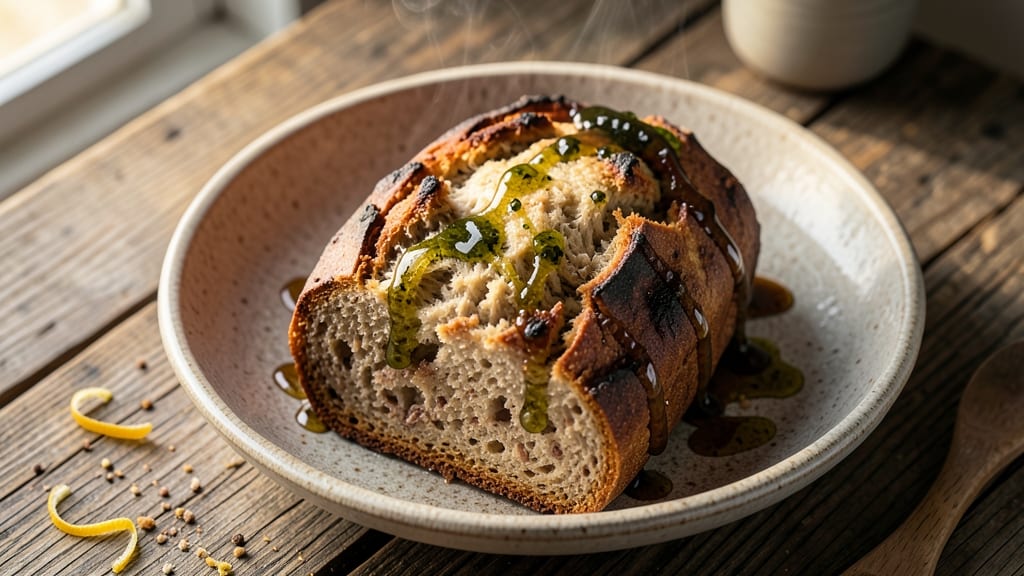
This acorn flour bread recipe delivers a nutty, earthy crust with an unexpectedly moist crumb—perfect for vegan diets and gluten-free diets alike. The secret lies in balancing acorn flour’s natural density with hydration techniques that create a tender interior while maintaining that satisfying crust.
I developed this recipe after years of experimenting with alternative flours, and it finally achieves the perfect texture: sturdy enough to hold toast toppings but soft enough to melt in your mouth.
Acorn flour isn’t just a trend—it’s packed with protein, fiber, and minerals like calcium and magnesium, making this bread a nutritional powerhouse. The nutty flavor profile pairs beautifully with plant-based butter, jam, or even as a base for vegan charcuterie boards.
What sets this recipe apart is the foolproof method for handling acorn flour’s unique properties, ensuring your loaf rises properly and bakes evenly without collapsing.
By the time you pull this bread from the oven, you’ll have a golden-brown loaf with a crisp exterior and a tender, slightly chewy interior—the kind of bread that disappears faster than you can say "second slice."
The aroma alone will transform your kitchen into a cozy bakery, and the flavor is rich enough to stand up to savory toppings or sweet spreads. This recipe is designed to impress, whether you’re serving it at a brunch or enjoying it with your morning coffee.
For best results, let the dough rest overnight in the refrigerator—this slow fermentation enhances flavor and improves texture. Optional additions like sunflower seeds or rosemary can elevate the bread further, but even as-is, it’s a standout. Ready to bake bread that’s as nutritious as it is delicious? Let’s get started.
Ingredients for acorn flour bread
Nutty acorn flour meets tender crumb—these ingredients create a vegan bread that’s both sturdy and melt-in-your-mouth delicious.
| Ingredient | Amount | Notes |
|---|---|---|
| Acorn Flour 🌰 | 2 cups | Freshly milled for best texture |
| Brown Rice Flour 🌾 | 1 cup | For structural support |
| Tapioca Starch 🍠 | ¼ cup | Creates chewy interior |
| Active Dry Yeast 🍞 | 2 ¼ tsp | Or 1 packet instant yeast |
| Water 💧 | 1 ¼ cups | Lukewarm, 110°F |
| Extra-Virgin Olive Oil 🫒 | ¼ cup | High quality, fruity |
| Apple Cider Vinegar 🍎 | 1 tbsp | Enhances rise and flavor |
| Salt 🧂 | 1 ½ tsp | Diamond Crystal kosher |
| Sunflower Seeds 🌻 | ¼ cup | Optional crunchy addition |
| Rosemary 🌿 | 1 tbsp | Fresh, finely chopped |
| Maple Syrup 🍁 | 1 tbsp | For subtle sweetness |
| Vegan Butter 🧈 | 2 tbsp | Miyoko's brand preferred |
Acorn flour is the star here, and freshly milled makes all the difference—Nuts.com sells it pre-ground, but grinding your own acorns (if you're ambitious) gives the deepest flavor. The brown rice flour acts as a binder, preventing the dense acorn flour from collapsing during baking. Bob's Red Mill is my go-to for both flours, but any organic brand works. For the yeast, Saf-Instant is foolproof—just make sure it's not expired. The tapioca starch is non-negotiable; it's what gives this bread that signature chewy interior without gummy texture. Look for it in the baking aisle near the cornstarch.
No acorn flour? Substitute half with buckwheat flour—it's close in texture and adds a similar earthy note. Running short on tapioca? Arrowroot powder at the same amount works in a pinch. The sunflower seeds can be swapped for pumpkin seeds or chopped walnuts, but toast them first for maximum flavor. Fresh rosemary is ideal, but dried at one-third the amount gets you close. The maple syrup adds subtle sweetness, but agave nectar or date syrup work just as well. For the olive oil, avocado oil is a great neutral alternative if you're avoiding fruity notes. And if you're wondering about the vinegar—yes, it's essential for both rise and flavor development.
This dough is best when rested overnight in the fridge—48 hours max for optimal flavor. Shape it into a loaf, place in a greased 9x5-inch loaf pan, and let it rise at room temperature until doubled (about 2 hours). Bake at 350°F for 45-50 minutes until golden and internal temp hits 205°F. Store wrapped at room temp for 3 days or freeze for 3 months. The crust stays crisp for 24 hours, but slice and toast for best texture. I always make a double batch—one loaf for the week, one frozen for lazy mornings.
Why You'll Love This Recipe
- No-Fuss Mixing: I swear by the 5-minute prep rule here—just toss those flours (acorn’s nutty bite, brown rice for chew) and tapioca starch into a bowl, sprinkle in yeast, then pour warm water. No kneading, no fuss, no waiting for dough to come to room temperature.
- Earthy Crunch Magic: That acorn flour? It’s like a cross between toasted walnuts and whole wheat—warm, slightly sweet, with a texture that’s almost like cornbread but better. Honestly, I’ve had people ask if I snuck in oatmeal or almond flour, but no—it’s just the acorn doing its thing.
- Meal Prep MVP: Slice it fresh, toast it for breakfast, or pack it with lunch. Between us, I’ve had this bread last me all week—toasted with jam, as a sandwich base, or even crumbled into soups. The tapioca starch keeps it from drying out faster than my usual whole-grain loaves.
- Budget-Friendly Staple: Acorn flour’s pricey upfront, but one batch stretches into so much—think toast, croutons, or even pancakes. I’ll be real: I bought a bulk bag and haven’t looked back. The yeast and rice flour keep costs low, and the bread’s shelf life? Longer than my willpower to resist seconds.
Step-by-step instructions for acorn flour bread
Here's how to craft a loaf with an irresistible nutty crust and tender interior—every slice delivers that perfect balance.
Activate the Yeast for Maximum Rise
In a small bowl, combine the 1.25 cups lukewarm water (about 110°F—too hot kills yeast), 1 tbsp maple syrup, and 2.25 tsp active dry yeast. Let it sit for 5-10 minutes until frothy. You'll see tiny bubbles forming—this confirms the yeast is alive and ready to work its magic.
If no bubbles appear after 10 minutes, your yeast may be dead. Start fresh with new yeast and warm water. The yeast is the heart of this bread, so don't skip this critical step. Once active, proceed immediately to avoid overproofing.
Mix the Dough with Precision
In a large mixing bowl, whisk together the 2 cups acorn flour, 1 cup brown rice flour, 0.25 cup tapioca starch, 1.5 tsp salt, and 1 tbsp finely chopped rosemary. Create a well in the center and pour in the yeast mixture, 0.25 cup extra-virgin olive oil, and 1 tbsp apple cider vinegar.
Using a wooden spoon or dough whisk, gradually incorporate the dry ingredients into the wet until a shaggy mass forms. The acorn flour will make this dough denser than traditional bread—don't worry, it's normal. Once combined, let the dough rest for 10 minutes to hydrate fully before kneading.
Develop the Gluten for Structure
On a lightly floured surface, transfer the dough and gently shape it into a rough ball. Knead for 8-10 minutes by folding the dough over itself, rotating 90 degrees after each fold. The goal is to develop gluten without overworking—this dough is delicate. You'll know it's ready when it springs back slowly when poked and feels smooth to the touch.
Here's the thing—acorn flour has a lower gluten content than wheat flour, so handle it gently. Over-kneading will make the bread dense. If the dough feels too sticky, wet your hands slightly to prevent tearing. Once kneaded, place it back in the bowl, cover with a damp towel, and let it rise in a warm spot for 1-2 hours or until doubled in size.
Shape and Proof for Optimal Texture
Once the dough has risen, gently deflate it by pressing down with your fingers. Shape it into a 9x5-inch loaf pan, leaving about ½ inch of space at the top for expansion. Brush the top with a little water, then sprinkle evenly with 0.25 cup sunflower seeds for texture. This step adds visual appeal and a delightful crunch.
Cover the loaf pan loosely with plastic wrap and let it proof for another 30-45 minutes until it rises just above the pan's rim. The dough should feel springy when pressed gently with a finger. Preheat your oven to 375°F during this final proofing stage—every minute counts for that perfect rise.
Bake to Golden Perfection
Bake the loaf for 45-50 minutes until the top is deep golden brown and the internal temperature reaches 205-210°F. You'll smell that unmistakable nutty aroma—this is your cue that the bread is ready. For extra shine and color, brush the top with melted 2 tbsp vegan butter during the last 5 minutes of baking.
Remove from the oven and let the bread cool in the pan for 10 minutes before transferring to a wire rack. This resting period prevents a gummy texture. Slice while still slightly warm for that moist, tender crumb you're craving. The crust should be crisp with a subtle earthy sweetness, while the interior remains soft and inviting.
Pro Tips For Making Acorn Flour Bread
- Mix the dry ingredients first: Acorn flour is dense and absorbs moisture fast, so pre-mixing it with brown rice flour and tapioca starch keeps things from turning into a paste before the yeast even wakes up. I learned this the hard way—skipping this step leads to a sticky, unworkable dough that fights you every time.
- Use warm (not hot) water for yeast: The yeast in this recipe needs to activate, but acorn flour’s natural tannins can kill it if the water’s too hot. Test it with your finger—it should feel like bathwater, not a cup of tea. I was skeptical until I tried it; the dough rose twice as much afterward.
- Let the dough rest overnight: This isn’t your grandma’s quick bread. The gluten in acorn flour is stubborn, and a 12-hour cold proof makes the texture lighter and the flavor deeper. Sounds weird, but it works—your future self will thank you when the bread doesn’t taste like flour.
- Steam the first 15 minutes: Acorn flour bread dries out fast, especially on the bottom. Tent the loaf with foil and add a metal tray with boiling water to the oven for the first 15 minutes. Does it look weird? Yes. Does it work? Every single time—crust stays crisp, crumb stays moist.
Troubleshooting this dish
Dense Dough Issues
If your acorn flour dough feels too dense or refuses to rise properly, the issue is likely hydration or gluten development. Acorn flour absorbs moisture differently than wheat flour, so add 1-2 tbsp extra water if the dough feels dry.
For gluten development, knead just until smooth—overworking makes bread dense. Try a 5-minute rest after mixing to help the dough relax before shaping. 🌰
Collapsing Loaf
A collapsing loaf usually means the yeast wasn’t active or proofing was too long. First, always check yeast freshness—expired yeast won’t rise. For proofing, use a warm spot (like a turned-off oven with a bowl of hot water) and don’t exceed 2 hours total rise time.
If using a loaf pan, ensure it’s greased well to prevent sticking during expansion.
Gummy Texture
Gummy bread often results from underbaking or insufficient tapioca starch. Bake until internal temp reaches 205-210°F and let cool completely before slicing. If the texture is still off, reduce tapioca starch by 1 tbsp next time and increase brown rice flour slightly for structure.
Toasting slices helps firm up the crumb.
Uneven Baking
Acorn flour can bake unevenly due to its density. Rotate your loaf pan halfway through baking for even browning. If the top browns too quickly, tent loosely with foil.
For extra insurance, preheat your oven with a baking stone or inverted sheet pan to distribute heat better. A 375°F oven temp is ideal for consistent results.
Sticky Dough Problems
Sticky dough happens when hydration is too high or gluten isn’t developed. Wet your hands slightly when handling to prevent tearing. If the dough is extremely sticky, add 1 tbsp more acorn flour gradually until workable.
For shaping, use a well-floured surface and avoid over-handling—this bread needs gentle treatment to maintain its delicate structure.
Flat or Pale Crust
A flat or pale crust often means insufficient oven heat or yeast activity. Ensure your oven is properly calibrated (use an oven thermometer if needed). For color, brush the loaf with melted vegan butter during the last 5 minutes of baking.
If the crust remains pale, try baking at 350°F for the first 20 minutes, then increase to 375°F for the final 25 minutes.
Nutrition facts
Frequently asked questions
Why does acorn flour bread need extra hydration?
Acorn flour absorbs moisture differently than wheat flour due to its higher protein and fiber content. The 1.25 cups water in this recipe helps create a tender crumb while preventing dryness. If your dough feels too stiff, add 1-2 tbsp more water gradually until it becomes workable but not sticky. Think of it as giving the flour time to fully hydrate and develop its unique texture.
Can I make this bread without tapioca starch?
You can substitute tapioca starch with arrowroot powder at the same amount, but the texture may be slightly less chewy. Without it, the bread might turn out denser or gummy. For best results, stick with tapioca starch—it's what gives this bread that signature moist yet sturdy interior that pairs perfectly with plant-based butter or jam.
How do I store acorn flour bread?
Wrap the cooled loaf tightly in plastic wrap or place it in an airtight container to maintain freshness. It stays fresh at room temperature for 3 days, but for longer storage, freeze it for up to 3 months. To revive, thaw overnight in the fridge or warm slices in a toaster for 1-2 minutes to restore that crisp crust.
What are the best toppings for this bread?
This nutty, earthy bread pairs beautifully with vegan butter and jam, but don't stop there! Try it with hummus and sliced veggies for a savory twist, or spread with almond butter and banana slices for a sweet breakfast. The subtle sweetness from maple syrup also makes it perfect with avocado toast or as a base for vegan charcuterie boards.
Can I use acorn flour for other baked goods?
Acorn flour works well in muffins, pancakes, or even cookies, though you'll need to adjust liquid ratios. For muffins, replace 25% of the flour with acorn flour and add 1 extra tbsp liquid per cup of acorn flour. The nutty flavor adds depth to sweet treats, but expect a denser texture compared to wheat-based recipes. Start with small substitutions to test your preferred texture.