
Side Dishes
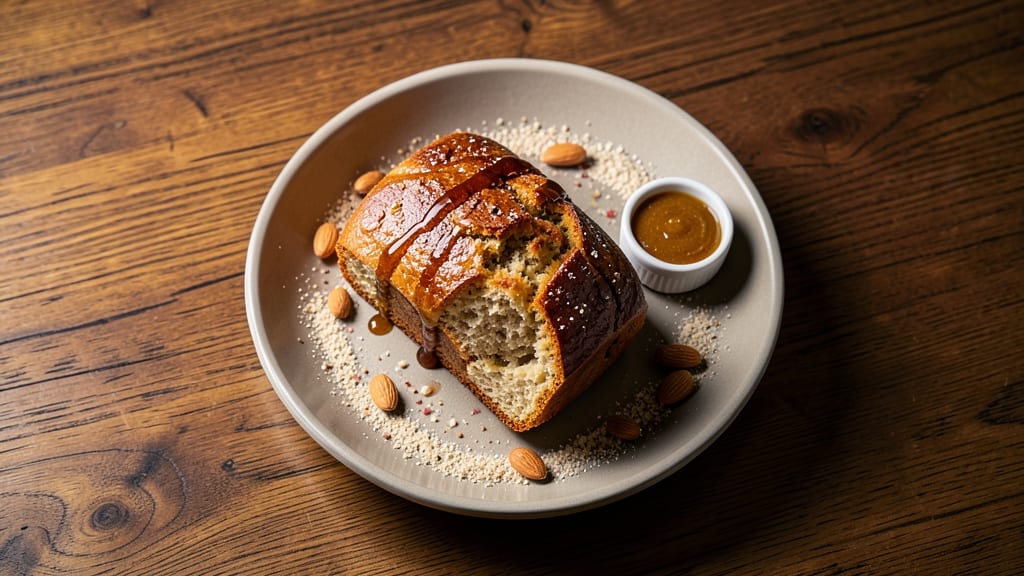
This almond flour yogurt bread recipe delivers the perfect balance of nutty richness and tender crumb—all without a hint of gluten. The secret lies in using plant-based yogurt for moisture and structure, creating a loaf that's both vegan-friendly and impossibly light. I developed this recipe after years of perfecting gluten-free baking, and it never fails to impress.
The dough comes together in just 10 minutes, with no kneading required, and bakes up into a golden, fragrant loaf with a crisp crust and moist interior. The almond flour provides natural sweetness and a delicate texture, while the yogurt keeps every slice tender.
This recipe is perfect for those avoiding gluten or looking for a healthier bread option without sacrificing flavor or texture.
What makes this bread truly special is its versatility—serve it toasted with butter, sliced for sandwiches, or even as a base for French toast. The slight tang from the yogurt complements the nutty almond flavor beautifully, creating a loaf that's far from basic.
With optional add-ins like seeds or sweetener, you can customize it to suit any taste.
Once baked, this loaf stays fresh for days when stored properly, making it ideal for meal prep. Whether you're baking for dietary needs or simply craving something different, this recipe delivers a loaf that's as satisfying as it is nutritious. Let's get started!
Ingredients for almond flour yogurt bread
Eight simple ingredients create a gluten-free loaf with restaurant-quality texture and nutty depth.
| Ingredient | Amount | Notes |
|---|---|---|
| Almond Flour 🌰 | 3 cups | Finely milled, unsweetened preferred |
| Unsweetened Plant-Based Yogurt 🥛 | 1 cup | Vegan, unsweetened coconut or almond |
| Ground Flaxseed 🌾 | 1 tbsp | Mixed with 3 tbsp water for flax egg |
| Pure Maple Syrup 🍁 | ¼ cup | Grade B for deeper flavor |
| Extra-Virgin Olive Oil 🫒 | ½ cup | Lightly flavored for neutral taste |
| Baking Powder 🍞 | 1 tsp | Aluminum-free preferred |
| Salt 🧂 | ½ tsp | Fine sea salt preferred |
| Vanilla Extract 🌿 | 1 tsp | Pure vanilla for authentic flavor |
| Chia Seeds 🌱 | 1 tbsp | Optional, for extra texture |
| Sunflower Seeds 🌻 | ¼ cup | Optional, for crunch |
| Water 💧 | ½ cup | Room temperature preferred |
Almond flour is the backbone here—Bob's Red Mill or Anthony's Goods brands are my go-tos for consistent texture. If you can't find unsweetened, regular almond flour works, but expect slightly less moisture. The plant-based yogurt should be thick and tangy; Cocojune or Silk unsweetened varieties work perfectly. For the flax egg, mix the ground flaxseed with water and let it sit for 5 minutes to thicken properly—this is what binds the bread together without gluten. The maple syrup adds natural sweetness while keeping the loaf tender.
No maple syrup? Agave nectar or date syrup works in a pinch, though flavor will differ slightly. Swap the olive oil for avocado oil if you prefer a more neutral taste. The chia seeds and sunflower seeds are optional but add great texture—if you skip them, the bread will still be delicious. For extra moisture, add 1-2 tbsp more plant-based yogurt if the dough feels too dry. The baking powder is crucial for lift; make sure it's fresh by testing with vinegar (if it fizzes, it's good).
This loaf keeps beautifully for 4-5 days wrapped in a clean kitchen towel at room temperature, or 1 week in the fridge. For longer storage, slice and freeze individual portions—they reheat perfectly in a toaster or oven. The bread is best enjoyed within 3 days of baking for peak freshness, but it won't go stale quickly. Slice with a serrated knife for clean cuts, and store any leftovers in an airtight container to maintain moisture.
Why You'll Love This Recipe
- No Mixer Needed: I swear by this dough—just stir, fold, and let the almond flour do the work. No standing over a mixer, no sticky hands, just a bowl and a spoon. Honestly, it’s the kind of recipe that makes me feel like I’ve hacked baking.
- Tangy-Sweet Magic: That yogurt gives it this bright, almost custardy richness, while the maple syrup adds just enough caramel depth. The flaxseed? Tiny but mighty—it keeps it moist without being gummy. (Yes, even on a Tuesday night.)
- Breakfast or Snack: Serve it toasted with a smear of almond butter for a grab-and-go breakfast, or cut into thick slices for a dessert-like treat with a drizzle of honey. I’ve even used it as a base for savory toppings—trust me, it’s that versatile.
- Lasts All Week: The olive oil keeps it from drying out, so a loaf lasts me five days without turning into a sad, crumbly brick. Plus, the almond flour costs a fraction of regular flour, so you’re saving money while still getting something that tastes like a treat.
Step-by-step instructions for almond flour yogurt bread
Here's how to create a tender, gluten-free loaf that stays moist for days.
Prepare the Flax Egg and Combine Wet Ingredients
In a small bowl, whisk together the 1 tablespoon ground flaxseed with 3 tablespoons water (not included in the ingredients list). Let this mixture sit for 5 minutes until it thickens into a gel-like consistency—this is your flax egg, which replaces traditional eggs while keeping the bread moist. Meanwhile, in a large mixing bowl, combine the 1 cup unsweetened plant-based yogurt, 0.5 cup extra-virgin olive oil, 0.25 cup pure maple syrup, and the flax egg mixture.
Use a hand mixer or whisk to blend these wet ingredients until smooth and fully incorporated. The mixture should look like a thick, creamy batter. This step ensures even distribution of moisture throughout the dough, which is crucial for that signature moist crumb texture in gluten-free breads. If you notice any lumps, strain the mixture through a fine-mesh sieve to achieve a silky consistency.
Mix Dry Ingredients and Combine with Wet
In a separate bowl, sift together the 3 cups almond flour, 1 teaspoon baking powder, 0.5 teaspoon salt, and 1 teaspoon vanilla extract. Sifting prevents clumping and ensures the baking powder activates evenly. Gradually add this dry mixture to the wet ingredients while mixing on low speed with a hand mixer. Mix just until combined—overmixing can develop gluten-like properties in the almond flour, making the bread dense rather than tender.
At this stage, you'll want to fold in the 1 tablespoon chia seeds and 0.25 cup sunflower seeds by hand using a rubber spatula. These add texture and crunch, but don't overmix—the goal is to distribute them evenly without breaking them down. The dough will be thick and sticky, which is normal for gluten-free almond flour bread. If it feels too stiff, add 1-2 tablespoons of the 0.5 cup water to loosen it slightly while maintaining workability.
Prepare the Loaf Pan and Bake
Preheat your oven to 350°F and lightly grease an 8x4-inch loaf pan with olive oil or line it with parchment paper for easy removal. Transfer the dough to the prepared pan, spreading it evenly with a spatula. Tap the pan gently on the counter a few times to eliminate any air bubbles and ensure the dough settles uniformly. This step prevents cracks and promotes even baking.
Bake for 40-45 minutes until the top is golden brown and a toothpick inserted into the center comes out clean. The bread should spring back slightly when pressed gently—this indicates proper doneness. Gluten-free breads can dry out quickly, so don't overbake. If the top browns too quickly, tent the pan with foil after 20 minutes to prevent over-browning while allowing the center to cook through.
Cool and Slice for Maximum Freshness
Remove the loaf from the oven and let it cool in the pan for 10 minutes before transferring it to a wire rack. This short cooling period helps the bread set slightly, making it easier to handle without falling apart. Allow the bread to cool completely for at least 30 minutes before slicing—this ensures clean cuts and prevents the crumb from becoming gummy. The internal temperature should drop to below 100°F for the best texture.
Slice the bread into 8 even servings using a sharp serrated knife. To achieve clean cuts, dip the knife in hot water and wipe it dry between slices. Store any leftovers in an airtight container at room temperature for up to 3 days or refrigerate for up to 5 days. For longer storage, wrap individual slices in plastic wrap and freeze for up to 3 months. The bread will stay moist and flavorful when properly stored, making it perfect for toast or sandwiches.
Pro Tips For Making Almond Flour Yogurt Bread
- Measure Almond Flour Right: Use a kitchen scale—spooning almond flour by volume packs it too tightly, throwing off ratios. I learned this after my first loaf turned dense as a brick; now I weigh it for consistent results every time.
- Whisk the Yogurt First: Give that plant-based yogurt a good stir before mixing—it separates like crazy, and you’ll end up with a gummy mess. A quick whisk ensures smooth batter, so skip the guesswork.
- Don’t Overmix the Batter: Mix just until combined, or you’ll develop gluten (yes, even in almond flour) and end up with a tough, chewy loaf. Fold in the flax egg gently—this bread’s magic is in its tender crumb.
- Bake Until Golden, Not Just Set: The interior might look done at 340°F, but pull it out when the top is deep golden—around 350°F internal temp. I used to cut too soon, and the crumb stayed damp; now I wait for that color.
Creative variations of this recipe
Sweet Variations
Add 1-2 tablespoons of cinnamon and ¼ cup raisins for a morning bun-style loaf. The cinnamon pairs beautifully with the nutty almond flavor, while the raisins add natural sweetness and chewy texture.
For a more decadent treat, fold in 2 tablespoons of melted coconut oil mixed with 1 teaspoon of vanilla bean paste—this creates a rich, almost brioche-like texture. 🍁
Savory Twist
Skip the sweetener entirely and add 1 teaspoon of garlic powder, ½ teaspoon of onion powder, and 2 tablespoons of chopped fresh rosemary for a savory loaf. This works wonderfully as a base for sandwiches or alongside soups.
For extra flavor, brush the baked loaf with 1 tablespoon of olive oil mixed with ½ teaspoon of smoked paprika before serving. 🌿
Seed & Nut Boost
Swap the sunflower seeds for ¼ cup chopped walnuts or pecans for added crunch and depth. I also like adding 1 tablespoon of pumpkin seeds for a subtle earthy note.
For a seed-heavy loaf, increase the water by 1 tablespoon to help bind the extra texture. These additions make the bread more hearty and perfect for breakfast or snacking. 🌰
Herbal Infusions
Incorporate 1 tablespoon of fresh thyme leaves or 1 teaspoon of dried lavender for a floral, aromatic twist. Lavender adds a delicate sweetness that pairs surprisingly well with the almond flavor, while thyme gives a subtle herbal brightness.
Use culinary lavender (not ornamental) for the best flavor. These variations elevate the bread into a dessert-worthy treat. ✨
Global Adaptations
For a Middle Eastern-inspired loaf, add 1 teaspoon of ground cardamom and ½ teaspoon of turmeric to the dry ingredients. This creates a warm, slightly spiced bread that works beautifully with hummus or as a side to grilled meats.
In a Mediterranean style, fold in ¼ cup finely chopped kalamata olives for a salty contrast. These adaptations bring exciting new flavors to your classic loaf. 🗺️
Nutrition facts
Frequently asked questions
Can I substitute almond flour with other gluten-free flours?
Yes, but texture will change. For a 1:1 swap, try coconut flour (but add 2 extra tbsp water per cup) or tapioca starch mixed with 1 tbsp psyllium husk per cup. Almond flour's fat content creates that signature tender crumb—other flours may yield denser results.
Why does my almond flour bread turn out dense?
Overmixing develops gluten-like properties in almond flour, making bread dense. Mix just until combined and avoid kneading. Also ensure your baking powder is fresh (test with vinegar) and don't skip the flax egg—it's crucial for structure. For extra moisture, add 1 tbsp more yogurt if the dough feels dry.
How do I make this bread sweeter without adding sugar?
Increase the maple syrup to ⅓ cup or add ¼ cup mashed banana for natural sweetness. For a caramelized flavor, brush the baked loaf with 1 tbsp melted coconut sugar before serving. The almond flavor already has subtle sweetness that enhances with these additions.
Can I use regular yogurt instead of plant-based?
Technically yes, but it won't be vegan. For best results with dairy yogurt, use Greek yogurt> (thicker texture works better). However, the recipe was designed for plant-based yogurt's tangy flavor and lower fat content—this creates the signature moist crumb. If using dairy, reduce olive oil by 1 tbsp to balance fat content.
What's the best way to reheat stale almond flour bread?
Slice the bread and warm in a 350°F oven for 5-7 minutes> with a damp paper towel on top. For quick toasting, use a toaster set to medium heat—this restores crispness without drying. Never microwave as it makes gluten-free bread gummy. Store in an airtight container with a slice of apple to maintain freshness longer.