Side Dishes
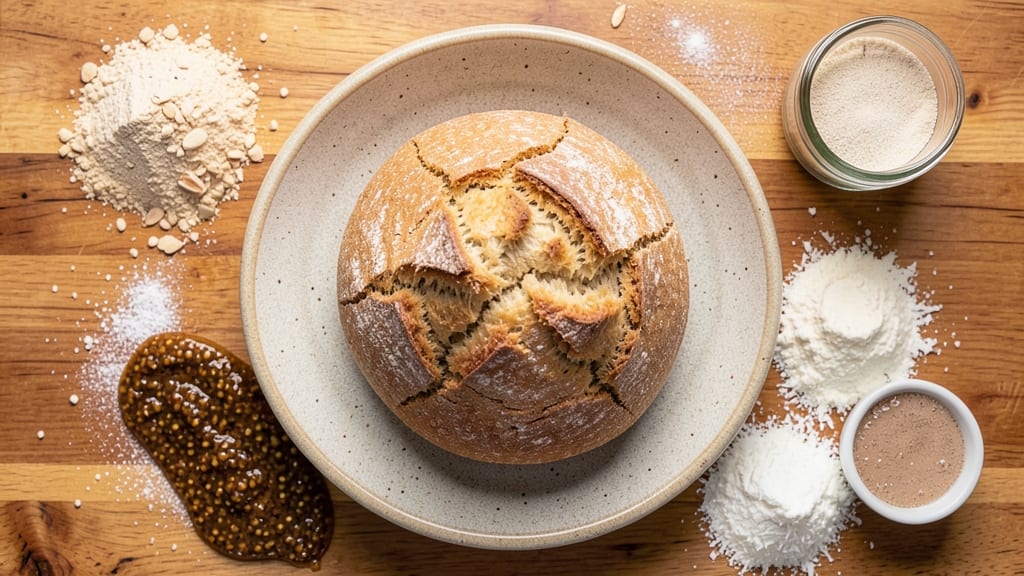
This almond and coconut flour bread recipe delivers a nutty-creamy crust that rivals traditional bread—without yeast or gluten. The secret lies in blending these flours for a tender crumb and crispy exterior, perfect for sandwiches or toast.
I developed this after years of perfecting gluten-free baking, and the texture truly surprises even skeptics.
The beauty of this recipe is its simplicity: just blend, mix, and bake. No yeast means no waiting for proofing, and the coconut flour adds natural sweetness while keeping the bread moist. The almond flour contributes a delicate nuttiness that pairs beautifully with seeds or sweeteners for customization.
What you’ll end up with is a creamy, slightly sweet loaf with a satisfying crust that stays fresh for days. The flavor profile is rich yet subtle, making it versatile for breakfast toast or elegant side dishes. This bread proves gluten-free baking can be both nutritious and indulgent.
For extra texture, try adding chia seeds or a touch of honey. Store leftovers in an airtight container to maintain freshness. Let’s bake this bread together!
Ingredients for almond and coconut flour bread
Nine carefully chosen ingredients transform into a nutty-creamy loaf with restaurant-quality crust.
| Ingredient | Amount | Notes |
|---|---|---|
| Almond Flour 🌰 | 2 ½ cups | Finely ground, unsweetened |
| Coconut Flour 🥥 | ½ cup | Unsweetened, sifted |
| Tapioca Starch 🌾 | ½ cup | For binding and elasticity |
| Flaxseed Meal 🌱 | 2 tbsp | Ground flaxseed for binding |
| Cold Water 💧 | ½ cup | For flaxseed activation |
| Psyllium Husk Powder 🌿 | 1 tbsp | For moisture retention |
| Baking Powder 🍞 | 1 ½ tsp | Aluminum-free preferred |
| Salt 🧂 | ½ tsp | Fine sea salt |
| Coconut Oil 🫒 | ½ cup | Melted, unscented |
| Maple Syrup 🍯 | ¼ cup | Grade B for depth |
| Vanilla Extract 🌸 | 1 tsp | Pure alcohol-free |
| Chia Seeds 🌱 | 2 tbsp | Optional for texture |
| Sunflower Seeds 🌻 | ¼ cup | Toasted for crunch |
The almond flour is the foundation here—Bob's Red Mill brand delivers consistent texture, but any finely ground almond flour works. Coconut flour absorbs moisture aggressively, so sift it first to avoid clumps. For the tapioca starch, Arrowhead Mills is my go-to; it blends seamlessly without altering flavor. The psyllium husk powder might be unfamiliar, but it's essential for that traditional bread-like chew. Look for it in the baking aisle or health food sections at Whole Foods or Sprouts—both carry high-quality versions. Toast your sunflower seeds in a dry pan for 3-4 minutes until fragrant; this enhances their natural nuttiness and adds that satisfying crunch to the crust.
No almond flour? Substitute with more coconut flour (up to 1 cup total) plus 1 extra egg replacement, but expect a denser texture. Coconut oil can be swapped for avocado oil or melted coconut butter, though flavor will shift slightly. The maple syrup is non-negotiable for moisture and subtle sweetness—avoid agave, which can taste harsh. For vanilla, alcohol-free extracts prevent any aftertaste. Chia seeds can be omitted, but if you add them, let them soak in 3 tbsp water for 5 minutes to prevent grittiness. The flaxseed meal must be freshly ground; pre-ground versions lose binding power quickly. Store your flaxseed in the freezer to preserve freshness.
This bread bakes best at 350°F (175°C) for 45-50 minutes—use an oven thermometer to verify accuracy. Cool completely on a wire rack before slicing; rushing this step leads to a gummy texture. Wrap cooled loaves in parchment-lined foil and store at room temperature for up to 5 days. For longer storage, freeze slices wrapped individually—they toast beautifully straight from the freezer. The crust stays crisp for 2 days if kept in an airtight container, though it's best enjoyed fresh. For extra crispiness, brush warm slices with melted coconut oil before serving.
Why You'll Love This Recipe
- No-Fuss Mixing: The dough comes together with just five ingredients—no yeast, no kneading, no waiting. Toss the flours, flaxseed meal, and cold water in a bowl, stir until it clumps, then bake. That’s it. No stress, no fuss, just a loaf that doesn’t demand your whole afternoon.
- Nutty-Creamy Crunch: The almond flour gives it that rich, buttery depth, while coconut flour adds a subtle toasty note. That crispy crust? Pure satisfaction—it’s like biting into a cross between a scone and a baguette, but without the guilt.
- Meal Prep MVP: Slice it fresh, toast it later. This bread holds up for days in the fridge, reheats in minutes, and even freezes like a champ. Honestly, I bake two loaves on Sunday—one for sandwiches, one for toast—and never run out before Thursday.
- Budget-Friendly Staple: Almond and coconut flour might sound pricey, but a little goes a long way here. The flaxseed meal replaces eggs, and tapioca starch keeps it light without breaking the bank. My grocery bill stayed sane, and my pantry stayed stocked for weeks.
Step-by-step instructions for almond and coconut flour bread
Master this gluten-free technique for a bread with a nutty-creamy crust and tender crumb.
Activate the Flaxseed and Psyllium Binders
In a small bowl, whisk together the 2 tbsp flaxseed meal and 0.5 cup cold water. Let this mixture sit for 5 minutes until it thickens into a gel-like consistency—this is what will replace eggs in our binding. In a separate container, sprinkle the 1 tbsp psyllium husk powder over 2 tbsp cold water and whisk vigorously for 10 seconds until it forms a smooth, thick paste. Both mixtures will create the structural integrity we need without gluten.
The flaxseed mixture should resemble a thick pudding, while the psyllium will form a glossy, slightly elastic paste. These binders are critical for achieving that tender crumb texture in gluten-free baking. If you notice any lumps in the psyllium mixture, whisk them out—they'll create dense pockets in your bread.
Combine Dry Ingredients for Optimal Texture
In a large mixing bowl, sift together the 2.5 cups almond flour, 0.5 cup coconut flour, 0.5 cup tapioca starch, 1.5 tsp baking powder, and 0.5 tsp salt. The sifting ensures even distribution of the baking powder and prevents any clumping, which could lead to uneven rising. Use a whisk to break up any remaining lumps in the almond flour—it tends to be oilier and can form small clumps when stored.
This dry blend forms the foundation of our bread's structure. The almond flour provides that characteristic nutty flavor and moisture, while the coconut flour adds a subtle sweetness and helps absorb excess liquid. The tapioca starch will contribute to that tender crumb we're aiming for. Mix these ingredients thoroughly but gently—overmixing can develop gluten-like properties in the almond flour.
Incorporate Wet Ingredients and Create the Dough
To the dry mixture, add the 0.5 cup melted coconut oil, 0.25 cup maple syrup, and 1 tsp vanilla extract. Mix with a wooden spoon or silicone spatula until just combined—you're looking for a shaggy, slightly sticky dough. Add the flaxseed gel and psyllium paste, mixing until fully incorporated. The dough should be thick but workable, similar to cookie dough but slightly more cohesive.
At this stage, you might feel like the dough is too dry or too sticky—this is normal. The psyllium and tapioca starch will help regulate moisture as we proceed. If the dough feels particularly dry, add 1 tablespoon of cold water at a time until it comes together. The goal is a dough that holds its shape when pressed but still feels slightly tacky to the touch.
Fold in Seeds and Prepare for Baking
Gently fold in the 2 tbsp chia seeds and 0.25 cup toasted sunflower seeds using your hands or a spatula. The chia seeds will add a subtle crunch and help with moisture retention, while the sunflower seeds contribute both texture and a nutty complement to the almond flour. Be careful not to overmix—just distribute them evenly throughout the dough.
Transfer the dough to a parchment-lined loaf pan and smooth the top with a wet spatula. The dough will be quite dense and may not rise dramatically like traditional yeast bread, but it will expand slightly during baking. Tap the pan gently on the counter a few times to eliminate any air pockets. This step ensures even baking and prevents cracks in the crust.
Bake to Golden Perfection
Preheat your oven to 350°F and bake the bread for 50-55 minutes, or until the top is deep golden brown and a toothpick inserted in the center comes out clean. The bread will have a slightly domed top with a crisp crust that gives way to a tender interior. I like to tent the pan with foil after 30 minutes if the top is browning too quickly—this helps create that creamy crust we're after.
During the final 10 minutes of baking, you should hear a hollow sound when you tap the bottom of the pan. This indicates the bread has fully set. Let the bread cool in the pan for 10 minutes before transferring to a wire rack to cool completely. The internal temperature should reach 200°F before removing it from the oven—this ensures even cooking throughout.
Pro Tips For Making Almond And Coconut Flour Bread
- Mix Dry Ingredients First: Dump almond flour, coconut flour, tapioca starch, and flaxseed meal into your bowl before adding wet ingredients—this prevents coconut flour from absorbing moisture too fast and turning into a gluey mess. I learned this the hard way when my first batch turned into a sad, dense brick.
- Weigh Your Coconut Flour: Coconut flour is notorious for packing differently in scoops. Use a kitchen scale for precise measurements—1 cup packed coconut flour can weigh 120g, while loosely scooped, it’s often 90g. Trust me, your bread’s texture will thank you.
- Don’t Skip the Rest: After mixing, let the batter sit for at least 15 minutes before baking. The flaxseed meal needs time to fully gel, and the coconut flour will absorb water properly—skipping this step means a crumbly, dry loaf. (Yes, even if you’re impatient like me.)
- Bake Low and Slow: Preheat your oven to 325°F (163°C) and bake for 45–55 minutes. Almond and coconut flour breads burn faster than wheat-based ones—start checking for doneness at 40 minutes with a toothpick. If it’s golden but the center’s still damp, tent it with foil and finish low.
Serving suggestions for leftovers
Breakfast Toast
This bread shines as a breakfast staple! Toast slices until golden and spread with almond butter or avocado mash. Top with sliced banana and a drizzle of honey for a naturally sweet, protein-packed meal.
I love adding chia pudding on top for extra texture—just mix 2 tbsp chia seeds with ½ cup coconut milk and let it sit overnight. 🌰
Sandwich Base
Use thick slices as a sturdy foundation for sandwiches. Try turkey and avocado with a smear of mustard, or hummus and roasted veggies for a vegan option.
The nutty flavor holds up well to bold toppings like sliced apple and cinnamon cream cheese. For extra crunch, sprinkle toasted sesame seeds before assembling. 🥪
Dinner Side
Serve warm slices alongside grilled salmon or roasted chicken for a gluten-free, flavorful accompaniment. The natural sweetness pairs beautifully with herb butter or chimichurri sauce.
I often make a quick garlic aioli by mixing ½ cup vegan mayo, 1 minced garlic clove, and 1 tsp lemon juice—drizzle over warm bread for a restaurant-worthy touch. 🍽️
Dessert Twist
Dip warm slices in melted dark chocolate and sprinkle with crushed hazelnuts for a decadent treat. The coconut flavor enhances the chocolate beautifully. For a lighter option, spread with almond butter and sliced strawberries, then dust with powdered sugar.
This bread’s subtle sweetness makes it a surprisingly versatile dessert base. 🍫
Breadcrumbs Substitute
Toast stale slices in the oven at 350°F for 10 minutes, then pulse in a food processor until you get fine crumbs. Use these in place of traditional breadcrumbs for vegan meatballs, crispy coatings, or stuffing.
The almond flavor adds depth to dishes like blackened tofu or fried cauliflower. Store crumbs in an airtight container for up to 1 week. ✨
Crostini Topper
Cut into ½-inch thick slices, toast until crisp, and top with whipped goat cheese, sliced figs, and balsamic glaze for an elegant appetizer. For a savory option, spread with herbed cream cheese and smoked salmon.
The bread’s neutral base lets toppings shine while providing satisfying texture. Perfect for charcuterie boards or holiday gatherings. 🍷
Nutrition facts
Frequently asked questions
Why does this bread need psyllium husk powder?
Psyllium husk powder acts as a natural binder and moisture retainer, replacing gluten's structural role. It creates that satisfying chew and prevents the bread from becoming crumbly or dry. Think of it as the "glue" that holds your loaf together while keeping it tender. Without it, the texture would be much denser and less bread-like.
Can I make this bread without chia or sunflower seeds?
Both seeds are optional additions for texture and nutrition. Omit them if you prefer a smoother loaf, or substitute with 1 tbsp ground flaxseed or toasted pumpkin seeds for similar benefits. The bread will still bake beautifully—just expect a slightly less crunchy texture.
How do I fix a dense or gummy texture?
Density usually means the dough was overmixed or underbaked. For future batches, mix just until combined and bake 5 more minutes if the center feels underdone. If your current loaf is gummy, slice it thin and toast until crisp. The psyllium needs time to fully set—never skip the cooling period!
What's the best way to store leftovers?
Wrap cooled slices in parchment paper and store in an airtight container at room temperature for 4-5 days. For longer storage, freeze individual slices (they toast beautifully straight from frozen). The coconut flour absorbs moisture quickly, so avoid storing in damp containers.
Can I add sweetener beyond maple syrup?
Yes! For a richer flavor, try 1 tbsp molasses or 2 tbsp date paste along with the maple syrup. Reduce coconut oil by 1 tsp to balance moisture. Avoid powdered sweeteners—they can make the bread dry. The natural sweetness from coconut flour already enhances flavors, so go easy!