
Sauces & Condiments
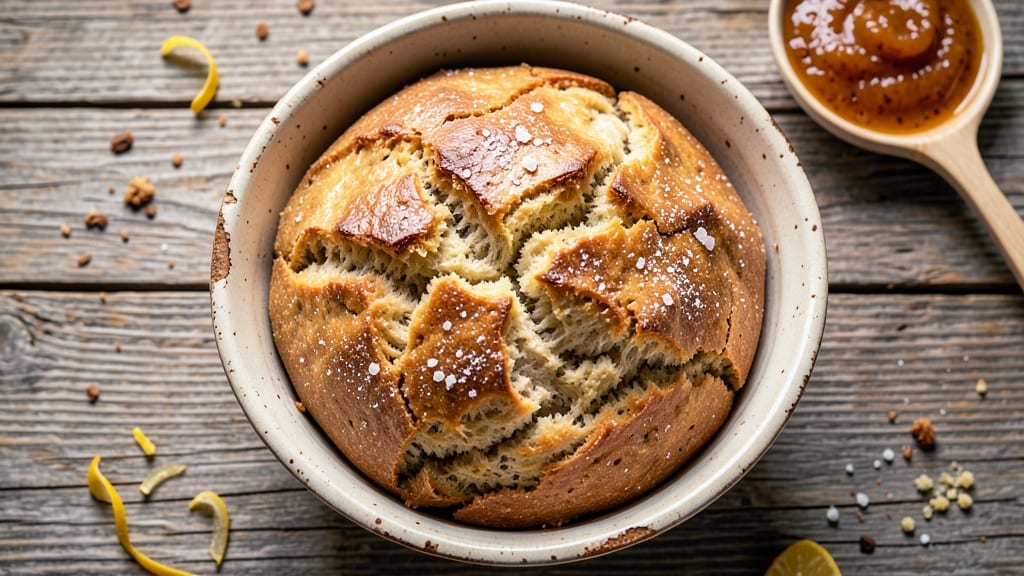
This applesauce yeast bread recipe transforms traditional baking by replacing butter with unsweetened applesauce, creating a tender, moist loaf with a golden crust. The subtle sweetness of applesauce enhances the dough's richness while keeping it lighter than traditional yeast breads.
Perfect for those who want to reduce fat without sacrificing flavor, this recipe delivers a soft, aromatic loaf that pairs beautifully with soups or butter.
The magic lies in the balance of yeast activation and proofing times—critical steps that ensure a perfectly risen loaf. Applesauce replaces butter while adding natural moisture, and a warm spice-infused streusel topping elevates the texture and aroma.
Whether you're baking for a cozy dinner or meal prepping, this bread stays fresh for days and reheats beautifully.
Baking at 350°F (175°C) yields a crust that’s crisp yet tender, with a slightly sweet, buttery finish. The dough’s elasticity comes from proper kneading and proofing, while the applesauce keeps it from drying out.
Ideal for beginners or experienced bakers, this recipe simplifies the process without compromising on taste or texture.
For extra flair, brush the baked loaf with a honey glaze or sprinkle seeds on top before baking. Store in an airtight container to maintain freshness, or freeze slices for quick toast.
This applesauce yeast bread is a versatile staple—equally at home on a breakfast table or as a side dish for roasted meats.
Ingredients for applesauce yeast bread
Moisture-rich applesauce replaces butter in this tender loaf, paired with a spiced streusel topping for perfect texture and aroma.
| Ingredient | Amount | Notes |
|---|---|---|
| Unsweetened Applesauce 🍎 | ½ cup | Unsweetened, no added sugar |
| Active Dry Yeast 🍞 | 2 ¼ tsp | Ensure yeast is fresh and active |
| Warm Water 💧 | 1 cup | 110°F (43°C) for yeast activation |
| All-Purpose Flour 🌾 | 3 ½ cups | Spooned and leveled for accuracy |
| Granulated Sugar 🍚 | ¼ cup | For yeast activation and flavor |
| Salt 🧂 | 1 tsp | Diamond Crystal preferred |
| Large Egg 🥚 | 1 whole | Room temperature for even mixing |
| Unsalted Butter 🧈 | ¼ cup | Cold, cubed for streusel topping |
| Light Brown Sugar 🍯 | ¼ cup | Packed for streusel sweetness |
| Ground Cinnamon 🌿 | 1 tsp | For warm spice infusion |
| Ground Nutmeg 🌶️ | ¼ tsp | Freshly grated preferred |
| All-Purpose Rolled Oats 🥣 | ¼ cup | Quick oats for streusel texture |
| Honey 🍯 | 2 tsp | For optional glaze after baking |
The applesauce is the heart of this recipe—unsweetened and chunk-free ensures the dough stays tender without overpowering flavor. Mott’s or Libby’s unsweetened varieties work best, but homemade is ideal. For yeast activation, always use warm water (110°F/43°C)—too hot kills yeast, too cold slows fermentation. The flour should be all-purpose, not bread flour, as we’re balancing moisture with structure. Store-bought yeast is fine, but test it first by sprinkling in warm water with sugar—it should foam within 5-10 minutes.
No applesauce? Unsweetened applesauce substitute like mashed banana or pumpkin purée works in a pinch (adjust liquid ratios). For the streusel, brown sugar packs more moisture than white, and cold butter creates flakier layers. Skip the nutmeg? Cardamom or allspice adds depth without altering the profile. The egg binds the dough—omit if vegan, replacing with 1 tbsp ground flaxseed + 3 tbsp water. For extra richness, fold in 1 tbsp melted coconut oil with the applesauce, though the recipe stands strong without it.
Store the baked loaf in an airtight container at room temperature for 3-4 days, or freeze slices wrapped in plastic for up to 3 months. Reheat in a 350°F (175°C) oven for 5-7 minutes to restore freshness. The streusel topping hardens as it cools—brush with honey glaze while warm for extra shine. For meal prep, slice and freeze—toast directly from frozen for crispy edges. The dough can also be shaped, covered, and refrigerated overnight for easier morning baking.
Why You'll Love This Recipe
- No-Fuss Dough: I swear by this swap—just mix applesauce into the flour instead of oil or butter. The dough comes together in five minutes (yes, really), and no one will guess you didn’t slave over it.
- Sweet Without Sugar: That touch of applesauce? It keeps the bread soft and slightly sweet without needing extra sugar. The crust gets a golden glow, and the crumb stays tender—like a hug in bread form.
- Weeknight Hero: Slice it for toast, pack it for lunches, or serve it warm with butter. It’s my go-to when I need something reliable: no fancy ingredients, no last-minute stress, just good bread that works every time.
- Budget Magic: Applesauce stretches the dough further than oil, and a single batch feeds my whole family. Leftovers? Toast them up the next day—crispy edges, zero waste, and still delicious. (Between us, this is how I feed my kids on $5.)
Step-by-step instructions for applesauce yeast bread
Here's the method for creating a tender, spice-infused loaf with a buttery crust and moist interior.
Activate the Yeast with Applesauce and Warm Water
In a small mixing bowl, combine the 0.5 cup unsweetened applesauce, 2.25 teaspoons active dry yeast, and 1 cup warm water (about 110°F). Let this mixture sit for 5-10 minutes until it becomes frothy and bubbles form on the surface. This activation step ensures your yeast is alive and ready to work.
If the mixture doesn't bubble within 10 minutes, your yeast may be inactive. In that case, discard it and start fresh with a new packet. The applesauce adds natural sweetness and moisture, which helps create a tender crumb while keeping the bread from drying out during baking.
Mix the Dough and Knead Until Elastic
In a large mixing bowl, whisk together the 3.5 cups all-purpose flour, 0.25 cup granulated sugar, and 1 teaspoon salt. Make a well in the center and pour in the activated yeast mixture along with the 1 whole large egg. Using a wooden spoon, gently mix until a shaggy dough forms.
Transfer the dough to a lightly floured surface and knead for 8-10 minutes until smooth and elastic. You'll know it's ready when it springs back slowly when poked. If the dough feels too sticky, add flour 1 tablespoon at a time until it comes together without sticking. Kneading develops gluten, which gives the bread its structure and chewiness.
Let the Dough Rise Until Doubled in Size
Place the kneaded dough in a lightly greased bowl, cover it with a damp kitchen towel, and let it rise in a warm place for 1-2 hours or until it has doubled in size. The warm environment (you can place the bowl near a slightly warm oven with the light on) helps the yeast work efficiently.
During this time, the dough should become puffy and light. If it doesn't rise properly, it may be too cold. You can also use a proofing box or place the bowl in a turned-off oven with the light on to maintain a consistent temperature. Patience here is key—rushing the rise can result in a dense loaf.
Prepare the Streusel Topping and Shape the Bread
While the dough rises, prepare the streusel topping by combining the 0.25 cup cold unsalted butter, 0.25 cup packed light brown sugar, 1 teaspoon ground cinnamon, 0.25 teaspoon ground nutmeg, and 0.25 cup all-purpose rolled oats in a small bowl. Use a pastry cutter or your fingers to work the butter into the dry ingredients until the mixture resembles coarse crumbs.
Once the dough has risen, punch it down to release any air bubbles. On a lightly floured surface, shape the dough into a 9x5-inch loaf pan, making sure to press it down evenly. Sprinkle the streusel mixture evenly over the top, pressing lightly so it adheres. This topping will add texture and a delightful spiced flavor to every slice.
Bake Until Golden Brown and Internal Temperature Reaches 190°F
Preheat your oven to 375°F. Place the prepared loaf pan on the middle rack and bake for 35-40 minutes until the bread is golden brown and the internal temperature reaches 190°F. The bread should pull away from the sides of the pan and have a crisp crust.
For an optional glaze, brush the top with 2 teaspoons honey diluted with 1 teaspoon warm water after 25 minutes of baking. This will add a subtle shine and extra sweetness. Let the bread cool in the pan for 10 minutes before transferring it to a wire rack. This cooling period allows the bread to set properly, making it easier to slice and preventing a gummy texture.
Pro Tips For Making Applesauce Yeast Bread
- Test Yeast First: Mix the yeast with ¼ cup warm water (110°F) and 1 tsp sugar before adding applesauce—if it doesn’t foam in 5-10 minutes, your yeast is dead or expired. I learned this the hard way after baking a dense brick of dough that smelled like apples and regret.
- Use Cold Applesauce: Chill the unsweetened applesauce in the fridge for 30 minutes before mixing it into the dough. Cold applesauce slows fermentation just enough to give you time to shape the dough without it getting sticky and unruly—trust me, your hands will thank you.
- Skip the Over-Kneading: This dough is delicate—knead just until the flour comes together (about 3-4 minutes by hand). Overworking it will make the bread dense and tough. I used to go overboard, thinking more kneading meant better bread, but less is actually more here.
- Shape Loosely, Let It Rise: Don’t press the dough into a tight loaf. Gently shape it into a ball and tuck the seams loosely—this ensures even rising. If you squish it too hard, the bread will collapse in the oven. (Yes, I’ve seen it happen.)
Troubleshooting perfect results
Dense Dough?
If your dough feels too dense or tough after kneading, you may have overworked the gluten or used too much flour. Try reducing flour by 1-2 tablespoons next time, or knead for 5-7 minutes instead of the full 8-10 minutes.
The applesauce adds moisture, so the dough should be slightly sticky but manageable—not rock-hard. For extra tenderness, add 1 extra tablespoon of applesauce if the dough feels dry.
Flat or Under-Risen Bread
An under-risen loaf usually means the yeast didn’t activate properly or the environment was too cold. First, check your yeast—it should foam within 5-10 minutes when mixed with warm water. If not, discard it and start fresh.
For proofing, place the dough in a warm spot (like a turned-off oven with the light on) to maintain 75-80°F. If using a bowl, cover it with a damp towel to trap heat. Patience is key—wait until the dough doubles in size before baking.
Cracked or Uneven Top
Cracking often happens when the dough rises unevenly or the streusel topping isn’t distributed evenly. To fix this, gently press the streusel into the dough before baking to ensure even coverage.
For a smoother rise, shape the dough into a 9x5-inch loaf pan and let it rise again for 20-30 minutes after shaping. If cracks appear, brush the top with a little egg wash (1 egg + 1 tbsp water) before baking to create a barrier.
Dry or Crumbly Texture
A dry loaf usually means the dough lacked enough moisture or overbaked. To prevent this, ensure your applesauce is unsweetened and chunk-free—blend it if needed. If the dough feels too dry during kneading, add 1-2 tablespoons of warm water or applesauce.
For baking, check the internal temperature with a thermometer—remove the bread at 190°F to avoid over-drying. Store the bread in an airtight container to retain moisture.
Streusel Not Sticking
If your streusel falls off during baking, it’s likely not pressed firmly enough into the dough. Before baking, gently pat the streusel into the top of the loaf so it adheres. For extra grip, lightly brush the dough with egg wash before adding the streusel.
If the topping still doesn’t stick, chill the dough for 15 minutes before shaping—this helps the streusel cling better during baking.
Pale or Bland Flavor
A pale loaf often means the oven wasn’t hot enough or the bread didn’t bake long enough. Preheat your oven for at least 15 minutes and use the middle rack for even heat. For deeper flavor, broil the bread for 1-2 minutes at the end of baking to enhance browning.
If the flavor feels bland, boost the spices in the streusel—add ½ tsp extra cinnamon or nutmeg for warmth, or sprinkle toasted oats on top before baking for extra crunch. 🌟
Nutrition facts
Frequently asked questions
Can I substitute applesauce with another fruit puree?
Yes! For a similar texture, use unsweetened pumpkin purée or mashed banana (reduce by 2 tablespoons due to higher moisture content). Avoid sweetened varieties—the extra sugar can overpower the dough. For a neutral flavor, plain Greek yogurt works too (use ½ cup instead).
Why does my dough feel too sticky?
The applesauce adds natural moisture, so stickiness is normal! If it’s unmanageable, add flour 1 tablespoon at a time while kneading. For extra control, chill the dough for 15-20 minutes before shaping—this firms it up without drying. A lightly floured surface helps too.
How do I make this bread vegan?
Replace the 1 egg with 1 tbsp ground flaxseed + 3 tbsp water (let sit for 5 minutes to thicken). For the streusel, use vegan butter or coconut oil instead of butter. The applesauce is already plant-based! Proofing times may extend slightly—monitor the dough closely for doubling.
Can I bake this in a different pan shape?
For a round loaf, shape into a ball and bake in a 9-inch round pan (adjust baking time to 30-35 minutes). For free-form bread, shape on a baking sheet and bake at 350°F (175°C) for 25-30 minutes. The streusel will spread differently—press it firmly to prevent sliding.
How long can I keep the dough before baking?
After the first rise, you can refrigerate the shaped dough (with streusel) for up to 24 hours. Let it sit at room temperature for 1 hour before baking to wake up the yeast. For longer storage, freeze the dough (unbaked) for up to 1 month—thaw overnight in the fridge before baking.