
Side Dishes
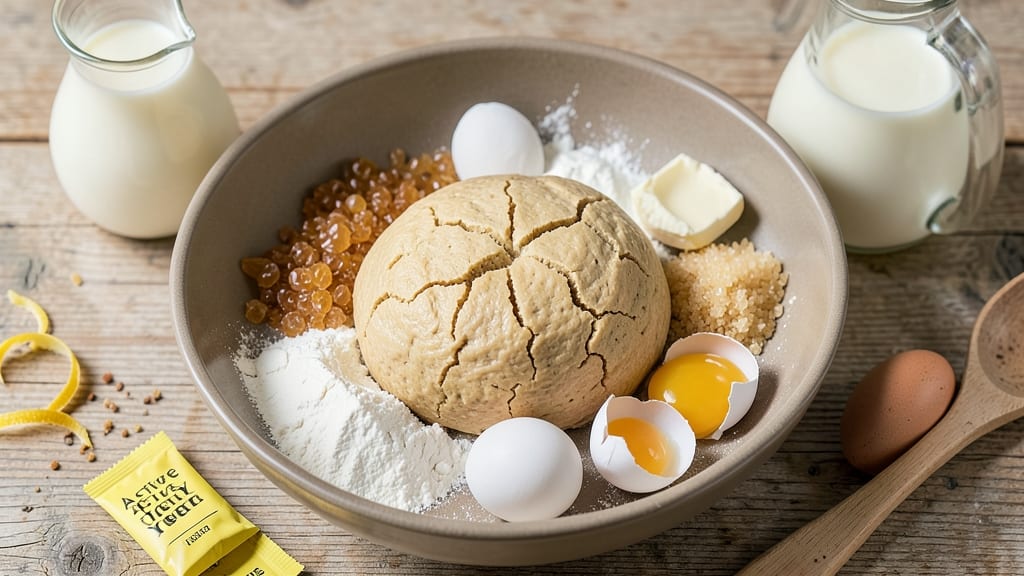
This Amish sweet bread starter recipe brings the comforting warmth of a Pennsylvania farmhouse to your kitchen, where golden crusts hide layers of spiced streusel and tender, buttery dough. The secret lies in a slow-fermented starter—like a sourdough's cousin—that develops deep, nutty complexity over time.
I’ve perfected this version after years of baking, ensuring the crust stays crisp while the interior remains soft and fragrant with cinnamon and nutmeg.
The process begins with a simple yeast starter, but the magic happens during the long, cool rise—traditionally done in a stone jar overnight. This method mimics old-world techniques, creating a bread with a texture that’s almost impossibly tender yet sturdy enough to hold generous dollops of streusel.
The dough comes together in just 15 minutes of mixing, but the waiting is worth it for that first slice, still warm from the oven.
What you’ll end up with is a loaf that looks like it belongs in a country bakery—golden, streusel-speckled, and crackling at the edges. The aroma alone will have everyone gathering around the table, while the flavor balances sweetness with warmth from the spices.
This isn’t just bread; it’s a centerpiece for holidays, a gift for neighbors, or the perfect way to start your morning.
Best of all, the starter can be made ahead and stored in the fridge, so you’re always ready for company or a cozy Sunday breakfast. Let’s get started on creating this timeless classic.
Ingredients for amish sweet bread starter
Four cups of flour, a packet of yeast, and milk so warm it melts butter like Pennsylvania sunshine.
| Ingredient | Amount | Notes |
|---|---|---|
| Active Dry Yeast 🍞 | 0.03 oz | 1 packet or 2¼ tsp |
| All-Purpose Flour 🌾 | 4 cups | White, bread flour preferred |
| Granulated Sugar 🍚 | ¼ cup | White sugar, not brown |
| Unsalted Butter 🧈 | ½ cup | Cold, cubed for starter |
| Warm Whole Milk 🥛 | 1 cup | 110°F, not boiling |
| Large Eggs 🥚 | 2 whole | Room temperature |
| Ground Cinnamon 🍃 | 1 tbsp | Freshly ground preferred |
| Ground Nutmeg 🌿 | ½ tsp | Freshly grated preferred |
| Salt 🧂 | ½ tsp | Fine sea salt |
| Old-Fashioned Oats 🌾 | 1 cup | Blended into flour |
| Brown Sugar 🍚 | ½ cup | Packed, for streusel |
| Light Brown Sugar 🍚 | ¼ cup | For streusel sweetness |
| All-Purpose Flour (extra) 🌾 | 1 cup | For streusel mixture |
| Cold Unsalted Butter 🧈 | ½ cup | Cubed, for streusel |
The yeast is non-negotiable here—Fresh yeast from the refrigerated section (not the baking aisle) gives you the best rise. Bob’s Red Mill or King Arthur are my go-tos for flour, but any all-purpose works. Oats? Quaker Old-Fashioned is the gold standard—no steel-cut, no instant. The milk needs to be warm enough to dissolve sugar but not hot enough to kill the yeast (110°F is perfect). I always test it by dipping my finger in—should feel like bathwater, not scalding. The butter? Land O’Lakes or Plugrá for that rich, creamy flavor that makes the crust sing.
No brown sugar? White sugar plus a pinch of molasses works in a pinch. Short on oats? Crushed graham crackers add texture without changing the vibe. The streusel can be made ahead—just store it in the fridge for up to 3 days or freeze it for 3 months. For the dough, if you’re in a rush, instant yeast instead of active dry cuts proofing time by 15 minutes. And trust me on the nutmeg—freshly grated (not pre-ground) makes all the difference in that warm, spiced aroma. The dough will feel sticky, but resist the urge to add more flour—it needs that moisture for that tender crumb.
This starter keeps for 5 days in the fridge if covered tightly with plastic wrap. For longer storage, freeze it for up to 3 months—just thaw overnight in the fridge before using. The streusel? Store it in an airtight container with a slice of bread to absorb moisture, and it’ll stay fresh for 2 weeks. I always make extra streusel—it’s perfect on pancakes or yogurt when the bread is gone. And if you’re planning ahead, the dough can be shaped and frozen before baking—just thaw it in the fridge overnight before popping it in the oven.
Why You'll Love This Recipe
- No Yeast Wasted: I swear by this starter—just a small batch of flour, sugar, and yeast in warm milk. It’s the perfect way to use up a tiny packet of yeast without committing to a whole loaf. Honestly, I keep a jar in the fridge just for this.
- Butter-Soft Richness: That cube of cold butter cutting into the flour creates flaky layers you won’t believe. The sugar caramelizes just enough to give it a subtle sweetness that lingers. (Yes, even on a Tuesday night.)
- Starter for Life: Use it for sweet bread, cinnamon rolls, or even savory biscuits—this dough is the backbone of half my baking. Between us, I’ve made it stretch for three different recipes in one week.
- Fridge-Friendly Magic: Make a big batch, store it in the fridge for days, and pull it out whenever you need it. No last-minute scrambling, no wasted ingredients—just pure convenience. My wallet (and my taste buds) thank me.
Step-by-step instructions for Amish sweet bread
Let's create this comforting classic with a tender crumb and irresistible streusel topping.
Prepare the Starter Dough
In a large mixing bowl, combine the 4 cups all-purpose flour, 0.5 tsp salt, 1 tbsp ground cinnamon, and 0.5 tsp ground nutmeg. Mix these dry ingredients together until evenly distributed—this ensures the warm spices are perfectly incorporated throughout the dough.
Create a well in the center and add the 0.03 oz active dry yeast, 0.25 cup granulated sugar, 0.5 cup cold unsalted butter (cubed), and 1 cup warm whole milk (about 110°F). Gently mix with a wooden spoon until a shaggy dough forms. The butter should still have small cold pieces—this creates that signature flaky texture.
Add the 2 whole large eggs and mix until fully incorporated. The dough will be sticky but should come together when pressed. If it's too dry, add 1-2 teaspoons of warm milk; if too wet, sprinkle in 1 tablespoon of flour. Cover the bowl with a damp towel and let rest for 10 minutes—this helps the gluten relax and makes shaping easier.
Shape and Prepare the Dough
Turn the dough onto a lightly floured surface and gently knead for 2-3 minutes until smooth. Divide into 4 equal portions (about 1 pound each) and shape each into a round loaf. Place them in a 9x13-inch baking dish, spacing them about 2 inches apart—this allows room for rising and creates that classic Amish sweet bread shape.
Cover the baking dish with a clean kitchen towel and let the dough rise in a warm place for 1-1.5 hours, or until the dough has nearly doubled in size. You'll know it's ready when the tops look puffy and the dough springs back slowly when gently pressed. This rising time develops the bread's signature tender crumb.
Make the Warm Spice Streusel
While the dough rises, prepare the streusel topping in a medium bowl. Pulse the 1 cup old-fashioned oats in a food processor until they resemble coarse flour—this creates a finer texture that blends beautifully into the dough. Transfer the oats to the bowl.
Add the 1 cup extra all-purpose flour, 0.5 cup brown sugar, 0.25 cup light brown sugar, and the 0.5 cup cold unsalted butter (cubed). Use your fingers or a pastry cutter to work the butter into the dry ingredients until the mixture resembles coarse crumbs with some pea-sized butter pieces remaining. This texture is crucial—it creates pockets of butter that melt into golden streusel as the bread bakes.
Assemble and Bake to Perfection
Preheat your oven to 375°F and place a baking sheet on the middle rack. Once the dough has risen, sprinkle the streusel mixture evenly over the tops of the loaves, pressing down gently to adhere. The streusel should cover about half of each loaf, leaving the sides exposed for that beautiful contrast of golden crust and buttery topping.
Bake for 30-35 minutes until the bread is deep golden brown and the streusel is bubbly and golden. The internal temperature should reach 190°F when checked with an instant-read thermometer. If the streusel browns too quickly, tent the baking dish loosely with foil during the last 10 minutes of baking.
Rest and Serve Warm
Remove the bread from the oven and let it cool in the baking dish for 10 minutes. This resting period allows the bread to set slightly and makes slicing easier. Transfer to a wire rack and serve warm—this is when the bread is at its best, with a tender crumb and that irresistible buttery streusel.
For the ultimate experience, brush the warm bread with a little melted butter and sprinkle with a pinch of cinnamon. The contrast of the warm, spiced streusel against the soft, buttery bread is what makes this Amish sweet bread so special. Store any leftovers wrapped in foil at room temperature for up to 2 days, or freeze for up to 3 months—just reheat in a 350°F oven for 10 minutes to restore that fresh-baked warmth.
Pro Tips For Making Amish Sweet Bread Starter
- Test Yeast First: Skip the guesswork—mix 1 packet of yeast with ¼ cup warm milk and 1 tsp sugar in a small bowl. If it bubbles within 5 minutes, your starter’s ready to go. No bubbles? Your yeast might be dead or your milk too hot, and you’ll save yourself a sad, flat loaf.
- Use Room-Temp Butter: Softened butter mixes better than cold chunks, but don’t melt it—just let it sit out for 15–20 minutes until it’s pliable. Cold butter creates lumps that won’t dissolve, and melted butter can kill the yeast faster than you’d think.
- Don’t Over-Knead: This starter doesn’t need the workout—knead just until the dough pulls away from the bowl (about 3–4 minutes). Overwork it, and you’ll develop too much gluten, making the bread dense instead of tender and sweet.
- Cover Loosely: Tent the bowl with plastic wrap and a clean kitchen towel—this traps moisture without suffocating the yeast. Too tight, and condensation drowns the starter; too loose, and it dries out. Find the Goldilocks spot.
Troubleshooting this recipe
Dough Too Sticky
If your dough feels impossibly sticky, resist the urge to add more flour—this can make the bread dense. Instead, wet your hands slightly and gently press the dough together. I find that letting it rest for an extra 5-10 minutes under the damp towel helps it come together more easily.
If you must add flour, use just 1 tablespoon at a time, and mix it directly into the dough rather than sprinkling it on the surface.
Streusel Not Adhering
The streusel topping should stick to the dough, but if it crumbles off, try pressing it down firmly with the back of a spoon. For extra grip, lightly brush the dough with melted butter before adding the streusel.
Another trick? Chill the dough for 15 minutes in the fridge before baking—this helps the streusel set better and prevents it from sliding off during baking. 💡
Uneven Rising
If your dough rises unevenly, check your yeast first—old yeast won’t activate properly. Ensure your milk is 110°F (not hotter) and that you’re using active dry yeast, not instant.
For a more consistent rise, place the dough in a warm spot like a turned-off oven with the light on or a proofing box. If one loaf rises faster, rotate the baking dish halfway through proofing to even out the heat.
Dense or Heavy Texture
A dense loaf usually means over-kneading or too much flour. Knead just until smooth (2-3 minutes total), and avoid over-handling the dough. For extra tenderness, let the dough rise in a cooler environment (70-75°F)—this slow rise develops better flavor and a lighter texture.
If the bread still feels heavy, try adding 1 extra tablespoon of butter to the dough for richness.
Streusel Burning Too Fast
If the streusel browns too quickly while the dough is still underbaked, tent the baking dish with foil for the last 10 minutes of baking. For a more controlled bake, try reducing the oven temperature to 350°F for the final 15 minutes.
Another tip? Use light brown sugar instead of dark for a less intense caramelization. The streusel should be golden and bubbly, not blackened.
Starter Not Activating
If your starter isn’t bubbly after 10 minutes, your yeast may be dead or the milk too hot. Double-check the yeast expiration date and test the milk temperature with a thermometer—it should feel like bathwater.
For a quick fix, add 1 extra teaspoon of sugar to feed the yeast. If it still doesn’t activate, start fresh with new yeast and warm milk. 🍞
Nutrition facts
Frequently asked questions
Can I make this Amish sweet bread without a food processor for the streusel?
Pulse the 1 cup oats in a ziplock bag with a rolling pin until finely ground, or coarsely chop them with a knife. The texture will be slightly less uniform, but it still creates delicious flavor pockets. For the butter, use your fingers to work it into the dry ingredients until pea-sized pieces remain—this mimics the food processor's effect.
How do I know when the dough is fully risen?
Press your finger gently into the dough. If it springs back slowly (like Jell-O) and leaves a slight indentation, it's ready. The dough should also look puffy and nearly double in size. For visual confirmation, check the edges—when they pull away from the sides of the baking dish, that's your cue!
Can I substitute butter with oil for a lighter version?
You can try using melted coconut oil or vegetable oil in place of butter, but the flavor and texture will differ. The butter creates that signature rich, flaky crust and tender crumb. For a lighter option, reduce the butter to 0.25 cup and add 1 extra tablespoon of milk to maintain moisture.
What's the best way to store leftover Amish sweet bread?
Wrap slices tightly in foil and store at room temperature for up to 2 days. For longer storage, freeze individual slices in a ziplock bag for 3 months. To reheat, warm in a 350°F oven for 10 minutes or microwave for 20 seconds covered with a damp paper towel for softness.
Why does my streusel turn out crumbly instead of sticky?
This usually happens when the butter melts too quickly during mixing. Work the cold butter into the dry ingredients until you have pea-sized pieces, not a smooth paste. Also, ensure your oats are finely ground—coarse oats absorb less moisture. Chill the streusel for 15 minutes before using to help it hold together better.