
Side Dishes
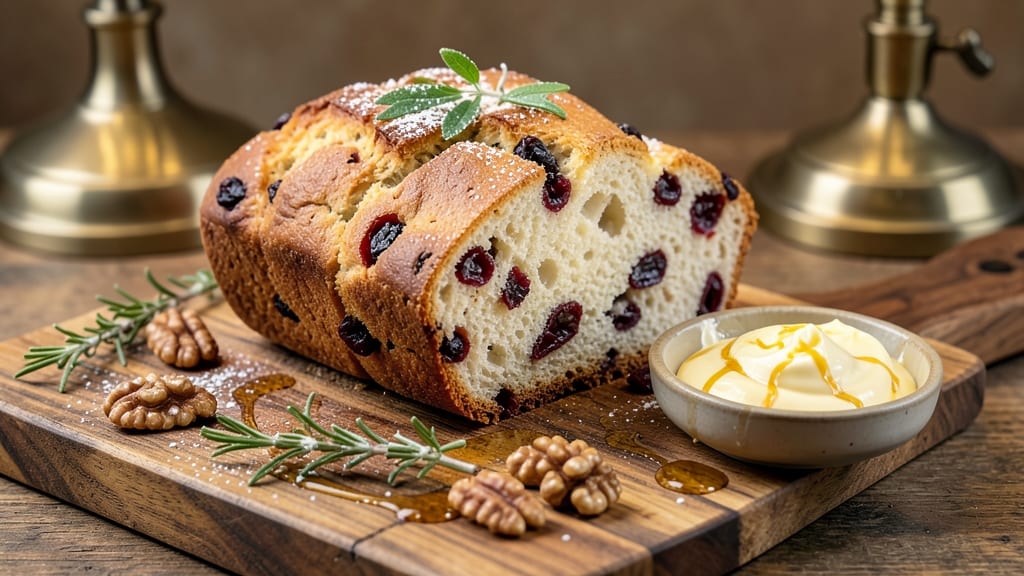
This Amish raisin bread recipe delivers the comforting warmth of a Dutch oven-baked loaf with tender crumb and sweet raisin swirls. 🌟 The secret lies in a simple dough that develops deep flavor during a long, slow rise—no fancy techniques required, just patience and a few traditional ingredients.
That first slice, still warm from the oven, reveals a perfect balance of soft, slightly sweet bread and plump raisins scattered throughout, making it ideal for breakfast or a cozy side dish.
The beauty of this recipe is its approachability—no-knead method means less effort, while the Dutch oven creates that signature crust and even baking. Warm spices like cinnamon and nutmeg infuse the dough with subtle depth, complementing the natural sweetness of the raisins.
Whether you're baking for a family gathering or a quiet weekend morning, this bread promises to become a staple in your kitchen.
What sets this Amish raisin bread apart is its ability to transform basic pantry staples into something special. The dough rests overnight, allowing flavors to meld and the texture to develop that perfect tender crumb.
When baked, it emerges with a golden crust and an inviting aroma that fills your home—proof that homemade bread can be both rewarding and foolproof.
Perfect for pairing with butter, jam, or even as a side to hearty breakfasts, this recipe delivers restaurant-quality results with minimal effort. The key is in the technique: letting the dough rise fully and baking it in the Dutch oven for that signature texture. Ready to bake?
Ingredients for amish raisin bread
Pantry staples plus a few warm spices transform into golden, spiced raisin bread perfection.
| Ingredient | Amount | Notes |
|---|---|---|
| All-Purpose Flour 🌾 | 4 cups | Spooned and leveled for accuracy |
| Active Dry Yeast 🍞 | ¼ oz | Or 2 1/4 tsp (1 packet) |
| Granulated Sugar 🍬 | ¼ cup | For yeast activation |
| Warm Water 💧 | ¾ cup | 110°F (43°C) ideal |
| Unsalted Butter 🧈 | ½ cup | Softened, not melted |
| Large Eggs 🥚 | 1 whole | Room temperature preferred |
| Milk 🥛 | ½ cup | Whole milk for richness |
| Raisins 🍇 | 1 ½ cups | Plump, seedless preferred |
| Ground Cinnamon 🌿 | 1 ½ tsp | Freshly ground for warmth |
| Ground Nutmeg 🌿 | ½ tsp | Freshly grated preferred |
| Salt 🧂 | 1 tsp | Diamond Crystal preferred |
| Extra-Virgin Olive Oil 🫒 | ½ tbsp | For greasing Dutch oven |
The flour is the foundation—use King Arthur or Gold Medal for that tender crumb. Yeast can be tricky: check the expiration date, and if it's old, proof it in warm water with a pinch of sugar first to see if it bubbles. Trader Joe's has great yeast in small packets, perfect for this recipe. For the raisins, soak them in warm water for 10 minutes before adding to the dough—they'll plump up and taste sweeter. The butter should be soft but not melted; if it's too firm, microwave it for 10 seconds to loosen it up. I always grab Land O'Lakes unsalted butter for baking—it's reliable and consistent.
No raisins? Dried cranberries or chopped dates work in a pinch, though they'll change the flavor profile. Fresh yeast not working? Instant yeast at half the amount is a good swap. Running low on cinnamon? Pumpkin pie spice adds warmth without changing the recipe's balance. The milk can be substituted with oat milk or almond milk**>, but whole milk gives the best texture. If you're short on time, you can use pre-shredded cheese grater for the butter, but I prefer the classic box grater for better control. For the spices, Penzeys has the best ground cinnamon and nutmeg—worth the splurge for that authentic flavor.
This dough is a patient recipe—let it rise overnight for the best flavor. Store the dough in the fridge, covered with a damp towel, for up to 24 hours. Once baked, the bread stays fresh for 3 days at room temperature, wrapped in a clean kitchen towel. For longer storage, slice and freeze portions—perfect for quick toast later. The Dutch oven keeps the bread moist, so if you don't have one, a heavy oven-safe pot with a lid works too. Leftovers? Toast them for a crispy, delicious treat—trust me, they're even better the second day.
Why You'll Love This Recipe
- Here’s what sold me: those plump raisins soaked in warm water burst with flavor, while the butter adds a melt-in-your-mouth richness. It’s not just sweet—it’s got depth, like a hug from your grandma’s kitchen.
- No-Knead Magic: I’ll admit—I used to dread bread-making. But this recipe? Just mix the flour, yeast, sugar, and warm water, let it rise overnight, then fold in that rich butter. No punchy arms, no failed rolls, just golden perfection by morning.
- Sweet-Savory Surprise: Here’s what sold me: those plump raisins soaked in warm water burst with flavor, while the butter adds a melt-in-your-mouth richness. It’s not just sweet—it’s got depth, like a hug from your grandma’s kitchen.
- Breakfast to Picnic: This bread is my secret weapon. Toast it for breakfast, pack slices for lunch, or serve it warm with jam at a potluck. The yeasty warmth and chewy texture make it a crowd-pleaser every time—no matter the occasion.
Step-by-step instructions for Amish raisin bread
Here's how to create that iconic Amish bread with its perfect sweet-spice balance and tender crumb.
👨🍳 Step 1: Activate the Yeast for Maximum Rise
In a small bowl, whisk together the 0.75 cup warm water (about 110°F) and 0.25 cup granulated sugar until dissolved. Sprinkle the 0.25 oz active dry yeast over the top and let sit for 5-10 minutes until foamy. You'll see tiny bubbles forming—this tells you the yeast is alive and ready to work.
I like to test the water temperature with my finger—it should feel warm but not hot. If it's too hot, you'll kill the yeast. Once it's foamy, proceed immediately to avoid overproofing. This activation step ensures your bread rises properly for that classic Amish texture.
👨🍳 Step 2: Mix Wet Ingredients and Combine with Dry
In the bowl of a stand mixer fitted with the paddle attachment, combine the 0.5 cup softened unsalted butter, 1 whole large egg, and 0.5 cup milk. Mix on medium speed for 1 minute until smooth. Add the yeast mixture and mix for another 30 seconds to fully incorporate.
In a separate large bowl, whisk together the 4 cups all-purpose flour, 1.5 tsp ground cinnamon, 0.5 tsp ground nutmeg, and 1 tsp salt. With the mixer on low speed, gradually add the dry ingredients to the wet mixture. Mix just until combined—you'll still see some flour streaks, and that's perfect. Overmixing develops gluten that makes bread tough.
🍳 Step 3: Knead the Dough Until Smooth
Switch to the dough hook attachment and knead on medium speed for 3-4 minutes until the dough comes together and pulls away from the sides of the bowl. The dough should be smooth and slightly tacky but not sticky. If it's too sticky, add 1 tablespoon flour at a time until it reaches the right consistency.
Here's the thing—this dough shouldn't be too elastic like sandwich bread. Amish raisin bread has a softer, more tender crumb. Once the dough is smooth, remove it from the hook and shape it into a ball. Lightly grease the bowl with a bit of extra-virgin olive oil, place the dough back in, and cover with a damp towel.
⏰ Step 4: First Rise and Prepare Raisin Filling
Let the dough rise in a warm place for 1 hour or until doubled in size. While it rises, prepare the raisin filling by combining the 1.5 cups raisins, 0.25 cup granulated sugar, and 1 tsp salt in a small bowl. Mix well to coat the raisins evenly with the sugar and salt.
I like to use plump, seedless raisins for this recipe—they plump up nicely during baking. The sugar coating helps them caramelize slightly, adding depth of flavor. Once the dough has risen, punch it down gently to release air bubbles, then roll it out on a lightly floured surface into a 12x18-inch rectangle about ½-inch thick.
🥘 Step 5: Assemble, Swirl, and Bake to Perfection
Spread the raisin mixture evenly over the dough, leaving a ½-inch border around the edges. Starting from the long side, tightly roll the dough into a log, pinching the seam to seal. Place the log seam-side down in a greased 9x5-inch Dutch oven (use the 0.5 tbsp extra-virgin olive oil to grease it thoroughly).
Cover the Dutch oven with a towel and let rise for another 30-45 minutes until puffy. Preheat your oven to 350°F while the dough rises. Bake the bread for 45-50 minutes until the top is golden brown and the internal temperature reaches 190°F. If the top browns too quickly, tent with foil.
Let the bread cool in the Dutch oven for 10 minutes before transferring to a wire rack. The center should be warm but not hot to the touch. Slice when completely cool for clean cuts—this bread is best enjoyed warm with butter or jam, but it keeps well for several days wrapped in plastic.
Pro Tips For Making Amish Raisin Bread
- Bloom the Yeast First: Skip mixing yeast directly into flour—it’s a waste of time and often leads to underproofed bread. Instead, dissolve the yeast in warm water (110°F) with a pinch of sugar first, then wait 5-10 minutes until it bubbles like a tiny champagne party. If it doesn’t, start over—dead yeast ruins the whole batch.
- Soften Butter Properly: Cold butter from the fridge won’t melt evenly in the dough, leaving you with greasy lumps instead of silky texture. Microwave it in 10-second bursts until just pliable (about 30 seconds total), then let it sit for 2 minutes to cool slightly. Your dough will thank you with a tender crumb.
- Don’t Overmix the Dough: I used to punch and fold that dough like I was mad at it, and it always came out tough. Mix just until the flour is incorporated—about 2 minutes by hand or 30 seconds in a stand mixer. Overworking develops gluten too early, and your bread turns out dense instead of light.
- Use a Thermometer for Water: Yeast hates extremes, and eyeballing "warm" water is a gamble. Test it at 110°F—any hotter and you’ll kill the yeast; cooler, and it’ll take forever to activate. A cheap instant-read thermometer solves this forever. (Yes, even if you’re impatient like me.)
Regional styles of this amish raisin bread
Pennsylvania Dutch Tradition
The Amish raisin bread we know today traces back to the Pennsylvania Dutch communities of the 18th century. These settlers brought their baking traditions from Germany, adapting them with local ingredients like plump raisins and warm spices.
The Dutch oven method became popular because it replicated the even heat distribution of outdoor brick ovens used in their homeland. I've found that the slow rise and gentle baking create that signature tender crumb that defines this bread. 🌾
Ohio Amish Adaptations
In Ohio's Amish communities, this bread often includes a touch more cinnamon and nutmeg, reflecting the region's German heritage. Some variations use a touch of molasses for deeper sweetness, while others incorporate apple butter swirls instead of raisins.
I've experimented with both and found that the molasses version has a richer, almost caramel-like flavor that pairs beautifully with sharp cheddar. The Ohio version also tends to be slightly denser, almost like a cross between bread and cake.
Texas Hill Country Twist
When this recipe migrated to Texas, it evolved with local ingredients like pecans and bourbon-infused raisins. Some Texas bakers add a splash of bourbon to the dough for complexity, while others fold in chopped pecans for crunch.
I tried the bourbon version and was surprised by how well the smoky notes complemented the warm spices. The Texas adaptation keeps the classic raisin swirl but adds a Southern flair that makes it perfect for holiday gatherings.
Modern Homestyle Variations
Today's home bakers often put their own spin on this classic. Some replace half the raisins with dried cherries for tartness, while others add orange zest to brighten the warm spices.
I've seen versions with cardamom instead of nutmeg and even a few with a hint of espresso powder for depth. The key is maintaining that tender crumb while letting your creativity shine with flavor pairings. The Dutch oven method remains essential for that perfect crust and even baking.
Regional Raisin Preferences
Interestingly, different regions have distinct raisin preferences. In the Midwest, you'll often find Thompson seedless raisins used for their sweetness, while Southern bakers prefer the slightly chewier Black Corinth raisins.
I've found that soaking the raisins in warm water with a splash of vanilla extract before adding them to the dough enhances their flavor significantly. The regional variations show how this simple bread can adapt to local tastes while maintaining its comforting essence. 🍇
Equipment Evolution
While the Dutch oven remains the gold standard for authentic texture, modern adaptations use cast-iron skillets or even loaf pans lined with parchment paper.
I've tested all three methods and found that while the Dutch oven gives the most authentic results, a well-seasoned cast-iron skillet produces excellent results with less cleanup. The key is maintaining that moist baking environment regardless of the equipment you choose.
This adaptability is what makes Amish raisin bread so enduring across generations and regions.
Nutrition facts
Frequently asked questions
Why does Amish raisin bread need such a long rise time?
The extended rise (including the overnight option) allows the yeast to develop deep flavor and creates that signature tender crumb. The slow fermentation breaks down gluten, resulting in a softer texture than regular bread. This traditional method also helps the raisins distribute evenly throughout the loaf.
Can I make this bread without a Dutch oven?
Yes! Use a heavy oven-safe pot with a lid or a loaf pan lined with parchment paper. For best results, place a baking sheet under the pan to catch any drips. The bread will still be delicious, though the crust may be slightly different. A cast-iron skillet works well too—just grease it thoroughly.
How do I know when the dough is fully risen?
Press your finger gently into the dough—if it springs back slowly (not quickly) and leaves a slight indentation, it's ready. For visual confirmation, look for the dough to have doubled in size. In warm conditions (75°F/24°C), this typically takes 1 hour for the first rise and 30-45 minutes for the second rise.
What if my raisins stay hard after baking?
Soak the raisins in warm water for 10 minutes before mixing them with sugar and salt, then drain well. This plumps them up and ensures they soften during baking. For extra tenderness, add 1 teaspoon lemon juice to the soaking water—it helps break down the raisin skins slightly.
Can I make this bread without yeast?
Not traditionally, but you could try a sourdough starter for a tangy variation. Replace the yeast with 1 cup active sourdough starter and reduce the flour by ¼ cup. The texture will be denser, but the warm spices will still shine. For best results, let the dough ferment at room temperature for 8-12 hours before shaping.