
Side Dishes
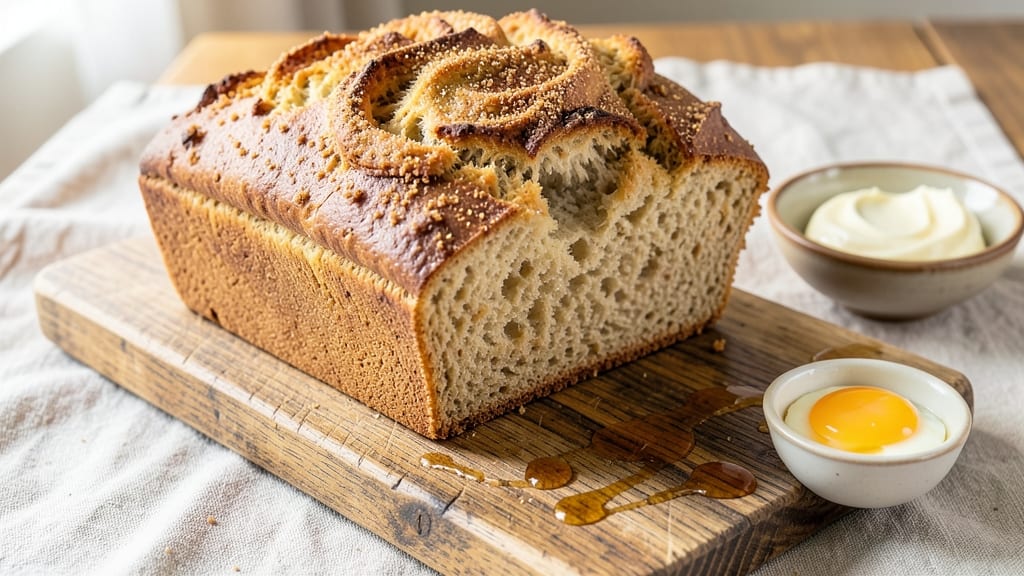
This Amish sourdough cinnamon bread recipe brings old-world charm to your kitchen with its signature rustic swirls and golden crust. 🌾 The secret lies in a long fermentation—just like traditional Amish baking—where time transforms simple ingredients into tender, flavorful loaves with a crispy crown.
I’ve perfected this method to balance sweet cinnamon swirls with the tangy depth of sourdough, creating a bread that’s both comforting and impressive.
The process starts with a robust sourdough starter, but don’t worry—even beginners can achieve that signature tang with patience and care.
We’ll mix a simple dough, let it rise slowly for maximum flavor, then shape it into a classic pull-apart loaf with a cinnamon-sugar swirl that caramelizes beautifully in the oven. The result?
A bread with a crusty exterior, a soft, pillowy crumb, and pockets of sweet, buttery cinnamon that make every bite irresistible.
This recipe delivers restaurant-quality results at home, perfect for breakfast with butter and jam or as a sweet accompaniment to coffee. The long fermentation not only enhances flavor but also makes the bread easier to digest—just like the Amish tradition intended.
Whether you’re baking for a family gathering or treating yourself to a homemade indulgence, this bread is a game-changer.
Ready in about 8 hours (including fermentation), this loaf is worth the wait. The key to success? A warm environment for proofing and a hot oven for baking. Once you try this method, you’ll never go back to store-bought again. Let’s get baking!
Ingredients for amish sourdough cinnamon bread
Here's what you need for that golden crust and buttery cinnamon swirl—rustic Amish charm in every bite.
| Ingredient | Amount | Notes |
|---|---|---|
| Active Sourdough Starter 🍞 | ½ cup | 100% hydration, bubbly and active |
| All-Purpose Flour 🌾 | 4 cups | Unbleached, high-protein preferred |
| Granulated Sugar 🍚 | ¼ cup | White or light brown |
| Unsalted Butter 🧈 | ½ cup | Cold, cubed, full-fat |
| Large Eggs 🥚 | 2 whole | Room temperature |
| Milk 🥛 | ½ cup | Whole milk, warmed |
| Salt 🧂 | 1 tsp | Diamond Crystal kosher |
| Ground Cinnamon 🌿 | ¼ cup | Freshly ground preferred |
| Light Brown Sugar 🍚 | ¼ cup | Packed, for swirl |
| Vanilla Extract 🌸 | 1 tsp | Pure, high-quality |
| Cornmeal 🌽 | ¼ cup | For dusting pan |
| Coarse Sugar 🍚 | ⅛ cup | For topping (optional) |
The sourdough starter is non-negotiable here—it’s what gives that signature tang. King Arthur or Bob’s Red Mill flours work best for this recipe, but any high-protein all-purpose will do. If you’re new to sourdough, grab a pre-made starter from a trusted baker or use a 100% hydration ratio (equal parts flour and water). For the butter, Plugrá or Land O’Lakes are my go-tos—full-fat is key for that rich flavor. The cinnamon? Penzeys or McCormick ground cinnamon has the best aroma, but any fresh-ground will do. Pro tip: warm the milk just until it’s cozy to the touch—it helps activate the yeast in the starter.
No sourdough starter? Use 1 packet (2.5 tsp) active dry yeast instead, but you’ll miss that deep, tangy flavor. Swapping the brown sugar for white? Add 1 tbsp extra sugar to compensate for the molasses flavor. Running low on vanilla? Vanilla bean paste or even a scraped vanilla bean works wonders. The cornmeal isn’t just for dusting—it adds a subtle crunch to the crust. If you’re feeling fancy, toast the cornmeal lightly before using it for extra depth. And for that golden crown? Don’t skip the egg wash—it’s the secret to that restaurant-quality shine.
This dough is a patient one—it needs time to develop flavor. Keep it at 78°F (25°C) for proofing using an oven with the light on or a proofing box. If your kitchen’s too cold, place the dough bowl on top of your fridge for consistent warmth. The bread keeps well for 3 days at room temperature wrapped in a cloth, or 1 week in the fridge if you slice and freeze it. For serving, toast slices until golden—that’s when the cinnamon swirls get extra gooey. Leftovers? Freeze sliced bread for up to 3 months—perfect for quick breakfasts.
Why You'll Love This Recipe
- No-Knead Magic: That sourdough starter does all the heavy lifting—just mix, rest, and bake. I swear, the dough comes together in five minutes of active work, and the tangy-sweet aroma while baking? Worth every second.
- Buttery Cinnamon Bliss: The moment you slice into that warm loaf—soft, pillowy crumb with a crackly crust—you’ll understand why this isn’t just bread. That butter and sugar swirled into the dough? It’s like biting into a hug.
- Breakfast to Dessert: Serve it toasted with jam for breakfast, split in half for a sandwich, or drizzle with melted butter and honey as a sneaky treat. Honestly, I’ve lost track of how many ways my family has repurposed this loaf.
- Leftovers That Last: One batch feeds us for days—freeze slices for quick toast, pack it for lunches, or stash it in the fridge for up to a week. And because it’s made with pantry staples, it’s the kind of recipe that never feels like a splurge.
Step-by-step instructions for Amish sourdough cinnamon bread
Here's how to craft that signature rustic swirl with a crackly crust—no shortcuts, just pure homestyle baking.
👨🍳 Step 1: Mix the Sourdough Dough
In a large mixing bowl, combine the 0.5 cup active sourdough starter, 4 cups all-purpose flour, 0.25 cup granulated sugar, and 1 tsp salt. Mix with a wooden spoon until just combined—you'll see a shaggy dough form with flour streaks still visible. This ensures we don't develop too much gluten, which keeps the bread tender.
Next, add the 2 whole large eggs (room temperature) and 0.5 cup warmed whole milk, mixing gently until incorporated. The dough should come together into a soft, slightly sticky mass. I like to use my hands here to feel the texture—it should be pliable but not wet. If it's too sticky, add 1 tablespoon flour at a time until it's workable.
👨🍳 Step 2: Prepare the Cinnamon Swirl Filling
In a small bowl, whisk together 0.25 cup light brown sugar, 0.25 cup ground cinnamon, and 1 tsp vanilla extract until fully combined. This is the heart of your bread's flavor—don't skip the vanilla, it deepens the spice profile. Set this mixture aside while you shape the dough.
Take the dough and gently press it into a 12x6-inch rectangle on a lightly floured surface. Spread the cinnamon mixture evenly over the dough, leaving a ½-inch border around the edges. This prevents the filling from oozing out during baking and ensures every bite has that signature swirl.
🥘 Step 3: Roll, Shape, and Proof
Carefully roll the dough into a tight log starting from the long side, sealing the edges firmly as you go. This creates those beautiful cinnamon swirls when sliced. Transfer the log to a parchment-lined baking sheet and seal the ends by pinching them together. Dust the top lightly with 0.25 cup cornmeal—this prevents sticking and adds a subtle texture.
Cover the baking sheet loosely with plastic wrap and let the dough proof in a warm place for 1 to 1.5 hours until it's about 50% larger and springs back slowly when gently pressed. I proof mine near the oven with a cup of hot water underneath to create a warm, humid environment. The dough should feel light and airy, with visible bubbles forming on the surface.
🔥 Step 4: Bake to Golden Perfection
Preheat your oven to 375°F while the dough proofs. Once the dough has risen, score the top with a sharp knife in a diagonal crisscross pattern—this helps steam escape and creates that classic Amish bread texture. If you're using the 0.125 cup coarse sugar topping, sprinkle it lightly over the scored areas now.
Bake for 35 to 40 minutes until the bread is deep golden brown and sounds hollow when tapped on the bottom. The internal temperature should reach 190°F at the center. I know it's done when the crust is crackly and the swirls are visible through the cuts. Let the bread cool on a wire rack for at least 15 minutes before slicing—this prevents the filling from oozing out.
Pro Tips For Making Amish Sourdough Cinnamon Bread
- Use Room-Temp Butter: The moment you take butter out of the fridge, cut it into ¼-inch cubes and let it sit for 20 minutes. Cold butter won’t melt evenly into the dough, and you’ll end up with pockets of icy chunks in your finished loaf—trust me, I’ve pulled one out of the oven with butter globs still visible.
- Weigh Your Flour: Ditch the scooping and measuring cups—this dough is fussy about flour weight. Use a kitchen scale for the all-purpose flour (and sourdough starter if you’re being precise). A cup of flour varies wildly by brand, and your bread’s rise and texture will suffer if you guess.
- Don’t Overmix the Dough: After adding the eggs and butter, mix just until combined—about 30 seconds with a stand mixer on low. Overworking the dough develops gluten too much, and your bread will turn out dense instead of light and tender. I used to fight the dough like it owed me money, then realized less is more.
- Proof at 78°F: If your kitchen’s cooler than that, move the dough to a warm spot—like the top of the fridge with a bowl of hot water nearby. A slow proof (4–6 hours) at the right temp lets the yeast and starter do their magic without rushing. Cold dough? It’ll take all day and still underperform.
Make-ahead tips for amish sourdough cinnamon bread
Starter Prep Ahead
If you’re short on time, prepare your sourdough starter up to 3 days in advance and store it in the fridge. Feed it daily with equal parts flour and water (e.g., ½ cup flour + ½ cup water) and bring it to room temperature 4-6 hours before baking.
This gives you that active, bubbly starter needed for the recipe. I keep mine in a glass jar—it’s easy to monitor and maintain. 🍞
Dough Mixing Timeline
Mix the dough the night before and refrigerate it overnight for enhanced flavor development. The cold slows fermentation, giving you more control over the rise. When ready to bake, let the dough sit at room temperature for 1 hour before shaping.
This trick ensures a perfectly proofed loaf without over-fermenting. Store the mixed dough in an airtight container with a damp towel to keep it moist.
Proofing Shortcuts
No proofing box? No problem! Place your dough bowl on top of your fridge (with the light on) to create a warm, humid environment—this mimics a proofing box. Alternatively, use a slow cooker on low with a bowl of hot water underneath.
Both methods keep the dough at 78°F (25°C), ideal for proofing. I’ve even proofed dough in a cooled oven with the light on—just monitor the temperature with a thermometer.
Baking in Advance
Bake the bread 1 day ahead and store it at room temperature wrapped in a clean kitchen towel or beeswax wrap. The crust stays crisp, and the cinnamon swirls soften slightly—perfect for breakfast the next morning.
For longer storage, slice the bread and freeze it in airtight containers for up to 3 months. Thaw overnight at room temperature or warm slices in a toaster or oven for freshness. ❄️
Freezing Dough for Later
Shape the dough into a log, wrap it tightly in plastic wrap, then place it in a freezer bag with excess air removed. Freeze for up to 2 months.
When ready to bake, thaw the dough in the fridge overnight, then let it proof at room temperature for 1-2 extra hours before baking. This method saves time and ensures a freshly baked loaf whenever you’re ready. 🥖
Make-Ahead Serving Ideas
Pre-slice the bread and store it in the freezer for quick toast. Pair it with homemade jam or butter for a classic Amish breakfast. For a festive touch, brush slices with melted butter and sprinkle with cinnamon sugar before serving.
I also love using leftovers to make French toast—just dip slices in an egg-milk mixture and pan-fry until golden. 🍴
Nutrition facts
Frequently asked questions
Can I substitute yeast for the sourdough starter?
Yes, but you’ll lose that signature tang. Use 2.5 tsp active dry yeast instead of the starter, but dissolve it in the 0.5 cup warm milk first. The flavor will be milder—more like a sweet cinnamon swirl loaf than true sourdough. For best results, keep the starter if possible!
Why does my dough smell like vinegar?
That’s the sourdough starter working! A slight vinegar or tangy aroma means fermentation is active. If it smells overly sour or rotten, your starter may be overfed or too old. Refresh it by feeding equal parts flour and water (e.g., ½ cup each) and wait 4-6 hours for it to revive.
How do I fix a dense, heavy bread?
Dense bread usually means overmixing or underproofing. For next time, mix just until combined (flour streaks should remain) and proof until the dough doubles in size and springs back slowly when pressed. If your oven runs hot, reduce temp to 350°F and bake longer. A Dutch oven helps create steam for a lighter crumb.
Can I make this gluten-free?
Not easily with traditional methods—sourdough relies on gluten for structure. For a GF version, use a 1:1 gluten-free flour blend (like Bob’s Red Mill) + 1 tsp xanthan gum, but expect a denser texture. The cinnamon swirl will still shine! For best results, try a dedicated GF sourdough recipe first.
What’s the best way to reheat stale slices?
Toast slices in a toaster or oven at 350°F for 5-7 minutes until crispy and warm. For extra richness, brush with melted butter while hot. Microwaving works in a pinch (20 seconds), but it can make the crust soggy. Store slices in an airtight container to preserve freshness.