
Breakfast & Brunch
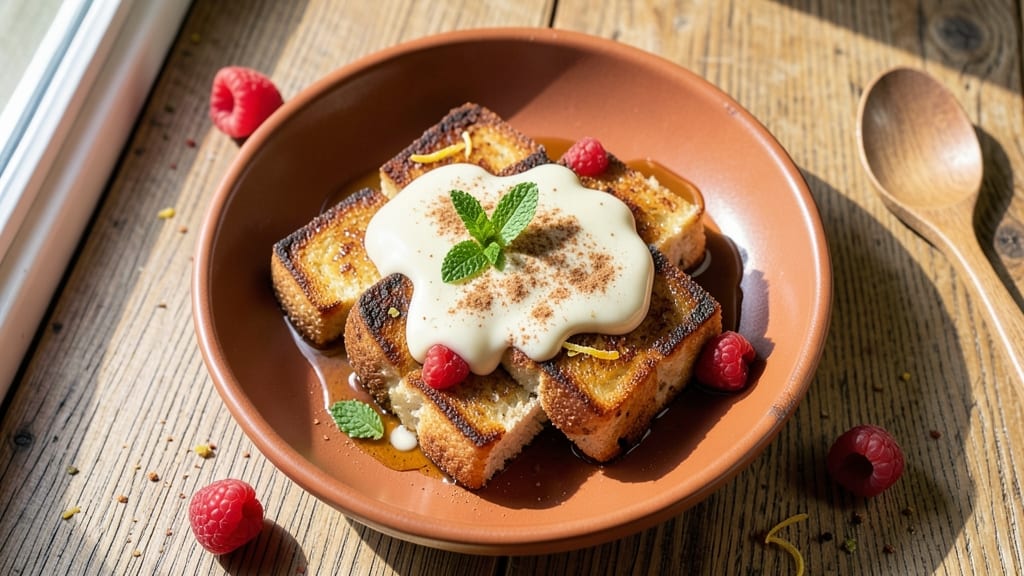
Transforming stale artisan bread into crispy-golden French toast requires just a few key techniques—but the results are restaurant-quality every time.
The secret lies in a simple custard mixture that soaks into the bread's crust while keeping the interior pillowy soft, and a hot pan that delivers that coveted caramelized exterior.
I've perfected this method after years of testing, and it's now my go-to breakfast when I want something indulgent yet impressive without the fuss.
What sets this recipe apart is the balance: the custard must be thick enough to create structure but thin enough to absorb quickly, while the pan needs to be hot enough for crispiness without burning.
Freshly baked artisan bread—like a crusty baguette or sourdough—absorbs the custard beautifully, creating a texture that's crisp on the outside yet tender and custardy inside. The key is patience during the soaking step; letting the bread rest ensures even cooking and prevents a soggy center.
By the time you plate your French toast, you'll have slices with a golden-brown crust that shatters slightly, revealing a warm, custardy interior. The aroma alone—warm vanilla, toasted bread, and a hint of cinnamon—will make your kitchen feel like a Parisian café.
Serve with powdered sugar, maple syrup, or fresh berries for a classic touch, or try modern twists like avocado, prosciutto, or a spiced custard variation for added depth.
This recipe delivers foolproof results with minimal effort, making it perfect for weekend brunches or a special treat during the week. The method scales easily, so whether you're feeding a crowd or treating yourself to a single indulgent slice, the technique remains the same.
Let's get started on creating French toast that tastes like it came from a bakery.
Ingredients for artisan bread french toast
Fresh bread, rich custard, and golden butter—just what you need for bakery-style French toast.
| Ingredient | Amount | Notes |
|---|---|---|
| Artisan Bread 🍞 | 8 slices | Freshly baked baguette or sourdough preferred |
| Large Eggs 🥚 | 4 whole | Room temperature for best results |
| Whole Milk 🥛 | 1 cup | Full-fat for creaminess |
| Vanilla Extract 🌿 | 1 tsp | Pure vanilla preferred |
| Granulated Sugar 🍚 | 2 tbsp | Or maple syrup for variation |
| Ground Cinnamon 🌶️ | ½ tsp | Freshly ground preferred |
| Salt 🧂 | ¼ tsp | Kosher or sea salt |
| Unsalted Butter 🧈 | 2 tbsp | For cooking, melted |
| Powdered Sugar 🍚 | ¼ cup | For dusting, optional |
| Maple Syrup 🍯 | ¼ cup | For serving, optional |
| Fresh Berries 🍓 | ½ cup | For garnish, optional |
The bread makes all the difference. Freshly baked artisan loaves from your local bakery or even a day-old baguette from Whole Foods or Trader Joe's work best—the crustier, the better. Look for bread with a crisp exterior and soft interior, like a sourdough or a rustic boules. If using pre-sliced, skip the crust for even cooking. For extra indulgence, toast the bread lightly before soaking—it crisps up beautifully and absorbs the custard perfectly. I always grab an extra loaf when I see it on sale at Panera or Bread & Butter—their sourdough is a game-changer.
No vanilla extract? Vanilla bean paste or even a pinch of vanilla sugar works in a pinch. The custard ratio is key—too thick, and it won’t soak in; too thin, and your toast will be soggy. For a richer flavor, swap half the milk for heavy cream. If you’re out of powdered sugar, a sprinkle of turbinado sugar adds a nice crunch. The butter should be melted but not hot—just enough to coat the pan evenly. Pro tip: Use a nonstick skillet for foolproof flipping, but cast iron gives that extra-crispy crust if you’re patient.
The custard keeps best for 3 days in the fridge—just whisk before using. Leftover French toast reheats beautifully in a toaster or air fryer for 30 seconds—crispy again in no time. Store bread in a paper bag at room temp for up to 3 days, or freeze slices wrapped in parchment for 1 month. The powdered sugar and berries add freshness, but I often skip them for a lighter touch. Save the extra custard for pancakes or waffles—it’s that versatile.
Why You'll Love This Recipe
- No-Fuss Morning: The crusty artisan bread soaks up the custard just right—no fancy slicing, no waiting for bread to stale. Toss in the eggs, milk, and vanilla, let it sit for 10 minutes, and you’re golden. (Yes, even on a Tuesday night.)
- Caramelized Magic: That first golden-brown bite? The crispy edges from the artisan bread’s crust paired with the custard’s creamy vanilla center—it’s the kind of flavor that makes you pause mid-chew. Honestly, the sugar doesn’t even need a fancy syrup.
- Breakfast or Brunch Hero: Serve it stacked with berries for a lazy weekend brunch or as a hearty breakfast sandwich with bacon and maple. The same simple custard works for both—no last-minute scrambling for ingredients.
- Leftovers That Don’t Suck: Unlike fluffy pancakes, this stays crispy when reheated. Stash extras in the fridge for 3 days or freeze them (they’re way better than takeout). Between us, it’s my go-to for busy mornings when I’m running late.
Step-by-step instructions for artisan bread French toast
Here's how to achieve that perfect balance of crispy-golden crust and pillowy centers every time.
Prepare the French Toast Batter
In a large bowl, whisk together the 4 whole Large Eggs until the yolks and whites are fully combined. Add the 1 cup Whole Milk, 1 tsp Vanilla Extract, 2 tbsp Granulated Sugar, 0.5 tsp Ground Cinnamon, and 0.25 tsp Salt. Whisk vigorously for 30-45 seconds until the mixture is smooth and frothy. The batter should be thick enough to coat the back of a spoon but still flow easily.
This is where the magic happens—the vanilla and cinnamon infuse into the eggs, while the sugar helps create caramelization on the outside. If your batter looks too thick, add 1 tablespoon of milk at a time until it reaches the right consistency. The key is getting it just right: too thin and your toast won't hold together; too thick and it won't soak into the bread properly.
Soak the Artisan Bread
Place the 8 slices Artisan Bread in a shallow dish or plate. Working in batches to avoid overcrowding, dip each slice into the batter, ensuring both sides are fully coated. Let the bread soak for 20-30 seconds per side—you'll see the batter begin to absorb into the bread, making it slightly heavier. The bread should feel saturated but not dripping wet.
I like to press down gently on the bread slices as they soak to help the batter penetrate those delicious nooks and crannies of artisan bread. This step is crucial for that perfect balance of crispy outside and soft inside. If you're using a baguette, cut it into 1-inch slices first for even cooking.
Cook to Crispy Perfection
Heat a large skillet over medium heat and melt the 2 tbsp Unsalted Butter. Once the butter is foaming but not smoking, add the soaked bread slices. Cook for 2-3 minutes per side until the edges are deep golden brown and the bread releases easily from the pan. Don't rush this step—the crispy crust is what makes this recipe special.
Here's the thing—you want to see those beautiful caramelized edges form, but the center should still be soft and slightly underdone. If you notice the bread browning too quickly, reduce the heat slightly. The butter should sizzle gently, not burn. Flip only once, and resist the urge to press down on the toast—this can make it too dense.
Dust and Serve
Transfer the cooked French toast to a wire rack or clean kitchen towel to drain any excess butter. While still warm, dust the top of each slice with 0.25 cup Powdered Sugar using a fine-mesh sieve. This creates that signature dusting that adds just the right amount of sweetness without overpowering the flavors.
Serve immediately with a drizzle of 0.25 cup Maple Syrup and a sprinkle of 0.5 cup Fresh Berries on the side. The contrast of the warm, crispy toast with the cool berries and rich syrup is what makes this dish truly special. For an extra touch, you can also add a dollop of whipped cream or a scoop of vanilla ice cream for a decadent breakfast treat.
Keep Warm and Serve Family-Style
If you're serving more than a few slices, keep the cooked French toast warm in a 200°F oven while you finish cooking the rest. This low temperature maintains the crispiness without overcooking. I like to arrange the finished toast on a platter and let everyone customize their own plate with extra syrup, berries, or even a sprinkle of chopped nuts for added crunch.
This dish is all about that first bite—crispy on the outside, soft and custardy inside, with just the right amount of sweetness. The key to success is paying attention to those visual cues: golden brown edges, sizzling butter, and that perfect release from the pan. Once you master this, you'll have a breakfast favorite that's sure to impress.
Pro Tips For Making Artisan Bread French Toast
- USE STALE BREAD: Artisan bread dries out fast, but that’s actually your friend here—it soaks up the custard better than fresh. Pick a loaf that’s 1-2 days old, or toast it lightly first to speed up the process without turning it into a sponge.
- WHISK THE CUSTARD HOT: Heat the milk and eggs together over low heat until the mixture reaches 160°F (71°C)—just until tiny bubbles form around the edges. This makes the custard cling to the bread instead of sliding off, and it caramelizes beautifully when cooked.
- DRY THE BREAD SURFACE: Pat the crusty slices with a paper towel right before dipping to remove excess moisture. Wet bread absorbs too much custard, making it gummy instead of crispy, and you’ll end up with a soggy mess.
- COOK LOW AND SLOW: Start with medium heat, then immediately drop it to low once the edges start browning. Rushing it burns the outside before the center cooks—you want a deep golden crust with a warm, custardy interior, not a charred brick.
Make-ahead tips for this dish
Prep Ahead Batter
Make the custard mixture up to 3 days ahead and store it in an airtight container in the fridge. The flavors deepen overnight, and you'll save time on busy mornings.
Just whisk vigorously for 10 seconds before using to re-emulsify any separated layers. I often make a double batch—I use the extra for pancakes or waffles during the week. 💡
Soak Bread Overnight
For an extra-indulgent twist, soak the bread slices in the custard mixture and refrigerate them overnight. Cover tightly with plastic wrap to prevent drying. In the morning, cook as directed—this method creates an even more custardy interior with a perfectly crisp exterior.
I've found that baguette slices work especially well for this technique. 🍞
Freeze for Later
Assemble the soaked bread slices on a parchment-lined tray and freeze them solid for 1 hour. Transfer to a freezer bag with parchment between slices to prevent sticking.
Cook straight from frozen over medium heat, adding 1 extra minute per side—the cold center will cook through while the exterior crisps. This is my secret for quick weekend brunches. ❄️
Batch Cooking
Cook all your French toast at once and store it in a 200°F oven for up to 30 minutes while you finish the batch. The residual heat keeps it warm and crispy.
I like to arrange slices on a wire rack to prevent sogginess. Reheat individual pieces in a toaster or air fryer for 1-2 minutes to restore crispiness. Perfect for meal prep! 🔥
Custard Variations
Prepare alternative custard flavors ahead of time—like adding 1 tsp almond extract for a nutty twist or ½ tsp cardamom for warmth. Store separately in small containers. These variations keep for 2 days in the fridge and add exciting flavor options without extra morning prep.
My go-to is cinnamon-vanilla with a touch of bourbon for depth. 💛
Bread Prep Shortcuts
Buy pre-sliced artisan bread from your bakery section and store it in a paper bag at room temperature for up to 3 days. This prevents drying while maintaining that perfect crust.
For even faster prep, lightly toast the bread before soaking—it crisps up beautifully and absorbs custard perfectly. I always keep a loaf of Whole Foods sourdough on hand for this. ✨
Nutrition facts
Frequently asked questions
Can I use stale or day-old artisan bread for this recipe?
In fact, stale or day-old artisan bread works even better because it absorbs the custard more evenly. The crust becomes extra crispy while maintaining a soft interior. Just avoid bread that's completely hardened or dry—it won't soak up the custard properly. For best results, use bread that's 1-3 days old.
Why is my French toast coming out soggy instead of crispy?
Soggy French toast usually means one of two things: the bread soaked too long in the custard or the pan wasn't hot enough. Always soak for just 20-30 seconds per side—no longer! Also, make sure your pan is over medium heat and the butter is foaming but not smoking. A hot pan creates that perfect crispy crust while keeping the inside soft.
What's the best way to reheat leftover French toast?
For crispy results, use a toaster or air fryer. Pop slices in for 1-2 minutes at 350°F until golden again. If you prefer a softer texture, warm in a 200°F oven for 5-7 minutes—just until heated through. Avoid microwaving, as it makes the bread rubbery. Reheating in butter for 30 seconds per side in a skillet also works well!
Can I make this recipe without eggs or dairy?
For a dairy-free version, substitute the milk with unsweetened almond or oat milk and use dairy-free butter. For an egg-free custard, blend ½ cup silken tofu with 1 tbsp cornstarch and 1 tbsp water to replace the eggs. The texture will be slightly different but still delicious. Both versions require adjusting cooking times—watch closely for doneness.
How do I make this recipe extra crispy?
For maximum crispiness, use a cast iron skillet—it retains heat better than nonstick. Also, let the bread soak for exactly 20 seconds per side (no longer!), and cook over medium-high heat until the edges are deep golden brown. For extra crunch, sprinkle powdered sugar on the pan before adding the toast, then flip carefully to coat both sides.