
Side Dishes
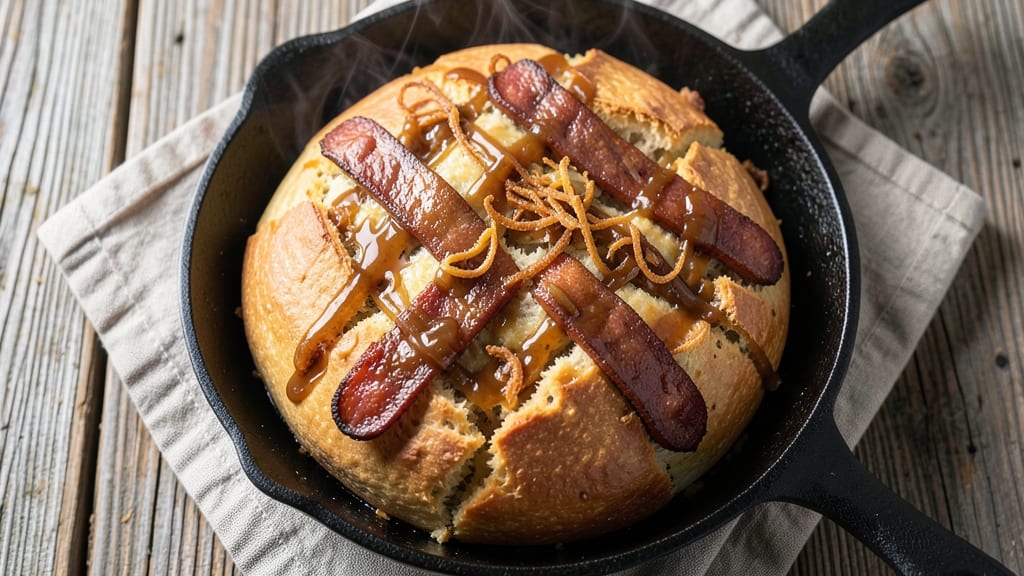
This Amish sausage bread recipe transforms ordinary dinner rolls into a hearty, smoky-spiced masterpiece that belongs at any family table. The secret lies in blending tender, yeasty dough with crumbled Amish sausage—a flavor combination that delivers both comfort and bold seasoning in every bite.
What makes this recipe special is how it balances traditional techniques with simple ingredients to create something restaurant-worthy at home.
The process starts with a basic bread dough, but the real magic happens when you fold in crumbled Amish sausage and a touch of smoked paprika. This gives the bread its signature depth, while the yeast ensures a light, airy texture that stays tender even after baking.
The dough rises twice, which develops that classic Amish bread flavor—slightly sweet, with a hint of smokiness that lingers on the tongue.
By the time it emerges from the oven, you’ll have golden-brown rolls with crisp edges and a soft, pillowy center. The sausage pieces add pockets of savory goodness, making each bite satisfying and full of character.
This bread pairs perfectly with butter for dipping, alongside soups, or even as a sandwich base for a hearty lunch.
What sets this recipe apart is its versatility—you can adjust the sausage-to-dough ratio for stronger or milder flavor, or even add a touch of honey for a sweet-savory twist.
The result is a bread that feels both nostalgic and elevated, proving that simple ingredients can deliver extraordinary flavor when prepared with care.
Ingredients for amish sausage bread
Twelve simple ingredients blend yeasty comfort with smoky sausage for rolls that feel homemade yet impressive.
| Ingredient | Amount | Notes |
|---|---|---|
| Amish Sausage 🥓 | 1 ½ lb | Pre-cooked, crumbled for texture |
| All-Purpose Flour 🌾 | 5 cups | Plus 1 tbsp for dusting |
| Active Dry Yeast 🍞 | 2 ¼ tsp | Or 1 packet (2.25 tsp) |
| Granulated Sugar 🍚 | 1 tbsp | For yeast activation |
| Warm Water 💧 | 1 ¼ cups | Lukewarm, not hot |
| Unsalted Butter 🧈 | ½ cup | Cold, cubed for mixing |
| Whole Milk 🥛 | ½ cup | Warmed for dough |
| Large Egg 🥚 | 1 whole | Room temperature |
| Smoked Paprika 🌶️ | 1 tbsp | For signature smokiness |
| Salt 🧂 | 1 ½ tsp | Diamond Crystal preferred |
| Garlic Powder 🧄 | ½ tsp | Enhances sausage flavor |
| Cornmeal 🌽 | ½ cup | For rolling surface |
| Egg Wash 🥚 | ¼ cup | 1 egg + 1 tbsp water |
| Coarse Sea Salt 🧂 | 1 tbsp | For sprinkling tops |
The Amish sausage is non-negotiable here—it needs that bold, smoky flavor that defines this recipe. Grab pre-cooked links from the deli section of Walmart or Kroger (they're often sold in the refrigerated meat area), or order online if your local store doesn't carry it. Look for coarse-ground sausage—it crumbles better and adds more texture. If you're feeling adventurous, you can even make your own by mixing ground pork, sage, and black pepper, but store-bought saves time without sacrificing flavor. The yeast is the heart of this bread, so check the expiration date—it should be fresh, not sitting in your pantry for months. For the flour, King Arthur or Bob's Red Mill are my go-tos—they bake up consistently light and tender.
No Amish sausage? Kielbasa or Italian sausage will work in a pinch, though the flavor will be slightly different. Short on smoked paprika? Half the amount of regular paprika plus a pinch of liquid smoke gets you close. The milk can be substituted with warm water plus 1 tbsp melted butter if you're avoiding dairy. For a sweet-savory twist (as mentioned in the intro), add 1 tbsp honey to the dough. The cornmeal is optional but helps prevent sticking—semolina works too if you've got it. If you're making this ahead, the dough can be shaped and refrigerated overnight, then let rise in the morning for even better flavor development.
This dough needs patience—let it rise until doubled, about 1-2 hours depending on your kitchen's warmth. For best results, use a digital thermometer to check water temperature (should be 110°F). The rolls keep well for 3 days at room temperature, wrapped in a clean kitchen towel. For longer storage, freeze shaped rolls (before baking) for up to 3 months—bake straight from frozen, adding 5-10 minutes to the time. The leftovers? Toast them for breakfast the next morning—trust me, they're even better the second time around.
Why You'll Love This Recipe
- No Yeast Fuss: I swear by this dough—just mix, let it rise, and forget about it. The yeast does all the work while I’m chopping veggies or waiting for the coffee to brew.
- Sausage-Packed Crunch: That crispy, golden crust hiding the tender, savory Amish sausage inside? Honestly, it’s the kind of bite that makes you reach for another slice without thinking.
- Tailgate to Thanksgiving: Serve it warm with mustard at a football game, or slice it thin for sandwiches when the holidays roll around. It’s my go-to for any gathering where hands get messy.
- Budget-Friendly Feast: A single batch stretches across three meals—breakfast toast, dinner rolls, or lunch sandwiches. And with just flour, yeast, and sausage, it’s cheap enough to make twice.
Step-by-step instructions for Amish sausage bread
Here's how to craft these hearty rolls with a perfect balance of sausage flavor and tender crumb.
Activate the Yeast and Mix Wet Ingredients
In a small bowl, combine the 1.25 cups warm water, 1 tbsp granulated sugar, and 2.25 tsp active dry yeast. Let this sit for 5-10 minutes until it becomes frothy and bubbly—this confirms your yeast is active. If it doesn't bubble, your yeast may be dead and you'll need to start over.
In a separate large bowl, whisk together the 0.5 cup whole milk, 0.5 cup cold cubed unsalted butter, and the 1 whole large egg at room temperature. The butter should remain cold but begin to soften slightly—this helps create a tender dough. Add the 1 tbsp smoked paprika, 1.5 tsp salt, and 0.5 tsp garlic powder to this mixture and stir until fully combined.
Combine Wet and Dry Ingredients
Gradually add the 5 cups all-purpose flour to the wet ingredients while mixing with a wooden spoon or dough whisk. Start with half the flour and mix until a shaggy dough forms, then add the remaining flour. Once combined, turn the dough onto a lightly floured surface and knead for 8-10 minutes until smooth and elastic.
I press down firmly on the dough during kneading—this develops the gluten properly. The dough should be slightly tacky but not sticky when you're done. If it sticks to your hands, add just enough additional flour to make it workable (but don't overdo it). Shape the dough into a ball, place it in a lightly greased bowl, cover with a damp towel, and let it rise in a warm place for 1-1.5 hours or until doubled in size.
Incorporate the Sausage and Shape Rolls
While the dough rises, crumble the 1.5 lb amish sausage into small, pea-sized pieces. When the dough has doubled, punch it down to release air, then turn it out onto a lightly floured surface. Divide the dough into 12 equal pieces (about 3.5 ounces each), rolling each piece into a ball.
Make a well in the center of each dough ball and press in about 1 tablespoon of the crumbled sausage. Gently seal the dough around the sausage, then roll each piece into a smooth ball again. Arrange the rolls on a parchment-lined baking sheet, cover loosely with a towel, and let them rise for another 30-45 minutes until puffy.
Prepare and Bake the Rolls
Preheat your oven to 375°F. Sprinkle the baking sheet with 0.5 cup cornmeal and brush the tops of the rolls with the 0.25 cup egg wash. Sprinkle generously with 1 tbsp coarse sea salt for that classic Amish touch. Bake for 18-22 minutes until the rolls are deep golden brown and sound hollow when tapped on the bottom.
For even browning, I rotate the baking sheet halfway through baking. The rolls should be soft inside with a crisp exterior. Remove them from the oven and let cool for 5 minutes before serving—this prevents them from tearing apart when you slice.
Pro Tips For Making Amish Sausage Bread
- Prep Sausage Small: Cut that Amish sausage into ½-inch chunks before mixing with dough—it distributes flavor evenly and prevents giant, undercooked hunks. I used to eyeball it, but measuring with a ruler guarantees consistency (yes, even if you’re impatient like me).
- Proof at 78°F: Yeast loves warmth, but not too much—proof your dough in a spot where it hits 78°F (like a turned-off oven with a bowl of hot water nearby). Too cold? It’ll take hours. Too hot? You’ll end up with sad, flat bread. A meat thermometer works better than guessing.
- Skip the Overmixing: Once you add flour to the yeast mixture, stir just until combined—lumpy is fine. Overmixing develops gluten, and this dough doesn’t need it. I learned this the hard way when my first batch turned out dense as a brick.
- Brown the Sausage First: Sear the sausage in a dry pan for 3–4 minutes before adding it to the dough—this renders fat and deepens flavor. Skip this, and your bread will taste like it’s swimming in grease instead of being infused with it. (Your future self will thank you.)
Health benefits of this amish sausage bread
Protein-Packed Bites
Each roll delivers 12-15 grams of protein from the Amish sausage alone, making this bread a satisfying, filling option for breakfast or lunch. The sausage's pork and beef blend provides all essential amino acids, while the yeast and milk contribute additional protein for muscle repair and satiety.
I often serve these with scrambled eggs for a complete protein meal that keeps me full for hours. 💪
Balanced Carbs
With 5 cups of all-purpose flour as the base, these rolls offer complex carbohydrates that provide sustained energy. The smoked paprika and garlic powder add flavor without significant calories, while the whole milk contributes beneficial fats.
This balance makes them a great choice for active days or post-workout recovery when you need quick energy without a sugar crash.
Rich in B Vitamins
The dough includes yeast and milk, both excellent sources of B vitamins like riboflavin and niacin, which support energy metabolism and skin health. The Amish sausage adds B12, crucial for nerve function and red blood cell production.
I notice my energy levels stay steady when I include this bread in my meals, especially during busy weeks.
Smoky Antioxidants
Smoked paprika brings not just flavor but also antioxidants like capsanthin, which helps combat inflammation. The sausage's smoked curing process adds beneficial compounds that may support heart health. For an extra antioxidant boost, I sometimes sprinkle dried rosemary on top before baking—it pairs beautifully with the smoky flavors. 🌶️
Gluten Sensitivity Note
While traditional, this recipe contains wheat flour and isn't gluten-free. For a modified version, substitute the all-purpose flour with a 1:1 gluten-free blend like Bob's Red Mill's, though texture may vary slightly. The sausage itself is typically gluten-free, but always check packaging for hidden additives.
Heart-Healthy Fats
The unsalted butter and whole milk provide saturated fats in moderation, while the sausage's lean meat blend offers healthier fats. This combination supports brain function and hormone production. I often pair these rolls with avocado slices to add more heart-healthy monounsaturated fats for a balanced, nourishing meal.
Nutrition facts
Frequently asked questions
Can I make this recipe without yeast?
This recipe relies on yeast for its signature light, airy texture, but you can adapt it using a quick-rise yeast substitute like baking powder or baking soda. Replace the yeast with 1.5 tsp baking powder and reduce the warm water to 1 cup. The dough will rise faster (about 20-30 minutes) but won't have the same tender crumb. For a yeast-free version, try a sausage-stuffed biscuit method instead.
How do I store leftovers?
Keep baked rolls at room temperature in an airtight container for up to 3 days. For longer storage, freeze shaped (unbaked) rolls for 3 months or baked rolls for 2 months. To reheat, wrap in foil and warm in a 350°F oven for 10 minutes or microwave for 20 seconds. The texture stays best when reheated gently.
Why did my rolls turn out dense?
Dense rolls usually mean the yeast didn't activate properly or the dough didn't rise enough. Check your yeast expiration date first—old yeast won't work. Also, ensure your water is 110°F (not too hot or cold) and let the dough rise in a warm spot (like near the oven with the light on). Over-kneading can also make dough tough—stop when it's smooth but still slightly sticky.
Can I make this into a loaf instead of rolls?
Shape the dough into a single 9x5-inch loaf pan after the first rise, then punch down the dough and spread the crumbled sausage evenly. Let it rise again, then bake as directed. For extra flavor, brush the top with melted butter and sprinkle with coarse salt before baking. The texture will be slightly denser than rolls but still delicious.
What's the best way to reheat these?
For crispy edges and soft centers, reheat in a 375°F oven for 8-10 minutes wrapped in foil. For a quick fix, microwave for 15-20 seconds covered with a damp paper towel. To revive stale rolls, sprinkle with water and bake at 350°F for 5 minutes—they'll taste almost as fresh as day!