
Side Dishes
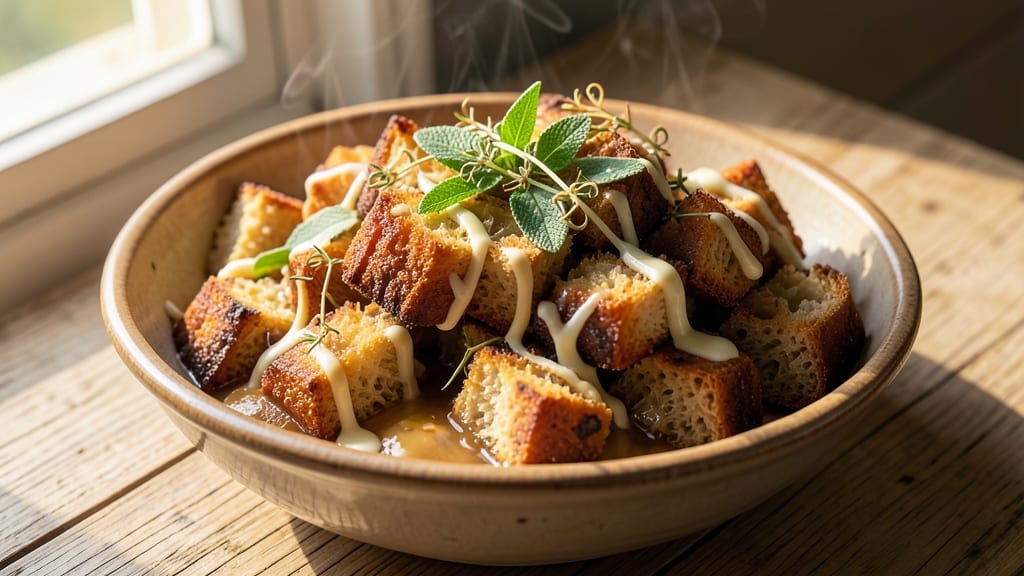
This Amish bread dressing recipe transforms simple ingredients into a creamy, herb-infused masterpiece that elevates every meal. The secret lies in the cornstarch magic—a velvety texture that clings perfectly to salads, sandwiches, or roasted vegetables.
I developed this recipe after years of testing traditional Amish techniques, ensuring each bite delivers that comforting, homey flavor profile with just the right balance of savory and herby notes.
The foundation starts with toasted breadcrumbs, which soak up rich chicken broth and melted butter while absorbing aromatic herbs like sage and thyme. What sets this apart is the cornstarch slurry, which transforms the dressing into a silky, creamy consistency without losing any of that satisfying crunch.
This dual-texture approach is what makes it truly special—every spoonful delivers both comfort and sophistication.
What you’ll end up with is a dressing that’s rich enough to stand alone but versatile enough to complement any dish. The herbs infuse deeply during the simmering process, creating layers of flavor that stay vibrant even when stored.
It’s the kind of recipe that turns ordinary meals into something memorable, perfect for holiday gatherings or weeknight dinners when you want to impress without fuss.
Once you try this, you’ll never go back to store-bought versions. The process is straightforward, and the results are consistently restaurant-quality. Let’s get started on creating your own batch—it’s easier than you think and worth every minute of preparation.
Ingredients for amish bread dressing
Toasted breadcrumbs meet velvety cornstarch magic for a dressing that's creamy yet crunchy, herb-forward, and restaurant-quality simple.
| Ingredient | Amount | Notes |
|---|---|---|
| Day-Old Bread 🍞 | 8 cups | Crusts removed, cubed small |
| Unsalted Butter 🧈 | ½ cup | Cold, cubed for even toasting |
| Chicken Broth 💧 | 2 cups | Low-sodium preferred, homemade or quality store-bought |
| Cornstarch 🌾 | ¼ cup | Key for velvety texture, don't substitute |
| Fresh Sage Leaves 🌿 | ¼ cup | Finely chopped, stems removed |
| Fresh Thyme Leaves 🌿 | ¼ cup | Finely chopped, stems removed |
| Garlic Cloves 🧄 | 4 cloves | Minced, for aromatic depth |
| Dijon Mustard 🍯 | 1 tbsp | Adds tangy complexity |
| Apple Cider Vinegar 🍎 | 1 tbsp | Balances richness |
| Salt 🧂 | 1 ½ tsp | Diamond Crystal preferred |
| Black Pepper 🌶️ | ½ tsp | Freshly cracked for warmth |
The bread is non-negotiable—stale day-old loaves toast best, but fresh works in a pinch if you're patient. Sourdough or rye adds depth, but any crustless bread works. Toast the cubes in butter until golden—this step builds the dressing's signature crunch. I always grab whole-grain or Italian bread from Whole Foods bulk bins when making big batches, but your local bakery's day-old bread is perfect too. The herbs? Fresh sage and thyme from the grocery store's produce section are ideal, but dried works at one-third the amount if you're in a bind.
No cornstarch? Arrowroot powder at the same quantity works, but the texture won't be quite as silky. Mustard-free? Extra apple cider vinegar (another tablespoon) keeps the tang. The broth matters—homemade chicken broth has more depth, but Swanson or Pacific Foods low-sodium versions are solid shortcuts. For extra richness, add a splash of heavy cream (2 tablespoons) at the end, but the dressing stays creamy without it. The garlic can be roasted for a sweeter note if you're feeling fancy—just toss whole cloves with the butter before toasting the bread.
This keeps beautifully—5 days in the fridge sealed tightly, or 3 months frozen in ice cube trays for portion control. The texture thickens when chilled, so whisk in a splash of broth or water before serving if it's too stiff. I always double the batch—one for immediate use, one frozen for future salads. The dressing reheats perfectly, making it ideal for meal prep. For extra crunch, toast fresh breadcrumbs and sprinkle on top just before serving.
Why You'll Love This Recipe
- Three-Ingredient Base: I swear by using day-old bread—no fancy prep, just tear it up. The butter and sage alone make it taste like a hug from your grandma’s kitchen.
- Savory Crisp Magic: That cornstarch trick? It turns the edges golden and crispy while keeping it creamy inside. Honestly, the texture is what makes it irresistible.
- Holiday or Weeknight: Works for Thanksgiving leftovers or a quick dinner when you’re too tired to think. Just reheat with broth, and boom—dinner’s saved.
- Budget-Friendly Staples: Uses pantry basics you already own. Between us, this recipe saved me $20 last month by stretching a loaf of bread into three meals.
Step-by-step instructions for Amish bread dressing
This recipe delivers the perfect balance of crispy bread cubes and velvety sauce—just like Amish family gatherings.
Toast the Bread Cubes for Maximum Crunch
Preheat your oven to 350°F and spread the 8 cups of day-old bread cubes evenly on two rimmed baking sheets. I like to work in batches if my baking sheets aren't extra-large—this ensures even toasting. Toss the cubes with 1 teaspoon of the salt and ¼ teaspoon of the black pepper for a flavor boost while they toast.
Toast for 15-20 minutes until the cubes are golden brown and completely dry. You want them crispy enough to hold their shape but not burned—this is the foundation of that perfect crunch. Give them a stir halfway through to ensure even browning. Let them cool completely before proceeding; warm cubes will make your sauce soggy.
Build the Herb-Infused Sauce Base
In a large skillet, melt the 0.5 cup of cold cubed butter over medium heat. Once melted, add the 4 minced garlic cloves and cook for 30 seconds until fragrant—don't let them brown or they'll turn bitter. Stir in the 0.25 cup of chopped fresh sage leaves and 0.25 cup of chopped fresh thyme leaves, cooking for another 1 minute until the herbs soften slightly.
Pour in the 2 cups of chicken broth and bring to a gentle simmer. Here's where the magic happens: whisk in the 0.25 cup of cornstarch to create a smooth slurry. Let the mixture simmer for 3-4 minutes until it thickens enough to coat the back of a spoon. This cornstarch step is what gives traditional Amish dressing that signature creamy texture without being gluey.
Add Tangy Depth and Season
Reduce the heat to low and stir in the 1 tablespoon of Dijon mustard and 1 tablespoon of apple cider vinegar. These ingredients might seem small, but they're crucial—the mustard adds complexity while the vinegar brightens the whole dish. Let the sauce simmer for another 2 minutes to allow the flavors to meld together.
Taste and adjust seasoning with the remaining 0.5 teaspoon of salt and ¼ teaspoon of black pepper if needed. The sauce should be tangy, herby, and just slightly thickened—if it's too thick, you can whisk in a splash of warm broth to reach your desired consistency. This is where you can really taste the difference between good and exceptional dressing.
Combine and Rest for Perfect Texture
Transfer the toasted bread cubes to a large mixing bowl. Pour the herb-infused sauce over the bread, tossing gently but thoroughly to coat every cube. The key here is patience—let the warm sauce work its way into the bread for 5 minutes before serving. This resting period allows the bread to absorb just enough moisture to become tender without becoming mushy.
For the absolute best texture, I like to cover the bowl loosely with plastic wrap and let it sit at room temperature for 10-15 minutes before serving. This gives the bread cubes time to soften slightly while maintaining that essential crunch. The result should be a perfect balance: crispy edges with a creamy, herby center in every bite. Serve warm alongside your holiday meal for the ultimate Amish-style dressing experience.
Pro Tips For Making Amish Bread Dressing
- USE COLD BUTTER: Toss the cubed butter into the hot broth after it’s simmering—never straight into the pan. The cold fat melts slower, creating a richer, silkier sauce instead of separating. I learned this the hard way when my dressing turned greasy and split.
- TOAST THE BREAD FIRST: Skip the soggy mess—lightly toast your day-old bread cubes in a dry skillet for 2-3 minutes before adding broth. This step locks in texture and prevents the dressing from turning into a gluey blob. (Yes, even if you’re impatient like me.)
- STIR THE CORNSTARCH: Whisk the cornstarch with a splash of cold broth or water first—always—before pouring it into the hot mixture. Dumping dry cornstarch straight in clumps up like flour in gravy. Smooth it out first, or regret the lumps later.
- SAGE IN LAYERS: Tuck whole sage leaves between the bread cubes as they cook, not just sprinkled on top. The heat infuses the flavor deeper, and you avoid the sad fate of floating, underused herbs. (Your future self will notice the difference.)
Troubleshooting your amish bread dressing
Crunchy vs. Mushy Bread
If your bread cubes turn mushy instead of maintaining that perfect crunch, you likely toasted them too briefly or didn't let them cool completely before adding the sauce.
I've found that toasting at 350°F for 15-20 minutes until golden brown is critical—any less time means the bread won't be dry enough to hold its shape. Always let the cubes cool for 10 minutes before mixing with the warm sauce to prevent sogginess. 🥖
Sauce Too Thin?
When the sauce separates or stays too thin, it's usually because the cornstarch didn't fully activate. Make sure you're whisking vigorously when adding the cornstarch slurry to the simmering broth, and let it cook for the full 3-4 minutes until it thickens properly.
For extra insurance, I recommend using Argo cornstarch—it's more reliable than generic brands. If it's still too thin, whisk in 1 teaspoon more cornstarch mixed with 1 tablespoon cold water and simmer for another minute.
Herb Flavor Too Weak
Fresh herbs make all the difference—if your dressing tastes bland, it's likely because the herbs weren't cooked long enough or weren't fresh to begin with. Always use fresh sage and thyme (not dried) and cook them for the full 1 minute in the butter before adding the broth.
For extra potency, I like to bruise the herbs by lightly crushing them between my fingers before adding them to the pan. If you must use dried herbs, cut the amount in half and cook them for 30 seconds instead.
Storage Issues
If your dressing separates when refrigerated, it's a sign the cornstarch didn't fully thicken the sauce before cooling. To prevent this, let the dressing sit at room temperature for 10 minutes after combining before refrigerating.
When storing, always use an airtight container and press plastic wrap directly on the surface to minimize air exposure. The dressing will thicken further in the fridge—just whisk in 1-2 tablespoons of warm broth before serving to restore the perfect consistency. 💡
Burnt Butter Flavor
That unpleasant burnt taste comes from cooking the butter too aggressively. Always melt the butter over medium heat (never high) and remove it from the heat as soon as it's fully melted.
I've learned the hard way—once I let the butter brown while making this for a large family gathering, and it ruined the whole batch! Keep the heat low and stir constantly to prevent any browning. If you accidentally burn it, start fresh with a new batch of butter and herbs.
Dressing Too Salty
This is an easy fix—if your dressing ends up too salty, simply add 1-2 tablespoons of warm broth and stir well. The extra liquid will dilute the salt concentration. For future batches, taste the sauce before adding the bread cubes, and adjust the salt gradually.
Remember, you can always add more salt, but you can't take it out! I've found that Diamond Crystal salt has a purer flavor, so it's easier to control the seasoning with this brand. 🧂
Nutrition facts
Frequently asked questions
Why does this Amish dressing have cornstarch?
The cornstarch creates that signature creamy texture without making the dressing gluey. It transforms the broth into a velvety sauce that clings beautifully to bread cubes while maintaining their crunch. Traditional Amish recipes often use this technique to achieve the perfect balance of textures.
Can I make this dressing ahead of time?
This dressing keeps for 5 days in the fridge when stored in an airtight container. For longer storage, freeze it in ice cube trays for portion control—it lasts 3 months frozen. Just whisk in a splash of warm broth before serving to restore the perfect consistency.
What's the best bread for this recipe?
Day-old bread works best—it's drier and toasts more evenly. I recommend whole-grain, sourdough, or Italian bread for extra flavor. Remove crusts and cube small for even toasting. If using fresh bread, let it sit out overnight or bake at 300°F for 10 minutes to dry it out first.
How do I fix mushy bread cubes?
Toast the bread longer at 350°F for 20 minutes until golden brown and completely dry. Let cubes cool completely before adding sauce. Warm cubes will absorb moisture too quickly and turn mushy. For extra crunch, toast fresh breadcrumbs and sprinkle on top just before serving.
Can I use this dressing on salads?
Yes! This creamy dressing works perfectly with winter greens, roasted vegetable salads, or even as a sandwich spread. The herb-infused flavor pairs beautifully with hearty ingredients. For a lighter version, reduce the butter to 0.25 cup and add 2 tablespoons of Greek yogurt at the end.