
Desserts
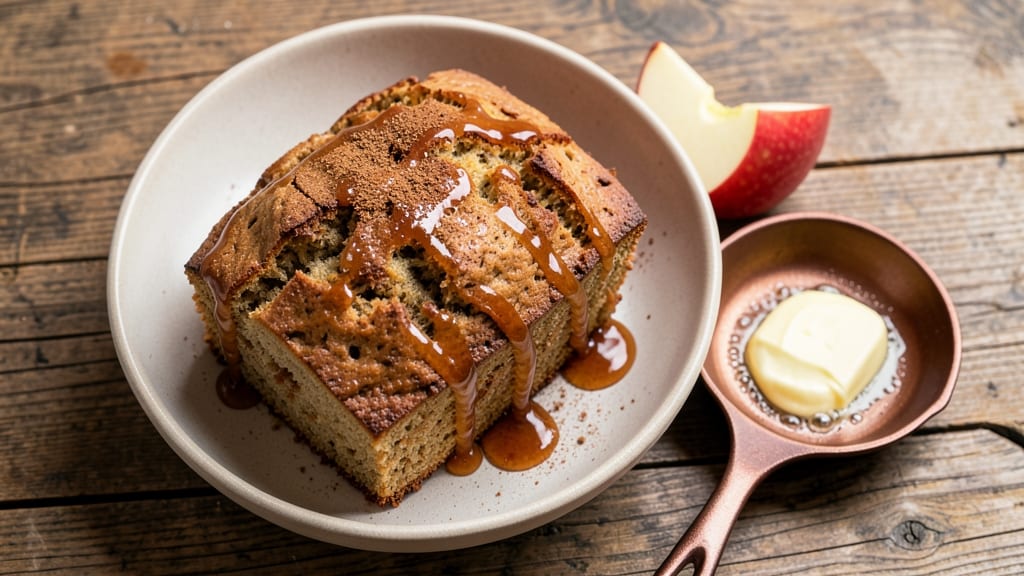
This apple cider cinnamon bread recipe transforms a simple loaf into a spiced masterpiece with golden edges and a moist, aromatic interior. The secret lies in infusing the dough with warm apple cider and cinnamon, creating layers of flavor that rival any bakery treat.
I've perfected this recipe over years of baking, ensuring every slice delivers that perfect balance of sweetness and spice.
The dough comes together with basic pantry staples—flour, sugar, eggs, and butter—but it's the apple cider that elevates it to something extraordinary. A quick bread variation works beautifully for those short on time, while traditional techniques like a steam pan guarantee a crispy crust and tender crumb.
Baking at 350°F for 50-60 minutes ensures a golden loaf with just the right amount of caramelization.
What sets this recipe apart is the optional apple cider glaze that ties everything together. Brush the warm bread with a simple mixture of reduced cider, butter, and a pinch of cinnamon for a glossy finish that drips with flavor.
The aroma alone will have everyone gathered around your table, and the first bite—warm, spiced, and perfectly moist—will have them asking for seconds.
Whether you're baking for a cozy fall gathering or treating yourself to a homemade indulgence, this recipe delivers restaurant-quality results with minimal effort. The versatility of the dough also makes it perfect for experimenting with add-ins like chopped apples or walnuts. Here's how to create your own spice-infused masterpiece.
Ingredients for apple cider cinnamon bread
Basic pantry staples meet autumn's finest flavors—just eight ingredients transform into a spiced loaf.
| Ingredient | Amount | Notes |
|---|---|---|
| All-Purpose Flour 🌾 | 4 ½ cups | Sifted for light texture |
| Granulated Sugar 🍚 | 1 cup | White or light brown |
| Unsalted Butter 🧈 | 1 cup | Cold, cubed for even mixing |
| Large Eggs 🥚 | 2 whole | Room temperature preferred |
| Apple Cider 🍎 | 1 cup | Unfiltered for best flavor |
| Ground Cinnamon 🌿 | 2 tbsp | Freshly ground preferred |
| Baking Soda 🧪 | 1 tsp | Pure, no aluminum |
| Salt 🧂 | ½ tsp | Fine sea salt preferred |
| Vanilla Extract 💧 | 1 tsp | Pure alcohol-free if preferred |
| Chopped Walnuts 🌰 | ½ cup | Toasted for enhanced flavor |
| Powdered Sugar 🍚 | ¼ cup | For glaze, sifted |
| Apple Cider Glaze Butter 🧈 | 2 tbsp | Cold, for glaze |
The flour is non-negotiable here—King Arthur or Gold Medal brands yield the best texture. Unfiltered apple cider from a local orchard adds depth, but store-bought like Mott's works in a pinch. For cinnamon, Penzeys or McCormick ground varieties deliver consistent warmth. Butter should be cold when creamed—take it straight from the fridge for even flakier dough. Walnuts? Toast them first—5 minutes in a dry pan until fragrant. The baking soda must be fresh—if it smells like vinegar, toss it.
No apple cider? Substitute with unsweetened applesauce at the same amount, though the flavor will be milder. Short on walnuts? Pecans or chopped dried apricots work beautifully. The glaze butter can be swapped for vegan butter if needed, though it won't caramelize as richly. For a quicker version, skip the glaze and brush with melted butter instead. The dough can handle up to 1 cup chopped apples if you want extra moisture—just reduce the cider by 2 tbsp to balance.
Store the dough in the fridge for up to 24 hours wrapped tightly in plastic. For best results, bake immediately after shaping. The finished loaf keeps at room temperature for 3 days wrapped in foil, or 1 week frozen. Reheat slices in a 350°F oven for 5 minutes to restore freshness. The glaze sets quickly—brush it on just before serving. Leftovers? Perfect for French toast or bread pudding—just sayin'.
Why You'll Love This Recipe
- No-Fuss Mix-In: This bread comes together with just five ingredients—no fancy swaps or last-minute grocery runs. I keep a bag of flour, a jar of sugar, and a stick of butter on hand year-round, so this is basically baking with pantry staples. The apple cider’s the star, but honestly? You could use leftover cider from Thanksgiving and still pull it off.
- Warm Spice Hug: That first bite of cinnamon-sugar crust gives me autumn vibes every time. The butter and eggs make it tender, while the cider keeps it moist—no dry, sad loaf here. It’s the kind of bread that tastes like a hug from your favorite fall memory.
- Breakfast or Snack Boss: Slice it thick for French toast in the morning (trust me, it’s legendary), or pack it in lunchboxes for school or work. My kids grab it straight from the pan when it’s still warm—no judgment here. It’s that good.
- Budget-Friendly Leftovers: A single loaf costs me about $2 to make and lasts a week. Freeze slices for quick toast, or stash the whole loaf in the freezer—it reheats like a dream. Between us, this is my go-to when I’m trying to stretch groceries without sacrificing flavor.
Step-by-step instructions for apple cider cinnamon bread
Here's how to create a tender, fragrant loaf with a perfect apple cider glaze—no shortcuts, just proven technique.
Mix Dry Ingredients for Light Texture
In a large mixing bowl, whisk together the 4.5 cups all-purpose flour, 2 tablespoons ground cinnamon, 1 teaspoon baking soda, and ½ teaspoon salt. Sift the flour first to eliminate any lumps—this ensures your bread rises evenly. I like to press the sifted flour through my fingers to break up any remaining clumps before mixing.
Set the bowl aside while you prepare the wet ingredients. The reason for mixing dry ingredients first is to distribute the baking soda and salt evenly throughout the flour. This prevents pockets of undissolved baking soda that could cause uneven rising or bitter flavors in your bread.
Cream Butter and Sugar for Fluffy Structure
In a separate large bowl, beat the 1 cup unsalted butter and 1 cup granulated sugar together using an electric mixer on medium speed for 3-4 minutes. You're looking for a light, fluffy mixture that nearly doubles in volume and becomes pale in color. This creaming process incorporates air into the butter, which creates that tender crumb we want in this bread.
I always use cold, cubed butter for this step—it creates a better emulsion with the sugar. If your butter is too soft, chill it for 15-20 minutes before starting. Scrape down the sides of the bowl with a spatula every minute to ensure all the butter gets incorporated evenly.
Combine Wet Ingredients and Fold in Dry Mix
Add the 2 whole large eggs one at a time, mixing well after each addition. Then stir in the 1 cup apple cider and 1 teaspoon vanilla extract. The mixture will look slightly curdled at first, but that's normal—the cider adds moisture and depth of flavor that regular milk can't match.
Gradually add the dry ingredient mixture to the wet, mixing on low speed just until combined. Be careful not to overmix—stop as soon as you see no more flour streaks. Overmixing develops gluten, which can make your bread tough. Once combined, fold in the ½ cup chopped walnuts using a rubber spatula, making sure they're evenly distributed throughout the dough.
Shape and Bake for Perfect Rise
Transfer the dough to a greased 9x5-inch loaf pan and spread it evenly. Place the pan in a warm oven (preheated to 350°F) and bake for 50-55 minutes, or until a toothpick inserted in the center comes out clean. The top should be golden brown with a slightly cracked surface—this indicates proper baking.
Here's the thing about baking times—your oven might run hot or cold, so start checking at the 45-minute mark. If the top browns too quickly, tent the pan with foil. The bread is done when it springs back slightly when pressed and the internal temperature reaches 190-195°F. Let it cool in the pan for 10 minutes before removing to a wire rack.
Apply Glaze and Rest for Maximum Flavor
While the bread is still warm, melt the 2 tablespoons apple cider glaze butter in a small saucepan over low heat. Once melted, remove from heat and stir in the ¼ cup powdered sugar until smooth. Immediately brush this glaze over the top of the warm bread—this creates that signature sticky, sweet finish.
Let the bread cool completely on a wire rack before slicing. This resting period allows the glaze to set properly and the internal structure to firm up slightly. The glaze should be tacky but not runny when fully cooled. For best results, serve within 2-3 days—the flavors deepen as it sits, but the texture remains best when fresh.
Pro Tips For Making Apple Cider Cinnamon Bread
- MEASURE CIDER COOL: Use room-temperature apple cider—straight from the fridge makes the dough gummy and dense. Let it sit for 10 minutes before mixing, or the butter will seize up like a stubborn child refusing to melt.
- WEIGH THE FLOUR: Scooping flour from the bag packs it too tightly, leading to a dry, crumbly loaf. Use a kitchen scale for the exact 4 cups (about 480g) or spoon-and-level method—tap the measuring cup gently to settle it without compacting.
- DON’T OVERMIX THE DOUGH: After 10 strokes with the mixer, stop. Overworking the batter develops gluten like crazy, turning your tender bread into a chewy brick. Scrape the bowl occasionally to keep things even—your future self’s knife skills will thank you.
- BUTTER THE PAN WELL: Grease that pan with softened butter, then dust with flour—generously. This isn’t just for easy release; it prevents the crust from sticking to the sides like a clingy relative at Thanksgiving. A thin layer of flour on the butter works better than just butter alone.
Dietary considerations for this dish
Gluten-Free Adaptation
For a gluten-free version, replace the all-purpose flour with a 1:1 gluten-free baking flour blend like King Arthur Measure for Measure or Bob's Red Mill 1-to-1. Add ½ teaspoon xanthan gum to help bind the dough—this is crucial for maintaining structure.
The texture will be slightly denser, but the flavor remains rich. Use the same measurements for all other ingredients, and consider reducing the apple cider by 2 tablespoons to account for the extra moisture in gluten-free flours. 🌾
Lower Sugar Options
Cut the granulated sugar to ½ cup and replace the remaining ½ cup with unsweetened applesauce or mashed ripe banana for natural sweetness. The applesauce adds moisture while reducing calories—just be aware it may make the bread slightly denser.
For the glaze, reduce the powdered sugar to 2 tablespoons and add 1 teaspoon maple syrup to compensate for the sweetness loss. This version still tastes delicious but with fewer refined sugars.
Dairy-Free Substitutions
Swap the butter for vegan butter like Miyoko's or Earth Balance—both work well in baking. For the glaze, use coconut oil instead of butter and reduce the powdered sugar slightly to 3 tablespoons since coconut oil has a natural sweetness.
The texture remains tender, though the flavor will be subtly different. If you're sensitive to coconut, olive oil works in a pinch, though it may yield a slightly less flaky crust.
Nut-Free Variations
Omit the walnuts entirely or replace them with chopped dried cranberries or sunflower seeds for crunch. If using seeds, toast them first in a dry pan for 3-4 minutes until fragrant. For extra moisture, add 2 tablespoons extra apple cider to the dough.
The bread will still hold together beautifully without nuts, and the dried fruit adds a tart contrast to the cinnamon. 🌰
Allergy-Friendly Tips
Check all spices for cross-contamination if allergies are a concern—Penzeys spices are processed in a dedicated facility and are generally safe for nut-free kitchens. For egg-free baking, replace the eggs with 2 tablespoons ground flaxseed mixed with 6 tablespoons water (let it sit for 5 minutes to thicken).
The bread may be slightly denser but still moist and flavorful. Always use fresh ingredients to minimize allergen risks.
Nutrition facts
Frequently asked questions
Can I make this bread without a loaf pan?
For a rustic look, shape the dough into a free-form round on a baking sheet lined with parchment paper. Bake at 350°F for 35-40 minutes until golden. The edges will be crispier, but the center stays moist. You can also use a cast-iron skillet for a slightly denser, heartier texture.
How do I store leftovers to keep them fresh?
Wrap cooled slices tightly in plastic wrap and store at room temperature for up to 3 days. For longer storage, freeze slices in a single layer before bagging—they'll stay fresh for 3 months. To reheat, warm in a 300°F oven for 5-7 minutes or microwave for 10-15 seconds covered with a damp paper towel.
Why did my bread turn out dense instead of light?
Overmixing the dough develops too much gluten, making it tough. Also check these common culprits: expired baking soda, underbaked center (use a thermometer to confirm 190-195°F), or too much flour. The apple cider adds moisture—if your dough feels sticky, it's likely correct. For extra lightness, let the dough rest 10 minutes before baking.
Can I use store-bought apple cider donuts instead of fresh?
Not for this recipe! The flavor profile changes dramatically—store-bought donuts contain preservatives and artificial flavors that won't translate well. For best results, use fresh, unfiltered apple cider from a local orchard or high-quality brands like Mott's. The natural sweetness and acidity are essential for that authentic spiced flavor.
How can I make this bread extra moist?
Add 2 tablespoons unsweetened applesauce to the dough or replace 2 tablespoons flour with 1 tablespoon ground flaxseed mixed with 3 tablespoons water. For even more moisture, brush the baked loaf with 2 tablespoons melted butter while still warm. The glaze also helps lock in moisture—apply it generously when the bread is just out of the oven.