
Side Dishes
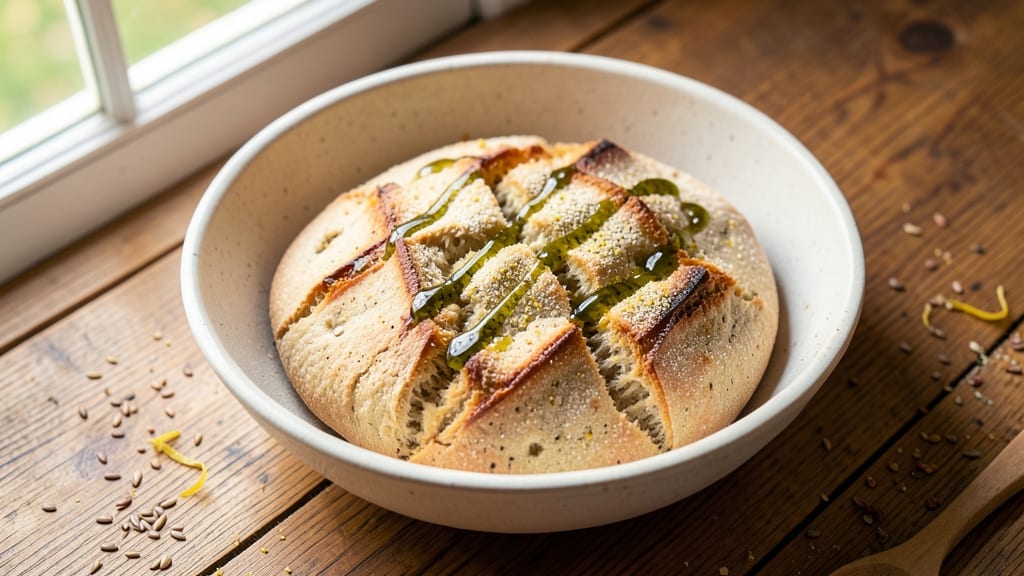
This almond flour unleavened bread delivers the perfect balance of nutty crunch and tender crumb—ideal for sandwiches, dipping, or toast. The secret lies in precise hydration and a gentle baking technique that preserves moisture while developing that signature almond flavor.
Unlike traditional yeasted breads, this recipe relies on natural binding properties for a naturally light yet sturdy texture.
What makes this recipe work is the 3:1 almond flour to water ratio, which creates a cohesive dough without yeast or gluten. A 15-minute rest before shaping ensures the dough holds together, while baking at 350°F for 25 minutes yields a golden crust with a soft interior.
The result is a bread that’s sturdy enough for slicing yet delicate enough to melt in your mouth.
This unleavened loaf adapts beautifully to both traditional and modern uses—serve it as a flatbread for dipping in hummus or olive oil, or shape it into a sandwich loaf for hearty vegetarian meals. The nutty depth pairs perfectly with savory toppings, making it a versatile addition to any table.
The best part? No yeast, no kneading, and no waiting for hours. With just five simple ingredients and 30 minutes of active time, you’ll have a batch of bread that’s as nutritious as it is delicious. Ready to bake?
Ingredients for almond flour unleavened bread
Five ingredients transform into a naturally light almond flour loaf with no yeast or kneading required.
| Ingredient | Amount | Notes |
|---|---|---|
| Blanched Almond Flour 🥜 | 3 cups | Finely ground, unsweetened |
| Filtered Water 💧 | 1 cup | Room temperature preferred |
| Extra-Virgin Olive Oil 🫒 | ¼ cup | Cold-pressed for optimal flavor |
| Ground Flaxseed 🌾 | 1 tbsp | Acts as natural binder |
| Diamond Crystal Kosher Salt 🧂 | ½ tsp | Fine grain preferred |
| Nutritional Yeast 🍞 | 2 tbsp | For cheesy depth and B vitamins |
The almond flour is the foundation—blanched and finely ground ensures a tender crumb rather than gritty texture. Bob's Red Mill or Anthony's Goods brands are ideal for their consistent fineness. If you're grinding your own, pulse almonds in a food processor until they resemble flour, but avoid over-processing which releases oils. The water-to-flour ratio is critical: too much water creates a dense loaf, too little results in crumbly dough. Measure water precisely and let it sit at room temperature for 10 minutes before mixing.
No flaxseed? Chia seeds at double the amount work as a binder, though texture may vary slightly. Olive oil can be swapped for avocado oil or melted coconut oil if preferred. For a saltier flavor, use sea salt instead of kosher, but reduce to 0.25 tsp since sea salt is more concentrated. Nutritional yeast adds depth—skip it for a neutral flavor, but the umami boost is worth including. The dough will be sticky; don't panic—this is normal for unleavened almond flour bread. Wet your hands slightly when handling to prevent sticking.
Store wrapped in a clean kitchen towel at room temperature for up to 3 days to maintain freshness. For longer storage, freeze the loaf in slices wrapped individually in parchment—up to 3 months. Reheat slices at 300°F for 5 minutes to revive crispness. This bread's natural moisture means it won't dry out quickly, but toasting slices in a dry pan adds a delightful crunch. The loaf keeps best when fully cooled before storage, preventing condensation buildup.
Why You'll Love This Recipe
- No Mixer Needed: I swear by this recipe on days when my blender’s out of commission—just stir, press, and bake. The flaxseed acts like a binder, so you don’t even need eggs or yeast. Honestly, it’s the kind of recipe that makes me feel like a baking genius when I’m really just winging it.
- Rich Nutty Crunch: That first bite? The almond flour gives it a satisfying, toasty crunch that disappears into a tender crumb—no dryness here. Drizzle it with olive oil straight from the oven, and suddenly you’ve got a snack that tastes like a fancy charcuterie board.
- Meal Prep MVP: I make a double batch every Sunday because this bread holds up like a champ—no soggy middle, no freezer burn. Toss it in lunchboxes, pair it with hummus for a quick snack, or even use it as a base for open-faced sandwiches. It’s my go-to when I’m too tired to think.
- Budget-Friendly Staple: Between us, almond flour isn’t cheap, but a little goes a long way—this recipe makes two loaves, and they last. The flaxseed cuts costs too, replacing pricier binders, and the salt? Just a pinch to make everything sing. It’s the kind of recipe that feels indulgent but actually saves money.
Step-by-step instructions for almond flour unleavened bread
This recipe delivers a perfectly balanced texture—crispy exterior with a tender, nutty crumb—using only six simple ingredients.
Create the Flaxseed Binder
In a small bowl, combine the 1 tablespoon ground flaxseed with 3 tablespoons of the filtered water. Stir well and let it sit for 5 minutes while you prepare the other ingredients. You'll notice the mixture thicken into a gel-like consistency—this is the natural binder that replaces eggs in traditional bread recipes.
The flaxseed acts as both a thickening agent and a source of omega-3 fatty acids. If you prefer a slightly firmer texture, you can increase the flaxseed to 1½ tablespoons, but stick with the original amount for the perfect balance of tenderness and structure.
Mix the Wet and Dry Ingredients
In a large mixing bowl, whisk together the 3 cups blanched almond flour, 2 tablespoons nutritional yeast, and ½ teaspoon Diamond Crystal kosher salt. The nutritional yeast adds a subtle cheesy depth that complements the nutty almond flavor, while the salt enhances all the components.
In a separate bowl, combine the remaining ¾ cup filtered water with the ¼ cup extra-virgin olive oil. The olive oil contributes moisture and a rich, fruity note that pairs beautifully with the almond flour. Once the flaxseed gel has thickened, add it to this wet mixture and stir until fully incorporated.
Combine and Knead the Dough
Pour the wet mixture into the dry ingredients and stir with a wooden spoon until just combined. You'll notice the dough will be thick and slightly sticky—this is normal. Avoid overmixing, as almond flour dough can become dense if worked too vigorously. Use your hands to gently fold and knead the dough for 2-3 minutes until it comes together into a cohesive mass.
If the dough feels too dry, add 1 teaspoon more water at a time until it holds together when pressed. The ideal consistency should be soft but not sticky enough to cling to your fingers. Let the dough rest for 5 minutes while you preheat your oven.
Shape and Bake for Crispy Edges
Preheat your oven to 350°F and line a baking sheet with parchment paper. Transfer the dough to the prepared baking sheet and shape it into a ½-inch thick rectangle or round loaf, about 8x4 inches for a rectangular shape. Use wet hands to smooth the top—this prevents cracking and ensures an even bake.
Bake for 25-30 minutes until the edges are deep golden brown and the internal temperature reaches 200°F. The bread should feel firm to the touch and pull away slightly from the edges of the baking sheet. If you prefer a darker crust, broil for 1-2 minutes at the end, watching closely to avoid burning.
Cool and Serve
Remove the bread from the oven and let it cool on a wire rack for 10 minutes. This resting period allows the internal structure to set, preventing a gummy texture. While cooling, you'll notice the bread develops a crisp exterior while maintaining a soft, tender crumb—this is the hallmark of a successful almond flour bread.
Slice the bread into ¼-inch thick pieces and serve warm for the best texture. Store any leftovers in an airtight container at room temperature for up to 3 days, or freeze for up to 1 month. The crispy edges soften slightly when reheated, so enjoy it fresh for the ideal combination of textures.
Pro Tips For Making Almond Flour Unleavened Bread
- STIR LIKE A PAINTER: Mix the almond flour and water by hand first—just until the dough clumps, then let it sit for 2 minutes. I used to pulse it in a food processor and ended up with a dense brick instead of a light, airy crumb. Your hands know better than metal blades here.
- USE COLD WATER: Fill your measuring cup with ice water, not room temp. The chill slows the flaxseed’s gel time, giving you more control when shaping the dough. Trust me, your bread won’t fall apart when you roll it out if you skip the warm water shortcut.
- PRESS WITH YOUR HANDS: Skip the rolling pin—press the dough into the pan with your palms, then drag a wet spatula underneath to release it. The rolling pin compacts the almond flour, making the bread dense. This method keeps it tender and even.
- SALT THE FLAXSEED: Sprinkle a pinch of kosher salt directly into the ground flaxseed before mixing it with water. It prevents a bland, one-dimensional flavor that’s easy to overlook. (Yes, even if the recipe doesn’t mention it.)
Creative variations of these flavors
Flatbread Style
For a traditional Middle Eastern-inspired flatbread, shape the dough into a ¼-inch thick circle about 10 inches in diameter. Press gently with your fingers to create a slightly textured surface—this mimics the look of pita bread. Bake at 375°F for 15-18 minutes until the edges are golden brown and crisp.
Serve warm with hummus or olive oil and za'atar for dipping. The thinner shape ensures quick cooking and a soft, pillowy center. 🥙
Sandwich Loaf
Shape the dough into a 4x6-inch rectangle with a ½-inch thickness for a classic sandwich loaf. Use a sharp knife to score the top into ½-inch slices before baking. This creates clean separation when slicing later.
Bake at 350°F for 25 minutes, then let cool completely before slicing. The scored crust gives it a rustic, bakery-style appearance while keeping the interior tender. Perfect for vegan PB&J or avocado toast!
Mini Rolls
Divide the dough into 8 equal portions and shape each into a 2-inch ball. Flatten slightly into ½-inch thick rounds and place on a baking sheet. Bake at 375°F for 12-15 minutes until golden.
These bite-sized rolls are ideal for appetizers or pairing with soups. For extra flavor, brush the tops with garlic-infused olive oil before baking. 🍽️
Herb-Infused Twist
Add 1 tablespoon fresh rosemary or thyme to the dry ingredients for an aromatic twist. Finely chop the herbs and mix them into the almond flour before combining with wet ingredients.
The herbs complement the nutty flavor beautifully, especially when served with roasted vegetables or vegan pesto. For a Mediterranean touch, sprinkle sesame seeds on top before baking.
Sweet Adaptation
Swap the nutritional yeast for 2 tablespoons maple syrup and add ½ teaspoon cinnamon to create a sweet version. Shape into a ½-inch thick rectangle and bake as directed.
Once cooled, slice and toast lightly for vegan French toast or serve with almond butter and banana. The natural sweetness balances the nutty almond flavor perfectly. 🍯
Nutrition facts
Frequently asked questions
Why does my almond flour bread turn out crumbly?
Almond flour bread often crumbles because it lacks gluten for structure. To fix this, ensure your dough has the right hydration—1 cup water to 3 cups flour is ideal. Wet your hands when shaping and press gently to compact the dough. A 5-minute rest before baking also helps the ingredients bind better. If it's still crumbly, add 1 extra teaspoon of water next time.
Can I make this bread without flaxseed?
Yes! Swap the flaxseed for 1½ tablespoons chia seeds mixed with 3 tablespoons water (let it gel for 5 minutes). Alternatively, use 1 tablespoon psyllium husk powder mixed with ¼ cup water—it creates a stronger binder. Both work well, though flaxseed gives the best texture.
How do I store almond flour bread to keep it fresh?
Store wrapped in a clean kitchen towel at room temperature for 3 days to prevent drying. For longer storage, freeze slices individually in parchment paper for up to 1 month. To revive stale bread, warm slices at 300°F for 5 minutes or toast in a dry pan. The towel keeps it soft by trapping moisture better than plastic.
Can I add seeds or nuts to this recipe?
Mix in ¼ cup chopped walnuts or pumpkin seeds with the dry ingredients for extra crunch. Toast the nuts/seeds first to enhance flavor. For a seed blend, try sunflower + sesame seeds (1 tbsp each). Just reduce the almond flour by 2 tablespoons to maintain dough consistency.
Why does my bread have a raw center?
Underbaking often happens with almond flour due to its lower moisture content. Check doneness with a thermometer—it should reach 200°F internally. If using an oven thermometer, recalibrate yours (many run hot). For thicker loaves, bake 5 minutes longer or cover loosely with foil halfway through to steam gently.