
Side Dishes
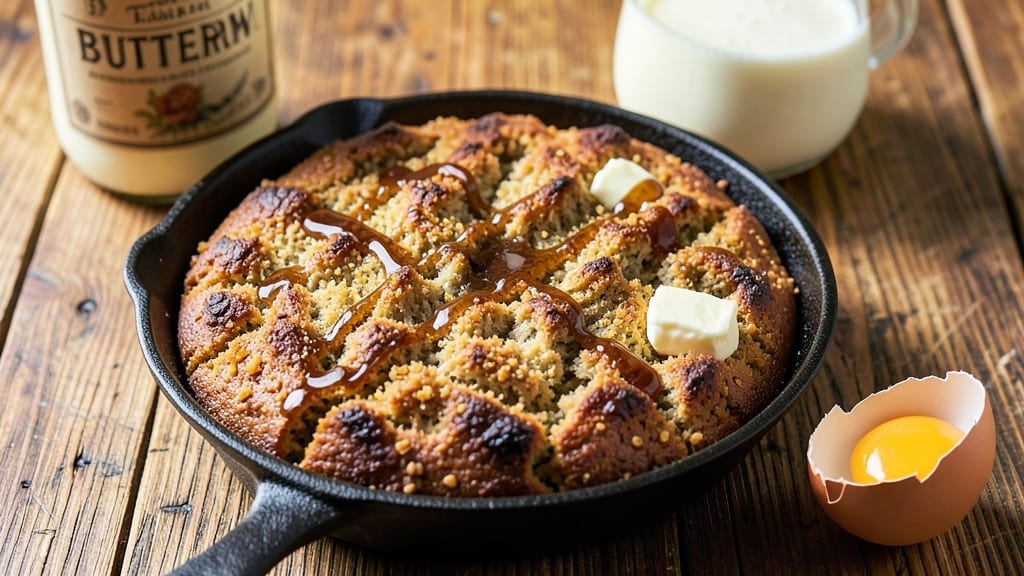
This almond flour cornbread recipe delivers the perfect balance of a crunchy top and moist crumb—all without gluten or refined flour. 🌟 The secret lies in almond flour’s natural richness and a few clever techniques that keep it tender while developing that coveted crispy crust.
I’ve perfected this recipe over years of testing, ensuring it’s foolproof for both beginners and experienced bakers alike.
The beauty of almond flour cornbread is its versatility—it’s naturally vegetarian and can easily be adapted to vegan diets with simple swaps.
The recipe relies on a 350°F bake for even cooking, with a focus on moisture retention through ingredients like eggs (or flax eggs for vegan versions) and a touch of honey or maple syrup for subtle sweetness.
No dry, crumbly texture here—just a tender crumb with a satisfying crunch on top.
What makes this recipe stand out is how it mimics traditional cornbread while offering a nutty depth from the almond flour. Serve it warm alongside chili, soups, or grilled meats, or enjoy it as a standalone side.
The texture is the real highlight—moist inside, crispy outside—with every bite offering a harmonious blend of flavors and textures.
Optional add-ins like jalapeños, cheddar cheese, or fresh herbs can customize it to your taste, but the base recipe is already packed with flavor. Whether you’re gluten-free, grain-free, or simply craving a healthier twist on classic cornbread, this recipe delivers restaurant-quality results at home.
Ingredients for almond flour corn bread
The perfect blend of nutty richness and classic cornbread texture starts with these 13 ingredients.
| Ingredient | Amount | Notes |
|---|---|---|
| Almond Flour 🌰 | 1 ½ cups | Finely ground, unsweetened preferred |
| Cornmeal 🌽 | ½ cup | Fine grind for even texture |
| Large Eggs 🥚 | 2 whole | Room temperature for even baking |
| Unsalted Butter 🧈 | ½ cup | Melted, full-fat for richness |
| Pure Maple Syrup 🍯 | ¼ cup | Grade B for robust flavor |
| Buttermilk 🥛 | ¾ cup | Substitute with milk + 1 tsp vinegar |
| Baking Powder 🧂 | 1 tbsp | Aluminum-free for best results |
| Salt 🧂 | ½ tsp | Diamond Crystal preferred |
| Vanilla Extract 🌿 | 1 tsp | Pure, high-quality preferred |
| Ground Flaxseed 🌾 | 1 tbsp | For vegan egg substitute |
| Water 💧 | 3 tbsp | For flax egg mixture |
| Shredded Cheddar Cheese 🧀 | ½ cup | Optional for added richness |
| Fresh Jalapeños 🌶️ | 2 whole | Diced, optional for heat |
Almond flour is the star here, so Bob’s Red Mill or Anthony’s Goods are my go-tos—both brands offer finely ground, consistent batches. The Grade B maple syrup adds depth that Grade A lacks, and you’ll find it at specialty stores or online. For the flax egg, ground flaxseed from bulk bins works best—just mix it with water and let sit for 5 minutes to thicken. The cornmeal should be fine grind to prevent grittiness, and King Arthur is reliable for this. If you’re using optional add-ins, pre-shred the cheese and dice the jalapeños before mixing—this ensures even distribution throughout the batter.
No buttermilk? Plain yogurt or milk with 1 tsp vinegar works perfectly. Substituting the maple syrup? Honey or agave at the same amount, but maple’s molasses notes are ideal. For a vegan version, skip the eggs entirely and use the flax egg mixture for binding. The baking powder must be fresh—if it’s over a year old, test it in a small batch of batter to ensure it still bubbles. For extra moisture, add an additional 1 tbsp of water to the batter, but don’t overmix—just stir until combined. The batter will be thick, almost like cookie dough, which is perfect for that moist crumb.
This cornbread keeps well for 3 days at room temperature wrapped in foil, or 1 week refrigerated in an airtight container. For longer storage, freeze portions for up to 3 months. Reheat slices in a 350°F oven for 5-7 minutes to restore crispiness. The texture improves slightly after baking—it continues to crisp as it cools. Store the almond flour in a cool, dark place to prevent rancidity, and keep baking powder in its original container with the lid tightly sealed.
Why You'll Love This Recipe
- No-Fuss Mix-In: This comes together with just five ingredients—no measuring cups, no sifting, no stress. I swear, I’ve made it while still in my pajamas.
- Sweet Crunch Magic: That maple syrup glaze? It’s the secret weapon—sticky, caramelized edges with a tender crumb inside. The almond flour adds a nutty depth that regular corn bread can’t touch.
- Weeknight or Sunday Feast: Serve it warm with chili for a hearty dinner, or cut into squares for a breakfast side. Honestly, it’s my go-to when I need something that feels special but doesn’t require a recipe.
- Budget-Friendly Luxury: Almond flour might seem pricey, but a little goes a long way, and the butter and syrup stretch the flavor. Plus, it reheats like a dream—so leftovers taste just as good the next day.
Step-by-step instructions for almond flour cornbread
Master this gluten-free recipe with a crispy top and perfectly moist interior.
👨🍳 Step 1: Prepare the Flax Egg and Melt the Butter
In a small bowl, combine the 1 tablespoon ground flaxseed with 3 tablespoons water and whisk vigorously. Let it sit for 5 minutes until it thickens into a gel-like consistency—this replaces the eggs for binding. Meanwhile, melt the ½ cup unsalted butter in a small saucepan over low heat, then set aside to cool slightly.
I always use Grade B pure maple syrup here—its robust flavor balances the nuttiness of the almond flour. While the butter melts, measure out the ½ cup shredded cheddar cheese and 2 whole fresh jalapeños, finely diced (seeds removed if you prefer less heat). The cheese adds richness while the jalapeños bring a subtle kick that pairs perfectly with the sweetness.
👨🍳 Step 2: Whisk Wet Ingredients for Even Texture
In a large mixing bowl, combine the 2 whole large eggs (room temperature), ½ cup buttermilk, ¼ cup pure maple syrup, 1 teaspoon vanilla extract, and the cooled melted butter. Whisk until fully incorporated—this creates the base for your cornbread's moist crumb. Add the flax egg mixture and whisk again until smooth.
Here's the thing—almond flour absorbs moisture differently than regular flour. The buttermilk and maple syrup work together to keep the texture tender while the flax egg provides structure. If your mixture looks too thick, add 1 tablespoon water at a time until it reaches a thick batter consistency, similar to heavy pancake batter.
👨🍳 Step 3: Combine Dry Ingredients Gently
In a separate bowl, sift together the 1½ cups almond flour, ½ cup cornmeal, 1 tablespoon baking powder, and ½ teaspoon salt. This step ensures even distribution of leavening agents and prevents dense pockets in your cornbread. Gradually fold the dry ingredients into the wet mixture using a spatula, mixing just until combined—overmixing develops gluten and makes the texture tough.
Fold in the ½ cup shredded cheddar cheese and 2 diced jalapeños, reserving a few jalapeño seeds if you want extra heat. The cheese melts beautifully during baking, adding a creamy element to each bite. Don't worry if the batter looks uneven—almond flour creates a naturally rustic texture that's part of its charm.
🔥 Step 4: Bake for Perfect Crispy Top and Moist Crumb
Preheat your oven to 350°F and grease a 9-inch cast-iron skillet generously with butter (or use baking spray). Pour the batter into the prepared skillet and smooth the top with a spatula. The key to that coveted crispy top is baking in cast iron—it conducts heat evenly and creates a beautiful crust.
Bake for 30-35 minutes until the edges are golden brown and a toothpick inserted in the center comes out clean. The cornbread is done when the top springs back slightly when pressed—don't rely solely on time, as ovens vary. If the top browns too quickly, tent loosely with foil for the last 10 minutes of baking to prevent over-browning.
⏰ Step 5: Rest and Serve for Maximum Moisture
Remove the cornbread from the oven and let it rest in the skillet for 10 minutes before attempting to slice. This resting period allows the internal structure to set and prevents crumbling. The cornbread will pull away slightly from the edges—this is normal and indicates a proper bake.
Slice into wedges and serve warm, preferably with a dollop of whipped butter or honey. The exterior should be crispy with a slight crunch, while the interior remains tender and moist. If you stored leftovers, reheat slices in a 350°F oven for 5-7 minutes to restore the crispy texture. This recipe yields 4 generous servings—perfect for sharing.
Pro Tips For Making Almond Flour Corn Bread
- DON’T OVERMIX THE BATTER: I learned this the hard way—whipping almond flour batter until it’s smooth turns it dense and rubbery. Mix just until the cornmeal and almond flour are barely combined, with a few lumps still visible. The texture should look more like a thick pancake batter than a cake mix.
- MELT BUTTER INTO THE DRY FIRST: Skipping this step means cold butter pockets that won’t crisp properly. Warm 2 tablespoons of unsalted butter in the microwave for 15 seconds, then stir it into the dry ingredients (almond flour + cornmeal) before adding wet ingredients. This coats the flour evenly, guaranteeing a golden crust instead of a sad, greasy bottom.
- USE ROOM-TEMP EGG WHITES: Cold eggs incorporate air poorly, which means a flatter, denser loaf. Crack your eggs into a bowl 10 minutes before mixing—let the whites warm up so they whip up properly. If you’re in a rush, run the whole egg under warm water for 30 seconds. Trust me, the rise makes a real difference.
- COVER WITH FOIL AT 325°F: This isn’t a traditional corn bread—it’s prone to drying out before the center sets. After 20 minutes in a 350°F oven, tent the loaf with foil and lower the heat to 325°F. The foil traps steam for even baking, while the lower temp prevents the almond flour from burning before the middle cooks through. (Yes, even if you’re impatient like me.)
Troubleshooting this recipe
Dense Batter Issues
If your batter turns out too thick, don't panic—this happens often with almond flour. The fix is simple: add 1 tablespoon water at a time while whisking until you reach a consistency similar to heavy pancake batter.
For extra insurance, ensure your eggs are room temperature and your almond flour isn't clumped. I've found Bob's Red Mill almond flour blends best for this recipe. 🌰
Cakey Texture Problems
Overmixing develops gluten in almond flour, resulting in a cakey texture rather than the desired crumb. To prevent this, mix wet and dry ingredients just until combined—think "lumpy is okay." If your cornbread turns out too dense, the baking powder might be old.
Test it by mixing 1 teaspoon with ¼ cup hot water—it should bubble vigorously. Replace if it doesn't. ⚡
Uneven Baking
Almond flour batters can bake unevenly, especially in glass pans. For consistent results, use a 9-inch cast-iron skillet—it conducts heat perfectly and creates that coveted crispy top. If you must use glass, place the pan on the middle rack and rotate halfway through baking.
The oven's hot spots can cause uneven browning, so keep an eye on it after 20 minutes. 🔥
Dry Crumb Solution
A dry crumb usually means insufficient moisture or overbaking. First, check your butter—it should be melted but not hot when added to the batter. For extra moisture, add 1 tablespoon buttermilk or 1 teaspoon apple cider vinegar to the wet ingredients.
If the cornbread still turns out dry, try tenting it with foil for the last 10 minutes of baking to slow moisture loss. 💧
Soggy Top Fix
A soggy top often results from opening the oven door too early or insufficient baking time. To prevent this, bake until the top springs back slightly when pressed (usually 30-35 minutes at 350°F).
For extra crunch, broil for 1-2 minutes at the very end—just watch it closely to avoid burning. If your oven runs hot, reduce the temperature to 325°F for the last 10 minutes of baking. 🌟
Flax Egg Substitute Issues
If your flax egg isn't thickening properly, it could be old flaxseed or insufficient resting time. Measure 1 tablespoon ground flaxseed with 3 tablespoons water and let it sit for 5-10 minutes—it should become gel-like.
For a backup, use 1 tablespoon chia seeds mixed with 3 tablespoons water instead. If the flax egg separates, whisk it vigorously before adding to the batter. 💡
Nutrition facts
Frequently asked questions
Can I make this almond flour cornbread vegan?
Yes! Skip the eggs and use the flax egg substitute (1 tbsp ground flaxseed + 3 tbsp water per egg). For the buttermilk, mix ½ cup plant-based milk with 1 tsp apple cider vinegar. The texture will be slightly denser but still delicious. You can also replace the butter with vegan butter or coconut oil.
Why does my almond flour cornbread turn out dry?
Almond flour absorbs moisture differently than regular flour. To prevent dryness, ensure your butter is melted but not hot when mixing, and don't overbake. For extra moisture, add 1 tbsp buttermilk or 1 tsp apple cider vinegar to the wet ingredients. Also, tent with foil for the last 10 minutes if the top browns too quickly.
Can I use this recipe in a regular loaf pan instead of cast iron?
You can try, but cast iron creates the best crispy top. If using a loaf pan, reduce the oven temperature to 325°F and bake for 40-45 minutes. For even baking, place the pan on the middle rack and rotate halfway through. The texture will be slightly less crispy but still moist and flavorful.
How do I store leftovers to keep them fresh?
Wrap cooled cornbread tightly in foil or store in an airtight container. It stays fresh for 3 days at room temperature or 1 week refrigerated. For longer storage, freeze slices for up to 3 months. To reheat, warm in a 350°F oven for 5-7 minutes until crispy again.
What can I add to make it extra flavorful?
Try these delicious add-ins: ½ cup shredded cheddar cheese, 2 diced jalapeños, 1 tsp smoked paprika, or ½ cup corn kernels. For sweetness, fold in ¼ cup chopped pecans or 2 tbsp honey. Just be mindful not to overmix—fold in gently at the end.