
Side Dishes
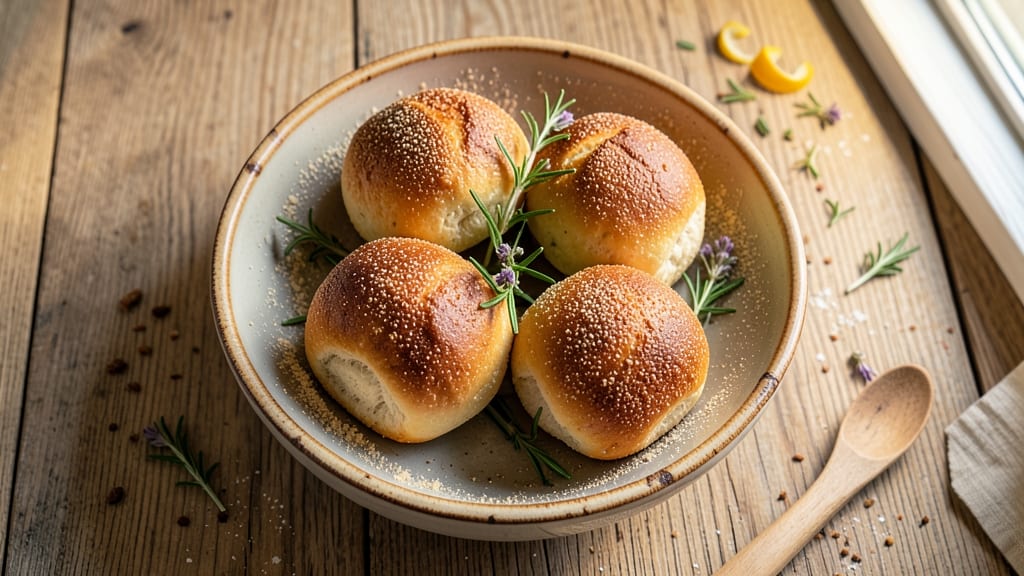
This almond flour bread rolls recipe delivers the perfect balance of nutty flavor and crispy texture without a single grain of gluten. The secret lies in the right binder combination—flax eggs and almond flour create a dough that's sturdy yet tender, with a golden crust that crackles when bitten.
I've tested countless variations, and this version consistently rises beautifully, yielding rolls that toast up perfectly for breakfast or pair elegantly with soups.
The dough requires just a few simple ingredients but transforms into something extraordinary when proofed properly. Almond flour provides natural richness and a delicate crumb, while the flax eggs add structure without heaviness.
Yeast works its magic during the proofing stage, creating those airy pockets that make each roll irresistibly light. What you'll end up with is a batch of rolls that smell like a bakery and taste even better.
Baking these rolls at the right temperature ensures that crispy exterior we all crave while keeping the interior soft and pillowy. The aroma alone—warm, nutty, and slightly sweet—will have everyone asking for seconds.
These rolls hold up beautifully when toasted, making them perfect for breakfast with jam or as a side for hearty meals.
Whether you're accommodating dietary restrictions or simply craving something unique, this recipe delivers restaurant-quality results at home. The technique is straightforward, and the ingredients are easy to find, making it accessible for bakers of all skill levels. Let's get baking!
Ingredients for almond flour bread rolls
Twelve simple ingredients transform into golden, nutty rolls with a crispy crust and tender crumb.
| Ingredient | Amount | Notes |
|---|---|---|
| Almond Flour 🌰 | 3 cups | Finely ground, unsweetened |
| Ground Flaxseed 🌾 | ½ cup | For flax eggs |
| Water 💧 | 1 ¼ cups | Warm, not hot |
| Active Dry Yeast 🍞 | 1 tsp | Instant yeast works too |
| Granulated Sugar 🍬 | 1 tbsp | Or coconut sugar |
| Salt 🧂 | ½ tsp | Fine sea salt preferred |
| Vegetable Oil 🫒 | ¼ cup | For dough softness |
| Apple Cider Vinegar 🍎 | 1 tbsp | Enhances flavor |
| Vegetable Oil Spray 🫒 | 2 tbsp | For pan coating |
| Sesame Seeds 🌻 | 1 tbsp | Optional topping |
| Maple Syrup 🍁 | 1 tbsp | For brushing rolls |
| Cornstarch 🌾 | 1 tbsp | For dusting |
Almond flour is the star here—Bob's Red Mill or Anthony's Goods brands deliver the finest grind for perfect texture. The flaxseed needs to be ground fresh; pre-ground loses potency quickly. Warm water activates the yeast, but don't let it get hot or you'll kill it. For yeast, Red Star is my go-to—it's reliable and widely available. The apple cider vinegar might seem odd, but it adds depth and helps with rise. If you're using a scale, almond flour should weigh about 4 oz per cup—pack it gently but don't compress it.
No almond flour? Sunflower seed flour works in a pinch, though texture will differ slightly. Short on flaxseed? Chia seeds ground with water makes a decent substitute. The sugar can be swapped for maple syrup at half the amount, but it'll make the rolls slightly sweeter. For oil, avocado oil has a neutral flavor that works well. If you're making these ahead, the dough can be refrigerated for up to 24 hours—just let it come to room temp before shaping. The sesame seeds are optional but add a nice crunch; toasted seeds taste even better.
These rolls keep beautifully for 3 days in an airtight container at room temperature, though they're best fresh. For longer storage, freeze shaped rolls before baking—wrap individually in parchment, then freeze for up to 3 months. To reheat, wrap in foil and warm in a 350°F oven for 5-7 minutes. The cornstarch is key for dusting—it prevents sticking better than flour. I always make a double batch; they disappear fast, especially when toasted with jam for breakfast. The aroma alone will have your whole house smelling like a bakery.
Why You'll Love This Recipe
- No Yeast Mess: Mixing these dough balls takes two minutes—just fold the almond flour, ground flaxseed (for that perfect bind), and a splash of warm water. No sticky hands, no kneading, no waiting for dough to rise. Honestly, I’ve made this while scrolling through my phone.
- Nutty, Buttery Magic: That first bite? Rich, toasty almond flavor with just enough sweetness from the sugar to balance it out. The ground flaxseed adds a subtle earthiness—like a cross between a brioche roll and a cookie dough hug. (Yes, even on a Tuesday night.)
- Freezer-Friendly Rolls: Bake a batch, freeze them, and pull them out whenever you need. Toss them straight into the oven—no thawing, no fuss. My go-to for game day, last-minute dinner guests, or when I forget to plan ahead.
- Budget-Smart Luxury: Almond flour’s pricier, but you only need a handful per batch. The yeast and flaxseed keep costs low, and one batch stretches across meals—stuff them with cheese for breakfast, use them to soak up gravy, or serve as a side. My secret weapon for feeling fancy without breaking the bank.
Step-by-step instructions for almond flour bread rolls
Here's how to create golden, nutty bread rolls with a crisp exterior and tender crumb.
Create Flax Eggs and Activate the Yeast
In a small bowl, combine the 0.5 cup ground flaxseed with the 1.25 cups warm water (about 105°F). Let it sit for 5 minutes until it thickens into a gel-like consistency—this is your flax egg substitute. In another bowl, whisk together the 1 tsp active dry yeast, 1 tbsp granulated sugar, and 0.5 tsp salt with ¼ cup of the warm water from the flax mixture. Let it sit for 5-7 minutes until foamy. This activates the yeast and ensures proper rise.
I prefer using warm water for the yeast activation because it speeds up the process without killing the yeast. If the mixture doesn't foam after 7 minutes, your yeast might be old—start over with fresh yeast. The flax eggs provide the binding properties that traditional eggs would, making this dough work without gluten.
Mix the Dough and Knead Gently
In a large mixing bowl, combine the 3 cups almond flour, 0.25 cup vegetable oil, and the flax egg mixture. Stir with a wooden spoon until a shaggy dough forms. Add the yeast mixture and 1 tbsp apple cider vinegar, then mix until fully incorporated. The dough will be sticky but manageable—this is normal for almond flour-based doughs.
Transfer the dough to a lightly floured surface (use the 1 tbsp cornstarch if needed) and knead gently for 2-3 minutes until smooth. Avoid over-kneading, as almond flour dough doesn't develop gluten like wheat flour. The dough should be soft and slightly tacky but hold together when pressed. If it's too sticky, wet your hands slightly to prevent sticking.
First Rise and Shape the Rolls
Lightly grease a large bowl with vegetable oil spray and place the dough inside. Cover with a damp towel and let it rise in a warm place for 1-1.5 hours, or until doubled in size. The dough should feel slightly puffy and spring back slowly when pressed gently. This rise is crucial for developing flavor and texture—don't skip it.
Once risen, punch down the dough to release air and divide it into 12 equal portions (about 1.5 oz each). Roll each portion into a smooth ball, then place them on a parchment-lined baking sheet, spacing them about 2 inches apart. Cover loosely with a towel and let them rise for another 30-45 minutes until slightly puffy. This second rise ensures each roll has a proper shape and texture.
Bake to Golden Perfection
Preheat your oven to 375°F and spray the rolls lightly with vegetable oil spray for extra crispiness. Bake for 15-18 minutes until the tops are golden brown and the internal temperature reaches 190°F. The rolls should sound hollow when tapped on the bottom. Rotate the baking sheet halfway through for even browning.
For extra crispiness, brush the tops with 1 tbsp maple syrup immediately after baking. Sprinkle with 1 tbsp sesame seeds while still warm for added texture. Let the rolls cool on a wire rack for 10 minutes before serving—this prevents them from becoming gummy. The exterior should be crisp with a slight crackle, while the interior remains soft and tender.
Pro Tips For Making Almond Flour Bread Rolls
- Mix Flaxseed First: Combine ground flaxseed with water before adding almond flour—this creates a gel-like binder that mimics eggs. I learned this the hard way when my rolls crumbled because the flaxseed didn’t hydrate properly; let it sit for 5 minutes before mixing.
- Use Warm Water: Dissolve the yeast in water that’s 105–110°F—not boiling, not cold. I used room-temp water once and my rolls took three times longer to rise; yeast needs a cozy environment to wake up.
- Skip Overmixing: Almond flour dough is delicate—mix just until combined, or you’ll develop gluten and end up with dense, chewy rolls. I used to overwork it like wheat dough, and the texture suffered every time.
- Proof at Room Temp: Let dough rise in a warm spot (75–80°F) for 60–90 minutes—not the fridge. Cold slows yeast, and my rolls would barely double, leaving them flat and flavorless. A sunny windowsill works if you’re impatient.
Wine and beer pairings for this almond flour bread rolls
Crisp White Wine
Almond flour bread rolls pair beautifully with dry white wines that complement their nutty flavor without overpowering. I reach for a Sauvignon Blanc from New Zealand—its citrus notes and crisp acidity cut through the richness of the almond flour while enhancing the rolls' natural sweetness.
A Pinot Grigio from Italy also works wonderfully, especially if you've brushed the rolls with maple syrup. The wine's bright, mineral finish balances the rolls' nutty depth perfectly. 🍷
Light Beer Pairings
For beer lovers, a wheat beer or pilsner is ideal due to their clean, crisp profiles. I love pairing these rolls with a Belgian Witbier like Hoegaarden—its coriander and orange peel notes create a refreshing contrast to the almond's richness.
A German Pilsner such as Warsteiner also shines, especially when the rolls are toasted and served with jam. The beer's subtle bitterness complements the rolls' sweet, nutty undertones beautifully.
Sweet Sparkling Options
If you prefer something bubbly, a dry sparkling wine like Prosecco or Cava adds an elegant touch. The effervescence cleanses the palate between bites, while the wine's slight sweetness enhances the rolls' natural flavor.
For a non-alcoholic option, sparkling apple cider with a splash of ginger beer creates a festive pairing that's perfect for brunch or holiday gatherings. The carbonation keeps the experience lively and refreshing.
Rich Red Wine Contrast
While white wines and beers are classic choices, a light-bodied red like Pinot Noir can also work if you prefer red wine. Opt for a New World version from Oregon or Chile—its red fruit notes and soft tannins won’t clash with the almond flavor.
Avoid heavy reds like Cabernet Sauvignon, as their bold tannins can overpower the delicate texture of the rolls. A Chianti with its bright acidity is another great option for those who enjoy reds.
Coffee or Tea Finish
For a non-alcoholic pairing, a light roast coffee or earl grey tea elevates the experience. The nutty notes in the coffee mirror the almond flour, while the tea’s citrusy undertones complement the rolls' subtle sweetness.
I often serve these rolls with a cortado (equal parts espresso and steamed milk) for a cozy, satisfying combination. The warmth of the coffee enhances the rolls' aroma, making every bite even more enjoyable. ☕
Nutrition facts
Frequently asked questions
Why does almond flour bread need flax eggs instead of regular eggs?
Flax eggs create the same binding effect as traditional eggs but work perfectly with almond flour's properties. The gelatinous texture helps hold the dough together during shaping and baking, while keeping the finished rolls light and tender. Plus, it eliminates any potential gluten concerns!
Can I make these rolls without yeast?
Yes! For a quick version, replace the yeast with 1 tsp baking powder and 1 tsp baking soda. These will rise immediately in the oven, though they won't have the same airy texture. The flavor remains delicious, but expect denser rolls. Proofing time drops to just 10 minutes before baking.
How do I fix rolls that turn out too dense?
Dense rolls usually mean underproofing or overmixing. Next time, ensure your dough rises until doubled in size during both rises. Also, avoid kneading more than 2-3 minutes—almond flour dough doesn't need much development. For extra lightness, add 1 tsp apple cider vinegar to help with rise.
Can I make these rolls in a bread machine?
Not with this recipe—almond flour dough is too delicate for bread machines. The sticky texture and lack of gluten make it unsuitable for mechanical kneading. Stick to hand-mixing for best results. The gentle kneading by hand helps maintain the proper texture without overworking the dough.
What's the best way to reheat leftover rolls?
Wrap individual rolls in foil and warm in a 350°F oven for 5-7 minutes until crispy again. For microwave reheating, place rolls on a plate with a damp paper towel and heat for 10-15 seconds—this keeps them from getting soggy. The oven method preserves that perfect crackly crust!