
Side Dishes
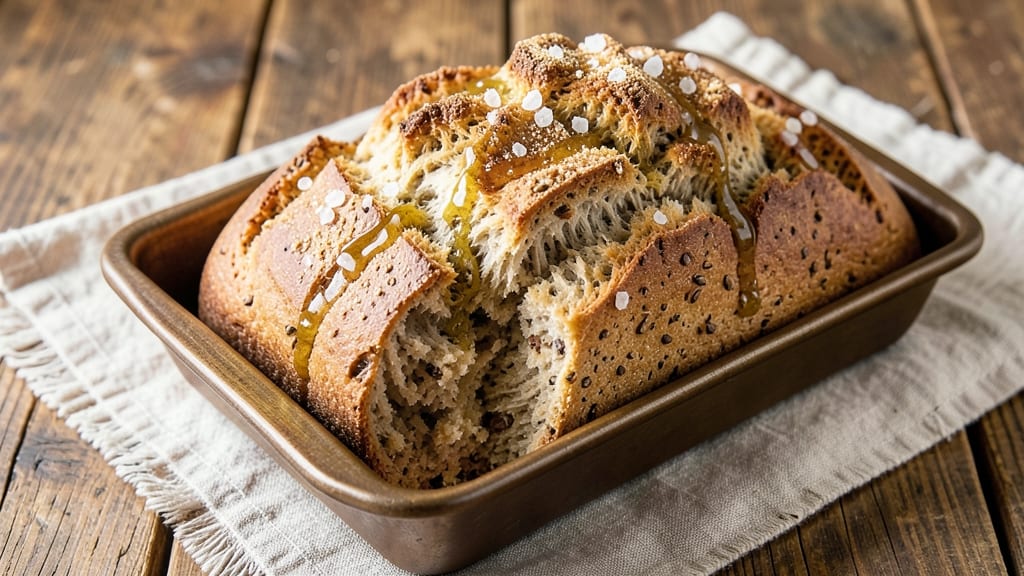
This 9-grain bread machine recipe delivers a loaf with a nutty crust and fluffy interior—perfect for sandwiches, toast, or gourmet pairings. The blend of whole grains adds depth while keeping the texture light, thanks to precise hydration and yeast activation.
I’ve refined this recipe over years to ensure consistent results, whether you’re using traditional yeast or a sourdough starter.
The key to success lies in the grain-to-flour ratio and kneading cycle. A bread machine handles the heavy lifting, but proper ingredient sequencing—like adding seeds last—prevents sinking. For a crusty exterior, I recommend a quick steam spray during the final minutes of baking.
The result? A loaf with golden cracks and a tender crumb that’s impossible to resist.
This recipe works with store-bought yeast for convenience or a wild fermentation for deeper flavor. Either way, the bread develops a rich, toasty aroma that fills your kitchen long before it’s ready. It’s ideal for meal prep, gifting, or simply enjoying fresh from the machine.
For troubleshooting, monitor hydration—too much can make the dough sticky, while too little risks a dense crumb. Adjust water in 1-tablespoon increments until you achieve the perfect balance. The payoff? A versatile loaf that’s as nutritious as it is delicious.
Ingredients for 9 grain bread machine
Nine whole grains, one machine, a loaf with golden cracks and tender crumb inside.
| Ingredient | Amount | Notes |
|---|---|---|
| All-Purpose Flour 🌾 | 2 ½ cups | White flour for structure |
| Whole Wheat Flour 🌾 | 1 cup | Adds hearty texture |
| Rye Flour 🌾 | ½ cup | For nutty depth |
| Spelt Flour 🌾 | ½ cup | Lightens the blend |
| Active Dry Yeast 🍞 | 1 ½ tsp | Or sourdough starter |
| Granulated Sugar 🍚 | ¼ cup | Feeds yeast fermentation |
| Salt 🧂 | 1 ½ tsp | Diamond Crystal preferred |
| Warm Water 💧 | 1 ¼ cups | 110°F for yeast activation |
| Sunflower Seeds 🌻 | ¼ cup | Toasted for crunch |
| Pumpkin Seeds 🎃 | ¼ cup | Added last to prevent sinking |
| Sesame Seeds 🌱 | 1 tbsp | For golden crust |
| Olive Oil 🫒 | 1 tbsp | Extra-virgin for richness |
| Honey 🍯 | 1 tbsp | Enhances crust browning |
The flours are the soul of this recipe. Bob's Red Mill has the best pre-milled blends, but you can mix your own if you're patient—just measure carefully. Rye and spelt add that nutty depth, while whole wheat keeps it substantial. For the yeast, Fresh Start by Fleischmann is my go-to for consistency, but a sourdough starter takes this to next-level flavor. The key is activating the yeast properly—warm water should feel like bathwater, not scalding. If your kitchen's cold, let the water sit for 5 minutes to hit that sweet spot.
No rye flour? Substitute whole wheat plus 1 tsp extra molasses for that earthy note. Running short on seeds? Toasted oats or chopped nuts work in a pinch—they just won't have the same crunch. The honey can be swapped for maple syrup if you're avoiding it, though it'll be slightly less crisp. For a lighter texture, reduce the whole wheat by 2 tbsp and add 2 tbsp all-purpose. And if your machine has a 'dough' setting, use it—it gives better control over hydration than 'basic' bread mode.
This dough is best used immediately, but you can shape it and refrigerate for up to 24 hours if you're prepping ahead. Wrap tightly in plastic to prevent drying. For extra crustiness, spray the loaf with water during the last 2 minutes of baking. Store at room temperature for 3 days or freeze for 3 months. I slice mine with a serrated knife for clean cuts—no bread knife can handle this dense crumb. The seeds stay crisp for days, so it's perfect for meal prep.
Why You'll Love This Recipe
- No-Knead Magic: I dump everything in, press start, and walk away. The bread machine does all the heavy lifting—no sticky hands, no elbow grease—just a loaf that smells like heaven when it’s done.
- Earthy, Nutty Richness: That blend of rye, spelt, and whole wheat? It’s like a grown-up sandwich. The crust gets a deep, toasty crunch while the inside stays soft—perfect for toast that actually tastes like bread, not cardboard.
- Weeknight Workhorse: I make a batch on Sunday, and it lasts me all week. Slather it with peanut butter for breakfast, use it for sandwiches, or even toast it up with olive oil for a quick snack. It’s the ultimate lazy-person hero.
- Budget-Friendly Staple: Five cheap flours and yeast add up to a loaf that costs pennies per slice. Honestly, I’ve never found a better way to stretch a grocery budget without sacrificing taste—or my sanity during meal prep.
Step-by-step instructions for 9-Grain bread machine recipe
Here's how to transform simple ingredients into a loaf with nutty crust and fluffy interior.
Combine Dry Ingredients in the Bread Pan
In your bread machine pan, mix together the 2.5 cups All-Purpose Flour, 1 cup Whole Wheat Flour, 0.5 cup Rye Flour, and 0.5 cup Spelt Flour. I like to use a whisk to break up any flour clumps before adding the remaining ingredients. The rye and spelt flours give that signature nutty depth, so don't skip measuring them precisely.
Next, add the 1.5 tsp Active Dry Yeast, 0.25 cup Granulated Sugar, and 1.5 tsp Salt. Gently stir these dry ingredients into the flour mixture using a spoon. The yeast and sugar will start activating as soon as they come into contact with moisture, so we'll add the wet ingredients next to kickstart fermentation. Make sure all the dry ingredients are evenly distributed throughout the flour blend.
Add Wet Ingredients and Mix
In a separate bowl, combine the 1.25 cups Warm Water (around 110°F—test by dropping a few drops on your wrist; it should feel warm but not hot), 1 tbsp Olive Oil, and 1 tbsp Honey. The warm water activates the yeast, while the olive oil and honey contribute to that rich, slightly sweet flavor profile. Stir these ingredients together until fully blended.
Pour the wet mixture into the bread pan with the dry ingredients. Use a rubber spatula to scrape out any remaining liquid from the bowl and transfer it to the pan. Then, add the 1 tbsp Sesame Seeds and 0.25 cup Sunflower Seeds. Give everything a quick stir with a wooden spoon to distribute the seeds evenly. The sesame seeds will create that beautiful golden crust we're after, while the sunflower seeds add crunch.
Set the Bread Machine and Start the Cycle
Close the bread machine lid and select the "Basic White Bread" setting. This setting typically includes a 3-hour cycle with a 1-hour kneading phase followed by 2 hours of rising and baking. The machine will automatically handle the kneading, first rise, shaping, second rise, and baking—all you need to do is let it work its magic.
Here's the thing—don't be tempted to open the machine during the cycle. Each time you open it, you release heat and steam, which can disrupt the fermentation process and lead to a denser loaf. The machine will handle everything perfectly if left undisturbed.
Add Seeds During the Final Kneading Phase
When the machine beeps to indicate the final kneading phase (usually around 20 minutes into the cycle), open the lid and add the 0.25 cup Pumpkin Seeds. These should be added last to prevent them from sinking to the bottom during the initial kneading. Sprinkle them evenly over the dough and quickly close the lid to resume the cycle.
The pumpkin seeds add a delightful texture contrast and prevent the bread from becoming too dense. Their nutty flavor pairs beautifully with the rye and spelt flours, creating that complex, multi-layered taste we're aiming for.
Remove and Cool the Bread
Once the cycle completes, the bread will be hot and ready to enjoy. I recommend removing it from the pan immediately and placing it on a wire rack to cool for at least 30 minutes. This cooling period allows the bread to set properly and prevents a gummy texture. The crust should be golden brown with visible seeds embedded throughout.
To serve, slice the loaf into 4 even portions (since this recipe makes 4 servings). The interior should be fluffy with an open crumb structure, and each bite should deliver that perfect balance of nutty crust and soft interior. Store any leftovers in an airtight container for up to 3 days or freeze for longer storage.
Pro Tips For Making 9 Grain Bread Machine
- WEIGH YOUR FLOURS: Mixing flours by volume in a bread machine leads to dense, uneven bread. Use a kitchen scale for each type—whole wheat and rye especially pack differently. I learned this the hard way when my first batch turned out like a brick.
- PRE-SOAK THE RYE: Rye flour absorbs moisture faster than the others. Mix it with the water first, then let it sit for 5 minutes before adding to the machine. This prevents clumping and ensures even hydration—your bread will rise better and taste less gritty.
- SKIP THE OVERMIXING: Once you add the yeast and water, resist the urge to stir vigorously. A quick swirl with a spoon is enough—overmixing develops gluten too early, and with all those dense flours, your bread will turn out tough. Let the machine do the work.
- ADD A LITTLE HONEY: The recipe might not call for it, but 1 tablespoon of honey or sugar helps the yeast activate faster, especially with the heavy whole wheat and spelt. It also balances the earthy flavors—trust me, your bread will taste brighter.
Make-ahead tips for this 9 grain bread machine
Prep Ahead Strategy
Shape the dough into a loaf and refrigerate it for up to 24 hours before baking. Wrap it tightly in plastic wrap to prevent drying. This cold fermentation enhances flavor development—just add 15 minutes to your bread machine cycle when baking from cold.
I often prep dough the night before for fresh bread in the morning. 💫
Freezer-Friendly Loaves
Slice the cooled loaf and freeze individual portions in quart-sized freezer bags for up to 3 months. To reheat, wrap slices in foil and warm at 350°F for 5-7 minutes.
The seeds stay crisp, and the interior remains soft. I keep a stash of these for quick breakfasts or sandwiches. ❄️
Seed Toasting Tip
Toast your sunflower and pumpkin seeds for 5-7 minutes at 350°F before adding to the dough. This intensifies their flavor and prevents them from sinking too quickly. I use a dry skillet over medium heat—just watch them closely to avoid burning. 🌻
Hydration Adjustments
If your kitchen is humid, reduce water by 1 tablespoon to prevent a gummy texture. For drier climates, add 1 tablespoon extra to help with oven spring. I test dough consistency by pressing it—it should spring back slowly, not stick to your finger. 💧
Make-Ahead Jam Topping
Prepare a quick jam topping by simmering ½ cup jam with 1 tsp lemon juice for 3 minutes. Brush on warm bread before serving for a sweet contrast. I use strawberry or apricot—both pair beautifully with the nutty grains. This takes 5 minutes and elevates the bread instantly. 🍓
Storage Containers
Use glass airtight containers like Pyrex with snap-on lids for room-temperature storage. These preserve freshness longer than plastic. For freezing, I prefer vacuum-sealed bags to prevent freezer burn. Label containers with dates to track freshness. 📅
Nutrition facts
Frequently asked questions
Can I substitute any of the flours in this 9-grain recipe?
Yes, but adjust carefully! Replace rye flour with whole wheat plus 1 tsp molasses for depth. For spelt, use all-purpose flour—it won't have the same nutty flavor but keeps the texture light. If you're avoiding gluten, try a 1:1 gluten-free flour blend like Bob's Red Mill, but expect a denser crumb. Always reduce whole wheat by 2 tbsp if substituting to prevent heaviness.
Why does my bread machine dough stick to the sides?
This usually means your dough is too wet or the pan isn't properly greased. First, reduce water by 1 tablespoon and add ½ tsp more flour. Always coat the pan with nonstick spray or olive oil before adding ingredients. If the dough still sticks, try the "dough" setting instead of "basic"—it uses less water and longer kneading to strengthen gluten.
How do I get a crustier exterior without burning the interior?
For a crispy crust, spray the loaf with water during the last 2 minutes of baking. If your machine doesn't have a steam function, place a metal bowl of boiling water in the oven when the bread starts baking. For even browning, cover the loaf with a light-colored oven-safe dish during the first 45 minutes, then uncover. This creates a golden, crackly crust while keeping the inside soft.
Can I use this recipe with a sourdough starter instead of yeast?
Replace the 1.5 tsp yeast with ½ cup active sourdough starter (fed and bubbly). Reduce the water by ¼ cup since starters contain moisture. Let the dough ferment at room temperature for 8-12 hours before baking, or use the machine's "sourdough" setting if available. The flavor will be tangier and more complex—perfect for sandwiches!
What's the best way to store leftover 9-grain bread?
Wrap the cooled loaf in plastic wrap and store at room temperature for 3 days in an airtight container. For longer storage, slice and freeze portions in quart-sized freezer bags for up to 3 months. To reheat, wrap slices in foil and warm at 350°F for 5-7 minutes. The seeds stay crisp, and the interior remains soft. For extra freshness, toast slices before serving.