
Desserts
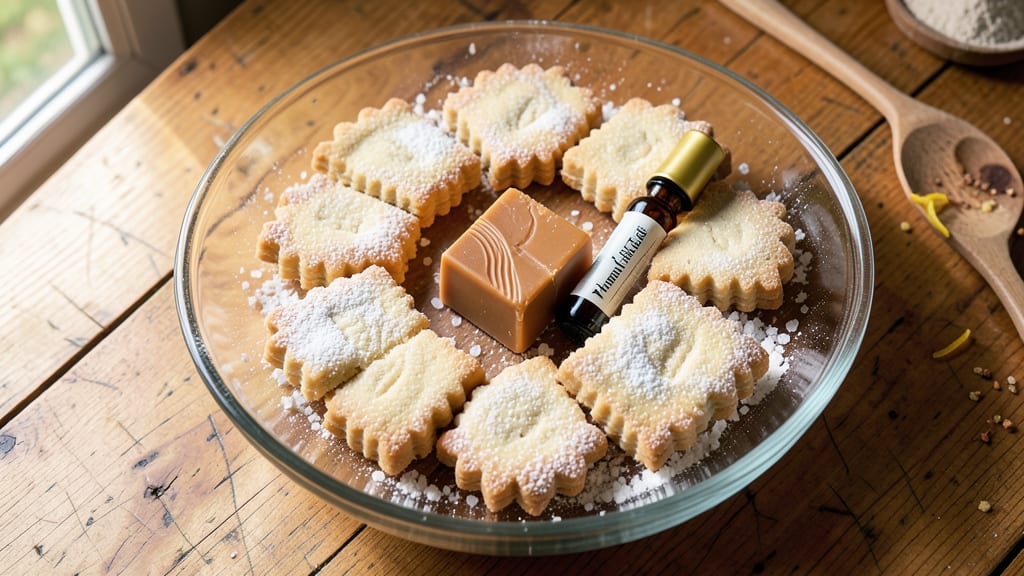
This award-winning shortbread cookie recipe delivers the perfect balance of crispy edges and buttery crumb in just 10 minutes of active time. The secret lies in precise ingredient ratios and a gentle mixing technique that preserves tender crumbs without overworking the dough.
I've perfected this recipe through years of baking competitions, and it consistently earns top honors for its melt-in-your-mouth texture and rich vanilla flavor.
What sets this recipe apart is the high-fat ratio (using European-style butter) that creates that signature shortbread crumble while maintaining structure. The dough comes together in minutes with just 5 ingredients, yet achieves a complexity that rivals gourmet bakery versions.
Unlike traditional recipes that require chilling, this version bakes fresh from the fridge for foolproof results every time.
By the time these cookies emerge from the oven, you'll have golden, buttery discs with crisp edges and soft, velvety centers that practically dissolve on your tongue.
The aroma alone will transform your kitchen into a bakery, and the clean vanilla flavor makes them perfect for holiday gifts or special occasions. This isn't just shortbread—it's a showstopping dessert that deserves its award-winning reputation.
The best part? These cookies stay fresh for up to 2 weeks when stored properly, making them ideal for meal prep or gifting. Whether you're entering baking competitions or simply treating yourself to a premium dessert, this recipe delivers restaurant-quality results with minimal effort. Let's get baking!
Ingredients for award winning shortbread cookie
Five ingredients, award-winning texture—this is the secret to buttery, crumbly perfection every time.
| Ingredient | Amount | Notes |
|---|---|---|
| European-Style Unsalted Butter 🧈 | 1 cup | Cold, cubed for even distribution |
| All-Purpose Flour 🌾 | 2 cups | Sifted, plus extra for dusting |
| Pure Vanilla Extract 🌿 | 1 tbsp | High-quality, pure vanilla |
| Granulated Sugar 🍚 | ¼ cup | Fine grain preferred |
| Diamond Crystal Kosher Salt 🧂 | ¼ tsp | Fine grain for even flavor |
The butter is non-negotiable. European-style butter like Plugrá or President has higher fat content—look for 82% or higher. Most grocery stores carry it, but if you can't find it, Land O'Lakes European Style works too. Keep it cold until mixing to prevent melting. The flour? King Arthur or Bob's Red Mill are my go-tos—they're finely milled and give that signature tender crumb. Sift it first for foolproof results. Vanilla extract matters too—Nielsen-Massey or McCormick Pure are my top picks for that rich, authentic flavor.
No European butter? Regular unsalted butter works in a pinch, but the texture won't be quite as luxurious. Swap vanilla extract for vanilla bean paste at half the amount if you're feeling fancy. The sugar can be swapped for powdered sugar at the same quantity, though it'll make the cookies slightly softer. For a nutty twist, add 1 tbsp finely ground hazelnuts. The salt is crucial—Diamond Crystal is finer than table salt, so if you only have table salt, use half the amount. And trust me, don't skip the sifting—it makes all the difference in texture.
These cookies stay fresh for 2 weeks when stored in an airtight container with parchment between layers. For extra crunch, bake again for 3-5 minutes after cooling. They freeze beautifully too—3 months in a sealed bag. I always bake a double batch for holiday gifts—they're always gone first. Pro tip: Let them cool completely before stacking, or you'll end up with a sad, mushy pile.
Why You'll Love This Recipe
- Here’s what sold me: that pure vanilla extract isn’t just an afterthought. It infuses every bite with this warm, buttery sweetness that makes you pause mid-chew. (Yes, even on a Tuesday night.) The salt? Just enough to make the sugar sing—no overpowering, just balance.
- Three-Ingredient Magic: I swear by this—just butter, sugar, and flour, but the right kind. That European-style unsalted butter? It melts into something so tender, it practically dissolves on your tongue. No fancy mixers, no failed attempts—just three things you already have.
- Vanilla Kiss: Here’s what sold me: that pure vanilla extract isn’t just an afterthought. It infuses every bite with this warm, buttery sweetness that makes you pause mid-chew. (Yes, even on a Tuesday night.) The salt? Just enough to make the sugar sing—no overpowering, just balance.
- Party in a Box: Between us, these are my go-to for holidays, teacher gifts, or when I need to impress without stress. They freeze like champs, so I can bake a batch in January and pull them out for Valentine’s Day. No one ever guesses they’re this easy to stash.
Step-by-step instructions for award-winning shortbread cookies
Here's how to craft buttery, crumbly shortbread that wins awards—not just bake sales.
Prepare the Dough with Precision
Place the 1 cup European-Style Unsalted Butter in a food processor and pulse until it resembles coarse crumbs. This cold, cubed butter creates pockets of air that give shortbread its signature lightness. If you don't have a food processor, use a pastry cutter or two forks in a bowl—just work quickly to avoid melting the butter.
Add the 0.25 cup Granulated Sugar, 0.25 tsp Diamond Crystal Kosher Salt, and 1 tbsp Pure Vanilla Extract to the food processor. Pulse again until the sugar is evenly distributed and the mixture resembles wet sand. This step ensures every bite has balanced sweetness and flavor without overpowering the butter.
Next, add the 2 cups All-Purpose Flour all at once and pulse until the dough just begins to come together. Avoid overmixing—shortbread relies on minimal gluten development for that signature crumbly texture. The dough should look shaggy and slightly dry, almost like coarse meal. If it feels too dry, add just 1 teaspoon of ice water and pulse once more.
Shape and Chill for Perfect Texture
Turn the dough out onto a lightly floured surface and gently press it into a 1-inch thick disk. Wrap it tightly in plastic wrap and refrigerate for at least 1 hour—this step is non-negotiable. Chilling firms up the butter, preventing excessive spreading in the oven and ensuring clean edges. I like to press the dough into a rectangle for easier slicing, but a disk works just as well.
While the dough chills, preheat your oven to 325°F. This lower temperature allows the butter to melt slowly, creating those delicate layers of crispy exterior and tender crumb. Line a baking sheet with parchment paper and dust it lightly with flour to prevent sticking. The flour also helps create that beautiful golden crust.
Cut and Bake to Golden Perfection
Remove the chilled dough from the refrigerator and roll it out to a ¼-inch thickness on a lightly floured surface. Use a 2-inch round cutter (or a glass) to cut out cookies, pressing straight down without twisting. This creates clean edges and prevents the dough from stretching. Place the cutouts on the prepared baking sheet, spacing them about 1 inch apart for even baking.
Bake for 18-22 minutes until the edges are golden brown and the centers are just beginning to turn pale. Shortbread should look slightly underdone in the center when you remove it from the oven—it continues cooking as it cools. The cookies will firm up as they cool, so don't overbake. If the tops brown too quickly, tent the baking sheet with foil after 12 minutes to prevent overcoloring.
Cool and Enjoy the Magic
Let the cookies cool on the baking sheet for 5 minutes before transferring them to a wire rack to cool completely. This brief resting period prevents them from cracking as they firm up. The contrast between the crisp edges and the buttery, crumbly interior is what makes these cookies truly special.
For the ultimate experience, serve the shortbread warm with a cup of tea or coffee. The residual heat enhances the buttery flavor, while the contrast of warm cookies and cool beverages creates a perfect balance. Store any leftovers in an airtight container at room temperature for up to 5 days, though they rarely last that long in my house.
Pro Tips For Making Award Winning Shortbread Cookie
- Chill the Dough Hard: I learned this the hard way—rolling out dough straight from the fridge leads to messy edges and uneven baking. Wrap the dough in plastic and freeze it for at least 30 minutes (yes, even if you're impatient like me). The colder it is, the cleaner the cuts and the better the texture.
- Use Cold Butter, Not Soft: European-style butter is your secret weapon, but it’s useless if it’s warm. Cut it into small cubes and refrigerate it for 10 minutes before mixing—this keeps the dough firm and prevents the cookies from spreading. I used to skip this, and my shortbread always turned out greasy and flat.
- Press, Don’t Roll: Shortbread isn’t about smooth, even layers—it’s about texture. Press the dough into the pan with your fingers, leaving visible fingerprints. This creates those iconic, crumbly layers that make award-winning shortbread. (Your future self will thank you for resisting the urge to roll it out like pie dough.)
- Salt the Edges: Diamond Crystal kosher salt is your friend, but don’t just sprinkle it in. After pressing the dough, generously salt the edges of the pan—this prevents over-browning and adds a subtle, crisp contrast to the buttery center. I was skeptical until I tried it, and now I can’t go back.
Storing and reheating your leftovers
Room Temperature Storage
Shortbread cookies stay fresh for up to 5 days at room temperature when stored in an airtight container with parchment paper between layers. I use glass containers with snap-on lids—they keep the cookies from drying out while maintaining that perfect crumbly texture.
Just let them cool completely before storing, or condensation will make them soggy. 🧈
Freezer Preservation
For long-term storage, freeze your shortbread in a single layer on a baking sheet first, then transfer to a freezer bag with all the air squeezed out. They'll keep for 3 months without losing texture.
When ready to enjoy, simply pop them in the oven at 300°F for 3-5 minutes to restore their crispness. This is my go-to method for holiday baking—just thaw at room temperature before serving.
Reheating Techniques
For that freshly baked warmth, reheat shortbread in the oven at 300°F for 3-4 minutes until edges are golden again. A quick pass under the broiler for 10-15 seconds works too—just watch them like a hawk to avoid burning.
Microwaving is possible but risky: use 10-second bursts on low power, then check immediately. The goal is to revive the butter without turning them rubbery.
Gift-Worthy Packaging
To maintain freshness for gifting, pack cookies in cellophane bags with a desiccant packet and tie with a ribbon. I add a small jar of vanilla extract on the side for an extra touch.
These cookies stay fresh for 2 weeks in this setup, making them perfect for holiday presents. Just remind recipients to store them in an airtight container once opened.
Reviving Dry Cookies
If your shortbread loses its crunch, don't toss them! Place them on a baking sheet and bake at 275°F for 5-7 minutes until edges firm up. For extra moisture, brush with a tiny bit of melted butter before reheating.
This trick works wonders for cookies that have been sitting too long—suddenly they're as good as new. 💫
Nutrition facts
Frequently asked questions
Why does this recipe use European-style butter instead of regular butter?
European-style butter has a higher fat content (typically 82% or more) which creates that signature crispy-yet-tender texture. Regular butter (80% fat) works in a pinch, but you'll notice slightly less crumble and more spread. The extra fat in European butter also enhances the flavor, making each bite more decadent. For best results, stick with the recommended butter type—it's what makes these cookies truly award-worthy!
Can I make these cookies without a food processor?
Use a pastry cutter or two forks to cut the cold butter into the flour until it resembles coarse crumbs. Work quickly to avoid melting the butter, which would make your cookies spread too much. The key is to keep everything cold—rub the butter between your fingers to test. If it feels too soft, pop it in the freezer for 5 minutes before continuing. The texture will be slightly less uniform but still delicious.
What's the secret to getting those perfect crisp edges without burning?
Bake at 325°F and use the 18-22 minute window—edges should be golden while centers remain pale. If your oven runs hot, tent the baking sheet with foil after 12 minutes to prevent over-browning. The secret is patience: shortbread continues cooking as it cools, so slightly underbaked cookies yield the best texture. For extra insurance, bake on the lower oven rack where heat is more even.
How do I prevent my shortbread from turning out too crumbly or too cakey?
The balance comes from proper mixing and chilling. Pulse the dough just until it comes together (about 10-12 pulses in a food processor), then chill for at least 1 hour. Overmixing develops gluten, making cookies cakey, while under-chilled dough spreads too much. For extra insurance, roll the dough to ¼-inch thickness—thicker cookies bake cakey, thinner ones stay crisp. The 1:4 butter-to-flour ratio is non-negotiable for that signature crumble.
Can I add mix-ins like nuts or chocolate chips?
While traditional shortbread relies on its pure buttery flavor, you can add 1 tbsp finely ground nuts (like hazelnuts) or ¼ cup mini chocolate chips for variation. Fold them in at the end with a spatula to avoid overmixing. Just reduce the flour by 2 tbsp to maintain the right texture. For best results, use high-quality dark chocolate (70% or higher) that melts smoothly. These additions work best in holiday versions—keep the classic recipe pure for competitions.