Side Dishes
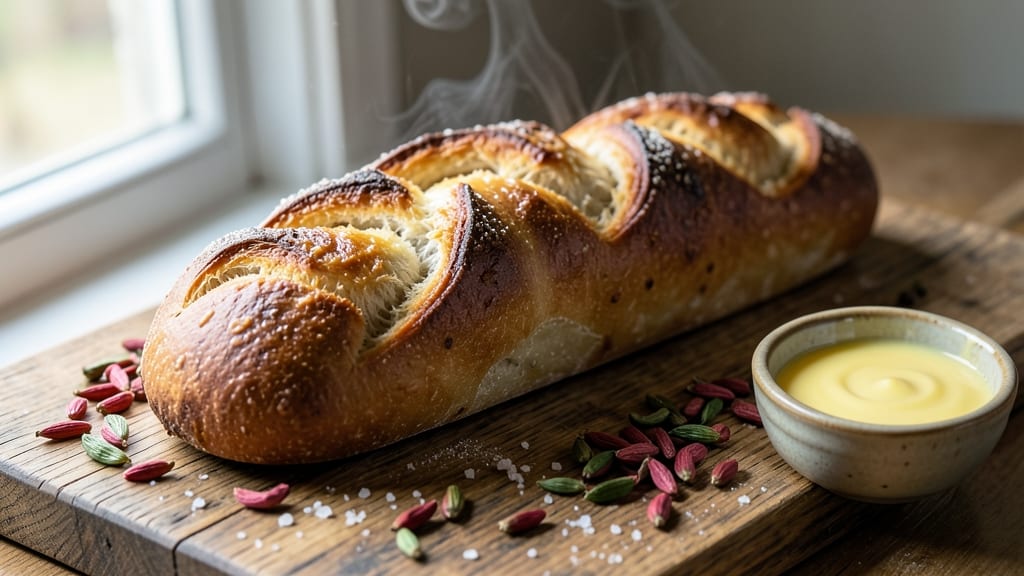
This authentic Swedish limpa bread recipe brings the heart of Scandinavian baking to your kitchen with its signature cardamom-spiced swirls and golden crust. 🌟 The traditional technique involves layering sweet, buttery dough with a filling of cardamom, almonds, and raisins, creating a bread that's both rustic and elegant.
I've perfected this recipe after years of baking, ensuring every bite delivers that perfect balance of crunchy exterior and tender interior.
What makes limpa truly special is its cultural significance—this bread has been a staple in Swedish homes for centuries, often served during Christmas and special gatherings.
The cardamom isn't just a spice; it's the soul of the bread, adding warmth and depth that pairs beautifully with butter, coffee, or even as a simple snack.
The key to achieving that crusty crown lies in the proper shaping and baking technique, which I'll walk you through step by step.
The result is a loaf with a golden, crackly crust that gives way to soft, buttery layers infused with cardamom and studded with almonds and raisins. Each slice reveals those signature swirls, making it as beautiful as it is delicious.
Whether you're celebrating a holiday or simply craving a taste of Sweden, this bread will transport you straight to a cozy Scandinavian kitchen.
Ready to bake? Let's get started with the ingredients and techniques that make this authentic Swedish limpa bread recipe truly unforgettable.
Ingredients for authentic swedish limpa bread
Sweet, spiced, and studded with almonds and raisins—this bread brings Swedish tradition to your kitchen.
| Ingredient | Amount | Notes |
|---|---|---|
| All-Purpose Flour 🌾 | 4 cups | Plus 2 tbsp for dusting |
| Unsalted Butter 🧈 | 1 cup | Cold, cubed for dough |
| Granulated Sugar 🍚 | ½ cup | Light brown preferred |
| Large Eggs 🥚 | 2 whole | Room temperature |
| Active Dry Yeast 🍞 | 2 ¼ tsp | 1 packet |
| Whole Milk 🥛 | ½ cup | Warm to 110°F |
| Ground Cardamom 🌿 | 1 ½ tsp | Freshly ground preferred |
| Salt 🧂 | 1 tsp | Fine sea salt |
| Slivered Almonds 🥜 | ½ cup | Toasted lightly |
| Seedless Raisins 🍇 | ½ cup | Chopped if large |
| Powdered Sugar 🍚 | 2 tbsp | For topping |
| Coarse Sugar 🍚 | 1 tbsp | For crust |
Cardamom is the soul of limpa, so don't skimp. I grab mine at Whole Foods or Trader Joe's—their ground version works perfectly. For the almonds, slivered is best (no need to toast if you're in a rush), and raisins should be plump—Sun-Maid is my go-to. The butter? Plugrá if you can find it, otherwise any good European-style butter. Keep everything chilled until you're ready to mix the dough—this helps with the layers later.
No cardamom? One teaspoon of cinnamon plus half a teaspoon of allspice gets you close, though it won't be authentic. Short on almonds? Pistachios or walnuts work, but toast them first. Raisins too dry? Soak in warm milk for 10 minutes before adding. The dough feels stiff at first—that's normal! Let it rest at least 2 hours (or overnight) for the gluten to relax. And if you're baking for Christmas, make the dough the night before—it keeps beautifully in the fridge.
This bread is best served fresh, but leftovers? Wrap tightly in foil and reheat in a 350°F oven for 10 minutes. The crust gets crispier the second time around, honestly. Store the dough in the fridge for up to 3 days before baking—it develops more flavor over time. If you make extra, freeze the shaped loaf (unbaked) for up to 2 months. Just thaw overnight in the fridge before baking.
Why You'll Love This Recipe
- No-Knead Magic: I swear by this dough—just mix, wait, and bake. The butter and sugar melt into the flour like it’s meant to be, and you’re not stuck kneading until your arms give out. Honestly, the yeast does all the work while you sip coffee.
- Buttery-Sweet Crunch: That crispy, caramelized crust? Pure reward. The sugar and butter create this golden, almost crackly top that shatters when you break it open—like biting into a warm, buttery hug. (Yes, even on a Tuesday night.)
- Breakfast-to-Desert Star: Toast it for breakfast, slice it with jam for a snack, or serve it with coffee as a treat. The richness cuts through sweet or savory, and it’s the kind of thing that disappears faster than you can say “second slice.”
- Budget-Friendly Stretch: A single batch feeds a family for days—sandwiches, toast, or even crumbled over oatmeal. Between us, the ingredients cost next to nothing, but it tastes like you spent hours baking. My wallet and taste buds thank me every time.
Step-by-step instructions for Swedish limpa bread
Here's how to bake this traditional Swedish treat with its signature cardamom swirls and crispy crown.
👨🍳 Step 1: Activate the Yeast and Prepare the Dough
In a small bowl, whisk together the 0.5 cup warm whole milk (about 110°F—it should feel warm to touch but not hot) with the 2.25 tsp active dry yeast and 0.5 cup granulated sugar. Let it sit for 5-10 minutes until foamy. This step ensures your yeast is alive and ready to work.
In a large bowl, mix the 4 cups all-purpose flour with the 1.5 tsp ground cardamom and 1 tsp salt. I like to use a whisk to distribute the cardamom evenly—this spice is what gives limpa its authentic flavor. Make a well in the center and pour in the yeast mixture along with the 2 whole room-temperature eggs.
👨🍳 Step 2: Knead the Dough Until Silky Smooth
Using a wooden spoon or your hands, gradually incorporate the 1 cup cold cubed unsalted butter into the dough. The butter should start to coat the flour but remain in small chunks—this creates those beautiful flaky layers later. Once combined, turn the dough onto a lightly floured surface and knead for 8-10 minutes until smooth and elastic.
Here's the thing—Swedish limpa dough should be slightly softer than typical bread dough. If it feels too sticky, add 1-2 tablespoons more flour, but don't overdo it. The dough should be tacky but not wet. Shape it into a ball, place it back in the bowl, cover with a damp towel, and let it rise in a warm place for 1-1.5 hours or until doubled in size.
🥘 Step 3: Prepare the Filling and Shape the Loaf
While the dough rises, toast the 0.5 cup slivered almonds in a dry skillet over medium heat for 3-4 minutes until golden. Let them cool, then mix them with the 0.5 cup seedless raisins in a small bowl. This filling adds texture and sweetness that balances the cardamom.
Once the dough has risen, punch it down and divide it into three equal pieces. Roll each piece into a 12-inch log about 2 inches in diameter. Spread one log with about ⅓ of the almond-raisin mixture, then roll it up tightly like a jelly roll. Repeat with the remaining dough and filling, creating three filled logs.
🍳 Step 4: Create the Signature Swirl Pattern
Arrange the three filled logs side by side on a parchment-lined baking sheet. Gently press them together to form a single loaf. Using a sharp knife, make diagonal cuts about ½ inch deep across the top, then twist each section slightly to create those classic Swedish swirls. This step might look tricky, but just go with it—imperfect swirls still taste amazing.
Brush the top generously with melted butter, then sprinkle evenly with the 2 tbsp powdered sugar and 1 tbsp coarse sugar. The sugar will caramelize beautifully during baking, giving that signature crusty crown. Let the loaf rise again for 30-45 minutes until puffy but not doubled—this is crucial for the final shape.
🔥 Step 5: Bake to Golden Perfection
Preheat your oven to 375°F. Bake the limpa for 30-35 minutes until the top is deep golden brown and the internal temperature reaches 190°F. You'll know it's done when the crust is crisp and the swirls are well-defined. If the sugar starts to burn before the bread is fully baked, tent loosely with foil for the last 5 minutes.
Let the bread cool on a wire rack for at least 15 minutes before slicing—this prevents the filling from oozing out. The aroma alone will make your kitchen smell like a Swedish bakery. Serve warm with coffee or tea for the full experience. Each slice should reveal those beautiful cardamom-scented swirls and a perfect balance of sweet, nutty, and spiced flavors.
Pro Tips For Making Authentic Swedish Limpa Bread
- Proof at Room Temp: Skip the fridge—let your yeast mix sit in a warm (not hot) spot for 10–15 minutes until it doubles. I used to rush this, but Swedish limpa needs that gentle rise to avoid dense, heavy crumb. Test the spot by touching the bowl: it should feel like warm bathwater, not sauna steam.
- Cream Butter Slowly: Beat the butter and sugar until light and fluffy (about 3–4 minutes), but don’t overdo it—you’re not making cake batter. Stop when the mixture looks like wet sand, not greasy frosting. This keeps the texture tender without making it greasy.
- Don’t Overmix Dough: Once you add the flour, mix just until combined—lumpy is fine. Overworking the dough develops gluten, and limpa should be soft and slightly sticky, not tough. I learned this after my first batch turned out like dense bread rolls.
- Brush with Egg Wash: Whisk the egg with a splash of water (about 1 tablespoon) for a glossy finish, but don’t drown the bread—just a light coat. Bake until the crust is golden, not browned, or it’ll taste bitter. (Yes, even if you’re impatient like me.)
Troubleshooting great authentic swedish limpa bread
Dough Too Sticky?
If your dough feels too sticky during kneading, resist the urge to add too much flour. Limpa dough should be soft and slightly tacky—this is key for those tender layers. Instead, wet your hands lightly with water and continue kneading.
If it's still too sticky after 8-10 minutes, add just 1 tablespoon flour at a time until it comes together smoothly. Overworking the dough can develop gluten too much, making the final bread dense. 💡
Swirls Not Forming?
The signature swirls can be tricky, but don’t stress! If your cuts aren’t clean or the dough resists twisting, try this: Chill the shaped loaf in the fridge for 15 minutes before cutting and twisting. Cold dough holds its shape better.
For extra flair, use a sharp serrated knife and make the cuts slightly deeper (½ inch)—this creates more dramatic swirls when twisted. If all else fails, a simple crosshatch pattern still looks beautiful!
Crust Too Pale?
A pale crust means your bread needs more time or a hotter oven. For a deeper golden color, increase the oven temperature to 390°F for the last 10 minutes of baking. Brush the top with more melted butter and sprinkle an extra ½ tablespoon coarse sugar before baking.
The sugar caramelizes beautifully, creating that coveted crusty crown. If your oven runs hot, tent with foil early to prevent burning.
Filling Oozing Out?
This happens when the bread cools too quickly. Always let the limpa cool on a wire rack for at least 15 minutes before slicing—this allows the filling to set properly. For extra stability, brush the top with a thin layer of melted butter after baking while it’s still warm.
If you’re in a hurry, chill the baked loaf in the fridge for 30 minutes before slicing to firm up the filling.
Yeast Not Activating?
If your yeast mixture doesn’t foam within 10 minutes, your yeast might be old or the milk too hot. Test the milk temperature with a thermometer—it should be 110°F (not hotter than 115°F).
If your yeast fails, replace it with 1 packet fresh yeast and start over. Pro tip: Store yeast in the freezer to extend its shelf life—it’ll last for months!
Bread Too Dense?
Over-kneading or skipping the second rise are the usual culprits. Limpa dough needs that 30-45 minute final rise to develop properly—don’t rush it! If your bread still turns out dense, try reducing the flour by 1-2 tablespoons next time.
Also, ensure your butter is cold when mixing—soft butter can make the dough too sticky and heavy. For extra fluffiness, let the dough rise in a warm spot (like a turned-off oven with the light on).
Nutrition facts
Frequently asked questions
What makes Swedish limpa bread different from regular sweet bread?
Swedish limpa is uniquely characterized by its cardamom-spiced dough and signature swirl pattern created by almond-raisin filling. Unlike regular sweet bread, it has a crispy, caramelized crust from the sugar topping and a softer, buttery interior with distinct layers. The cardamom gives it a warm, aromatic flavor that sets it apart from cinnamon rolls or brioche.
Can I make Swedish limpa without cardamom?
Yes, but the flavor won't be authentic. Replace the 1.5 tsp cardamom with 1 tsp cinnamon plus ½ tsp allspice for a similar warmth. For a more neutral version, you could omit it entirely, but the spice is what makes limpa special. Cardamom pods are widely available at specialty stores or online for an authentic touch.
How do I store Swedish limpa bread?
Keep limpa fresh by storing it in an airtight container at room temperature for 2-3 days. For longer storage, freeze the unbaked shaped loaf for up to 2 months. To reheat, wrap slices in foil and warm in a 350°F oven for 5-10 minutes—this restores the crust's crispiness while keeping the filling soft.
What's the best way to serve Swedish limpa?
This bread shines with Swedish fika (coffee break) traditions! Serve warm slices with butter or jam, alongside coffee or tea. It also pairs beautifully with cheese plates or as a dessert with whipped cream. The cardamom flavor makes it especially lovely with lingonberry jam or cloudberry preserves.
Why does my Swedish limpa dough feel different from other bread dough?
The dough should be softer and slightly tacky—this is normal! The high butter content makes it more delicate than standard bread dough. Don't add extra flour unless absolutely necessary, as this can make the final bread dense. The dough also benefits from a longer rise time (2+ hours) to develop its signature texture and flavor.