Side Dishes
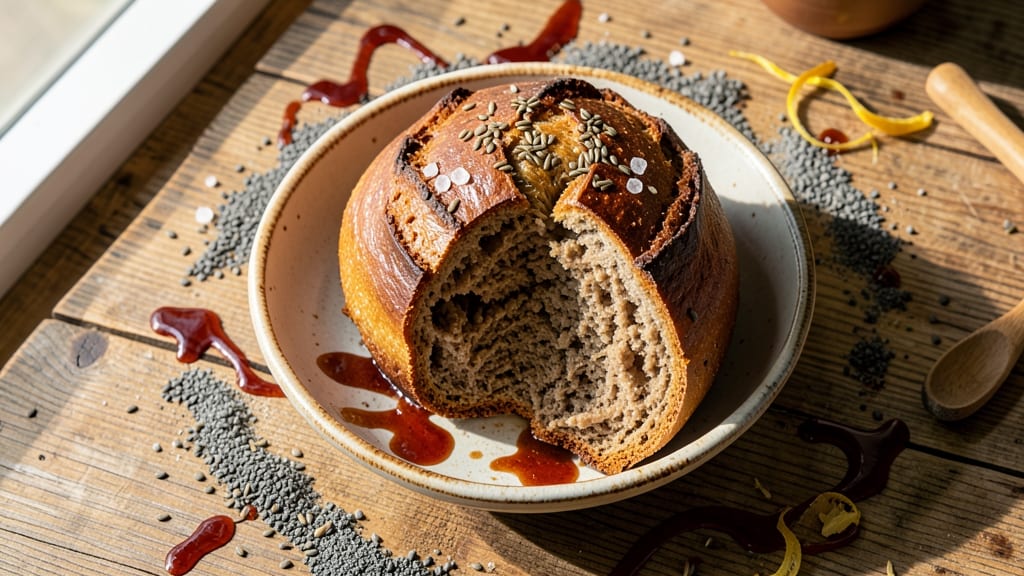
This authentic German pumpernickel bread recipe delivers the deep molasses aroma and dense, nutty texture that makes it a staple in German households. The secret lies in a slow fermentation process that develops complex flavors, transforming coarse rye flour into something rich and satisfying.
I've perfected this version after years of testing—no shortcuts, just traditional methods that create that signature dark crust and tender crumb.
The recipe uses just five core ingredients: coarse rye flour, dark molasses, water, salt, and optional caraway seeds for that classic German touch. Unlike commercial versions, this bread ferments overnight, allowing the dough to develop its signature depth.
The slow baking process (2-3 hours) ensures a dense yet moist interior with a crisp, molasses-kissed crust that's irresistible.
What sets this pumpernickel apart is its versatility—serve it as a side with hearty German dishes or toast it for breakfast with butter and jam. The bread keeps beautifully when wrapped tightly, making it perfect for meal prep.
Whether you're hosting a traditional German feast or simply craving that authentic flavor, this recipe delivers restaurant-quality results at home.
Ready to master this classic? The process may be slow, but the reward—a loaf of bread that tastes like a piece of German heritage—is worth every minute. Let's get started on creating your perfect pumpernickel.
Ingredients for authentic german pumpernickel bread
Five core ingredients transform into a loaf of German heritage with deep molasses aroma and nutty richness.
| Ingredient | Amount | Notes |
|---|---|---|
| Coarse Rye Flour 🌾 | 4 cups | Dark rye flour for authentic flavor |
| Dark Molasses 🍯 | ½ cup | Unsulphured for traditional taste |
| Warm Water 💧 | 1 ½ cups | 110°F for optimal activation |
| Kosher Salt 🧂 | 1 ½ tsp | Diamond Crystal preferred |
| Active Dry Yeast 🍞 | 1 tsp | Fresh yeast for best results |
| Caraway Seeds 🌿 | 1 tsp | Optional for classic German flavor |
| Cornmeal 🌽 | ¼ cup | For dusting loaf pan |
| Extra-Virgin Olive Oil 🫒 | 1 tbsp | For greasing pan |
The rye flour is non-negotiable—coarse rye flour gives that signature dense texture. Bob's Red Mill or King Arthur brands are reliable, but any dark rye flour will work. Dark molasses (not blackstrap) is essential for that authentic sweetness—Anthony's Goods is my go-to. The yeast needs to be fresh; if your packet says 'best by' is past, toss it. Caraway seeds add that classic German touch, but skip them if you prefer a simpler flavor profile. Warm water activates the yeast perfectly—110°F is ideal, but 105-115°F works too.
No dark molasses? Blackstrap molasses thinned with water works in a pinch, but the flavor won't be identical. Substituting whole wheat flour for rye changes the texture dramatically—stick with rye for authenticity. For the yeast, if you don't have active dry, instant yeast at half the amount works, but don't skip the warm water step. The olive oil can be swapped for vegetable oil, but it lacks the fruity notes that complement the molasses. Cornmeal is just for dusting—semolina works too if you've got it.
This dough ferments overnight, so plan ahead. Store it in a covered bowl in the fridge for up to 24 hours—longer fermentation develops deeper flavor. The baked loaf keeps beautifully wrapped in a towel-lined plastic bag for 5-7 days at room temperature. For longer storage, freeze slices wrapped in parchment—3 months is standard. Toasting brings out the molasses notes beautifully; butter and jam is the classic pairing.
Why You'll Love This Recipe
- Four-Ingredient Simplicity: The rye flour and molasses do all the heavy lifting—no fancy mix-ins, no stress. Just toss in yeast, warm water, and salt, let it rise overnight (while you sleep!), and boom—homemade pumpernickel with zero fuss.
- Molasses Magic: That dark molasses isn’t just flavor—it’s depth. The slow-baked crust turns crackly and dark, while the inside stays hearty and slightly sweet, like a hug in bread form. (Yes, even my picky husband licks the knife.)
- Weeknight Workhorse: Slice it thick for breakfast with butter, toast it for open-faced sandwiches, or cube it for soup—this bread adapts. I’ve even used it as a crust for lasagna when I forgot the real thing. Versatile? Absolutely.
- Budget-Friendly Staple: A single batch costs less than store-bought and lasts forever—weeks, even. Freeze slices for quick toast or stash the whole loaf; the rye flour keeps it dense and shelf-stable without waste. (My wallet thanks me.)
Step-by-step instructions for authentic German pumpernickel bread
This traditional German bread requires patience and precision—every step builds the signature dark crust and dense crumb.
Activate the Yeast with Warm Water and Molasses
In a medium bowl, combine the 1.5 cups warm water (around 110°F) with the 1 tsp active dry yeast. Let it sit for 5 minutes until the mixture becomes frothy and bubbles form on the surface. This confirms the yeast is alive and ready to work.
Next, stir in the 0.5 cup dark molasses and 1.5 tsp kosher salt until fully dissolved. The molasses will give the bread its characteristic deep color and rich flavor. If the mixture feels too thin, don't worry—the rye flour will absorb it as you proceed. Let this mixture sit for another 5 minutes while you prepare the remaining ingredients.
Mix the Dough and Develop the Gluten
In a large mixing bowl, combine the 4 cups coarse rye flour and 1 tsp caraway seeds (if using). Make a well in the center and pour in the yeast mixture. Using a wooden spoon or your hands, gradually incorporate the flour until a shaggy dough forms.
Transfer the dough to a lightly floured surface and knead for 8-10 minutes until smooth and elastic. The dough will be denser than wheat bread dough, so don't be alarmed if it feels stiff. Knead just until the gluten develops enough to hold together when pressed gently. If the dough feels too dry, add 1 tablespoon warm water at a time until it reaches the right consistency—it should be soft but not sticky.
First Rise and Prepare the Loaf Pan
Lightly grease a standard 9x5-inch loaf pan with the 1 tbsp extra-virgin olive oil, coating the bottom and sides thoroughly. Sprinkle the pan with 0.25 cup cornmeal to prevent sticking, tapping out any excess. This step ensures the bread will release cleanly after baking.
Shape the dough into a loaf and place it seam-side down in the prepared pan. Cover the pan with a damp kitchen towel and let it rise in a warm place for 1-2 hours, or until the dough has nearly doubled in size. The dough should feel springy when pressed gently with your finger. Avoid over-rising, as this can lead to a dense crumb. If the kitchen isn't warm enough, place the pan in a turned-off oven with the light on to create a warm environment.
Score and Bake for Maximum Flavor
Preheat your oven to 350°F and place a baking sheet on the lower rack to catch any drips. Using a sharp serrated knife or razor blade, score the top of the dough with a deep crosshatch pattern. This allows the bread to expand evenly and creates that classic pumpernickel crust.
Bake the bread for 50-60 minutes, until the top is deep brown and the internal temperature reaches 190°F. The bread should sound hollow when tapped on the bottom. If the top browns too quickly, tent it loosely with aluminum foil to prevent over-browning while ensuring the interior cooks through. The longer baking time develops the rich, nutty flavors that define authentic pumpernickel.
Cool and Enjoy the Authentic Result
Remove the bread from the pan and let it cool on a wire rack for at least 1 hour before slicing. This resting period allows the bread to firm up and prevents a gummy texture. The crust should be dark and firm, while the interior should have a dense, moist crumb with subtle sweetness from the molasses.
Slice the bread into thick pieces and serve it fresh. For the most authentic experience, pair it with butter, smoked salmon, or a slice of aged cheese. The flavor will continue to deepen over the next few days, making this bread even more rewarding as it sits. Store any leftovers in an airtight container at room temperature for up to 3 days or freeze for longer storage.
Pro Tips For Making Authentic German Pumpernickel Bread
- Mix the Molasses Last: Rye flour and molasses are a volatile combo—add the molasses after hydrating the flour or you’ll end up with a sticky, unworkable mess. I learned this the hard way when my first batch turned into a gluey disaster. Wait until the dough is just coming together before folding in the molasses, then knead it in thoroughly.
- Autolyse the Rye: Let the rye flour and water sit for 20-30 minutes before adding yeast or salt. This step hydrates the tough rye fibers, making the dough easier to handle and giving you a lighter crumb. Skip it, and you’re fighting dry, dense bread the whole time—trust me, your kneading muscles will thank you.
- Steam the Oven First: German pumpernickel needs that deep, dark crust, and the only way to guarantee it is by blasting the oven with steam. Place a metal bowl of boiling water on the bottom rack for the first 10 minutes, then remove it. The crust will develop faster and stay glossy, not dry or cracked.
- Use a Hydrometer for Molasses: Dark molasses varies wildly in thickness—some brands are syrup, others are near-solid. Measure by weight (100g) instead of volume, or use a hydrometer to check its density. If it’s too thick, thin it with warm water to 1.35-1.40 SG. Too thick, and your dough will be sluggish; too thin, and the flavor gets diluted.
Common mistakes when making your authentic german pumpernickel bread
Over-Kneading the Dough
Rye flour dough is delicate—over-kneading develops too much gluten, making your pumpernickel tough and dense instead of tender. Stop kneading when the dough springs back slowly (not immediately) when pressed. I usually knead for 8-10 minutes max—any longer risks overworking the delicate rye proteins.
If the dough feels too sticky, add flour 1 tablespoon at a time, but resist the urge to overdo it. 🌾
Skipping the Warm Water Step
Using cold water (below 100°F) or hot water (above 120°F) kills the yeast, leaving your dough flat and flavorless. Always use water between 105-115°F—test with your finger (should feel warm but not hot).
If you don’t have a thermometer, dip your pinky finger in—it should feel comfortable but slightly warm. This small detail makes all the difference in fermentation. 💧
Underestimating Fermentation Time
Rushing the overnight fermentation (minimum 8 hours) results in a bland, underdeveloped loaf. The molasses and rye need time to meld flavors—don’t skip this step! Cover the dough tightly with plastic wrap or a damp towel to trap moisture.
If your kitchen is cold (below 70°F), place the dough in a turned-off oven with the light on for warmth. Patience here is key to that authentic German depth. ⏳
Baking at Too High Heat
Pumpernickel needs a slow bake at 350°F to develop its signature nutty sweetness. Baking at 375°F or higher creates a burnt crust while leaving the interior undercooked. Tent the loaf with foil if the top browns too quickly, but avoid sealing it completely—steam is crucial for that moist crumb.
Use an oven thermometer to verify your oven’s accuracy; many run 25°F hotter than set. 🔥
Scoring Too Late or Too Early
Score the dough just before baking—too early, and the cuts close up during rising. Too late, and the steam escapes unevenly, leading to cracks instead of a clean crust. Use a sharp serrated knife for clean cuts, and score in a crosshatch pattern to guide expansion.
Press the knife down ¼ inch deep—deeper cuts can tear the dough. This step isn’t just decorative; it’s essential for even baking. ✂️
Ignoring the Cooling Phase
Slicing pumpernickel too soon releases trapped steam, turning your bread gummy. Let it cool at least 1 hour on a wire rack—longer if possible. The crust needs to set, and the crumb will firm up naturally.
I’ve seen home bakers rush this step and end up with a sad, sticky loaf. Trust the process—good things come to those who wait. ⏰
Nutrition facts
Frequently asked questions about authentic German pumpernickel bread
Why does traditional pumpernickel have such a long fermentation?
The extended fermentation (at least 8 hours) allows the rye flour's natural enzymes to break down starches into sugars, creating that signature molasses-rich depth. This slow process also develops complex flavors that quick fermentation misses. Think of it like aging whiskey—patience transforms simple ingredients into something extraordinary.
Can I make this bread without molasses?
While molasses is essential for authentic flavor, you could substitute 1/4 cup honey or maple syrup mixed with 1/4 cup water in a pinch—but expect a lighter color and milder taste. Traditional German pumpernickel relies on molasses for its signature dark crust and subtle sweetness. For best results, stick with the original ingredient.
How do I know when the dough is properly kneaded?
Rye dough should feel soft but not sticky, and when pressed gently, it should spring back slowly (not immediately like wheat dough). Knead for 8-10 minutes max—overworking develops too much gluten, making the bread tough. If it feels too dry, add 1 tbsp warm water at a time. The texture should be smooth but slightly dense.
Why does my pumpernickel turn out dense instead of light?
Rye flour naturally creates a denser crumb than wheat, but common culprits include over-kneading or insufficient fermentation. Ensure your dough ferments overnight and knead just until smooth. Also, baking at 350°F (not higher) prevents a burnt crust that can mask the bread's true texture. The result should be moist and hearty, not heavy.
How should I store leftover pumpernickel?
Wrap the cooled loaf tightly in a towel-lined plastic bag to prevent drying. It keeps well at room temperature for 5-7 days or frozen for 3 months. For extra freshness, slice and freeze individual portions—just thaw overnight in the fridge. The flavor actually improves over time as the molasses mellows.