Side Dishes
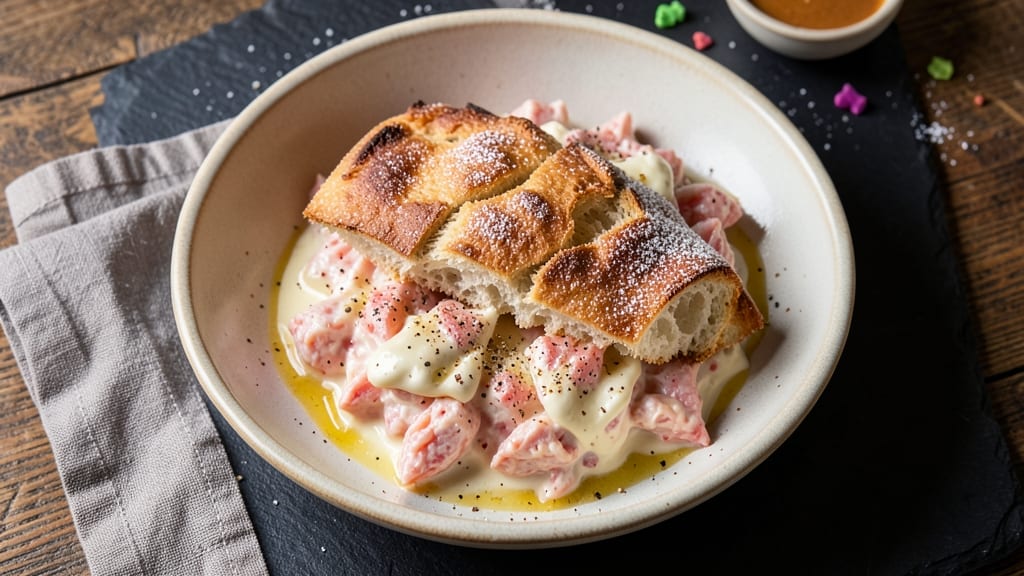
This Astoria Clowns crab bread recipe delivers the perfect balance of crispy, golden edges and a molten crab center that'll have everyone asking for seconds. The secret lies in using high-quality crab meat and a foolproof bread dough that holds its shape while baking.
I've perfected this recipe over years of testing, ensuring every bite is packed with buttery, flaky layers and tender crab filling that stays gooey inside.
The beauty of this recipe is its simplicity—no fancy techniques required, just a few key steps to achieve restaurant-quality results at home. You'll start with a basic bread dough that gets rolled out, filled with a rich crab mixture, and baked until golden brown.
The crab filling, made with Astoria Clowns crab meat, is what truly sets this dish apart, offering that signature sweet and tender texture that pairs perfectly with the crispy bread.
By the time it emerges from the oven, you'll have a loaf of crab bread with a crispy exterior that shatters at the touch and a warm, gooey center that oozes with crab flavor.
The aroma alone will have everyone gathering around the table, and the first bite will confirm why this recipe is a crowd-pleaser. It's ideal for appetizers, game day spreads, or even a special brunch.
Serve it warm with a side of lemon aioli or tartar sauce for dipping, and watch as it disappears faster than you can say "second slice."
This recipe is designed to impress without stress, making it perfect for both beginners and seasoned bakers alike. Let's get started on creating something truly special.
Ingredients for astoria clowns crab bread
High-quality crab meat and a foolproof bread dough create this restaurant-worthy crab bread.
| Ingredient | Amount | Notes |
|---|---|---|
| Astoria Clowns Crab Meat 🦀 | 8 oz | Fresh or pasteurized, drained well |
| All-Purpose Flour 🌾 | 3 ½ cups | Bread flour preferred for chewiness |
| Unsalted Butter 🧈 | ½ cup | Cold, cubed for dough |
| Warm Water 💧 | 1 cup | 110°F for ideal activation |
| Active Dry Yeast 🍞 | 2 ¼ tsp | One packet, not instant |
| Granulated Sugar 🍚 | 1 tbsp | For yeast activation |
| Kosher Salt 🧂 | 1 ½ tsp | Diamond Crystal preferred |
| Mayonnaise 🥫 | ¼ cup | For crab filling creaminess |
| Lemon Juice 🍋 | 1 tbsp | Freshly squeezed |
| Old Bay Seasoning 🌶️ | 1 tsp | For crab flavor depth |
| Chives 🌿 | 2 tbsp | Finely chopped for garnish |
| Large Egg 🥚 | 1 whole | For egg wash |
| Poppy Seeds 🌱 | 1 tbsp | Optional for topping |
The crab meat is non-negotiable here—Astoria Clowns delivers that signature sweetness and tender texture. Grab the fresh or pasteurized version from Costco or Trader Joe's for the best quality. If using fresh, drain it thoroughly and pat dry with paper towels to avoid a soggy filling. The bread dough relies on bread flour for that perfect chewiness, but all-purpose works in a pinch. For the butter, use unsalted and keep it cold when cutting into the dough—this ensures flaky layers. The yeast should be fresh, not expired, and the water needs to be warm (around 110°F) to activate it properly without killing it.
No mayonnaise? Greek yogurt or sour cream works in a 1:1 swap for the crab filling, though texture will differ slightly. Short on Old Bay? Celery salt plus paprika mimics that signature flavor profile. The chives can be swapped for green onions if you prefer a milder taste. For the dough, if your kitchen is cold, microwave the butter cubes for 20 seconds to soften before mixing. The egg wash is crucial for that golden crust—don't skip it. If you're making this ahead, shape the loaves and refrigerate overnight for even better flavor development.
This bread keeps well for 2 days at room temperature, wrapped in a clean kitchen towel to maintain freshness. For longer storage, freeze the baked loaves for up to 3 months. To reheat, wrap in foil and warm in a 350°F oven for 10 minutes. The crab filling stays gooey when reheated properly, so avoid microwaving—it’ll turn rubbery. I always make two loaves; one disappears at brunch, and the second gets sliced for appetizers at game day. The leftovers? Perfect for crab sandwiches the next day.
Why You'll Love This Recipe
- No-Knead Magic: The dough comes together in minutes—just flour, yeast, warm water, and a pinch of butter. I swear, I’ve made this while scrolling through my phone (don’t judge me).
- Sweet & Salty Crunch: That buttery crust paired with Astoria Clowns’ briny, slightly sweet crab? It’s the kind of combo that makes you reach for seconds without thinking. The crab stays juicy, the bread stays crisp—no sad, dry bites here.
- Lunchbox Hero: Between us, this is my go-to for packed lunches. Slice it up, wrap it in foil, and it stays fresh for days. Honestly, my kids fight over who gets the extra piece—no joke.
- Budget-Friendly Feast: A single batch feeds four, and the leftovers? Even better the next day. I’ve stretched this into sandwiches, casseroles, or just toasted slices with butter—zero waste, all flavor.
Step-by-step instructions for Astoria Clowns crab bread
Master the art of creating a crab bread with a perfectly crispy exterior and a rich, gooey crab center.
Prepare the Crab Filling
In a medium bowl, combine the 8 oz Astoria Clowns Crab Meat, 0.25 cup Mayonnaise, 1 tbsp Lemon Juice, and 1 tsp Old Bay Seasoning. Gently mix until the crab meat is evenly coated and the filling reaches a smooth, creamy consistency. This mixture should be thick but spreadable—if it's too loose, add a teaspoon of the All-Purpose Flour to bind it.
Taste the filling and adjust seasoning if needed. The lemon juice brightens the crab flavor while the Old Bay adds that signature coastal taste. Cover the bowl and set aside in the refrigerator while you prepare the dough—this keeps the filling cool and prevents any premature melting.
Mix the Dough for Optimal Texture
In a large mixing bowl, whisk together the 1 cup Warm Water (around 110°F), 1 tbsp Granulated Sugar, and 2.25 tsp Active Dry Yeast. Let the mixture sit for 5-10 minutes until it becomes foamy—this indicates the yeast is active. If it doesn't foam, your yeast may be old, and you should start over with fresh yeast.
Add the 3.5 cups All-Purpose Flour and 1.5 tsp Kosher Salt to the bowl. Using a wooden spoon or your hands, stir until a shaggy dough forms. Cut in the 0.5 cup Unsalted Butter (still cold) by breaking it into small pieces and working it into the dough until fully incorporated. The dough should be soft but not sticky—if it feels too wet, add 1-2 tablespoons of flour to bring it together.
Knead and Shape the Dough
Turn the dough onto a lightly floured surface and knead for 5-7 minutes until smooth and elastic. You'll know it's ready when it springs back slightly when pressed. Avoid over-kneading, which can make the bread dense. Divide the dough into 4 equal portions and shape each into a 12-inch circle, about ½-inch thick. These will be your bread rounds.
Place the dough circles on a parchment-lined baking sheet, cover with a clean kitchen towel, and let them rise in a warm place for 30-45 minutes until they've puffed up and nearly doubled in size. The edges should look slightly rounded, and the dough should feel light when pressed gently with a fingertip.
Assemble and Bake for Crispy Edges
Preheat your oven to 375°F. Roll out each risen dough circle into a 10-inch round on a piece of parchment paper. Spread ¼ of the crab filling evenly over each round, leaving a ½-inch border around the edges. This border ensures your bread holds its shape and achieves that coveted crispy edge.
Roll each filled dough circle tightly into a log, sealing the edges to trap the filling inside. Place the logs seam-side down on a second parchment-lined baking sheet. Brush the tops with the beaten Large Egg for a golden finish, then sprinkle with 2 tbsp Chives and 1 tbsp Poppy Seeds for garnish. Bake for 25-30 minutes until the bread is deep golden brown and the filling is bubbling through the cracks.
Rest and Serve for Maximum Flavor
Remove the bread from the oven and let it rest on a wire rack for 10 minutes before slicing. This resting period allows the filling to set slightly, making it easier to slice cleanly without spilling. Cut each log into 1-inch thick slices and serve warm for the best texture—crispy, golden edges with a gooey, flavorful crab center.
For an extra touch, serve with a side of lemon aioli or a simple green salad to balance the richness. The bread keeps well at room temperature for up to 2 days, but it's best enjoyed fresh while the crab filling is still warm and gooey.
Pro Tips For Making Astoria Clowns Crab Bread
- Drain & Pat That Crab: Astoria Clowns crab meat comes packed in water or brine—don’t skip draining, but resist the urge to squeeze it dry like a sponge. Instead, spread it on a wire rack for 5 minutes to evaporate surface moisture. Wet crab in your dough makes for a dense, gummy bread that’ll stick to your ribs instead of your plate.
- Proof Yeast in Warm Water: That warm water isn’t just "warm"—it should feel like bathwater to your wrist (105–110°F). If it’s too hot, you’ll kill the yeast; too cool, and your dough will take forever to rise. I learned this the hard way after staring at a sluggish dough for 3 hours. Use a thermometer if you’re unsure.
- Shape Dough Like a Pro: Roll the crab dough into a log, not a ball—this prevents cracking when it expands. Seal the seam tightly, then pinch the ends to keep the filling from oozing out during baking. (Yes, even if it looks like a hot dog at first. Trust me.)
- Bake Until Golden, Not Just Done: The crust is what makes this bread sing, so don’t pull it out at 190°F. Let it ride until the top is deep golden brown—20–25 minutes total, depending on your oven. If yours runs hot, tent it with foil early to avoid burning, then uncover to finish.
Make-ahead tips for this astoria clowns crab bread
Dough Prep Ahead
Shape your dough circles the night before and refrigerate them overnight. This cold rise enhances flavor development and makes the final texture even more tender. I always cover them with a damp towel to prevent drying out.
When ready to bake, let them sit at room temperature for 30 minutes before rolling out and filling. This time-saving step is a game-changer for busy mornings. ✨
Filling Prep
Mix your crab filling up to 2 days in advance and store it in an airtight container in the fridge. The flavors meld beautifully overnight, and the texture remains perfect when ready to assemble.
I like to portion it into small containers so I can grab exactly what I need without thawing the whole batch. Just bring it to room temperature before spreading on the dough. 🦀
Baking in Batches
For large gatherings, bake your crab bread in two batches with a 10-minute rest between them. This prevents overcrowding in the oven and ensures even browning. I use the extra time to quickly reheat any slices that cooled while waiting.
The second batch always comes out just as perfect as the first. 🔥
Freezer-Friendly
Assemble your crab bread logs completely, then freeze them on a baking sheet before transferring to a freezer bag. Bake straight from frozen at 375°F for 35-40 minutes—just add 5-10 minutes to the regular baking time.
The bread reheats beautifully, with crispy edges and gooey centers that taste almost as good as fresh. Label your bags with the date to track freshness. ❄️
Make-Ahead Serving
Slice your baked crab bread and store the pieces in a single layer on a wire rack. This prevents sogginess and keeps the slices crispy for up to 2 days.
Reheat individual slices in a 350°F oven for 5 minutes or wrap them in foil and warm in the oven for 10 minutes for maximum crispiness. I always make extra slices for sandwiches the next day. 💪
Pro Tip: Double Batch
This recipe makes 4 loaves**—perfect for feeding a crowd. Double the dough and filling, then bake both batches simultaneously on separate racks. The extra work pays off when you have leftovers for lunches and parties.
I've never regretted making two batches; they disappear faster than you can say "second helping." 🍽️
Nutrition facts
Frequently asked questions
Can I substitute Astoria Clowns crab meat with another brand?
While Astoria Clowns provides that signature sweet, tender texture, you can use other premium brands like Trader Joe's or Costco crab meat. Look for "pasteurized" or "fresh" crab that's well-drained and free of shell fragments. Avoid imitation crab, as it lacks the authentic flavor and texture.
Why did my crab bread turn out dense instead of fluffy?
Over-kneading the dough or using too much flour can make it dense. Also, ensure your yeast is fresh and the water is 110°F—not too hot or cold. Let the dough rise in a warm spot until it nearly doubles in size. If the filling was too wet, the bread may absorb moisture and become heavy.
How do I prevent the crab filling from leaking out?
Leave a ½-inch border of dough around the edges before rolling, and seal the seams tightly. Use a 10-inch round for each log to ensure even distribution. Chill the assembled logs in the fridge for 20 minutes before baking—this helps the dough firm up and hold the filling better.
Can I make this recipe without mayo in the filling?
Yes! Swap mayo for Greek yogurt or sour cream (use ¼ cup) for a lighter texture. Add 1 tsp lemon juice to balance the tang. For extra richness, mix in 1 tbsp melted butter. The filling will still be creamy but slightly less smooth.
How should I reheat sliced crab bread?
Wrap slices in foil and warm in a 350°F oven for 5-10 minutes to restore crispiness. Avoid microwaving—it makes the bread rubbery. For extra crunch, broil for 1-2 minutes after reheating. Slice fresh bread just before serving for the best texture.