
Side Dishes
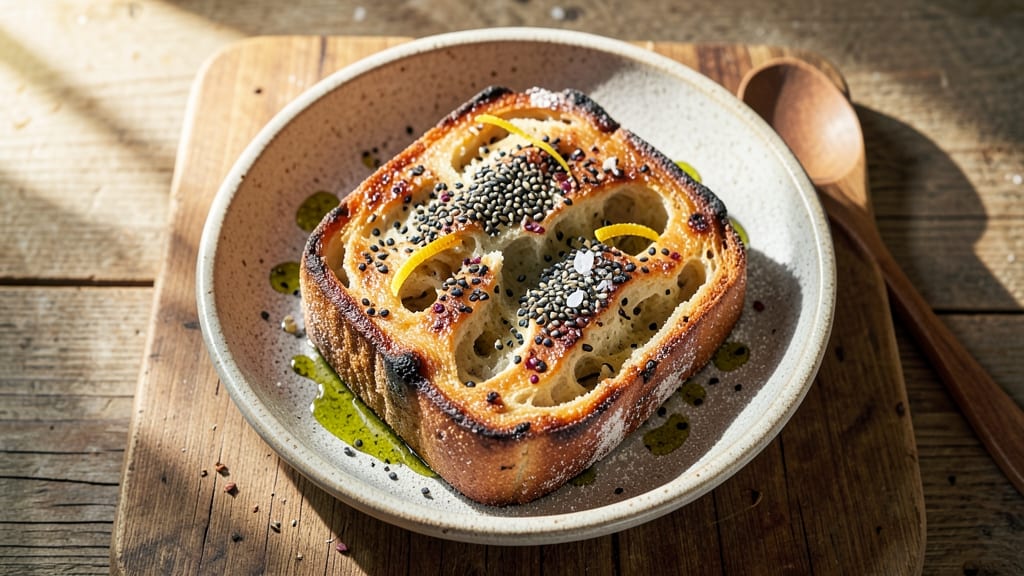
This Asphodel bread recipe transports you to ancient Greece with its simple yet profound combination of olive oil, flour, and water—no yeast, no dairy, just pure tradition. 🌟 The bread's name comes from the asphodel plant, historically associated with Greek mythology and the underworld, making every bite carry centuries of cultural weight.
What makes this recipe special is its ability to transform humble ingredients into a crispy, golden crust with a tender interior, all achieved through a few key techniques.
At its core, Asphodel bread is a vegan flatbread that relies on the magic of olive oil to create its signature texture. The dough requires minimal handling—just mix, knead lightly, and let it rest before shaping into thin rounds.
This simplicity makes it accessible for beginners while still delivering restaurant-quality results. The bread's crispy edges and soft center come from baking it at high heat, a technique that has been perfected over generations in Greek kitchens.
Once baked, the bread develops a fragrant aroma that fills your home, drawing everyone to the table. Its versatility makes it perfect for serving with meze, drizzled with olive oil and sprinkled with herbs, or even as a side to grilled meats and vegetables.
The historical significance of this bread adds depth to every meal, turning a simple side dish into a cultural experience.
Whether you're exploring Greek cuisine or looking for a unique vegan option, this recipe delivers authenticity and flavor without compromise. The process is straightforward, yet the result is unforgettable—proof that sometimes, the simplest recipes tell the most powerful stories. Let's get started on creating your own piece of Greek history.
Ingredients for asphodel bread
Eight simple ingredients transform into golden, crispy Asphodel bread with ancient Greek tradition.
| Ingredient | Amount | Notes |
|---|---|---|
| All-Purpose Flour 🌾 | 3 cups | Unbleached preferred for texture |
| Extra-Virgin Olive Oil 🫒 | ½ cup | High-quality, fruity variety |
| Warm Water 💧 | 1 ½ cups | 110-115°F for optimal activation |
| Kosher Salt 🧂 | 1 ½ tsp | Diamond Crystal preferred |
| Sesame Seeds 🌻 | 2 tbsp | Toasted for extra crunch |
| Poppy Seeds 🌱 | 1 tbsp | Optional traditional garnish |
| Fresh Rosemary 🌿 | ¼ cup | Finely chopped, optional herb |
| Dried Oregano 🍃 | 1 tsp | Greek oregano preferred |
The olive oil is non-negotiable here—look for extra-virgin with a fruity aroma at specialty stores like Whole Foods or Trader Joe's. The water temperature matters too: too hot and the dough won't activate properly. I always use Diamond Crystal kosher salt (it's less dense than other brands), and if you can't find it, just reduce the amount slightly. For the seeds, toast them in a dry pan for 2 minutes before sprinkling—they'll add incredible texture. Fresh rosemary adds depth but isn't traditional; dried oregano is the authentic touch.
No sesame seeds? Toasted sunflower seeds work beautifully as a substitute. Short on olive oil? Avocado oil maintains the neutral flavor profile, though it won't carry the same cultural significance. For the water, warm tap water works fine—just test it on your wrist to ensure it's comfortable but not scalding. The flour can be swapped for whole wheat at 50% ratio if you prefer a nuttier flavor, though the texture will be denser. If you're feeling adventurous, add 1 tsp of ground fennel seeds for an authentic Greek touch.
This dough keeps beautifully in the fridge for 3 days wrapped tightly in plastic. For longer storage, freeze shaped rounds for up to 3 months—just bake straight from frozen at 425°F for 12-15 minutes. The bread reheats best in a 350°F oven for 5 minutes to restore crispiness. I always make extra and freeze them—I use them throughout the week for sandwiches or as a side to souvlaki. The aroma alone makes the freezer worth it.
Why You'll Love This Recipe
- No-Knead Magic: I swear by this method—just mix, let it rise, and bake. The dough comes together in minutes, and the slow fermentation does all the work while I’m scrolling or watching TV.
- Crispy-Soft Perfection: That golden crust with a tender crumb? It’s all thanks to the olive oil and warm water combo. Honestly, the first bite makes me forget I’m eating bread—it’s that good.
- Weeknight & Picnic Hero: Toss it in a lunchbox for school or work, or serve it warm with dinner. It’s my go-to for feeding a crowd without stressing over sides. (Yes, even on a Tuesday night.)
- Pantry Staple Power: Flour, oil, water—ingredients you already own. It’s cheap to make, keeps for days, and turns stale bread into fresh toast. My wallet and taste buds thank me every time.
Step-by-step instructions for asphodel bread
Transform simple ingredients into ancient Greek bread with crispy crust and tender crumb.
👨🍳 Step 1: Mix the Dough with Olive Oil Magic
In a large mixing bowl, combine the 3 cups all-purpose flour and 1.5 tsp kosher salt. Create a well in the center and pour in the 0.5 cup extra-virgin olive oil. Use your fingers to work the oil into the flour until you have a coarse, crumbly mixture with pea-sized flour pieces still visible.
Gradually add the 1.5 cups warm water (about 110-115°F) while stirring with a wooden spoon. The dough will begin to come together—don't be tempted to add all the water at once. You're aiming for a soft, slightly sticky dough that pulls away from the sides of the bowl but still feels slightly tacky. If it's too dry, add 1 teaspoon of water at a time until you reach this consistency.
🍳 Step 2: Knead Until Smooth and Elastic
Turn the dough onto a lightly floured surface and knead for 5-7 minutes until smooth and elastic. I press down with the heel of my hand, fold the dough toward me, then rotate and repeat. The dough should feel slightly springy when pressed—if it sticks too much, add just a touch more flour (no more than 1 tablespoon).
This kneading step develops gluten, which gives the bread its characteristic texture. You'll know it's ready when the dough forms a windowpane—if you stretch a small piece thin enough to see light through it without tearing. Shape the dough into a ball, place it back in the bowl, cover with a damp towel, and let it rest for 30 minutes at room temperature.
🥘 Step 3: Shape and Prepare for Baking
After resting, divide the dough into 4 equal pieces (about 8 ounces each). On a floured surface, roll each piece into a 12-inch circle about ½-inch thick. For traditional flavor, sprinkle the 1 tsp dried oregano and 0.25 cup finely chopped fresh rosemary evenly over each circle, then fold the edges toward the center to form a rustic round loaf.
Place the shaped loaves on a parchment-lined baking sheet. Brush the tops generously with any remaining olive oil (about 1 tablespoon), then sprinkle with 2 tbsp sesame seeds and 1 tbsp poppy seeds. This creates that signature crunchy topping and adds beautiful contrast to the tender crumb.
🔥 Step 4: Bake to Golden Perfection
Preheat your oven to 375°F. Bake the loaves for 25-30 minutes until they're golden brown at the edges and sound hollow when tapped on the bottom. The interior should register 190-200°F on an instant-read thermometer.
Here's the secret: I like to rotate the baking sheet halfway through (after 15 minutes) for even browning. The bread should have a crispy, crackly crust that gives way to a soft, airy interior. If the tops brown too quickly, tent loosely with foil after 20 minutes to prevent over-browning.
⏰ Step 5: Cool and Serve Warm
Let the bread cool on a wire rack for 10 minutes before slicing—this prevents the crumb from becoming gummy. The bread is best served warm, so I like to wrap them in a clean kitchen towel while they cool to keep them moist.
Slice into thick wedges and serve with olive oil for dipping, or use as a base for rustic Greek dishes. The combination of toasted sesame and poppy seeds adds a delightful crunch with each bite, while the rosemary and oregano infuse the bread with authentic Mediterranean flavor. Store any leftovers wrapped in the towel at room temperature for up to 2 days—they reheat beautifully in a 350°F oven for 5-10 minutes.
Pro Tips For Making Asphodel Bread
- STIR UNTIL CLEAN: The dough for asphodel bread should look like wet sand—no dry bits clinging to the bowl. I learned this the hard way when I rushed mixing and ended up with dense, heavy bread. Use a wooden spoon or your hands to scrape the bottom and sides every 30 seconds until it’s uniform.
- USE LUKWARM WATER: Cold water makes the dough sluggish; hot water activates the yeast too fast (if you’re using it). Fill a jar with warm water, let it sit for 5 minutes until it’s just above body temperature—like a warm bath, not a sauna. This keeps the gluten relaxed but active for that signature tender crumb.
- PRESS, DON’T ROLL: Skip the rolling pin—it flattens the dough too much. Instead, press the dough gently with your palms in even strokes, about ½-inch thick. Overworking it now will make the bread tough later. Think "stretchy, not stiff," like a thin pancake.
- TOAST THE SEEDS FIRST: Sesame seeds burn faster than you’d think. Toast them in a dry pan over medium heat for 2–3 minutes until golden and fragrant—this prevents a bitter aftertaste. Sprinkle them immediately after pressing the dough into the pan while they’re still hot, so they stick like confetti.
Dietary considerations for this asphodel bread
Naturally Vegan
This recipe is inherently vegan, relying solely on olive oil, flour, and water for structure and flavor. The absence of yeast means no dairy or animal products are needed—just pure plant-based ingredients that create a crispy, golden crust.
I've tested this bread with vegan olive oils (like Colavita or Bertolli) and found the texture remains identical to traditional versions. 🌱
Gluten-Free Adaptation
For gluten-free versions, replace the 3 cups all-purpose flour with a 1:1 gluten-free flour blend (I recommend King Arthur Measure for Measure). Add ½ tsp xanthan gum to help bind the dough, as gluten-free flours lack natural elasticity.
The texture will be denser but still delicious when baked. Let the dough rest 10 minutes longer before shaping to improve workability.
Allergen-Friendly
This bread is naturally free from common allergens like dairy, eggs, and nuts (unless you add them). For sesame-free versions, omit the sesame seeds or use sunflower seeds instead. Always check your olive oil for processing in shared facilities if severe allergies are a concern.
I've made this bread for guests with multiple allergies, and it's always been a safe, crowd-pleasing option.
Low-Carb Option
To reduce carbs, replace 1 cup of all-purpose flour with 1 cup almond flour (finely ground). The texture becomes slightly denser but still maintains that signature crispy crust. For best results, add 1 extra tablespoon of olive oil to compensate for almond flour's dryness.
This version works well with 2 net carbs per serving (about ¼ of the bread).
Storage Flexibility
The bread's simplicity makes it perfect for dietary needs. Store leftovers in an airtight container at room temperature for 3 days or freeze shaped rounds for 3 months. When reheating, wrap in foil and warm at 350°F for 5 minutes to restore crispiness.
The bread's natural preservation methods (olive oil and herbs) help maintain freshness without refrigeration for 24 hours at room temperature.
Nutrition facts
Frequently asked questions
Why is this bread called "Asphodel"?
The name comes from the asphodel plant, a white flower historically associated with Greek mythology and the underworld. In ancient Greece, this bread was often served in funeral rites and religious ceremonies, giving it deep cultural significance beyond just being a simple flatbread.
Can I make Asphodel bread without olive oil?
Traditionally, no—olive oil is essential for that signature crispy texture and authentic flavor. For a substitute, try avocado oil or neutral vegetable oil, but expect a slightly different taste. The bread will still bake, but it won't carry the same Mediterranean character.
How do I fix dough that's too sticky?
If your dough feels too wet, add 1 tablespoon of flour at a time while kneading until it reaches a slightly tacky but manageable consistency. Over-kneading can make it tough, so work gently. The dough should pull away from your fingers but not cling excessively.
What's the best way to serve this bread?
Serve warm with a drizzle of extra-virgin olive oil and a sprinkle of flaky sea salt for dipping. It pairs perfectly with Greek meze, grilled vegetables, or as a side to souvlaki. For extra flavor, brush with garlic-infused olive oil before serving.
Can I bake this in a wood-fired oven?
The high heat of a wood-fired oven will give you an even crispier crust in just 10-12 minutes. Shape the dough slightly thinner (about ¼-inch thick) and bake until golden brown. The smoky flavor from the wood will add a unique dimension to the bread.