
Side Dishes
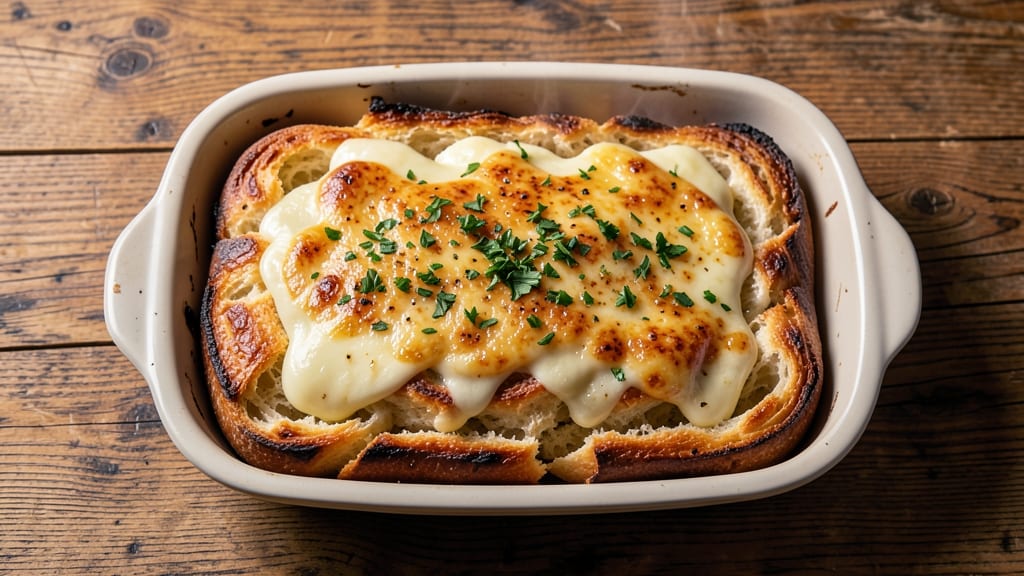
This Asiago cheese garlic bread recipe delivers a pull-apart crust so gooey and flavorful it’ll disappear faster than you can say "garlic butter." The secret lies in a perfectly balanced dough—light yet sturdy enough to hold its shape—paired with a rich garlic butter that melts into molten perfection when baked.
I’ve tested this recipe countless times, and the difference between a dry, sad garlic bread and this version comes down to one key step: resting the dough properly for maximum flavor development.
What makes this recipe stand out is the Asiago cheese, which adds a nutty, slightly sweet depth that pairs beautifully with the bold garlic flavor. Unlike milder cheeses, Asiago melts smoothly without overpowering, creating pockets of creamy goodness in every bite.
The dough itself is simple—just flour, yeast, and a touch of sugar—but the magic happens in the garlic butter mixture, where fresh garlic cloves and a splash of lemon juice brighten the richness.
By the time it emerges from the oven, you’ll have a golden, pull-apart loaf with crisp edges and a gooey, stretchy interior that’s impossible to resist. The garlic aroma will fill your kitchen, and the first pull will reveal that perfect balance of crispy, chewy, and melty cheese.
This isn’t just side dish—it’s the star of any meal, whether you’re serving it with pasta, soup, or as a standalone appetizer.
The best part? It takes just 30 minutes from start to finish, with minimal effort. No fancy techniques, no special equipment—just a bowl, a rolling pin, and your oven. Once you try this version, store-bought garlic bread will never measure up again. Let’s get started!
Ingredients for asiago cheese garlic bread
Simple dough meets bold flavors—garlic butter and nutty Asiago cheese for that perfect pull-apart texture.
| Ingredient | Amount | Notes |
|---|---|---|
| All-Purpose Flour 🌾 | 3 ½ cups | Sifted for light texture |
| Active Dry Yeast 🍞 | ¼ tsp | Or 1 packet instant yeast |
| Granulated Sugar 🍚 | 1 tbsp | For yeast activation |
| Warm Water 💧 | 1 cup | 110°F for yeast activation |
| Unsalted Butter 🧈 | ½ cup | Cold, cubed for dough |
| Asiago Cheese 🧀 | 1 ½ cups | Shredded, fresh grated preferred |
| Garlic Cloves 🧄 | 6 cloves | Fresh, minced for butter |
| Lemon Juice 🍋 | 1 tbsp | Fresh for brightness |
| Salt 🧂 | 1 tsp | Kosher or sea salt |
| Olive Oil 🫒 | 2 tbsp | For dough and brushing |
| Sesame Seeds 🌰 | 1 tbsp | Optional for topping |
| Parmesan Cheese 🧀 | ¼ cup | Grated for extra flavor |
The Asiago cheese is non-negotiable here. Whole Foods or Trader Joe's carry the best shredded versions, but grab a block and grate it yourself—pre-shredded gets clumpy. For the garlic, fresh is a must—jarred minced loses its punch. The butter should be cold when mixed into the dough, or you'll end up with a sticky mess. I always double-check the yeast expiration date—nothing worse than flat dough from dead yeast. If you're in a pinch, King Arthur Flour or Bob's Red Mill sell reliable active dry yeast in small packages.
No Asiago? Parmigiano-Reggiano works in a pinch, but it's saltier and less sweet. Want extra garlic flavor? Add another clove or two—just don't overdo it, or you'll taste nothing but garlic. The lemon juice brightens everything, but if you're out, a splash of white wine vinegar does the trick. For the dough, if you don't have a kitchen scale, use the spoon-and-level method for the flour—pack it gently, don't compress. The sesame seeds are optional, but they add that perfect crunchy contrast—Trader Joe's sells them in bulk for cheap.
This dough needs at least 1 hour of resting time—don't skip it, or it'll turn out dense. Store any leftovers wrapped in a clean kitchen towel at room temp for 2 days, or freeze the dough balls for 3 months. The cheese butter mixture keeps well in the fridge for 1 week, so make extra if you're hosting. I always bake two loaves—one for dinner, one for the next day's sandwiches. The garlic aroma lingers in the fridge, so store it in an airtight container if you're sensitive to smells.
Why You'll Love This Recipe
- Here’s what sold me: a single batch of dough makes two loaves, and the ingredients cost less than takeout. That warm, cheesy butter? It turns a simple meal into a feast without breaking the bank. Plus, leftovers? They reheat like a dream—crispy outside, gooey inside, every single time.
- No Yeast Fuss: Honestly, the dough takes five minutes—just toss the flour, sugar, yeast, and warm water together, let it sit while you butter the bread, and boom. No kneading, no waiting hours, no stress. That’s right, even if you’re the kind of person who burns toast, this dough forgives you.
- Melty Magic: The asiago—oh, the asiago. It’s not just any cheese; it’s that perfect balance of nutty, buttery, and just salty enough to make your taste buds dance. And when it melts into that crispy, golden crust? Between us, it’s the kind of thing that disappears faster than my willpower on a lazy Sunday.
- Party in a Pan: Between us, this bread is my go-to for game day, movie nights, or when I’m too tired to cook but still want to impress. Toss it on a tray with some roasted veggies, or serve it alongside marinara for dipping—it’s the ultimate crowd-pleaser that doesn’t require a Pinterest-worthy setup.
Step-by-step instructions for Asiago cheese garlic bread
Here's how to create a golden, pull-apart loaf with gooey Asiago cheese and bold garlic flavor.
Activate the Yeast and Mix the Dough
In a small bowl, combine the 1 cup warm water (about 110°F—too hot and you'll kill the yeast) with the 1 tbsp granulated sugar and 0.25 tsp active dry yeast. Let it sit for 5-10 minutes until frothy. This tells you the yeast is alive and ready to work.
In a large bowl, whisk together the 3.5 cups all-purpose flour (sifted for light texture) and 1 tsp salt. Make a well in the center and pour in the yeast mixture. Add 2 tbsp olive oil and mix with a wooden spoon until a shaggy dough forms. The dough will be sticky—don't worry, that's normal.
Knead and Shape the Dough
Turn the dough onto a lightly floured surface and knead for 5-7 minutes until smooth and elastic. You'll know it's ready when it springs back slowly when poked. If it feels too sticky, wet your hands slightly to prevent sticking.
Shape the dough into a rectangle about 12x8 inches. Place it on a parchment-lined baking sheet, cover with a clean kitchen towel, and let it rise in a warm place for 1 hour or until doubled in size. The dough should puff up noticeably and feel light when pressed gently.
Prepare the Garlic Butter and Assemble
While the dough rises, make the garlic butter. In a small bowl, mix the 0.5 cup cold unsalted butter (cubed), 6 minced garlic cloves, 1 tbsp lemon juice, 0.25 cup parmesan cheese, and a pinch of salt. Use a fork to mash until combined but still slightly chunky.
Once the dough has risen, press it down gently to deflate it. Spread the garlic butter evenly over the entire surface, leaving a ½-inch border around the edges. Sprinkle the 1.5 cups asiago cheese evenly over the butter, pressing down lightly so it sticks. Finally, sprinkle the 1 tbsp sesame seeds on top for extra crunch.
Bake to Golden Perfection
Preheat your oven to 375°F. Bake the bread for 25-30 minutes until the edges are deep golden brown and the cheese is fully melted and bubbly. The bread should smell rich and garlicky—this is your cue that it's ready.
For the final touch, broil for 1-2 minutes to get extra browning on top. Watch closely to avoid burning. Let the bread cool for 5 minutes before serving—this helps the cheese set slightly so it's easier to pull apart.
Pro Tips For Making Asiago Cheese Garlic Bread
- STRETCH THE DOUGH: The first rise is where flavor hides—don’t rush it. Let that dough double in a warm spot (like a turned-off oven with a bowl of hot water inside) for at least 1.5 hours, or until it’s puffy and springs back slowly when poked. I used to cut it to 45 minutes, and the bread always tasted flat.
- SALT THE BUTTER: Skip the pre-salted butter here—you’re already adding salt to the dough. Use unsalted and toss in ½ teaspoon of flaky sea salt with the melted butter and garlic before spreading it on the bread. Trust me, the first bite will taste noticeably sharper.
- COLD BUTTER IS YOUR FRIEND: Take that softened butter out of the fridge 10 minutes before slicing—just enough to make it spreadable, not melted. If it’s too soft, it’ll slide off the bread while baking, leaving you with a sad, greasy mess. (I learned this after watching my first batch turn into a garlic butter puddle.)
- BAKE UNTIL GOLDEN: Don’t pull the bread out at the first sign of color—wait until the edges are deep golden brown, almost crispy. If you take it out too soon, the cheese won’t melt properly and the crust won’t have that satisfying crunch. A toothpick test works: it should come out clean but the bread should still feel warm inside.
Wine and beer pairings for this recipe
Italian White Wines
For this rich, garlicky bread, I always reach for a crisp Italian white wine like Pinot Grigio or Vermentino. Their bright acidity cuts through the buttery, cheesy goodness, cleansing your palate between bites.
A Soave from Verona—made with Garganega grapes—also works beautifully, offering a touch of almond notes that complement the Asiago. 🍷
If you prefer something with a bit more body, try a Fiano from Campania. Its stone fruit flavors and subtle minerality pair perfectly with the nutty Asiago. Serve it slightly chilled (45-50°F) to enhance its refreshing qualities while balancing the bread's richness.
Crisp Lager Pairings
A crisp Italian lager like Peroni or Birra Moretti is my go-to beer pairing. The light, effervescent quality contrasts the dense garlic bread without overpowering it.
For something with a bit more character, a Belgian witbier—like Hoegaarden—adds a citrusy, spicy note that echoes the lemon juice in the garlic butter. 🍺
Avoid heavy stouts or IPAs—they’ll drown out the delicate flavors of the Asiago and garlic. Instead, opt for a German Helles or Pilsner if you prefer a cleaner, crisper profile. The carbonation helps cut through the fat, making each bite feel lighter.
Bold Red Options
If you're serving this as a hearty appetizer with rich dishes like lasagna or beef ragu, a Chianti Classico or Sangiovese can hold its own. The bright acidity and cherry notes stand up to the garlic and cheese, creating a harmonious balance.
Look for a 100% Sangiovese from Tuscany for the most authentic experience. 🍷
For a smoother red, try a Valpolicella Ripasso—its velvety texture and dried fruit flavors complement the bread’s richness without competing. Just avoid overly oaky or tannic wines, as they’ll clash with the buttery, garlicky profile.
Non-Alcoholic Choices
Don’t drink? No problem! A sparkling apple cider like Martinelli’s adds a refreshing contrast to the garlic bread’s richness. For something more sophisticated, try a blood orange soda—its citrusy sweetness brightens the dish beautifully. 🍊
Herbal infusions like hibiscus tea or ginger beer also work well. The ginger’s slight spice echoes the garlic, while the herbal notes balance the cheese’s creaminess. Serve chilled for the best experience.
Nutrition facts
Frequently asked questions
Can I make this garlic bread ahead of time?
The dough can be prepared 1 day ahead and stored in the fridge, covered with a damp towel. For the best texture, let it sit at room temperature for 30 minutes before shaping and baking. The garlic butter mixture keeps well in the fridge for 1 week, so you can prep that separately. Just assemble and bake when ready.
What's the secret to getting crispy edges?
The key is baking at 375°F until the edges are deep golden brown, then finishing with 1-2 minutes under the broiler. Use a baking sheet with high edges to prevent cheese from dripping over, and brush the edges with olive oil before baking for extra crispiness.
Can I substitute Asiago with another cheese?
Yes, but expect different flavors. Parmigiano-Reggiano works well (though it's saltier) or Gruyère for a nutty alternative. Avoid pre-shredded cheese—it contains anti-caking agents that prevent proper melting. For the best results, always grate your own cheese.
Why did my garlic bread turn out dense?
Most likely, you skipped the resting time or overworked the dough. The dough needs 1 hour of rising time to develop properly. If it feels too sticky during kneading, wet your hands slightly—don't add more flour, or it'll become tough. Also, make sure your yeast is fresh and the water is 110°F (not boiling).
How do I reheat leftover garlic bread?
Wrap the bread in foil and warm in a 350°F oven for 5-7 minutes to restore that gooey texture. For extra crispiness, add 1 minute uncovered at the end. Microwaving works in a pinch, but it makes the bread soggy—best avoided.