
Side Dishes
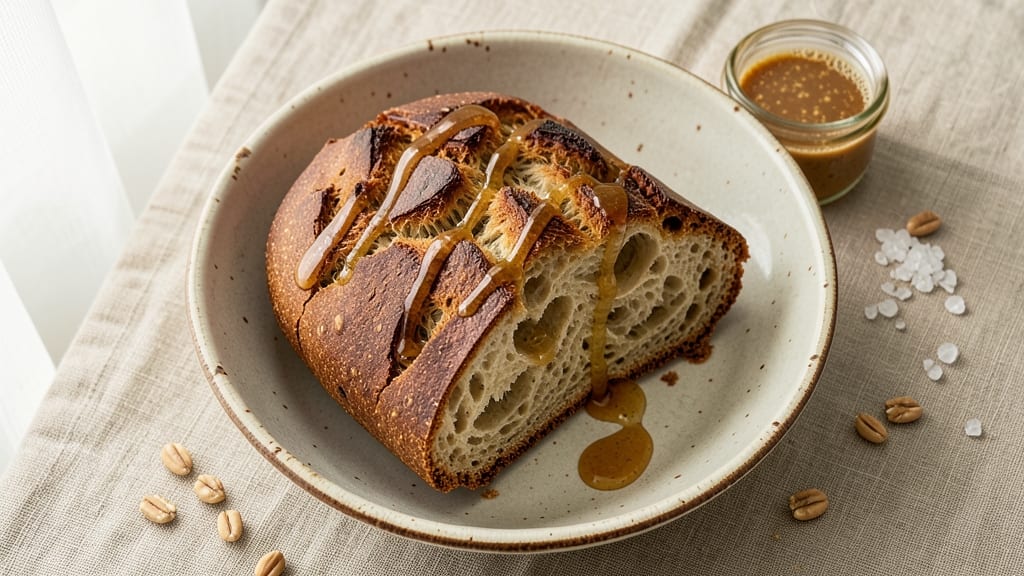
This artisan whole wheat sourdough bread recipe delivers the perfect balance of rustic tang and open, airy crumb—just like your favorite bakery loaf, but made with nutritious whole wheat.
The secret lies in understanding how whole wheat flour behaves differently than white flour, requiring careful hydration adjustments and longer fermentation times to develop maximum flavor and texture.
Unlike traditional sourdough recipes, this version incorporates whole wheat flour while maintaining that signature crispy crust and tender interior. The process begins with a robust sourdough starter that captures wild yeast and bacteria, which we'll use to leaven the dense whole wheat dough.
This isn't just healthy bread—it's bread with depth of flavor and satisfying texture that rivals any artisanal loaf you've ever sliced.
What makes this recipe truly special is the attention to detail in each stage: from developing a strong starter to properly shaping the dough for even oven spring.
The result is a loaf with a beautifully cracked crust, an open crumb structure, and that unmistakable sourdough tang that comes from proper fermentation. Perfect for sandwiches, toast, or simply enjoying with butter, this bread proves whole wheat can be both nutritious and delicious.
Whether you're a seasoned baker or new to sourdough, this recipe includes all the professional techniques you need to achieve bakery-quality results at home. Let's get started on creating your own artisan loaf that will impress everyone at the table.
Ingredients for artisan whole wheat sourdough bread
Four cups of whole wheat flour plus a few key ingredients transform into bakery-style sourdough.
| Ingredient | Amount | Notes |
|---|---|---|
| Unbleached Whole Wheat Flour 🌾 | 4 cups | King Arthur or Bob's Red Mill preferred |
| White Whole Wheat Flour 🌾 | 1 cup | For lighter texture and better rise |
| Active Sourdough Starter 🍞 | 1 ½ cups | 100% hydration, bubbly and active |
| Filtered Water 💧 | 2 ½ cups | Room temperature preferred |
| Kosher Salt 🧂 | 1 ½ tsp | Diamond Crystal preferred |
| Honey 🍯 | 1 tbsp | For starter feeding only |
| Olive Oil 🫒 | 1 tbsp | Extra-virgin for dough coating |
| Instant Yeast 🍞 | ¼ tsp | Optional for extra lift |
| Cornmeal 🌽 | ¼ cup | For dusting baking sheet |
| Ice Water ❄️ | ½ cup | For final dough shaping |
The flours are everything here. King Arthur whole wheat flour gives that rustic texture, while white whole wheat flour helps with rise and crumb. Grab them from King Arthur Flour's website or any quality grocery store's baking aisle—Bob's Red Mill is a solid backup. Your sourdough starter needs to be active with visible bubbles; if yours is sluggish, feed it with equal parts flour and water for 24 hours before baking. The honey is just for feeding the starter—it won't end up in the final dough, so don't stress about quality. For the olive oil, California Avocado Ranch or any high-quality extra-virgin works perfectly.
No white whole wheat flour? Substitute with all-purpose flour, but expect a denser crumb. Running low on starter? Add 0.25 tsp instant yeast to compensate, but the flavor won't be quite the same. The ice water in the final shaping step is non-negotiable—it tightens the gluten for that perfect oven spring. Cornmeal is optional but creates that beautiful crust pattern; semolina works too. If you're using a Dutch oven, make sure it's preheated to 475°F—that's where the magic happens for that crispy crust.
Store your starter in the fridge between uses, and feed it weekly to keep it alive. The dough can be shaped the night before and refrigerated overnight for even better flavor—that's when the deep tang develops. Once baked, this loaf stays fresh for 5-7 days at room temperature, wrapped in a cotton towel. For longer storage, freeze slices wrapped in parchment paper for up to 3 months. To reheat, wrap in foil and warm in a 350°F oven for 10 minutes—nothing beats fresh bread, but this comes close.
Why You'll Love This Recipe
- No-Knead Magic: I swear by this method—just mix, rest, and bake. The white whole wheat flour blends so smoothly with the unbleached kind that you’d never guess it’s a no-fuss dough. Honestly, I’ve made this while scrolling through my phone; the starter does all the heavy lifting.
- Nutty, Tangy Crust: That crispy shell with a chewy interior? The active sourdough starter and kosher salt work together to create a flavor that’s ridiculously satisfying. Between us, it’s the kind of bread that makes toast taste like a small victory.
- Weeknight Workhorse: I keep a loaf in the freezer at all times—perfect for quick sandwiches, charcuterie boards, or even croutons. The blend of whole wheat flours holds up better than store-bought, and it’s way more exciting than plain white bread.
- Budget-Friendly Staple: Whole wheat flour is cheaper than you’d think, and a single batch feeds my family for days. Plus, the starter lasts forever, so you’re not buying yeast or fancy ingredients. It’s my secret weapon for stretching groceries without sacrificing taste.
Step-by-step instructions for artisan whole wheat sourdough bread
Here's how to craft a rustic loaf with deep flavor and an open crumb structure—no shortcuts, just proven technique.
Feed and Prepare the Sourdough Starter
In a medium bowl, combine the 1.5 cups active sourdough starter, 1 cup white whole wheat flour, and 1 tablespoon honey. Mix until smooth, then add 1.5 teaspoons kosher salt. Stir well to dissolve completely, then cover loosely with a damp towel. Let it sit at room temperature for 4-6 hours until it doubles in volume and shows active bubbles along the surface.
This feeding step is critical—it ensures your starter is lively and ready to leaven the dense whole wheat dough. If your starter isn't bubbly after 6 hours, give it another 2 hours. The goal is a starter that's peaked and jiggly when gently shaken, signaling it's ready to work its magic in your dough.
Mix the Dough and Develop Gluten
In a large mixing bowl, combine the 4 cups unbleached whole wheat flour, 1 cup white whole wheat flour, and 1.5 teaspoons kosher salt. Create a well in the center and add the fed starter. Slowly pour in 2.5 cups filtered water while stirring with a wooden spoon until a shaggy dough forms.
Turn the dough onto a lightly floured surface and begin kneading for 10 minutes by hand, or use a stand mixer with a dough hook on medium speed for 8 minutes. You're aiming for a smooth, elastic dough that springs back slowly when poked. Whole wheat dough is trickier than white flour dough—don't worry if it doesn't look perfect. The key is consistent handling and room temperature ingredients to help the gluten develop properly.
Bulk Ferment for Maximum Flavor
Lightly oil a large bowl, place the dough inside, and cover with a damp towel. Let it ferment at room temperature for 4-6 hours, or until it has increased by 50-75% in volume. You'll notice the dough may collapse slightly in the middle—this is normal as the gluten relaxes. Punch it down gently after 2 hours to redistribute the yeast.
During this time, the dough should develop a slightly sour aroma and feel soft and airy. If your kitchen is cool, extend the fermentation to 8 hours—the longer fermentation enhances the sourdough tang. The dough should pass the "poke test": when you press a finger gently into the dough, it should leave a slow, deliberate indentation rather than springing back immediately.
Shape and Cold Proof for Structure
Turn the dough onto a lightly floured surface and shape it into a tight round loaf. I like to use the "stretch and fold" method: grab one side of the dough, stretch it upward, and fold it over itself, then rotate the dough and repeat. Do this 4-5 times until the dough becomes smooth and taut. Place it seam-side up in a lightly oiled bowl, cover, and refrigerate for 12-16 hours.
Cold proofing is where the magic happens for whole wheat bread. The slow fermentation in the fridge allows the gluten to relax and the flavors to meld. When you remove the dough from the fridge, it should feel springy and have expanded noticeably. If it hasn't risen much, give it another 2-3 hours at room temperature before baking.
Bake for Crusty Perfection
Preheat your oven to 450°F with a Dutch oven inside for 45 minutes. Remove the Dutch oven and dust the top of the dough with ¼ cup cornmeal. Carefully transfer the dough to the hot Dutch oven, sprinkle the remaining ¼ cup cornmeal on top, and cover tightly with the lid. Bake for 30 minutes.
After 30 minutes, remove the lid and bake for another 15-20 minutes until the bread is deep golden brown and sounds hollow when tapped on the bottom. The internal temperature should reach 205-210°F. If the top browns too quickly, tent it loosely with foil. Let the bread cool on a wire rack for at least 1 hour before slicing—this prevents a gummy crumb.
Slice and Serve with Confidence
Using a sharp serrated knife, slice the bread into ½-inch thick pieces. The interior should reveal an open crumb structure with visible pockets of air—this is the hallmark of proper fermentation. Serve warm with olive oil brushed on top or enjoy at room temperature for 2-3 days stored in a bread bag.
This bread develops even more flavor over the next 24-48 hours as the starches retrograde. The crust should be crisp and shatterable, while the crumb remains tender with a subtle tang from the sourdough starter. Each slice should pull apart easily but hold its shape, with a satisfying chew that whole wheat lovers adore.
Pro Tips For Making Artisan Whole Wheat Sourdough Bread
- Autolyse First: Mix the whole wheat flours (both unbleached and white) with filtered water before adding starter or salt—let it sit for 30-60 minutes. This hydrates the dense whole grains properly, making the dough easier to handle and less gummy later. I learned this the hard way after fighting sticky, heavy dough that refused to rise.
- Test Starter Strength: Before mixing, float a spoonful of your sourdough starter in water—if it rises, it’s active. Whole wheat dough needs a strong starter (100% hydration, fed 12+ hours before use) because the flours slow fermentation. Weak starter = sad, dense bread. No guessing.
- Skip the Over-Kneading: Whole wheat dough tears easily, so resist the urge to punch and fold like white bread. Instead, do gentle stretch-and-folds during bulk fermentation—just enough to strengthen the gluten without breaking the structure. Overwork it, and you’ll end up with a tough, chewy loaf.
- Steam the Oven: Place a metal tray on the oven rack before preheating, then add boiling water when loading the bread. The steam mimics a bread oven’s humidity, giving your whole wheat loaf a crisp crust without burning the outside before the inside bakes. (Yes, even if you’re impatient like me.)
Dietary considerations for this dish
Gluten-Free Adaptations
While this recipe is designed for whole wheat flour, you can adapt it for gluten-free diets using a blend like King Arthur Measure for Measure or Bob's Red Mill 1:1 Gluten-Free Flour.
Replace the 5 cups whole wheat flour with 4 cups gluten-free blend plus 1 tablespoon xanthan gum for structure. Expect a denser crumb—extend bulk fermentation to 8-10 hours for better rise. Add 1 extra tablespoon olive oil to compensate for reduced gluten elasticity. 🌾
Allergen-Friendly Swaps
For nut-free kitchens, ensure your whole wheat flour is certified nut-free (check King Arthur or Bob's Red Mill labels). Replace honey with maple syrup for a vegan option—use the same 1 tbsp amount.
If avoiding yeast entirely, increase starter to 2 cups and ferment 12-16 hours at room temp before cold proofing. The tang will be more pronounced but still delicious.
Lower-Carb Options
Swap 1 cup white whole wheat flour for 1 cup almond flour (finely ground) to reduce carbs by ~50g per loaf. Add 1 extra egg (for binding) and increase water to 2.75 cups—almond flour absorbs less moisture.
Bake at 425°F for 5 minutes longer to crisp the crust. The result is a denser, nuttier loaf with a satisfying chew. 🌰
Seed-Free Considerations
Some whole wheat flours contain trace amounts of seeds (like sesame). For strict seed-free diets, use certified seed-free whole wheat flour from brands like Anthony's Goods. Their 21st Century Grain line is tested for common allergens.
Skip the cornmeal topping—use semolina-free rice flour instead. The bread will still develop a beautiful crust pattern without seed contamination.
Dairy-Free Notes
This recipe is naturally dairy-free, but if using store-bought sourdough starter, verify it contains no butter or milk solids (some commercial starters include them). For extra richness, brush the baked loaf with olive oil instead of butter.
The 1 tbsp honey in the starter can be replaced with agave syrup for vegan-friendly fermentation. The flavor remains authentic without dairy components. 🥛
Nutrition facts
Frequently asked questions
Why does whole wheat sourdough need longer fermentation than regular sourdough?
Whole wheat flour contains more bran and germ than white flour, which absorbs more water and creates a denser dough. The extra fermentation time allows the wild yeast and bacteria in your starter to break down these components, creating a lighter texture and deeper flavor. Aim for 4-8 hours bulk fermentation—this is where the magic happens for that perfect open crumb!
Can I use all whole wheat flour instead of mixing with white whole wheat?
You can try, but expect a denser loaf with less rise. The white whole wheat flour helps create a lighter texture and better oven spring. For a 100% whole wheat version, reduce water by 1-2 tablespoons and extend bulk fermentation to 6-10 hours. The flavor will be more robust, but the crumb may be tighter.
What's the best way to test if my sourdough starter is ready?
Your starter should float in water (like a boat!) and have visible bubbles with a slightly domed top. When you poke it gently, it should spring back slowly rather than immediately. For whole wheat sourdough, aim for a starter that's peaked and jiggly—this means it's packed with active cultures ready to leaven your dense dough.
Why did my bread turn out dense instead of crusty and airy? This usually happens when fermentation wasn't long enough or the dough wasn't properly shaped. Whole wheat dough needs extra time—try cold proofing overnight in the fridge. Also,
How can I make this bread nutritious without sacrificing flavor?
This recipe already packs nutrition with whole wheat flour, but you can boost it further by adding 1 tablespoon ground flaxseed or 2 tablespoons chia seeds to the dough. For extra protein, mix in 1/4 cup vital wheat gluten (not gluten-free!). The seeds add nuttiness that complements the sourdough tang perfectly. Just