
Side Dishes
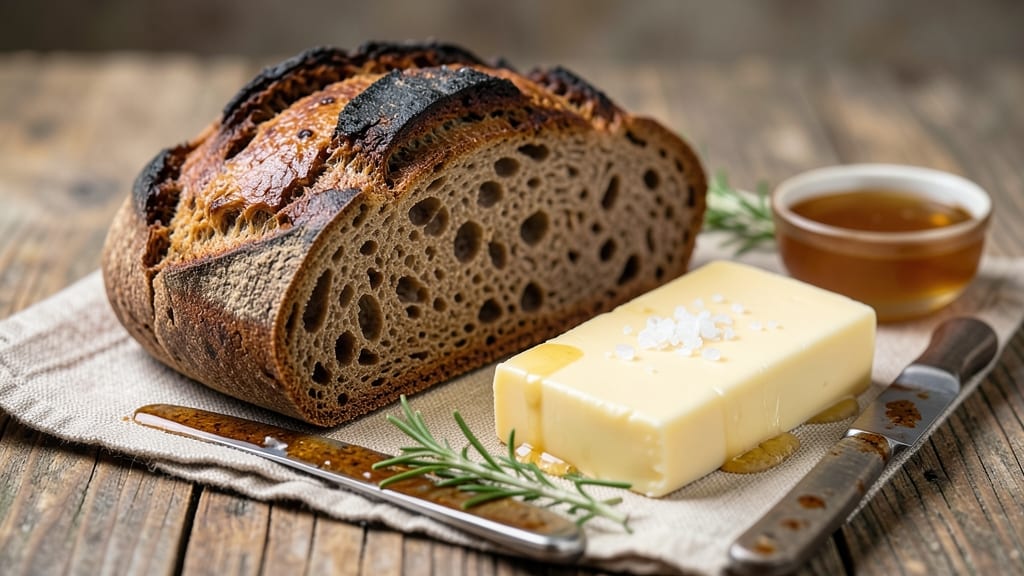
This artisan pumpernickel bread recipe delivers the deep molasses crust and nutty fermented flavor you crave—perfect for sandwiches or toast. 🌟 The secret lies in slow fermentation and high rye flour content, which creates that signature dense, moist crumb and complex malt notes.
Unlike quick breads, this requires patience, but the results are worth every minute of waiting.
What sets this recipe apart is the balance of hydration and fermentation time, which develops the bread's signature tang and depth. We'll use a mix of dark rye flour and whole grains for texture, while molasses and coffee add that unmistakable pumpernickel character.
The dough is sticky but manageable, and the slow bake ensures even flavor development throughout the loaf.
The final loaf will have a thick, crackly crust with a glossy sheen from the molasses, while the interior remains dense yet tender. Each slice offers layers of flavor—sweet from the molasses, bitter from the coffee, and nutty from the rye.
This bread improves with age, making it perfect for baking ahead and storing for up to two weeks.
For those with dietary considerations, you can reduce the molasses slightly for a lighter loaf or add seeds like flax or sesame for extra crunch. The recipe adapts well to home ovens, though you may need to adjust baking time based on your oven's heat distribution.
Let's get started on creating your perfect pumpernickel loaf.
Ingredients for artisan pumpernickel bread
Molasses, coffee, and rye flour—just eight ingredients transform into this legendary artisan loaf.
| Ingredient | Amount | Notes |
|---|---|---|
| Dark Rye Flour 🌾 | 3 cups | High-protein, whole grain preferred |
| All-Purpose Flour 🌾 | 1 cup | For structure and lightness |
| Active Dry Yeast 🍞 | ¼ oz | Or 2 1/4 tsp (1 packet) |
| Granulated Sugar 🍚 | ½ cup | Feeds yeast for fermentation |
| Unsalted Butter 🧈 | ½ cup | Cold, cubed for flavor |
| Molasses 🍯 | ½ cup | Unsulphured, dark variety |
| Instant Coffee Granules ☕ | 1 tbsp | For deep pumpernickel flavor |
| Warm Water 💧 | 1 ½ cups | 110°F for yeast activation |
| Sea Salt 🧂 | 1 ½ tsp | Kosher or fine grain |
| Flaxseeds 🌰 | ¼ cup | Optional for extra crunch |
| Sesame Seeds 🌻 | ¼ cup | Optional for nutty flavor |
| Cornmeal 🌽 | ¼ cup | For dusting loaf pan |
The rye flour is non-negotiable here. Bob's Red Mill or King Arthur dark rye delivers that signature deep flavor and dense crumb. If you're near a specialty bakery, ask for pumpernickel rye flour—it's worth the trip. The molasses? Grosjean unsulphured is my go-to, but any dark, thick molasses works. Coffee granules add complexity, but instant is fine—no need for fancy beans. For the yeast, check the expiration date—old yeast won't wake up. Keep your butter cold until mixing to prevent over-developing the gluten too early.
No dark rye flour? Substitute with whole wheat flour plus 1 tbsp caraway seeds for a similar bite. Running out of molasses? Maple syrup at half the amount gives sweetness but lacks depth. The flaxseeds and sesame are optional but add texture—toast them first for extra nuttiness. For the coffee, if you've got ground beans, use 1 tbsp finely ground instead. The dough will be sticky—wet your hands when handling it. And if your kitchen's humid, add 1 tbsp extra flour to prevent sticking.
This dough needs time—at least 8 hours in the fridge for proper fermentation. The longer it rests, the more complex the flavor. Shape your loaf into a 12x5-inch pan (or similar) and let it proof another 1-2 hours before baking. The crust develops best with steam—spray the oven walls or place a tray of water below. Baked loaves keep beautifully for up to 2 weeks wrapped in a cotton towel, or freeze for 3 months. Slice when cold for clean cuts—never warm.
Why You'll Love This Recipe
- No-Knead Magic: I swear by this—just mix the dark rye flour with a touch of butter and yeast, let it rise overnight, then bake. That’s it. No standing at the counter, no stress, just hands-off perfection by morning.
- Deep, Toasty Crunch: The molasses-kissed rye crust? Irresistible. One slice buttered open feels like a hug—earthy, slightly sweet, with that satisfying crackle. Honestly, I’ll take this over store-bought any day.
- Weeknight Workhorse: This bread doubles as toast, sandwich base, or French toast—no waste. I keep a loaf in the freezer for lazy mornings, and it reheats beautifully. (Yes, even on a Tuesday night.)
- Budget-Friendly Staple: Dark rye flour isn’t cheap, but a single batch stretches for days. The butter adds richness without breaking the bank, and the yeast ensures every bite is worth it. My wallet and taste buds thank me.
Step-by-step instructions for artisan pumpernickel bread
Here's how to craft that signature deep molasses crust and nutty fermented flavor—every bite will be worth the wait!
👨🍳 Step 1: Activate the Yeast and Mix the Wet Ingredients
In a large bowl, whisk together the 1.5 cups warm water (about 110°F) with the 0.5 cup granulated sugar until dissolved. Sprinkle the 0.25 oz active dry yeast over the surface and let sit for 5-10 minutes until foamy. This is your signal the yeast is alive and ready to work its magic.
In a separate bowl, combine the 0.5 cup molasses, 1 tbsp instant coffee granules, and 1.5 tsp sea salt. The molasses will be thick—stir until it's fully incorporated. I like to use a whisk for this to avoid any clumps. The coffee granules will dissolve completely, giving that authentic pumpernickel depth.
🍳 Step 2: Combine Wet and Dry Ingredients
Add the yeast mixture to the molasses mixture and stir well. Now it's time for the dry ingredients—gradually whisk in the 3 cups dark rye flour and 1 cup all-purpose flour until just combined. You'll want to mix until you see a shaggy dough form, but don't overwork it yet. The dark rye flour can be dense, so be patient and let it come together naturally.
Once the dough starts pulling away from the sides of the bowl, turn it out onto a lightly floured surface. Here's where the fun begins—fold in the 0.5 cup cold unsalted butter, cut into small cubes. Press the butter into the dough until fully incorporated. The butter adds incredible richness and helps create that signature crust.
🥘 Step 3: Knead and First Rise
Knead the dough for about 8-10 minutes until smooth and elastic. You'll know it's ready when it springs back slowly when poked. The dark rye flour makes this dough stickier than typical bread dough, so wet your hands slightly as needed. This kneading develops the gluten structure that gives your pumpernickel its satisfying chew.
Place the dough in a lightly greased bowl, cover with plastic wrap, and let it rise in a warm place for 1-2 hours, or until doubled in size. I like to put my oven on its lowest setting with a bowl of hot water inside to create a warm, humid environment. The dough should puff up noticeably and feel light when pressed gently.
🔪 Step 4: Shape and Second Rise
Punch down the risen dough to release air, then divide it into two equal pieces. Shape each piece into a smooth loaf, about 8x4 inches. Place them on a baking sheet lined with parchment paper, seam-side down. Cover loosely with a damp towel and let them rise again for 30-45 minutes. They should expand slightly and feel firm to the touch.
While the dough rises, preheat your oven to 375°F. Lightly brush the tops with water and sprinkle generously with the 0.25 cup sesame seeds and 0.25 cup flaxseeds. This adds beautiful texture and nutty flavor to the crust. Dust a baking sheet with 0.25 cup cornmeal—this prevents sticking and adds a subtle crunch to the bottom.
🔥 Step 5: Bake to Perfection
Carefully transfer the shaped loaves to the prepared baking sheet. Bake for 40-45 minutes until the tops are deep golden brown and the internal temperature reaches 205°F. The bread should sound hollow when tapped on the bottom. This deep baking time develops that signature pumpernickel flavor and texture.
For that signature molasses crust, I like to brush the tops with a little more molasses after 20 minutes of baking. The heat will caramelize it beautifully, giving you that rich, glossy finish. Let the bread cool on a wire rack for at least 1 hour before slicing—this ensures clean cuts and maximum flavor development.
Pro Tips For Making Artisan Pumpernickel Bread
- Bloom the Yeast First: Skip mixing yeast directly into dry flour—it’s a waste of time and often leads to weak fermentation. Instead, dissolve the yeast in warm water (around 105°F) with a pinch of sugar and let it foam for 5-10 minutes. This guarantees it’s alive and active before you commit to the dough.
- Soften Butter Properly: Cold butter creates pockets in pumpernickel that won’t brown right. Warm the butter in the fridge for 30 minutes (not microwave!) until it’s pliable but not melted—this ensures even distribution and that signature crackly crust.
- Don’t Over-Knead the Rye: Rye dough is dense and stubborn. Once the gluten starts developing (after about 8-10 minutes by hand), stop—overworking it turns your bread into a chewy brick. Test by stretching a piece: if it resists but doesn’t tear, you’re good.
- Steam the Oven: Slide a metal tray into the oven while it preheats, then pour ½ cup hot water over it right before baking. The steam mimics a bakery’s proof box, helping the crust rise and develop that deep, glossy sheen without burning. (Yes, even if your oven’s not fancy.)
Best sauces and condiments for this recipe
Molasses Glaze Finish
For that signature glossy crust, brush the baked loaf with an extra 1-2 tablespoons of molasses after 20 minutes in the oven. The heat will caramelize it beautifully, creating a deep, sticky finish that's irresistible.
I like to use a pastry brush for even coverage—just be careful not to overdo it or the crust may become too sticky to handle. 🌟
Cream Cheese Spread
Nothing complements pumpernickel like a layer of Philadelphia cream cheese spread. Mix 4 oz softened cream cheese with 1 tablespoon honey and a pinch of sea salt for a sweet-savory balance.
Spread on warm slices for a decadent open-faced sandwich or toast. This pairing is especially popular in New York delis.
Smoked Salmon Topping
Elevate your pumpernickel experience with lox or smoked salmon on buttered toast. The rich, briny flavors of the salmon contrast perfectly with the bread's deep molasses notes. Add a smear of herb cream cheese and fresh dill for a classic bagel-style sandwich.
I often use Wild Planet or Lund's smoked salmon for the best quality. 🐟
Mustard-Mayo Blend
Create a tangy spread by mixing 2 tablespoons Dijon mustard with 3 tablespoons mayonnaise and a splash of apple cider vinegar. This works wonderfully with cold cuts like pastrami or turkey.
The acidity cuts through the bread's richness while enhancing its malt flavors. Keep the ratio 1:1.5 mustard to mayo for optimal balance.
Sweet Butter Compote
For a sweet twist, make a simple butter compote by melting 2 tablespoons unsalted butter with 1 tablespoon brown sugar and a pinch of cinnamon. Drizzle over warm slices or use as a glaze for French toast made with pumpernickel.
The caramelized butter adds a luxurious finish that pairs beautifully with the bread's deep flavors. 🧈
Herbed Olive Oil
Infuse ¼ cup extra-virgin olive oil with 1 teaspoon dried rosemary, 1 teaspoon dried thyme, and 2 minced garlic cloves. Heat gently for 5 minutes to release the aromatics, then strain.
Drizzle over sliced bread or use as a dipping oil for crusty pieces. The herbal notes complement the bread's earthy tones beautifully.
Nutrition facts
Frequently asked questions
Why does artisan pumpernickel need such a long fermentation?
The extended fermentation (at least 8 hours in the fridge) develops the bread's signature tang and complex malt flavors. The slow process breaks down starches into sugars, creating that deep, caramelized taste and improving digestibility. Rye flour benefits most from this time—it's dense and needs patience to develop its full nutty potential.
Can I make this bread without molasses?
Yes, but you'll lose that signature sweet depth. Substitute with ½ cup maple syrup or ¼ cup honey plus ¼ cup brown sugar for sweetness, though the flavor won't be identical. The molasses also contributes to the bread's signature dark color and moisture—critical for authentic pumpernickel.
How do I store pumpernickel to keep it fresh?
Wrap cooled loaves in a cotton towel or beeswax wrap and store at room temperature for up to 2 weeks. For longer storage, freeze slices wrapped in parchment—thaw at room temperature before toasting. The bread actually improves with age as the flavors meld! Avoid plastic bags to prevent sogginess.
Why did my crust turn out too pale?
Pale crusts usually mean insufficient baking time or lack of steam. Ensure your oven reaches 375°F and bake until internal temp hits 205°F. For extra color, brush with molasses after 20 minutes of baking. A baking sheet with ½ inch water below the bread creates steam for better browning.
Can I add seeds or nuts to this recipe?
Try 1 tbsp caraway seeds (traditional), ¼ cup sunflower seeds, or ½ cup chopped walnuts for crunch. Toast seeds first to enhance flavor. For extra richness, fold in 2 tbsp melted butter with the seeds during the final knead. Just reduce water by 1 tbsp if adding dry mix-ins.