
Side Dishes
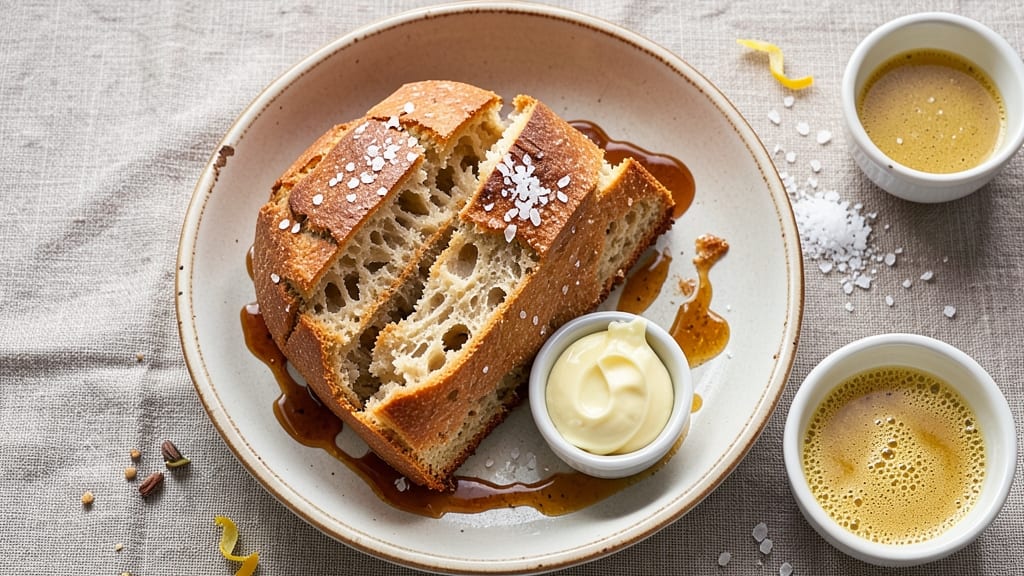
This artisan beer bread recipe transforms humble ingredients into a loaf with a crusty crown and a chewy, malty heart—the kind that disappears faster than you can say "first slice." The secret lies in using artisan beer, which adds depth and moisture while creating that signature tender crumb.
I've perfected this recipe over years of baking, ensuring every batch delivers that ideal balance of texture and flavor.
The process is straightforward but requires patience—letting the dough rise properly creates those coveted air pockets that make the bread so irresistible. We'll use a simple dough made with flour, sugar, yeast, and of course, your choice of artisan beer.
The beer's natural carbonation helps create a lighter texture, while its maltiness infuses the bread with complex flavor.
By the time it emerges from the oven, you'll have a loaf with a golden, crisp exterior and a soft, moist interior that's packed with malty richness.
The aroma alone will have everyone gathering around the table. This bread is perfect for serving alongside soups, stews, or as a hearty side to any meal.
For an extra touch, brush the warm bread with melted butter and sprinkle with coarse salt or fresh herbs. The possibilities are endless, but the result is always the same: a loaf that tastes like it came straight from a craft bakery.
Let's get started on creating your perfect artisan beer bread.
Ingredients for artisan beer bread
Eight simple ingredients transform into a loaf with a crispy crust and tender, malty interior.
| Ingredient | Amount | Notes |
|---|---|---|
| All-Purpose Flour 🌾 | 4 cups | Sifted for best texture |
| Artisan Beer 🍺 | 1 cup | Any style, room temperature |
| Granulated Sugar 🍯 | ¼ cup | Light brown sugar for depth |
| Active Dry Yeast 🍞 | 1 package | 2.25 tsp, or 1 packet |
| Unsalted Butter 🧈 | ½ cup | Melted, full-fat for richness |
| Warm Water 💧 | 1 cup | 110°F for yeast activation |
| Salt 🧂 | 1 tsp | Kosher or sea salt preferred |
| Garlic Powder 🧄 | 1 tsp | For subtle depth of flavor |
| Dried Rosemary 🌿 | 1 tsp | Or 1 tbsp fresh, finely chopped |
| Coarse Salt 🧂 | 2 tbsp | For topping, like Maldon |
| Fresh Parsley 🌿 | ¼ cup | Chopped, for garnish (optional) |
The beer is the soul of this bread—craft breweries or the local taproom are your best bets. Look for something with a little body, like an amber ale or pale ale, but IPAs or stouts work too. If you're using a beer with lots of hops, you might want to reduce it slightly first to avoid bitterness. The yeast is non-negotiable—Fresh is best, but if your packet's been sitting in the freezer for a while, it's still fine. For the flour, King Arthur or Bob's Red Mill are my go-tos—they give that perfect balance of chewiness and structure.
No artisan beer? Substitute with warm water plus 1 tsp malt extract powder—it won't be identical, but it'll get you close. Short on rosemary? Thyme or savory work beautifully. The sugar can be swapped for honey if you're not strict about that (though it'll add a floral note). For the butter, margarine in a pinch, but trust me on the full-fat version. The garlic powder can be replaced with a minced clove of fresh garlic if you're feeling fancy—just toss it into the dough before shaping.
This dough needs time—at least 1 hour of rising. If you're short on time, let it rise overnight in the fridge for even more flavor. Once baked, let it cool on a wire rack for 10 minutes before slicing, or you'll end up with a gummy loaf. Store wrapped at room temperature for 2-3 days or freeze for up to 3 months. The crust gets crunchier as it cools, so reheat slices in a 350°F oven for 5 minutes if you want that bakery-fresh crunch.
Why You'll Love This Recipe
- No-Knead Magic: I swear by this recipe because it’s one of those rare things that feels fancy but isn’t. Just mix the flour, yeast, sugar, and beer—no punching, no fuss—and let the yeast do the work. Honestly, I’ve made it while scrolling through my phone.
- Beer’s Secret Boost: That first sip of artisan beer isn’t just for drinking—it’s the star. The maltiness cuts through the flour’s heaviness, and the yeast wakes up the bread with a subtle depth. Spread some melted butter on a warm slice, and you’ll understand why I keep a loaf in the freezer.
- Weeknight Workhorse: This bread is my go-to for sandwiches, toast, or even French toast. (Yes, even on a Tuesday night.) It’s sturdy enough for hearty meals but light enough to soak up soups. Between us, I’ve fed a crowd with one batch—no one complained.
- Budget-Friendly Luxury: You’re using pantry staples, but the beer makes it feel special. A single loaf costs me pennies, and it stays fresh for days. Freeze extras, and you’ve got a ready-made side for months. Not the prettiest, but the taste makes up for it every time.
Step-by-step instructions for artisan beer bread
Here's how to create a golden crust with a perfectly chewy interior—every slice will be worth the wait.
Activate the Yeast for Maximum Rise
In a small bowl, combine the 1 cup warm water (between 110°F and 115°F) with the 0.25 cup granulated sugar and stir until dissolved. Sprinkle the 1 package active dry yeast over the surface and let sit for 5-10 minutes until it becomes frothy and bubbly. This tells you the yeast is alive and ready to work.
If the mixture doesn't bubble after 10 minutes, your yeast might be dead—start over with fresh yeast. I always test mine first to avoid flat bread. Once it's active, proceed carefully to avoid killing the yeast with heat or cold.
Mix the Dough Until Just Combined
In a large mixing bowl, whisk together the 4 cups all-purpose flour, 1 tsp salt, 1 tsp garlic powder, and 1 tsp dried rosemary. Make a well in the center and pour in the yeast mixture along with the 1 cup artisan beer. Stir with a wooden spoon until a shaggy dough forms.
Add the 0.5 cup melted unsalted butter and mix until fully incorporated. The dough will be sticky—don't add extra flour or it'll lose its signature chewiness. Knead gently by hand for 2-3 minutes until smooth, just until the dough comes together. Over-kneading develops gluten, which makes the bread tough instead of tender.
Let the Dough Rise Until Nearly Doubled
Lightly grease a large bowl with butter and place the dough inside. Cover with a damp kitchen towel and let rise in a warm place for 1-1.5 hours until it has nearly doubled in size. The dough should feel light and springy when pressed gently with one finger.
I place my bowl on top of my oven with the light on (creates gentle warmth) or near a sunny window. Avoid cold drafts—they slow yeast activity. If the dough rises too quickly, it'll collapse when baked. Patience here ensures that perfect open crumb structure we're after.
Shape and Bake for Crusty Perfection
Preheat your oven to 375°F. Line a baking sheet with parchment paper and shape the dough into a round loaf. Press the dough into a greased 9-inch cast iron skillet or round baking pan, letting it rise slightly again for 15 minutes while you preheat.
Sprinkle the top generously with 2 tbsp coarse salt for that classic beer bread flavor. Bake for 30-35 minutes until the crust is deep golden brown and the internal temperature reaches 190°F. The bread should sound hollow when tapped on the bottom.
Finish with Fresh Herbs and Serve Warm
Remove the bread from the oven and immediately sprinkle the 0.25 cup chopped fresh parsley over the top for freshness. Let it cool on a wire rack for 5-10 minutes before slicing—this prevents a gummy crumb.
Slice while still warm for that perfect contrast of crispy crust and soft, chewy interior. The beer's malty notes should shine through with every bite, and that rosemary-garlic flavor will make it irresistible. Serve with your favorite butter or olive oil for dipping—trust me, you'll want seconds.
Pro Tips For Making Artisan Beer Bread
- LET THE YEAST WARM UP: Skip the fridge—dissolve that active dry yeast in the warm beer (around 105°F) for 5 minutes first. I learned this the hard way after a batch failed because I tossed in cold yeast straight into lukewarm beer. The yeast needs a jumpstart, especially with artisan beer’s lower carbonation.
- USE COLD BUTTER: Cut that unsalted butter straight from the fridge into cubes—don’t soften it first. Cold butter creates pockets in the dough that bake into golden, buttery pockets. (Yes, even if you’re impatient like me.)
- DON’T OVERMIX THE DOUGH: Stir the flour and beer just until combined—about 2 minutes max. Overmixing develops gluten, and this bread’s magic comes from its tender, airy crumb. My first batch turned out dense because I kept folding it like I was kneading pizza dough.
- CHILL THE DOUGH: Let the dough rest in the fridge for at least 30 minutes before baking. This relaxes the gluten and lets the beer’s flavor meld. I was skeptical until I tried it—now it’s non-negotiable for me. (Your future self will thank you.)
Flavor customization for this recipe
Sweet & Spicy Twist
Add 1 tbsp brown sugar and ½ tsp cayenne pepper to the dough for a caramelized crust with subtle heat. I love pairing this with a honey butter glaze—brush warm slices with melted butter mixed with 1 tbsp honey and a pinch of cinnamon.
The sweetness balances the beer's malty bitterness beautifully. 🌶️
Herb-Infused Variations
Swap out rosemary for 1 tbsp dried thyme or fresh sage—both add earthy depth. For a Mediterranean touch, add ½ tsp dried oregano and ½ tsp lemon zest to the dough.
Finish with a sprinkle of flaky sea salt and crushed red pepper flakes before baking. This version pairs perfectly with grilled meats or roasted vegetables.
Cheesy Beer Bread
Stir 1 cup shredded sharp cheddar or gruyère into the dough before the final rise. The cheese melts into the crumb, creating pockets of gooey goodness. For extra richness, fold in ¼ cup cream cheese along with the butter.
Top with paprika and extra coarse salt before baking—this version disappears even faster than the classic! 🧀
Savory Garlic & Parmesan
Boost the garlic flavor by adding 2 minced garlic cloves (instead of powder) and ½ cup grated Parmesan to the dough. After baking, drizzle with olive oil and sprinkle with extra garlic powder and black pepper.
This version is perfect for serving with soups or dipping in balsamic vinegar. The Parmesan adds a salty, umami kick that complements the beer's maltiness.
Whole Grain Option
Replace 1 cup all-purpose flour with whole wheat flour for a nuttier, heartier bread. Add 1 tbsp molasses to the dough for extra depth. The texture will be denser but still chewy.
I recommend brushing the baked loaf with garlic-infused olive oil and sprinkling with everything bagel seasoning for a gourmet touch. This version is great for those who love texture contrast!
Spiced Rum Beer Bread
For a festive twist, use ½ cup spiced rum instead of water to activate the yeast. The rum adds warmth and complexity to the beer's flavor. Stir in ½ tsp cinnamon and ¼ tsp nutmeg to the dough.
Top with candied pecans before baking for a Southern-inspired treat. This version is perfect for holiday gatherings or cozy winter meals. 🎄
Nutrition facts
Frequently asked questions
Can I use any beer for this artisan bread?
You can use most beers, but artisan or craft beers work best—they have more complex malt flavors that shine through. Avoid very bitter IPAs or stouts unless you reduce them first (simmer to ½ cup to concentrate flavors). Light lagers or pilsners add subtle sweetness, while amber ales bring caramel notes. The key is room temperature beer to activate the yeast properly.
Why did my beer bread turn out dense instead of chewy?
Dense bread usually means over-kneading or under-rising. The dough should be sticky but just combined—no tough gluten development. Let it rise until nearly doubled (1-1.5 hours) in a warm spot (like the oven with light on). If your kitchen is cold, try a 5-minute warm water bath for the bowl to speed up fermentation.
How do I store leftovers to keep them fresh?
Wrap cooled slices tightly in plastic wrap or foil and store at room temperature for 2-3 days. For longer storage, freeze slices for up to 3 months. To revive, warm in a 350°F oven for 5 minutes until crispy again. The crust gets crunchier as it cools, so reheating restores that bakery-fresh texture.
Can I make this gluten-free?
Yes, but texture will differ. Replace the all-purpose flour with a 1:1 gluten-free baking flour blend (like Bob's Red Mill) plus ½ tsp xanthan gum. Add 2 tbsp extra beer to compensate for reduced gluten structure. Expect a denser crumb—brushing with melted butter helps mimic the chewiness. Proofing time may need extending to 2 hours for proper rise.
What's the best way to reheat stale beer bread?
For maximum crispiness, wrap slices in foil and heat at 350°F for 5-7 minutes. For softer bread, warm in the microwave for 10-15 seconds with a damp paper towel. The oven method recreates that fresh-from-the-oven crunch, while microwave works for quick sandwiches. Pro tip: Spritz with water before reheating for extra moisture.