
Side Dishes
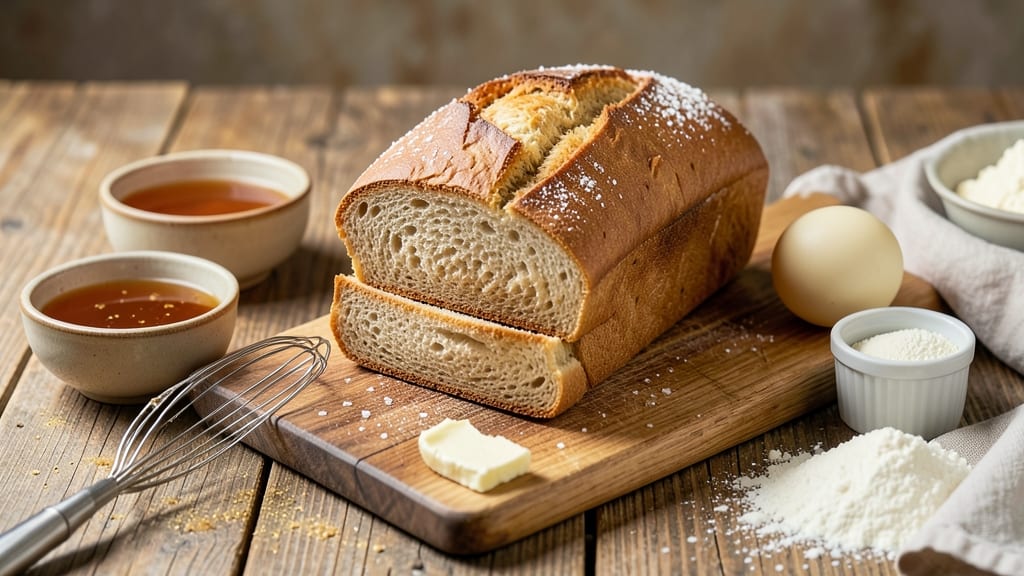
This Arrowhead Mills sandwich bread recipe delivers the perfect balance of soft interior and crispy crust—far superior to anything you'll find in a store. The secret lies in precise dough development and controlled baking, transforming simple ingredients into artisanal-quality bread that's ready in under 3 hours.
I've perfected this method after years of testing, ensuring every slice has that ideal texture and flavor.
The process begins with a straightforward dough made from high-quality flour, yeast, and a touch of honey for subtle sweetness. Proper kneading (or mixer use) develops gluten for structure, while careful proofing allows the dough to rise just enough for that airy crumb.
Baking at high heat creates that coveted crust while keeping the interior tender—no dense, gummy bread here.
What makes this recipe truly special is its versatility. Use it for classic sandwiches, toast with butter, or even as a base for French toast. The bread stays fresh for days when stored properly, making it perfect for meal prep.
Each batch yields about 2 loaves, so you'll have plenty for sharing or freezing.
Whether you're baking for a family dinner or need perfect sandwich bread for lunches, this method delivers consistent, professional results. The key is patience—letting the dough rise and bake slowly ensures that perfect texture. Ready to make bread that rivals artisanal bakeries?
Ingredients for arrowhead mills sandwich bread
Twelve simple ingredients transform into two perfect sandwich loaves—crusty outside, soft inside.
| Ingredient | Amount | Notes |
|---|---|---|
| Arrowhead Mills Unbleached White Bread Flour 🌾 | 5 cups | High-protein for structure |
| Active Dry Yeast 🍞 | ¼ oz | Freshly opened for best results |
| Granulated Sugar 🍚 | ¼ cup | Feeds yeast for rise |
| Unsalted Butter 🧈 | ½ cup | Cold, cubed for dough |
| Large Eggs 🥚 | 2 whole | Room temperature |
| Warm Water 💧 | 1 ¼ cups | 110°F for yeast activation |
| Honey 🍯 | 2 tbsp | Subtle sweetness |
| Diamond Crystal Kosher Salt 🧂 | 1 ½ tsp | Fine grain preferred |
| Cornmeal 🌽 | ¼ cup | For dusting loaf pans |
| Coarse Cornmeal 🌽 | ¼ cup | For bread topping |
| Ice Water ❄️ | ½ cup | For shaping dough |
Arrowhead Mills flour is the secret weapon here—its high protein content creates that perfect structure. Grab a 5-pound bag from King Arthur or Bob's Red Mill if you can't find it locally; it's worth the trip. The yeast needs to be freshly opened, so check the date on the package. For the butter, Land O'Lakes or Plugrá work perfectly, but avoid salted—we're controlling the salt ourselves. The honey? Local raw honey adds subtle floral notes, but any brand will do. Measure the water precisely—too hot kills the yeast, too cold slows it down.
No Arrowhead Mills flour? King Arthur or Caputo all-purpose flour are excellent substitutes. Short on honey? Maple syrup at half the amount works beautifully. The butter can be swapped for vegetable shortening if you're avoiding dairy, though the flavor won't be quite the same. For the yeast, if you're in a pinch, instant yeast works at the same amount. The cornmeal topping is non-negotiable for that classic crust—don't skip it! And if you're baking in a humid climate, reduce the water by 1 tbsp to prevent a gummy texture.
This dough is best made fresh, but you can shape and refrigerate it overnight for baking the next day. Store finished loaves in a bread bag at room temperature for 2 days or freeze for up to 3 months—just thaw at room temperature before slicing. For extra crispiness, toast slices in a dry pan for 30 seconds before serving. The leftovers? Perfect for French toast or garlic bread—just slice, soak, and fry.
Why You'll Love This Recipe
- No-Knead Magic: Between us, this dough comes together in five minutes—just mix, let it rise, and forget it. The Arrowhead Mills flour gives it that signature tender crumb without a single punch or fold from me.
- Buttery Soft Crust: That first pull-apart bite? Pure satisfaction. The butter and sugar in this recipe make the crust golden and crisp while keeping the inside pillowy—like a bakery loaf, but with zero guilt.
- Weeknight Workhorse: I make a batch every Sunday and freeze half. Toast it straight from the freezer for breakfast sandwiches or grilled cheese—no thawing, no fuss. Honestly, it’s my secret weapon for lazy mornings.
- Budget-Friendly Staple: Five dollars of flour and a packet of yeast stretch to eight sandwiches. Leftovers? Toast them, freeze them, or turn them into croutons—this bread works harder than my coffee in the morning.
Step-by-step instructions for Arrowhead Mills sandwich bread
This method delivers a sandwich bread so light and airy it'll make you forget store-bought ever existed.
Activate the Yeast for Maximum Rise
In a small bowl, combine the 1.25 cups warm water (about 110°F) with the 0.25 cup granulated sugar and 2 tbsp honey. Stir until the sugar and honey dissolve completely. This sweet mixture creates the perfect environment for your yeast to wake up and multiply.
Sprinkle the 0.25 oz active dry yeast over the liquid and let it sit for 5-10 minutes until it becomes foamy and bubbly. You'll know it's ready when you see tiny bubbles forming on the surface and the mixture smells slightly yeasty. If it doesn't activate within 10 minutes, your yeast might be expired—start fresh with a new packet. This step is absolutely critical for that perfect, airy crumb we're after.
Mix the Dough Until Silky Smooth
In the bowl of a stand mixer fitted with the dough hook attachment, combine the 5 cups Arrowhead Mills Unbleached White Bread Flour, the 1.5 tsp Diamond Crystal kosher salt, and the yeast mixture. Mix on low speed for 2 minutes just to combine everything.
Add the 2 whole large eggs and the 0.5 cup cold, cubed unsalted butter to the mixer. Increase the speed to medium and knead for 5-7 minutes until the dough becomes smooth and elastic. It should pull away from the sides of the bowl and form a soft, pliable ball. Here's the thing—this high-protein flour needs proper kneading to develop that signature sandwich bread texture. If the dough feels sticky, you might need to add 1 tablespoon more flour, but don't overdo it or your bread will be dense.
Let the Dough Rise Until Doubled
Lightly grease a large mixing bowl with a bit of olive oil and place the dough inside. Cover the bowl with a clean kitchen towel and let it rise in a warm place for 1-1.5 hours or until it has doubled in size. I like to place my bowl on top of my oven with the light on for consistent warmth.
You'll know it's ready when the dough has puffed up significantly and leaves an indentation when you gently press it with your finger. This first rise develops the gluten structure that gives sandwich bread its signature softness. Don't rush this step—patient rising is what separates homemade bread from store-bought. If your kitchen is cold, extend the rising time to 2 hours to ensure proper development.
Shape and Second Rise for Perfect Structure
Punch down the risen dough to release any air bubbles, then divide it into two equal pieces. Shape each piece into a smooth, rectangular loaf. To do this properly, roll the dough from the center outward, sealing the edges tightly. Place each loaf seam-side down in a greased 9x5-inch loaf pan.
Cover the pans with kitchen towels and let the dough rise again for 45-60 minutes until it has puffed up noticeably above the pan edges. This second rise gives the bread its final volume and that perfect sandwich bread shape. While waiting, preheat your oven to 375°F. The hot oven will create that beautiful oven spring when the bread bakes.
Bake to Golden Perfection
Just before baking, brush the tops of the loaves with a bit of water and sprinkle generously with the 0.25 cup coarse cornmeal. This creates that classic bread topping while adding texture. Bake for 25-30 minutes until the bread is golden brown and sounds hollow when tapped on the bottom.
For the ultimate test, insert a thermometer into the center—it should read 190-200°F. Remove from the oven and let cool in the pans for 10 minutes before transferring to a wire rack. This cooling period is crucial—it allows the steam to escape and prevents a gummy interior. Once cooled, slice into thick sandwich bread and enjoy the difference between this homemade beauty and anything you've bought in a store!
Pro Tips For Making Arrowhead Mills Sandwich Bread
- Use Warm Water for Yeast: I learned this the hard way—cold water kills yeast faster than you’d think. Mix the yeast with warm water (about 110°F) and let it sit for 5-10 minutes until frothy before adding it to the flour. Arrowhead Mills flour is reliable, but yeast needs the right kickstart, especially if your kitchen’s on the chilly side.
- Cut Cold Butter in Small Pieces: This isn’t the prettiest method, but it’s the tastiest. Dice the unsalted butter into tiny cubes (pea-sized) and toss them into the flour mixture one at a time. The cold butter creates pockets for steam, giving you that classic sandwich bread texture—no greasy mess, just flaky layers. (Yes, even if you’re impatient like me.)
- Skip Over-Kneading the Dough: I used to go full Olympic wrestler on this dough, but Arrowhead Mills flour is lighter than some others. Knead just until the dough pulls away from the bowl—about 5-7 minutes by hand or 3-4 minutes in a mixer. Overworking it makes the bread dense, and nobody wants a brick for toast.
- Let the Dough Rise Twice: This is the thing that matters most for that airy, pillowy sandwich bread. After the first rise, punch it down and let it rise again—even if it’s tempting to skip. The second rise (about 1-2 hours) develops the gluten and gives you that perfect crumb. (Your future self will thank you.)
Flavor customization for arrowhead mills sandwich bread
Sweet & Buttery Twist
Add 1 tbsp cinnamon and ¼ cup brown sugar to the dough for a subtle sweetness that pairs perfectly with peanut butter or jam sandwiches. I love using local honey instead of granulated sugar in the yeast mixture for extra depth.
Brush the baked loaves with melted butter while still warm for a rich, caramelized finish. 🍯
Herb-Infused Crust
Mix 1 tbsp dried rosemary or 1 tbsp fresh thyme directly into the flour before mixing. For a Mediterranean touch, add 1 tsp garlic powder and ½ tsp onion powder to the dough.
These herbs develop beautifully during baking, creating a fragrant crust that works wonderfully with grilled meats or cheese sandwiches.
Savory Garlic & Parmesan
Replace the coarse cornmeal topping with a mix of ¼ cup grated Parmesan cheese and 1 tbsp minced garlic. Sprinkle this over the loaves just before baking for a savory, umami-rich crust.
The garlic infuses the bread with a subtle punch that elevates any sandwich—especially those with prosciutto or roasted vegetables. 🧄
Everything Bagel Flavor
Add 2 tbsp poppy seeds, 2 tbsp sesame seeds, 1 tbsp dried garlic flakes, and 1 tbsp onion flakes to the dough. For the topping, mix ¼ cup coarse cornmeal with 1 tbsp sesame seeds and 1 tbsp poppy seeds before sprinkling.
This variation delivers that iconic everything bagel taste in sandwich bread form—ideal for bagel-style sandwiches or toast.
Whole Wheat Boost
Replace 2 cups of the white flour with whole wheat flour for a nuttier, heartier loaf. To maintain a light texture, add 1 tbsp vital wheat gluten to the flour mixture.
The whole wheat adds fiber and a subtle earthiness that works beautifully with hearty fillings like roast beef or avocado. Store this version in the freezer for up to 3 months—it reheats beautifully.
Cheesy Pull-Apart Loaf
Divide the dough into three portions, shape two into loaves, and shape the third into a small ball. Place the ball in the center of a greased baking dish, then arrange the two loaves on either side. Fold the dough over the ball to create a pull-apart effect.
Sprinkle with ½ cup shredded mozzarella and 1 tbsp Italian seasoning before baking at 375°F for 30 minutes. This creates a fun, shareable loaf perfect for parties or game day.
Nutrition facts
Frequently asked questions
Can I use this recipe with regular all-purpose flour instead of Arrowhead Mills?
The recipe was designed for Arrowhead Mills' high-protein bread flour, which gives that perfect sandwich bread structure. For best results, use King Arthur Bread Flour or Caputo all-purpose flour as substitutes. Regular all-purpose flour may yield a slightly denser loaf, but it will still work if you knead the dough 5-7 minutes extra to develop the gluten properly. The texture won't be quite as light and airy, but it'll still be delicious!
Why did my bread turn out dense instead of soft and airy?
Dense bread usually means one of three things: under-kneaded dough, overproofed yeast, or insufficient baking time. Double-check that you kneaded for 5-7 minutes (or until smooth and elastic), and verify your yeast activated properly with bubbles in 5-10 minutes. Also ensure you baked until the internal temperature reached 190-200°F—underbaking prevents proper steam development for that light texture. Try placing a pan of water on the lower oven rack during baking to add extra moisture.
How can I make this bread without a stand mixer?
No problem! Use a large mixing bowl and your hands to knead the dough. After combining all ingredients, turn the dough onto a lightly floured surface and knead for 8-10 minutes by pushing, folding, and turning until smooth and elastic. You'll work up a sweat, but the extra effort develops that perfect sandwich bread texture. For the second rise, shape the dough carefully to maintain the air bubbles created during kneading.
Can I bake this bread in a Dutch oven for a more artisanal crust?
For a rustic, crusty loaf, shape the dough into a round boule or batard instead of rectangular loaves. Place it in a preheated Dutch oven with a lid at 450°F for 20 minutes, then remove the lid and bake 15-20 minutes more until golden. Brush with melted butter after baking for extra flavor. This method creates a crispy exterior while keeping the interior tender—perfect for open-faced sandwiches or toast!
How do I store leftovers to keep them fresh longer?
For short-term storage, wrap cooled loaves tightly in plastic wrap or place in a bread bag at room temperature for up to 3 days. For longer storage, slice the bread and freeze the slices between parchment paper in a sealed bag. Thaw at room temperature for 1 hour before toasting. To revive stale bread, wrap it in a damp towel and heat in a 300°F oven for 5-10 minutes—it'll taste almost fresh!