
Side Dishes
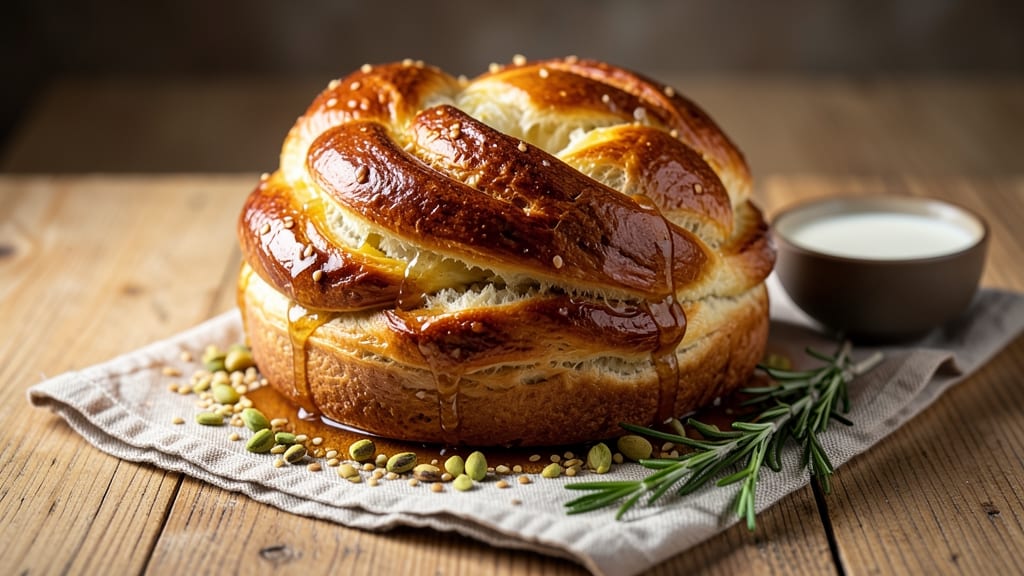
This Armenian Easter choreg recipe brings the rich traditions of Armenian Easter celebrations to your kitchen with its sweet, raisin-studded braided bread. 💛 The dough combines flour, yeast, sugar, and butter to create a tender base perfect for shaping into intricate braids that symbolize unity and prosperity.
What makes choreg special is its cultural significance—traditionally baked for Easter, it represents new beginnings and is often shared with family and friends.
The process begins with a simple yet flavorful dough that requires patience as it rises, allowing the yeast to develop that signature lightness. Once shaped into elegant braids, the bread bakes to a golden brown, revealing a fragrant interior studded with plump raisins.
This recipe delivers a balance of sweetness and texture, making it a standout dish for any celebration or special occasion.
Baking choreg is an art that rewards attention to detail, from kneading the dough to carefully braiding each strand. The result is a bread that’s tender yet sturdy, with a subtle sweetness that pairs beautifully with tea or coffee.
Whether you're celebrating Easter or simply indulging in a taste of tradition, this recipe promises a delicious and meaningful experience.
Serve warm or at room temperature, and enjoy the satisfaction of creating a dish that carries deep cultural roots. The aroma alone will transport you to an Armenian Easter table, where choreg is a centerpiece of joy and togetherness. Let’s get started on this timeless tradition.
Ingredients for armenian easter bread choreg
Sweet raisins, tender dough, and golden braids—here's what you need to bake traditional choreg.
| Ingredient | Amount | Notes |
|---|---|---|
| All-Purpose Flour 🌾 | 5 cups | Plus 1 cup for dusting |
| Active Dry Yeast 🍞 | ¼ oz | Or 2 1/4 tsp (1 packet) |
| Granulated Sugar 🍚 | ½ cup | For sweetness and yeast activation |
| Unsalted Butter 🧈 | ½ cup | Softened to room temperature |
| Large Eggs 🥚 | 1 whole | Room temperature preferred |
| Warm Milk 🥛 | ¾ cup | Whole milk for richness |
| Salt 🧂 | 1 tsp | Kosher or sea salt |
| Plump Raisins 🍇 | 1 ½ cups | Soaked in warm water (1/4 cup) |
| Vanilla Extract 🌸 | 1 tsp | Pure vanilla for flavor |
| Orange Zest 🍊 | 1 tbsp | From 1 medium orange |
| Egg Wash 🥚 | 1 whole | Beaten with 1 tbsp milk |
| Coarse Sugar 🍚 | ¼ cup | For topping before baking |
The raisins make choreg special, so don't skip the soaking. I grab Sun-Maid Golden Raisins from the bulk section—they're plump and sweet. For the flour, King Arthur or Gold Medal brands rise beautifully. The yeast needs to be fresh, so check the expiration date on the packet—it's the difference between light, fluffy bread and dense, flat loaves. If your raisins are small or dried out, soak them in warm water for 15 minutes to plump them up before adding to the dough.
No vanilla extract? Vanilla bean paste works too, or even a splash of orange juice for brightness. Short on raisins? Dried cranberries or chopped dates add a nice twist. The butter should be soft but not melted—if it's too warm, chill it for 10 minutes. For the milk, whole milk gives the best flavor, but 2% or even almond milk will work in a pinch. If you're making this ahead, the dough can rise overnight in the fridge—just let it sit at room temp for 30 minutes before shaping to make it easier to handle.
Store the dough in an airtight container in the fridge for up to 24 hours before baking. Once baked, choreg stays fresh for 3-4 days at room temperature, wrapped in a cloth. For longer storage, freeze the braided loaves for up to 3 months. I always reheat slices in the oven for 5 minutes at 350°F to bring back that fresh-baked warmth. The aroma alone will make your kitchen feel like an Armenian Easter table.
Why You'll Love This Recipe
- No-Knead Magic: I swear by this dough—just mix, let it rise, and forget it. The yeast does all the work while you sip coffee or fold laundry. No stand mixer, no fancy techniques, just flour, sugar, and time (which, honestly, is the hardest part to find these days).
- Butter-Sugar Crunch: That crispy, caramelized crust? Pure reward. The butter and sugar melt into a golden shell while the inside stays soft—like biting into a hug. (Between us, I’ve been known to sneak bites straight from the oven.)
- Easter Centerpiece: This bread isn’t just food; it’s tradition. Whether you’re gifting it to neighbors or setting it at your table for Easter, it feels special without needing a bakery budget. The shape is striking, the aroma is heavenly—guaranteed to make guests think you slaved for hours.
- Budget-Friendly Luxury: Five simple ingredients, zero waste. The dough keeps overnight, so you can bake fresh batches all week. My kids think it’s “fancy,” but the grocery bill stays normal. (Yes, even on a Tuesday night.)
Step-by-step instructions for Armenian Easter choreg
Let's craft this traditional sweet bread with tender crumb and plump raisins.
👨🍳 Step 1: Activate the Yeast and Mix Wet Ingredients
In a small bowl, combine the 0.75 cup warm milk with the 0.5 cup granulated sugar and 0.25 oz active dry yeast. Let it sit for 5-10 minutes until frothy—you'll see bubbles forming on top. This tells you the yeast is alive and ready to work its magic for a light, airy bread.
In a separate large bowl, beat together the 0.5 cup softened unsalted butter, 1 whole large egg, 1 tsp vanilla extract, and 1 tbsp orange zest until smooth and creamy. The butter should be soft enough to press with a finger but not greasy—this ensures proper mixing without making the dough too sticky.
👨🍳 Step 2: Combine Wet and Dry Ingredients
Add the yeast mixture to the butter mixture and stir gently. Then gradually whisk in the 5 cups all-purpose flour and 1 tsp salt until a shaggy dough forms. I use a wooden spoon for this part—it helps prevent overmixing which can make the bread dense.
Once the flour is mostly incorporated, switch to your hands and knead the dough on a lightly floured surface for 8-10 minutes until smooth and elastic. The dough should spring back when poked gently. If it's too sticky, add a little more flour 1 tablespoon at a time—but don't overdo it or the bread will be dry.
🥘 Step 3: Incorporate Raisins and First Rise
Drain the 1.5 cups plump raisins (if you soaked them) and gently fold them into the dough by hand. Be careful not to overwork the dough now—just enough to distribute the raisins evenly. Shape the dough into a smooth ball and place it in a lightly greased bowl.
Cover the bowl with a clean kitchen towel and let the dough rise in a warm place for 1-1.5 hours or until doubled in size. I like to place my oven light on for 5 minutes to create a warm environment. The dough should feel puffy and light when pressed gently with a finger—this is your signal it's ready for shaping.
🔪 Step 4: Shape and Second Rise
Punch down the risen dough to release air, then divide it into 4 equal pieces. Shape each piece into a smooth ball, then flatten slightly and roll into a 12-inch circle about ½-inch thick. Place each circle on a parchment-lined baking sheet, leaving 2 inches between them.
Let the shaped dough rise again for 30-45 minutes until puffy. While waiting, preheat your oven to 350°F. The dough should expand noticeably—this final rise gives the bread its signature height and texture. If the dough doesn't rise well, it might need more time in a warmer environment.
🔥 Step 5: Bake to Golden Perfection
Brush the tops of each circle with the egg wash (1 whole egg beaten with 1 tbsp milk) and sprinkle generously with 0.25 cup coarse sugar. Bake for 25-30 minutes until the edges are golden brown and the tops are caramelized. The sugar will create beautiful crackly patterns as it melts.
Let the choreg cool on the baking sheet for 10 minutes before transferring to a wire rack. The centers should still be slightly warm and soft—this is how you know they're perfectly baked. Serve warm with a dusting of powdered sugar or a drizzle of honey for an authentic Armenian Easter treat.
Pro Tips For Making Armenian Easter Bread Choreg
- Warm the Eggs First: Crack those eggs into a bowl first, then dip it in warm (not hot) water for 5 minutes. Choreg’s texture depends on how well the butter and eggs blend—cold eggs make for a dough that fights you, and nobody wants that struggle.
- Don’t Over-Knead the Dough: I used to think more kneading = better gluten, but choreg dough is delicate. Stop when it pulls away cleanly from the bowl—about 8-10 minutes by hand. Overwork it, and you’ll end up with a dense, chewy loaf instead of that light, airy crumb.
- Use Room-Temp Butter: Cold butter creates pockets of resistance in the dough, and your bread will turn out greasy instead of flaky. Let the butter sit out for 2 hours (or microwave it for 10 seconds—yes, even if you’re impatient like me) until it’s soft but not melted.
- Proof in a Warm Spot: Your oven’s light-on setting is perfect for this. Place the dough in a greased bowl, cover it with a damp towel, and let it rise until it’s nearly doubled—about 1.5 to 2 hours. Skip the fridge; cold slows the yeast and leaves you waiting twice as long.
Flavor customization for these flavors
Citrus Infusions
Brighten choreg with 1 tbsp lemon or lime zest instead of orange—it adds a zesty contrast that cuts through the sweetness beautifully. I’ve also experimented with 1 tsp cardamom pods crushed into the dough for a Middle Eastern twist.
For a bold flavor, try 1 tbsp grated ginger along with the orange zest—it adds warmth that pairs perfectly with the raisins. 🌸
Spiced Variations
Warm up the flavor profile with ½ tsp ground cinnamon or ¼ tsp nutmeg mixed into the dough. For a more complex spice blend, combine ½ tsp cinnamon, ¼ tsp cloves, and ¼ tsp allspice—this creates a cozy, aromatic depth.
If you love warmth, add 1 tsp espresso powder to the dough for a subtle coffee note that enhances the raisins. 🌶️
Fruit Swaps
Swap raisins for chopped dried apricots or candied pineapple for a tropical vibe. I’ve also used dried cherries for a tart contrast, or chopped dates for a caramel-like richness. For a festive touch, fold in candied citrus peel (about ½ cup)—it adds bursts of sweetness and texture. 🍇
Nutty Enhancements
Fold ½ cup chopped walnuts or pecans into the dough for crunch and earthy flavor. Toast the nuts first for 3-5 minutes to enhance their aroma. For a richer texture, add ¼ cup chopped almonds—they pair wonderfully with the citrus and raisins. 💛
Sweetness Adjustments
Reduce the granulated sugar to ¼ cup and increase the coarse sugar topping to ⅓ cup for a caramelized crust. For a honey-infused version, replace ¼ cup milk with ¼ cup honey and reduce the granulated sugar to ⅓ cup.
If you prefer a less sweet bread, cut the sugar to ¼ cup total and add 1 tsp vanilla bean paste for depth. 🍯
Nutrition facts
Frequently asked questions
What makes choreg different from other sweet Easter breads?
Choreg stands out with its raised, braided design that symbolizes unity, and its citrus-infused dough with orange zest and vanilla. Unlike brioche or challah, it uses plump raisins for texture and a coarse sugar topping that caramelizes beautifully during baking. The dough is also slightly lighter than many traditional Easter breads, making it perfect for slicing.
Can I make choreg without yeast?
While traditional choreg relies on yeast for its light texture, you can make a quick version using baking powder. Replace the yeast with 2 tsp baking powder and reduce the milk to ½ cup. The bread will be denser but still delicious—ideal for when you're short on time. For best results, bake at 375°F for 20-25 minutes until golden.
How do I store leftover choreg?
Wrap cooled choreg tightly in cloth or aluminum foil to keep it moist for 3-4 days at room temperature. For longer storage, freeze the braids (unwrapped) on a tray for 1 hour, then transfer to a bag for up to 3 months. To revive, reheat slices in a 350°F oven for 5-7 minutes until warm and fragrant.
Why did my choreg turn out dense?
Dense choreg usually means the yeast didn't activate properly or the dough wasn't kneaded enough. Check if your yeast was fresh (it should bubble within 5-10 minutes in warm milk). Also, ensure you kneaded for 8-10 minutes—this develops gluten for a lighter texture. If the kitchen was cold, try creating a warm environment (like using the oven light) for the first rise.
Can I make choreg without raisins?
Swap raisins for dried apricots, chopped dates, or even chocolate chips for a decadent twist. For a fruitier version, try candied citrus peel or dried cranberries. Just ensure your additions are plump and evenly distributed—fold them gently into the dough after the first rise to avoid overworking it.