
Desserts
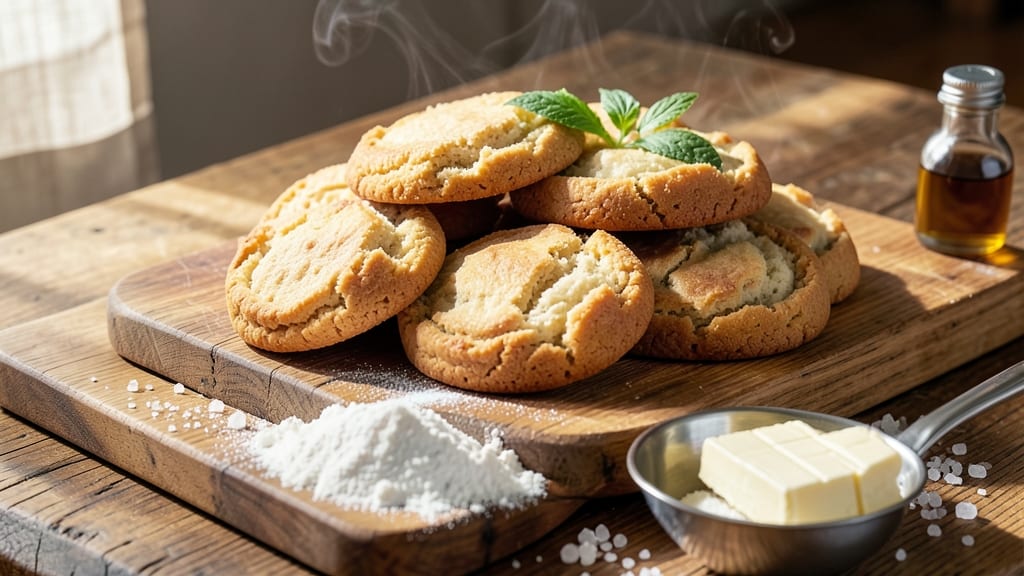
This Argo cornstarch shortbread cookie recipe transforms simple pantry staples into delicate, melt-in-your-mouth treats with crisp edges and buttery centers. The secret lies in using Argo cornstarch, which creates that signature tender-yet-crisp texture that separates these from ordinary shortbread.
After perfecting this recipe through years of baking trials, I've developed a foolproof method that delivers restaurant-quality results in just 15 minutes of active time.
The magic happens during the chilling phase—letting the dough rest in the refrigerator for at least 30 minutes ensures even baking and prevents spreading.
While you wait, you can prep your baking sheets with parchment paper and preheat the oven to 350°F, the ideal temperature for achieving those signature golden edges without overbrowning. This recipe uses only 5 ingredients, making it perfect for beginners while still impressing experienced bakers.
What you'll end up with are cookies that are crisp around the edges, tender in the center, and infused with rich buttery flavor. The Argo cornstarch creates a delicate crumb that practically dissolves on your tongue while maintaining structure.
These cookies pair beautifully with a cup of tea or as an elegant dessert course for dinner guests.
For added flavor variations, consider incorporating lemon zest, vanilla extract, or finely chopped nuts into the dough before baking. The possibilities are endless, but the foundation remains the same—simple, reliable, and absolutely delicious. Let's get baking!
Ingredients for argo cornstarch shortbread cookie
Five simple ingredients deliver restaurant-quality shortbread with crisp edges and buttery centers.
| Ingredient | Amount | Notes |
|---|---|---|
| Argo Cornstarch 🌾 | ½ cup | Key for tender-yet-crisp texture |
| Unsalted Butter 🧈 | 1 cup | Cold, cubed for even mixing |
| Granulated Sugar 🍚 | ¼ cup | Superfine preferred for smooth texture |
| Diamond Crystal Kosher Salt 🧂 | ½ tsp | Fine grain for even distribution |
| Vanilla Extract 💧 | 1 tsp | Pure alcohol-free preferred |
The Argo cornstarch is non-negotiable here—it creates that signature tender-yet-crisp texture. Grab a box from Whole Foods or your local grocery store's baking aisle, but skip the generic brands. The unsalted butter should be cold when you measure it (pop it in the freezer for 10 minutes if it's soft). For the sugar, superfine is ideal, but if you only have granulated, pulse it in a food processor for 10 seconds. The Diamond Crystal kosher salt is my go-to because it dissolves evenly without graininess. Trader Joe's sells it in bulk if you bake often.
No vanilla extract? Almond extract at half the amount works in a pinch, but the flavor will be different. Running out of cornstarch? Arrowroot powder is a 1:1 substitute, though the texture might be slightly chewier. The butter can be European-style for richer flavor, but standard unsalted works perfectly fine. If you're feeling fancy, add lemon zest or finely chopped toasted nuts to the dough before baking—just fold them in gently so they don't disrupt the texture. And if you're short on time, microwave the butter for 40 seconds to just melt it, then let it cool completely before mixing.
The dough needs at least 30 minutes in the fridge to firm up—don't skip this step or your cookies will spread. Store any leftovers in an airtight container at room temperature for up to 5 days, though they're best enjoyed fresh. For longer storage, freeze the dough balls (before baking) for up to 3 months. When ready to bake, let them sit at room temperature for 10 minutes first. These cookies reheat beautifully—just pop one in the oven at 300°F for 3-4 minutes to revive that crisp edge.
Why You'll Love This Recipe
- Four-Ingredient Magic: The dough comes together with just butter, sugar, cornstarch, and vanilla—no mixer, no fuss. Honestly, the only tool you’ll need is a fork to mash it all together before baking.
- Crispy-Creamy Crunch: That Argo cornstarch gives it a delicate snap while keeping the center melt-in-your-mouth tender. Between us, it’s the kind of cookie that disappears faster than you can say "second batch."
- Holiday or Snack Attack: Perfect for gifting (they look fancy, but you’ll keep them all) or sneaking into lunchboxes. I’ve used them for cookie platters, broken into milk for kids, and even crushed over ice cream—works every time.
- Lasts for Days: They stay fresh for weeks in an airtight container, so you’re never scrambling for last-minute treats. Budget win: a single batch costs pennies but feels like a luxury cookie.
Step-by-step instructions for Argo cornstarch shortbread cookies
Here's how to transform simple pantry staples into melt-in-your-mouth shortbread with perfect crisp edges.
Prepare the Cold Butter and Dry Ingredients
Cut the 1 cup Unsalted Butter into ½-inch cubes and place them in the freezer for 10 minutes to firm up. This cold butter creates the signature flaky layers and prevents over-spreading. While the butter chills, whisk together the 0.5 cup Argo Cornstarch, 0.25 cup Granulated Sugar, and 0.5 tsp Diamond Crystal Kosher Salt in a medium bowl until completely combined.
Here's the thing—argo cornstarch is the secret weapon here. Unlike regular cornstarch, it creates a delicate crumb that stays tender yet develops that beautiful crisp edge. The sugar should be evenly distributed so every bite has that perfect sweetness balance without being cloying.
Mix the Dough to Crumbly Perfection
Add the chilled butter cubes to the dry mixture and use a pastry cutter or your fingers to work it until the mixture resembles coarse crumbs with pea-sized butter pieces remaining. I like to press the butter pieces into the flour mixture to maximize surface area for those signature flaky layers.
Don't overwork the dough—just until it holds together when pressed. The texture should be crumbly yet form a loose ball when compressed. If it's too dry, add 1 teaspoon cold water (though with argo cornstarch, this rarely happens). The dough should be cool to the touch, not warm from handling.
Shape and Chill the Dough
Gather the dough into a loose ball and flatten it into a 1-inch thick disc. Wrap tightly in plastic wrap and refrigerate for at least 1 hour (up to 24 hours). This resting period is crucial—it allows the gluten to relax and the butter to firm up, preventing the cookies from spreading too much in the oven.
I know it's tempting to skip this step, but trust me—chilled dough yields cookies with clean edges and that perfect shortbread texture. The longer it chills (up to overnight), the better the flavor development and texture. If you're short on time, chill for at least 30 minutes in the freezer instead.
Roll and Cut for Uniform Cookies
Preheat your oven to 350°F and line two baking sheets with parchment paper. Remove the chilled dough and roll it out between two sheets of parchment paper to ¼-inch thickness. The key here is even pressure—use a rolling pin with gentle, even strokes to maintain consistent thickness throughout.
Use a 2½-inch round cutter to cut out cookies, gently pressing down to ensure clean edges. Place them 1 inch apart on the prepared baking sheets. For extra crisp edges, I like to use a fork to score the tops of the cookies in a crisscross pattern before baking—this creates those beautiful decorative lines while adding texture.
Bake to Golden, Crisp Perfection
Bake the shortbread for 12-15 minutes until the edges are golden brown and the centers look just barely set. They should feel firm to the touch but not hard. The reason we bake at this moderate temperature is to develop that tender-yet-crisp texture—too hot and they'll burn before the centers set properly.
Remove the cookies from the oven and let them cool on the baking sheet for 5 minutes before transferring to a wire rack. Here's where the magic happens: the cookies will continue firming up as they cool, developing that perfect balance of crisp edges and tender centers. For maximum flavor, serve them warm with a dusting of powdered sugar or a sprinkle of flaky sea salt.
Pro Tips For Making Argo Cornstarch Shortbread Cookie
- Chill the Dough Hard: I learned this the hard way—skipping the 24-hour fridge rest means your cookies spread like pancakes. Wrap the dough in plastic and stash it in the coldest part of your fridge (not the door). If you’re impatient, freeze it for 4 hours—just let the dough sit out for 10 minutes before baking to avoid shock.
- Use Room-Temp Butter: Cold butter makes tough cookies, but don’t microwave it either—just let the block sit on the counter for 30-45 minutes until it’s soft enough to press with a finger but still holds shape. Too warm? Stick it in the freezer for 5 minutes to firm up. This keeps the texture tender without turning greasy.
- Weigh Your Cornstarch: Diamond Crystal kosher salt and Argo cornstarch are finicky when scooped. Use a kitchen scale for both—cornstarch especially packs differently by volume. For this recipe, aim for ¼ cup (30g) cornstarch, not the heaping scoop you might grab. Trust me, your cookies will thank you.
- Bake in One Batch: I know, I know—you want to save time. But cramming two trays in the oven at once means uneven baking, especially with shortbread. If you’re short on space, bake one tray, then rotate the second tray halfway through. The edges will stay crisp, and the centers won’t turn to mush.
Make-ahead tips for this recipe
Dough Prep Ahead
Shape your dough into a 1-inch thick disc, wrap tightly in plastic wrap, and refrigerate for up to 24 hours before baking. This extended chilling time enhances flavor development and ensures even baking.
I often make my dough the night before—it's a game-changer for busy mornings or holiday baking. 💫
Freezer-Friendly Dough Balls
Once your dough is chilled, roll it into 1-inch balls and place them on a parchment-lined tray. Freeze for 1 hour to firm up, then transfer to a ziplock bag with parchment between layers.
These freeze beautifully for 3 months—just thaw at room temperature for 30 minutes before rolling and cutting. Perfect for last-minute baking!
Baked Cookie Storage
Let cookies cool completely on the baking sheet, then store in an airtight container with parchment paper between layers. They stay fresh at room temperature for 5-7 days.
For longer storage, freeze baked cookies for up to 2 months. To revive crispness, warm at 300°F for 2-3 minutes before serving. 🍪
Make-Ahead Baking Schedule
Plan your baking timeline like this: Chill dough overnight (Step 3), roll and cut cookies in the morning, then bake while you're busy with other tasks.
The cookies only need 12-15 minutes in the oven—ideal for multitasking. I often bake a batch while making tea or setting the table for guests.
Portion Control for Parties
For serving at gatherings, bake 2 dozen cookies and store them in individual parchment-lined boxes. This keeps them fresh while allowing guests to take home their favorites.
The argo cornstarch helps maintain texture even when stored this way. Label with the date—these cookies are best enjoyed within 3 days of baking for peak crispness.
Reviving Stale Cookies
If your cookies lose their crisp edges, don't toss them! Place them on a baking sheet and warm in a 300°F oven for 3-4 minutes. The residual butter will re-crisp the edges while keeping the centers tender.
This trick works especially well with argo cornstarch cookies—they're more forgiving than traditional shortbread. 🔥
Nutrition facts
Frequently asked questions
Why does this recipe use Argo cornstarch instead of regular flour?
Argo cornstarch creates a delicate, melt-in-your-mouth texture with crisp edges that regular flour can't match. The fine granules absorb moisture differently, producing that signature shortbread tenderness while maintaining structure. It's also gluten-free, making these cookies perfect for sensitive palates.
Can I substitute butter with something else for dietary reasons?
Yes! For a dairy-free version, use 1 cup cold coconut oil or 1 cup vegan butter (like Miyoko's). The texture will be slightly denser but still delicious. If you need to reduce fat, replace up to ¼ cup butter with unsweetened applesauce, but expect softer cookies. Always keep ingredients cold for best results.
How do I prevent my cookies from spreading too much?
Proper chilling is key—refrigerate the dough for at least 1 hour (or freeze for 30 minutes) before rolling. Use a rolling pin with even pressure to maintain ¼-inch thickness, and place cookies 1 inch apart on baking sheets. Bake at 350°F for exactly 12-15 minutes—no longer! The argo cornstarch helps maintain shape better than flour.
What's the best way to add flavor variations?
Start with the base recipe, then fold in 1 tbsp lemon zest or ½ tsp almond extract for citrus notes. For crunch, add ¼ cup toasted pecans or hazelnuts to the dough. Keep dry ingredients to 1 tsp total to avoid moisture changes. The argo cornstarch handles these additions beautifully without making the dough sticky.
Why did my cookies turn out cakey instead of crisp?
Overmixing the dough or skipping the chilling step are common culprits. Work the butter into crumbly texture only (pea-sized pieces remain), and never press the dough flat before baking. Also, ensure your oven isn't too hot—350°F is ideal. If using a different cornstarch, reduce baking time by 1-2 minutes as it can crisp faster.