
Main Courses
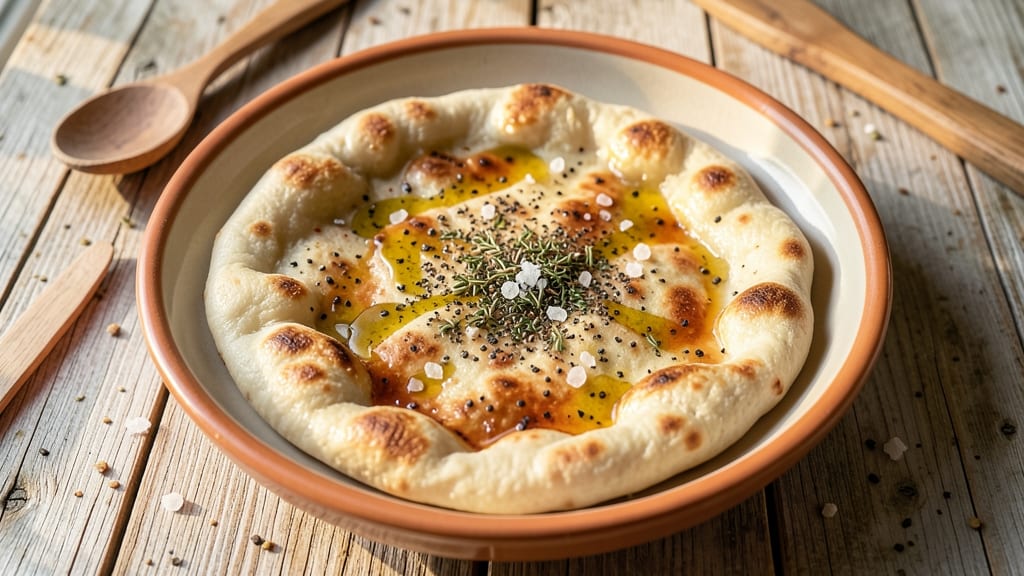
This Arabic bread recipe without yeast delivers restaurant-quality flaky layers in just 20 minutes—no waiting for dough to rise. The secret lies in a simple flour-and-water dough that transforms into crispy, pillowy flatbreads perfect for dipping or wrapping.
I developed this version after craving the authentic texture of khobz arabi but needing a faster method for weeknight meals.
The magic happens with a quick knead, minimal resting, and high-heat baking that creates those signature crispy edges and soft centers. Traditional Arabic bread relies on steam and precise rolling techniques to achieve its signature flakiness—this recipe captures that same essence without yeast.
Whether you're serving with hummus, lamb stew, or as a side to grilled meats, these flatbreads elevate any meal.
What sets this version apart is its simplicity: just flour, water, and a pinch of salt (plus optional za'atar or sesame for flavor). No yeast, no long fermentation—just pure, hands-on technique that yields bread so crispy on the outside and tender inside, it’ll disappear from your plate.
The dough comes together in minutes, and the baking process is foolproof for beginners.
Perfect for meal prep or last-minute gatherings, this recipe scales effortlessly for crowds. Once you master the rolling and baking steps, you’ll have a go-to flatbread that rivals your favorite Middle Eastern restaurant. Let’s get started on creating bread that’s both quick and unforgettable.
Ingredients for arabic bread recipe without yeast
Four core ingredients plus optional flavors—this dough transforms into crispy, pillowy flatbreads in minutes.
| Ingredient | Amount | Notes |
|---|---|---|
| All-Purpose Flour 🌾 | 3 cups | Unbleached preferred for texture |
| Warm Water 💧 | 1 ½ cups | 110°F for optimal activation |
| Diamond Crystal Kosher Salt 🧂 | ½ tsp | Fine grain preferred |
| Extra-Virgin Olive Oil 🫒 | 1 tbsp | For dough flexibility |
| Za'atar Seasoning 🌿 | 1 tbsp | Optional for Middle Eastern flavor |
| Toasted Sesame Seeds 🌰 | 1 tbsp | For garnish and crunch |
| Cornmeal 🌽 | ¼ cup | For rolling surface |
| Vegetable Oil Spray 🫒 | 1 spray | For baking sheet |
The flour is everything here. King Arthur or Gold Medal work best for that signature flaky texture—avoid whole wheat or bread flour, which can make the bread dense. Warm water (not hot) activates the gluten just enough for a tender yet crispy result. I always check my water temperature with a candy thermometer—110°F is perfect. For the salt, Diamond Crystal kosher dissolves evenly, but any fine salt works. The olive oil might seem like an odd addition, but it creates that signature tender crumb. Grab a small bottle of California extra-virgin for best flavor.
No za'atar? Dried oregano plus sesame seeds works in a pinch. Sesame seeds can be swapped for poppy seeds if you prefer. The cornmeal is non-negotiable for rolling—it prevents sticking and adds a subtle crunch. For the oil spray, Misto brand gives the most even coat. If you're short on time, skip the optional seasonings entirely—the bread still turns out delicious. For extra flakiness, let the dough rest 10 minutes before rolling, but don't overdo it—this bread thrives on speed.
Freshly made bread stays crispy for 2 days at room temperature, wrapped in a clean kitchen towel. For longer storage, freeze the flatbreads between parchment paper—they reheat beautifully in a toaster or oven. I portion mine into single-serving stacks for easy grab-and-go meals. The sesame seeds keep for 6 months in a sealed jar, while za'atar stays potent for 3 months once opened.
Why You'll Love This Recipe
- No Yeast, No Stress: I mix the dough in 5 minutes—just flour, water, salt, and oil—then let it rest while I make dinner. No waiting for yeast to rise, no failed loaves. Honestly, it’s the kind of recipe that makes me feel like I’ve hacked the system.
- Za’atar Magic: That little sprinkle of za’atar turns simple dough into something ridiculously good. The sesame, sumac, and herbs? They cling to every crispy bite, especially when I brush the warm bread with extra olive oil. My husband steals the last piece before I can.
- Weeknight Hero: I keep a batch in the fridge all week—freezes perfectly, toasts up in seconds. Pair it with hummus for a snack, wrap it around falafel for lunch, or serve it alongside grilled chicken. Between us, it’s my go-to for lazy nights when I’d rather not cook.
- Pocket-Friendly Staple: Five ingredients, one of which is salt. I buy flour in bulk, olive oil lasts forever, and za’atar is cheap at Middle Eastern markets. A single batch feeds my family for days, and I’m always finding new ways to use the leftovers—like crumbled over salads or stuffed with spiced cheese. Solid.
Step-by-step instructions for Arabic bread without yeast
Let's create this wonderfully simple, flaky bread using just flour and water—no yeast required.
Mix the Dough Until Smooth
In a large mixing bowl, combine the 3 cups all-purpose flour and 0.5 teaspoon Diamond Crystal kosher salt. Create a well in the center and pour in the 1.5 cups warm water (about 110°F) and 1 tablespoon extra-virgin olive oil. Using a fork, gently mix the ingredients until they begin to clump together.
Once the dough starts to come together, switch to your hands and knead it for about 5 minutes until it forms a smooth, elastic ball. The dough should be slightly tacky but not sticky—if it feels too dry, add a splash of warm water. If it's too sticky, sprinkle in a little more flour. This dough is forgiving, so don't stress over perfection.
Rest the Dough for Maximum Flakiness
Lightly oil a clean surface with a small amount of olive oil and place the dough ball on it. Cover the bowl with a damp kitchen towel or plastic wrap and let it rest at room temperature for 30 minutes. This resting period allows the gluten to relax, which is essential for achieving those signature flaky layers.
While the dough rests, preheat your oven to 425°F. This high temperature will give your bread that beautiful, crispy exterior while keeping the interior tender. The dough doesn't need to rise like yeast bread, so you can skip that step entirely—this is where the magic of the simple ingredients truly shines.
Divide and Roll the Dough
After the 30-minute rest, divide the dough into 6 equal balls (about 2 ounces each). Roll each ball into a thin circle, about 8 inches in diameter, on a surface lightly dusted with 0.25 cup cornmeal. The cornmeal prevents sticking and adds a subtle texture to the bread.
Roll each circle as thin as possible—this is key to achieving those delicate, flaky layers. If the dough resists, let it rest for another 5 minutes before rolling again. The thinner you roll, the crispier and more authentic your bread will be. Keep the rolled dough balls covered with a damp towel while you prepare the baking sheet.
Bake Until Golden and Crisp
Lightly spray a baking sheet with vegetable oil spray to prevent sticking. Arrange the rolled dough circles on the sheet, spacing them about 1 inch apart. Sprinkle each circle with za'atar seasoning and toasted sesame seeds—this adds authentic flavor and a beautiful garnish.
Bake in the preheated 425°F oven for 12-15 minutes, or until the edges are golden brown and the bread sounds hollow when tapped on the bottom. The bread should puff slightly and develop a crispy, flaky texture. If you notice the tops browning too quickly, tent the baking sheet with aluminum foil to prevent burning.
Cool and Serve Warm
Remove the bread from the oven and let it cool on the baking sheet for 5 minutes. This brief resting period helps the layers set and makes it easier to handle. Serve the bread warm—it's best enjoyed fresh out of the oven, with that perfect balance of crispy edges and tender interior.
This bread is incredibly versatile—use it for sandwiches, dipping in olive oil and za'atar, or serving alongside soups and stews. The simplicity of the ingredients makes it easy to customize; you can even add a pinch of garlic powder or smoked paprika for extra depth of flavor. Enjoy your homemade Arabic bread, made quick and flaky with just flour and water!
Pro Tips For Making Arabic Bread Recipe Without Yeast
- STRETCH THE DOUGH: I learned this the hard way—skipping the stretch-and-fold step means dense, chewy bread. Work the dough for 2-3 minutes, pulling it taut and folding it over itself like a letter. This develops gluten without yeast, giving you that signature crispy-yet-light texture.
- WEIGH YOUR WATER: Diamond Crystal salt makes a difference here, but so does precise water. Use a scale for the water—aim for about 60% of the flour’s weight (e.g., 150g water for 250g flour). Too much, and your dough gets sticky and gummy; too little, and it’s tough. Warm water (not hot) helps it come together faster.
- SKIP THE OVER-KNEAD: This dough doesn’t need much handling—just until it’s smooth and slightly tacky. Overworking it after the initial stretch-and-folds makes it elastic and rubbery. Test by poking it: if it springs back slowly, you’re good. If it bounces like a trampoline, you’ve gone too far.
- BRUSH WITH OIL: After shaping, brush the tops with extra-virgin olive oil—not just any oil—right before baking. The high smoke point helps crisp the crust, while the fruity notes complement the za’atar. Use about 1 teaspoon per loaf, and don’t skip this step. (Yes, even if you’re impatient like me.)
Health benefits of these flavors
Gluten-Free Adaptation
For a gluten-free version, swap the all-purpose flour for a 1:1 gluten-free flour blend like Bob's Red Mill or King Arthur. Add 1 teaspoon xanthan gum to mimic gluten's structure—this ensures the bread maintains its signature flakiness.
Use 1.5 cups warm water and follow the same kneading and rolling steps, though the dough may be slightly more fragile. Bake at 425°F for 10-12 minutes—gluten-free bread browns faster, so watch closely. 🌾
Low-Carb Option
Transform this into a low-carb flatbread by replacing 2 cups of flour with 2 cups almond flour and adding 1 extra egg for binding. The texture will be denser but still crispy. Reduce the warm water to 1 cup to account for almond flour’s moisture content.
Bake for 14-16 minutes at 425°F—the higher fat content in almond flour requires slightly longer baking. Garnish with sesame seeds for added crunch. 🥜
Digestive Benefits
This bread is naturally low in fat and cholesterol-free, making it a heart-healthy choice when paired with lean proteins or veggies. The absence of yeast and minimal ingredients reduce common allergens like gluten (in the original version) and dairy.
For extra fiber, add 1 tablespoon ground flaxseed to the dough—it boosts digestive health without altering texture. 💪
Energy Boost
Complex carbohydrates in all-purpose flour provide a steady energy release, ideal for active lifestyles. Pair this bread with hummus or tahini for a protein-rich snack that fuels workouts or busy days.
The olive oil adds healthy fats, while sesame seeds contribute calcium and zinc—perfect for post-meal recovery. Store in an airtight container to preserve freshness for up to 3 days. ✨
Allergen-Friendly
This recipe is naturally dairy-free, egg-free, and nut-free (unless using almond flour). For nut-free kitchens, ensure your za'atar and sesame seeds are processed in dedicated facilities.
The simplicity of the ingredients minimizes cross-contamination risks, making it safe for most dietary restrictions. Always check labels on seasonings for hidden allergens. 🌿
Meal Prep Efficiency
Prep dough ahead and refrigerate for up to 24 hours—the flavors deepen overnight. Divide into portions before rolling to save time. Freeze unbaked dough balls for 1 month; thaw at room temperature before rolling.
Reheat baked bread in a toaster or oven for 2-3 minutes to restore crispiness. This makes it perfect for busy weeks! ⏰
Nutrition facts
Frequently asked questions
Why does this Arabic bread recipe work without yeast?
This recipe relies on steam and high heat to create flaky layers—just like traditional khobz arabi! The quick knead develops gluten enough for structure, while the 425°F oven and cornmeal rolling surface mimic the steam effect of a clay oven. The olive oil adds flexibility for that signature crispy-yet-soft texture. No yeast means no waiting for rising!
Can I make this bread thinner like pita?
For pita-style bread, roll the dough 1/8-inch thick instead of 1/4-inch. Bake for 8-10 minutes at 450°F to get that classic pocket. The thinner dough cooks faster—watch closely to prevent burning. Pro tip: Use a pizza stone for even crispier results.
What if my dough cracks or tears when rolling?
Cracking happens when the dough is too dry or cold. Let it rest 5-10 minutes longer before rolling, or lightly spray with water while handling. For tears, gently press the edges back together—don't overwork it. If the dough sticks, dust with more cornmeal. Remember, this bread thrives on simplicity, not perfection!
How do I store leftovers to keep them crispy?
Wrap cooled bread in a clean kitchen towel and store at room temperature for 2 days. For longer storage, freeze between parchment paper for up to 1 month. To revive, toast in a 350°F oven for 3-5 minutes or use a toaster. Never store in plastic—it traps moisture and makes bread soggy.
Can I add herbs or spices beyond za'atar?
Yes! Try 1 tsp dried rosemary for Mediterranean flair, ½ tsp smoked paprika for depth, or 1 tsp garlic powder for savory bites. For sweet versions, add 1 tbsp cinnamon and a pinch of sugar. Just reduce salt slightly since spices can be salty. Experiment—this dough is forgiving!