
Beverages
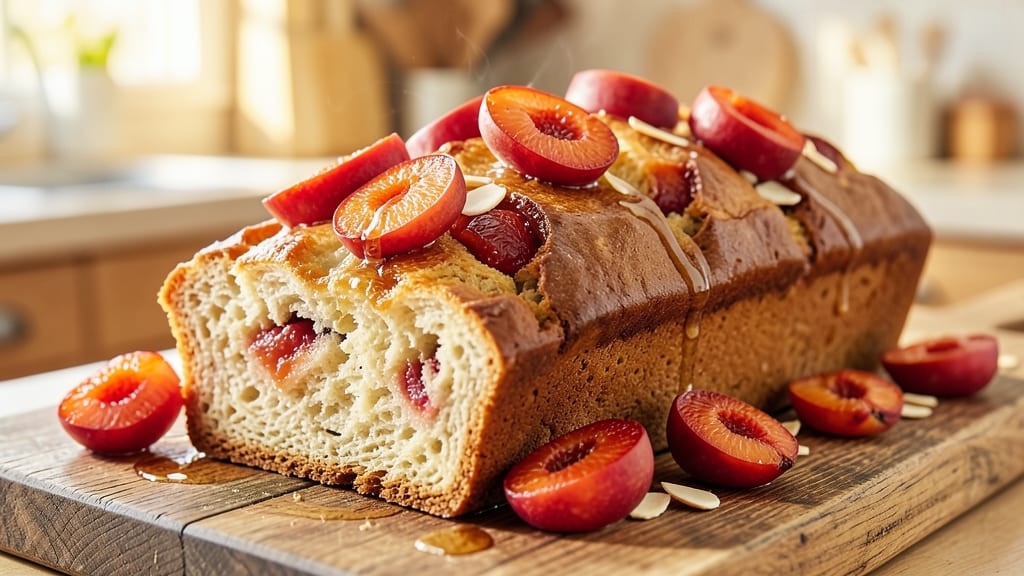
This apricot tea bread recipe delivers the perfect balance of buttery richness and fragrant apricot jam swirls—ideal for tea-time indulgence or a comforting breakfast.
The secret lies in infusing the dough with black tea for subtle depth, while dried apricots and homemade jam create pockets of sweet-tart flavor that make every slice irresistible. I've perfected this recipe over years of baking, ensuring a moist crumb and golden crust that stays fresh for days.
The dough begins with a simple yet flavorful base of butter, sugar, and eggs, enriched with tea-infused flour for that signature aromatic note.
While the dough rests, you'll prepare a quick apricot jam filling using dried apricots, sugar, and lemon juice—just enough to create those signature swirls without overwhelming the bread's buttery texture.
This method guarantees tender layers that hold up beautifully when sliced, whether served warm with tea or enjoyed as a dessert.
What sets this recipe apart is the foolproof technique for achieving the ideal texture: a soft, slightly dense crumb with just the right amount of chew, thanks to the tea infusion and proper kneading.
The apricot jam swirls add bursts of fruity sweetness that complement the bread's buttery richness, creating a harmonious blend of flavors. Baking at the right temperature ensures a golden-brown crust that seals in moisture, keeping the bread fresh for up to five days.
Perfect for breakfast, tea-time, or as a gift, this apricot tea bread pairs beautifully with a cup of Earl Grey or chamomile. For added brightness, consider zesty lemon zest in the jam or experimenting with green tea for a lighter profile. Let's get baking!
Ingredients for apricot tea bread
Buttery dough meets fragrant apricot swirls—this tea-infused bread is pure comfort in every slice.
| Ingredient | Amount | Notes |
|---|---|---|
| Unsalted Butter 🧈 | 1 cup | Softened to room temperature |
| Granulated Sugar 🍚 | 1 ½ cups | Light brown sugar for depth |
| Large Eggs 🥚 | 2 whole | Room temperature for even mixing |
| All-Purpose Flour 🌾 | 4 cups | Sifted for light texture |
| Black Tea Bags ☕ | 2 whole | Earl Grey or English Breakfast |
| Hot Water 💧 | ½ cup | For steeping tea |
| Baking Powder 🧂 | 2 tsp | Diamond Crystal preferred |
| Salt 🧂 | ½ tsp | Fine sea salt |
| Dried Apricots 🍑 | 1 cup | Chopped, unsulfured preferred |
| Apricot Jam 🍯 | ½ cup | Homemade or quality store-bought |
| Lemon Juice 🍋 | 2 tbsp | Freshly squeezed |
| Vanilla Extract 🌸 | 1 tsp | Pure vanilla for aroma |
| Milk 🥛 | ¼ cup | Warm for easier mixing |
The butter and sugar form the heart of this bread, so don't skimp—Land O'Lakes or Plugrá are reliable choices. For the tea infusion, Earl Grey or English Breakfast works best, but any black tea will do. I always buy dried apricots in bulk from Trader Joe's—they're cheaper and unsulfured for better flavor. The jam can be homemade (simmer apricots, sugar, and lemon juice until thick) or store-bought, but avoid those overly sweet varieties. Freshly squeezed lemon juice brightens the flavor, so don't use bottled if you can help it. The vanilla extract adds depth, but if you're out, a pinch of vanilla bean paste works too.
No black tea? Green tea or chai concentrate can substitute, though the flavor will differ slightly. Running low on dried apricots? Dried plums or mango add a nice twist. The jam can be swapped for apricot preserves or even strawberry jam if that's what you have. For a richer dough, replace some milk with heavy cream. The flour needs to be sifted—this prevents lumps and ensures a tender crumb. If you don't have a sifter, whisk the flour with the baking powder and salt first, then add the wet ingredients. The tea bags should be steeped in hot water for 5 minutes before adding to the flour mixture.
This bread keeps beautifully—wrap it tightly in plastic wrap or store in an airtight container for up to 5 days. For longer storage, slice and freeze the loaf for up to 3 months. Reheat slices in a toaster or oven for that fresh-baked taste. The dough can be made a day ahead and chilled overnight for easier handling. If you're making this as a gift, the bread freezes well too—just wrap it in foil before freezing. The tea-infused flour keeps for about 1 week in the fridge, so make only what you need if you're not baking immediately.
Why You'll Love This Recipe
- Tea-Infused Magic: I swear by the subtle earthy notes from those black tea bags—it’s like a cozy hug in every bite. No fancy tea blends or steeping required; just toss them in the dough while it’s warm, let them steep, and you’ve got that sophisticated flavor without the effort.
- No-Knead, No-Stress: Honestly, this dough comes together in minutes. Cream butter and sugar, mix in eggs, fold in flour—done. The tea bags make it feel special, but the process is so simple even my lazy Sunday mornings can handle it.
- Breakfast or Snack Hero: Between us, this bread is my go-to for breakfast toast or an afternoon pick-me-up. The apricot jam (if you add it) turns it into a dessert, but the tea-kissed crumb alone is enough to satisfy. No rules here—just eat it when you want.
- Budget-Friendly Staple: Butter, sugar, flour, eggs—these are pantry basics that won’t break the bank. And the leftovers? They last for days, whether you’re reheating slices for toast or packing them for lunches. Zero waste, maximum value.
Step-by-step instructions for apricot tea bread
This method delivers a tender crumb with fragrant tea notes and sweet apricot swirls every time.
Prepare the Tea Infusion
Steep the 2 whole black tea bags in the 0.5 cup hot water for 5 minutes. This creates the signature tea flavor that permeates the bread. Strain out the tea bags and let the tea cool to room temperature before using. The infusion should smell rich and aromatic—like a cozy afternoon tea.
While the tea cools, whisk together the 1 cup unsalted butter and 1.5 cups granulated sugar in a large mixing bowl until light and fluffy. This creaming process incorporates air, which gives the bread its tender crumb. The mixture should nearly double in volume and become pale in color. If you're using room temperature butter, this should take about 3-4 minutes with a hand mixer.
Mix Wet Ingredients and Combine with Dry
Add the 2 whole large eggs, one at a time, mixing well after each addition. Then stir in the 1 tsp vanilla extract and the cooled tea infusion. The batter should be smooth and slightly thicker than pancake batter. In a separate bowl, whisk together the 4 cups all-purpose flour, 2 tsp baking powder, and 0.5 tsp salt.
Gradually add the dry ingredients to the wet mixture, mixing just until combined. Be careful not to overmix—the dough should come together but still look slightly shaggy. Fold in the 1 cup chopped dried apricots and the 0.5 cup apricot jam using a spatula. The dough will be thick and sticky, but that's exactly what we want for that tender crumb and moist texture.
Create the Apricot Jam Swirls
Divide the dough evenly between two 9-inch round baking pans lined with parchment paper. For each pan, press the dough into an even layer about ½-inch thick. Using a spoon or small offset spatula, spread the 0.5 cup apricot jam evenly over each dough layer. Then, gently swirl the jam into the dough with the tip of a knife, creating marbled patterns.
Here's the trick: don't overwork the dough when swirling. You want visible streaks of jam throughout the bread. The jam will caramelize slightly during baking, adding a beautiful contrast to the tender crumb. If the dough feels too sticky to handle, wet your hands slightly before shaping.
Bake to Golden Perfection
Preheat your oven to 350°F. Bake the bread pans for 25-30 minutes, until the tops are golden brown and a toothpick inserted into the center comes out clean. The bread should pull away slightly from the edges of the pan, indicating it's fully baked.
For even baking, rotate the pans halfway through the baking time. The bread is done when it springs back slowly when gently pressed in the center. Let the bread cool in the pans for 10 minutes, then transfer to a wire rack to cool completely. This resting period allows the bread to set properly and prevents it from becoming gummy.
Add the Lemon Glaze (Optional)
While the bread cools, whisk together the 2 tbsp lemon juice and 0.25 cup milk in a small bowl. Drizzle this glaze over the cooled bread and let it soak in for 5 minutes. The lemon glaze adds a bright, citrusy contrast to the sweet apricot filling and enhances the tea flavor.
Slice the bread into wedges and serve warm. Each bite should deliver a perfect balance of tender crumb, fragrant tea notes, and sweet apricot jam. The bread keeps well at room temperature for 2 days or can be frozen for up to 3 months for fresh-tasting slices anytime.
Pro Tips For Making Apricot Tea Bread
- Steep Tea First: The tea bags should sit in 1 cup of hot water for at least 10 minutes—not just 5—so the flavor infuses deeply. I used to rush this, and the bread tasted like a weak cup of tea instead of a rich, fragrant loaf. Strain well and let the liquid cool slightly before mixing.
- Cream Butter & Sugar Slow: Use a wooden spoon or spatula to press the butter into the sugar at the start, then let the mixer do its thing. Stop mixing the moment the butter looks like wet sand—overworking it here makes the bread dense. I learned this after a batch turned out like a brick.
- Don’t Overmix the Dough: Once you fold in the flour, stop as soon as it just comes together. Overmixing develops gluten, and this bread should be tender, not chewy. If the dough feels sticky but holds, it’s ready—no need to force it.
- Add Apricots Last: Toss the apricots in a little extra flour before folding them in, so they don’t sink to the bottom. I used to add them dry, and half the batch would end up in the pan. A quick toss in 1 tablespoon flour keeps them evenly distributed.
Common mistakes when making this recipe
Overmixing the Dough
I’ve ruined more apricot tea breads than I’d like to admit by overmixing the dough. The moment the flour and wet ingredients come together, stop mixing—especially once the dough forms a shaggy ball.
Overmixing develops gluten too much, resulting in a dense, chewy texture instead of the tender crumb you want. If your dough feels elastic or springs back when poked, it’s overworked. The goal is a slightly sticky, cohesive dough that still looks uneven. 💛
Skipping the Tea Infusion
If you skip steeping the tea in hot water or use cold tea straight from the bag, the flavor will be weak and underwhelming. The tea needs to fully infuse the flour to create that signature aromatic depth.
Always steep the tea for 5 minutes in hot water, then let it cool before mixing. Pro tip: Use Earl Grey or English Breakfast tea for the most authentic flavor—avoid herbal teas, which won’t infuse properly.
Uneven Jam Distribution
Splattering jam randomly over the dough leads to clumpy, uneven swirls that don’t distribute evenly. Instead, spread the jam in a thin, even layer before swirling with the tip of a knife. Press the dough gently to help the jam sink in, but don’t overwork it.
If the dough resists, wet your hands slightly to prevent sticking. The goal is visible streaks of jam throughout the bread, not just pockets of concentrated sweetness. ✨
Baking at the Wrong Temperature
Baking at 375°F instead of 350°F causes the bread to brown too quickly on the outside while staying undercooked inside. The ideal temperature ensures even baking and a golden crust without burning.
Use an oven thermometer to confirm your oven’s accuracy—many home ovens run hot. If your bread browns too fast, tent it loosely with foil during the last 10 minutes of baking.
Not Resting the Dough
Skipping the 30-minute rest (or longer) after mixing leads to uneven baking and a gummy texture. The dough needs time for the flour to hydrate and the gluten to relax slightly.
If you’re in a hurry, chill the dough for 1 hour in the fridge—this also makes it easier to handle. Never rush this step; patience ensures a tender, well-structured loaf. 💡
Using Low-Quality Jam
Store-bought apricot jam with artificial flavors or excessive sugar can overpower the bread’s delicate balance. Opt for high-quality jam or make your own by simmering 1 cup dried apricots, ½ cup sugar, and 2 tbsp lemon juice until thickened.
Avoid jams with added preservatives or high-fructose corn syrup—they’ll make your bread taste artificial. A little goes a long way; ½ cup is perfect for two pans.
Nutrition facts
Frequently asked questions
Can I make this apricot tea bread without dried apricots?
You can substitute 1 cup of dried apricots with 1 cup of dried plums, chopped dried mango, or even ½ cup of raisins for a different flavor twist. For a fruit-free version, simply omit the dried apricots and increase the jam to ¾ cup to maintain the sweet-tart balance. The texture will remain tender, but the fruit adds beautiful pockets of flavor.
How do I store apricot tea bread to keep it fresh?
Wrap the cooled bread tightly in plastic wrap or place it in an airtight container to maintain freshness for up to 5 days at room temperature. For longer storage, slice the bread and freeze it for up to 3 months. To serve, simply thaw slices at room temperature or warm them in the oven for 5-10 minutes at 300°F to restore that fresh-baked taste.
What type of tea works best for this recipe?
Black teas like Earl Grey or English Breakfast provide the richest flavor, but you can experiment with green tea or chai concentrate for a lighter profile. Herbal teas won't infuse properly, so avoid them. The tea should be steeped in hot water for 5 minutes before mixing to fully release its aromatic oils into the flour.
Can I make this bread in a loaf pan instead of round pans?
Yes! For a traditional loaf shape, press the dough into a 9x5-inch loaf pan lined with parchment paper. Spread the jam evenly and swirl it just as you would in round pans. Bake at 350°F for 40-45 minutes until golden and a toothpick comes out clean. The baking time will be slightly longer due to the pan's shape, but the texture will remain tender and moist.
Why does my apricot tea bread turn out dense?
Overmixing the dough develops too much gluten, resulting in a dense texture. Stop mixing as soon as the ingredients come together into a shaggy ball. Another common issue is skipping the 30-minute rest—let the dough relax before shaping. If your oven runs hot, try tenting the bread with foil during the last 10 minutes of baking to prevent over-browning while the center cooks.