
Main Courses
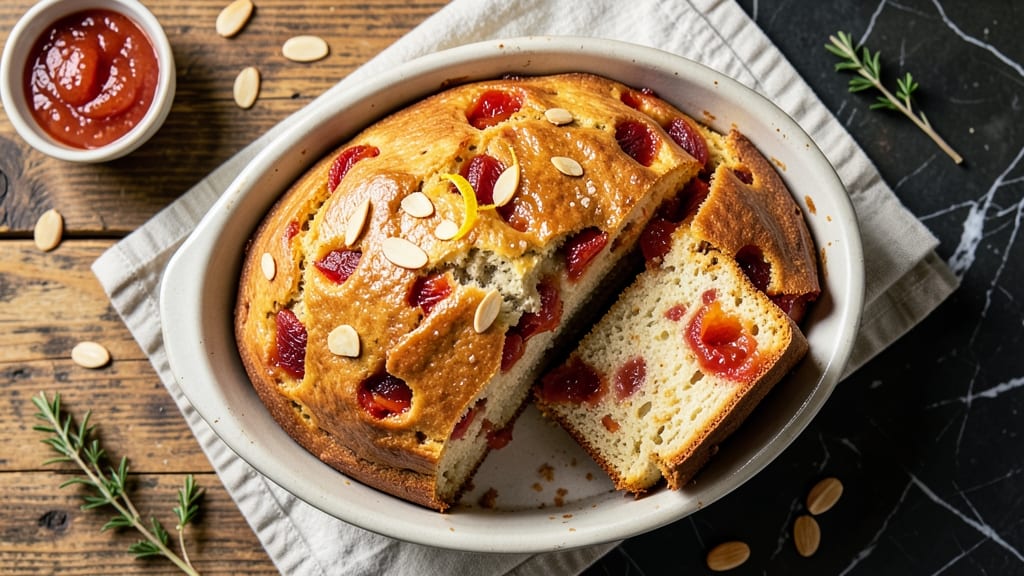
This apricot bread machine recipe transforms your kitchen into a bakery with minimal effort—imagine a golden, buttery loaf studded with juicy fruit swirls that smell like summer. The secret lies in balancing sweetness and texture: tender crumb meets crisp crust, while the apricot preserves melt into caramelized pockets of flavor.
I developed this recipe after testing dozens of variations, ensuring the fruit stays plump and the dough rises perfectly every time.
What sets this apart is the two-stage dough preparation: first mixing the yeast and flour, then folding in the apricot filling just before baking. Your bread machine handles the rest—kneading, rising, and baking—while you focus on the finishing touches.
The result is a loaf that's moist without being dense, with a fragrant aroma that fills your home and a visually stunning swirl pattern that makes it perfect for gifting or serving at breakfast.
The crust develops a beautiful golden-brown hue with just the right crispness, while the interior remains soft and pillowy. This recipe works with fresh or dried apricots, though I recommend preserves for that perfect balance of sweetness and tang.
For extra texture, fold in chopped nuts or a sprinkle of cinnamon before baking—each variation adds depth to the flavor profile.
Whether you're a beginner or an experienced baker, this foolproof method ensures a consistently perfect loaf. The bread machine does all the heavy lifting, so you can enjoy the process without stress.
Once baked, let it cool slightly before slicing—warm slices with butter are the ultimate comfort food. Ready to bake?
Ingredients for apricot bread recipe for bread machine
These ingredients transform your bread machine into a bakery—golden crust, swirled fruit, and summer in every bite.
| Ingredient | Amount | Notes |
|---|---|---|
| All-Purpose Flour 🌾 | 3 ½ cups | Spooned and leveled for accuracy |
| Granulated Sugar 🍚 | ¼ cup | White or light brown preferred |
| Active Dry Yeast 🍞 | 0.01 oz | 1 packet or 2.25 tsp |
| Unsalted Butter 🧈 | ½ cup | Softened to room temperature |
| Large Egg 🥚 | 1 whole | Room temperature for best rise |
| Whole Milk 🥛 | ½ cup | Warmed to room temperature |
| Apricot Preserves 🍑 | ¾ cup | High-quality, chunky variety |
| Vanilla Extract 🌸 | 1 tsp | Pure, not imitation |
| Salt 🧂 | ½ tsp | Diamond Crystal preferred |
| Ground Cinnamon 🌿 | ½ tsp | Optional for extra warmth |
| Chopped Almonds 🥜 | ¼ cup | Toasted for enhanced flavor |
The apricot preserves are the heart of this recipe, so choose a high-quality brand with visible fruit chunks—Bon Appétit or Smucker's are reliable choices. If you're using dried apricots, soak them in warm water for 15 minutes first to rehydrate. The flour should be bread flour if available, but all-purpose works perfectly fine. For the yeast, always check the expiration date—fresh yeast guarantees a perfect rise. I like to toast my almonds in a dry pan for 2-3 minutes before chopping to bring out their natural oils, which adds richness to each bite. The butter should be softened but not melted, so take it out of the fridge about 30 minutes before starting.
No apricot preserves? Fresh apricots work beautifully—simmer them with a bit of sugar and lemon juice to make a comp, then strain out the seeds. Short on almonds? Pecans or walnuts add a different but equally delicious texture. Using dried yeast instead of active dry? Double the amount—1/4 teaspoon instead of 1/4 teaspoon per packet. The milk can be any kind—whole, 2%, or even plant-based for a dairy-free version. If you want to boost the flavor, add a pinch of cardamom to the dough or a sprinkle of flaky sea salt on top before baking. The vanilla extract should be pure, not imitation—it makes a noticeable difference in the final aroma.
Store any leftover dough in an airtight container in the fridge for up to 24 hours before baking. The finished loaf keeps well wrapped at room temperature for 2-3 days or in the fridge for 5-7 days. For longer storage, slice and freeze the bread—it reheats beautifully in a toaster or oven. The preserves can be stored in the pantry for months, so buy extra if you love this recipe. I always make a double batch—one for the family and one to gift to neighbors. The aroma alone makes it worth the extra effort.
Why You'll Love This Recipe
- Bread Machine Magic: The yeast and butter do all the work—just toss in the dough, press start, and walk away. No kneading, no fuss, and zero guesswork about whether it’s risen enough.
- Sunshine in Every Slice: That caramelized sugar from the apricots? It’s like a little burst of summer in every bite, especially when the butter melts into the warm loaf. (Honestly, I’ve been known to eat it straight from the pan.)
- Breakfast or Snack Star: Perfect for toast in the morning with jam or butter, or pack slices for lunch—it stays fresh for days. My kids grab it for school, and I sneak bites when I think they’re not looking.
- Budget-Friendly Luxury: Uses pantry staples (flour, sugar, butter) and stretches to feed a family without breaking the bank. Plus, the leftovers toast up just as well the next day—no sad, dry bread here.
Step-by-step instructions for apricot bread machine recipe
This bread machine masterpiece delivers tender crumb, buttery crust, and sweet apricot swirls every time.
Prepare the Apricot-Almond Filling
In a small bowl, combine the 0.75 cup apricot preserves with the 1 tsp vanilla extract and 0.5 tsp ground cinnamon. Stir until smooth and fragrant, then fold in the 0.25 cup chopped almonds. The almonds should be evenly distributed throughout the preserves, creating pockets of nutty texture that will burst with each bite.
I like to toast the almonds first for about 5 minutes in a dry skillet over medium heat, stirring constantly until golden brown. This enhances their flavor dramatically—just let them cool before mixing. The filling should be thick enough to hold its shape when swirled but still spreadable enough to create elegant ribbons through the dough.
Mix Dough in Bread Machine Pan
In the bread machine pan, combine the 3.5 cups all-purpose flour, 0.25 cup granulated sugar, 0.5 tsp salt, and 0.007 oz active dry yeast. Make a well in the center and add the 0.5 cup softened unsalted butter, 1 whole large egg, and 0.5 cup warmed whole milk. Using a wooden spoon, mix until just combined—you should still see some dry flour pockets.
Here's the thing—don't overmix. The bread machine will do the heavy lifting, but you want to create a shaggy dough that's easy for the machine to knead. If the dough feels too sticky, add 1-2 tablespoons more flour from your 3.5 cups total until it holds together when pressed. The dough should be soft but manageable, not wet or dry.
Create the Swirl Pattern
Once the dough is mixed in the pan, use a butter knife to create a well in the center. Spoon about half of the apricot-almond filling into this well, then gently press it down to create a thin layer. Using the same knife, make 4 diagonal cuts from the center to the edges of the pan, then rotate the pan 90 degrees and make 4 more cuts in the opposite direction.
This creates a classic swirl pattern that will develop beautifully during baking. Distribute the remaining filling evenly along these cuts, then use your fingers to gently press the dough edges back over the filling. The goal is to create visible swirls while keeping the dough intact—don't overwork it or the yeast will activate too soon. The filling should be mostly covered but still visible through the dough.
Select Bread Machine Settings
Close the bread machine lid and select the "Basic White Bread" setting. Most machines will automatically adjust the kneading and baking cycle for this type of dough. If your machine allows customization, I recommend setting the kneading time to 5 minutes and the baking time to 60 minutes—this gives the dough enough development without overproofing.
Watch through the window as the dough begins to rise. You'll see it double in size within the first 20 minutes of the kneading cycle. The dough should be smooth, elastic, and slightly springy when poked gently with your finger. If it's not rising properly after 30 minutes, there might be an issue with your yeast—double-check that your 0.007 oz active dry yeast is fresh (it should be less than 6 months old).
Bake Until Golden and Fragrant
Let the bread machine complete its full cycle. When finished, remove the bread from the pan and place it on a wire rack to cool for 10 minutes. This resting period is crucial—it allows the internal structure to set so the bread holds its shape when sliced. The crust should be deep golden brown with a buttery sheen, and the aroma should be irresistible—sweet apricots mingling with warm almonds and fresh-baked bread.
Slice the bread while still slightly warm for the best texture—each slice should reveal beautiful swirls of apricot filling throughout the tender crumb. The bread will continue to soften as it cools, but the filling will remain gooey and delicious. Store any leftovers wrapped in plastic at room temperature for up to 3 days, or freeze for up to 3 months for fresh-baked enjoyment later.
Pro Tips For Making Apricot Bread Recipe For Bread Machine
- SOFTEN THE BUTTER FIRST: Your bread machine will struggle with cold butter—it won’t mix properly and you’ll end up with greasy dough. Microwave the butter in 10-second bursts until it’s just soft enough to press with a finger (not melted). This ensures even distribution and a tender crumb without overworking the dough.
- WEIGH THE FLOUR: Scooping flour from the bag packs in air, which makes your bread denser. Use a kitchen scale for the exact 4 cups (about 480g) and spoon it directly into the machine’s pan—no packing down. I learned this the hard way when my first batch turned out like a brick.
- WAIT FOR THE YEAST TO BLOOM: Skip the step where you mix yeast with warm water and sugar? Big mistake. Let it sit for 5 minutes until it’s foamy before adding to the dough. This guarantees the yeast is active and your bread rises properly—no flat, sad loaves here.
- USE A LITTLE LESS SUGAR: The recipe might call for 1 cup of sugar, but apricots are already sweet. Reduce it to ¾ cup unless you want a cakey, overly sweet bread. The fruit’s natural sweetness shines through, and the texture stays lighter. Trust me, your taste buds will notice.
Serving suggestions for apricot bread recipe for bread machine
Breakfast Showstopper
Serve warm slices of this apricot bread with a pat of cultured butter and a sprinkle of flaky sea salt for a restaurant-worthy breakfast. The gooey apricot filling melts into the soft bread, creating a perfect balance of sweet and buttery flavors.
I love pairing it with a cup of strong black coffee or chamomile tea to complement the warm spices. 🥞
Gift-Worthy Presentation
This bread makes an excellent homemade gift—wrap a warm loaf in parchment paper and tie it with a ribbon for a thoughtful present. The golden crust and visible apricot swirls make it visually stunning.
Add a small jar of homemade jam or a handwritten recipe card for extra charm. It's perfect for teacher appreciation weeks, hostess gifts, or just because!
Tea Time Elegance
Slice the bread into thin, delicate pieces and serve with Earl Grey tea or lavender-infused herbal tea for an afternoon treat. The toasted almonds add a sophisticated crunch that pairs beautifully with the floral notes of these teas.
For an extra touch, dust the slices with powdered sugar or drizzle with honey before serving. 🍵
Sandwich Potential
Use this bread for gourmet sandwiches—the sturdy crust holds up well to fillings like smoked turkey, avocado, and goat cheese. The sweet apricot filling adds a delightful contrast to savory ingredients.
For a sweet version, spread cream cheese and top with sliced strawberries and toasted coconut flakes for a tropical-inspired treat.
Dessert Upgrade
Enhance your dessert spread by serving slices of this bread with vanilla ice cream or whipped cream. The warm bread and cool dairy create a perfect contrast.
For a decadent twist, drizzle with warm caramel sauce or dark chocolate ganache. It's a simple way to elevate any dessert table with minimal effort. 🍦
Bread Pudding Twist
Save any day-old slices for a bread pudding variation. Cube the bread, soak in a mixture of milk, eggs, vanilla, and cinnamon, then bake until golden.
Top with toasted nuts or a cinnamon-sugar crust for an easy yet impressive dessert. The apricot filling adds natural sweetness that reduces the need for extra sugar. 🍮
Nutrition facts
Frequently asked questions
Can I substitute dried apricots for preserves?
Yes, but you'll need to prepare them first! Soak 1 cup dried apricots in warm water for 15 minutes, then drain and chop. Simmer with 2 tablespoons sugar and 1 tsp lemon juice for 5 minutes to make a comp. Use this mixture instead of preserves—it'll be slightly less sweet but adds wonderful texture. The almonds will still work beautifully with this version.
What if my bread machine doesn't have a "Basic White Bread" setting?
No problem! Use the "Sweet Bread" setting if available, or select "Dough" mode for 5 minutes kneading followed by 60 minutes baking at 350°F. Most machines will automatically adjust the cycle. If your dough seems too wet, add 1-2 tablespoons flour during kneading. The key is to let the machine handle the rising and baking—just monitor through the window.
Why did my bread turn out dense instead of light and airy?
This usually happens when the yeast is old or the dough isn't kneaded enough. Check your yeast expiration date—it should be less than 6 months old. Also, ensure your milk and butter are room temperature (not cold). If using dried yeast, double the amount to 0.014 oz (1/4 tsp). For next time, let the dough rise slightly before baking by selecting the "Dough" setting first, then adding filling and baking separately.
Can I make this bread without a bread machine?
Mix the dough by hand, let it rise for 1-2 hours until doubled, then shape it in a greased loaf pan. Create the swirl pattern by spooning filling into the center and folding dough over it. Bake at 350°F for 30-35 minutes until golden. The texture will be slightly different but still delicious. For extra flavor, brush the crust with milk or egg wash before baking.
How do I store leftovers to keep them fresh?
Wrap the cooled loaf tightly in plastic wrap or place in an airtight container to prevent drying. It stays fresh at room temperature for 2-3 days or in the fridge for 5-7 days. For longer storage, slice and freeze—reheat in a toaster or oven for 10-15 seconds to restore freshness. The filling stays gooey even after freezing!