
Sauces & Condiments
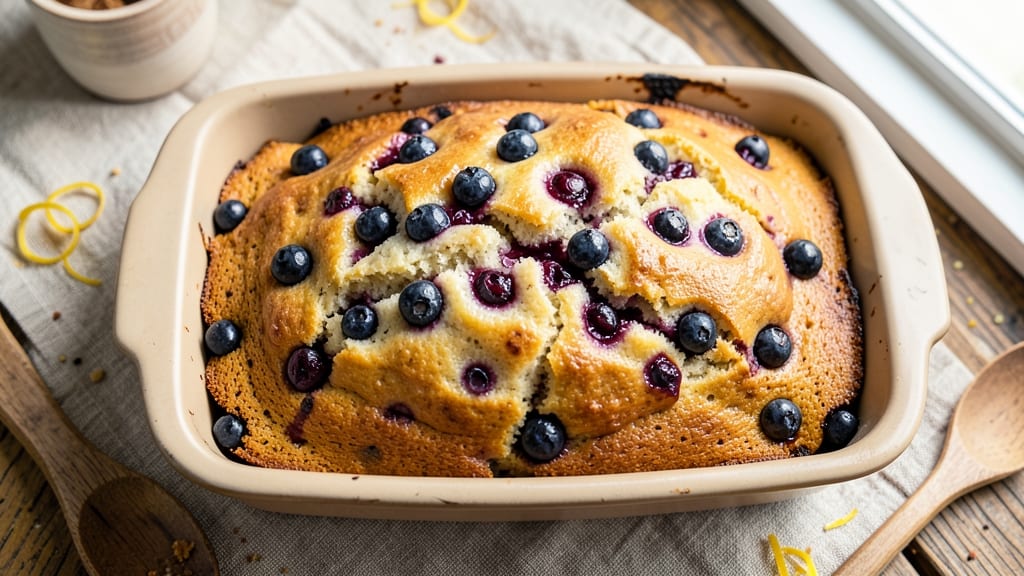
This applesauce blueberry bread recipe delivers the perfect balance of tender crumb and juicy berries, topped with a glossy apple-cider glaze that ties every bite together. The secret lies in substituting half the butter with unsweetened applesauce, which keeps the bread moist without sacrificing that classic bread texture.
I developed this version after years of baking too-dry loaves, and the difference is night and day—no more dry crumbs or gummy centers.
The dough comes together in 10 minutes with simple pantry staples, and the proofing process (just 1 hour) ensures a light, airy texture that holds up to slicing.
What makes this recipe stand out is the blueberry folding technique—adding them in two batches prevents sinking, so each slice delivers bursts of juicy berry with every bite. The apple-cider glaze adds a subtle tang that cuts through the sweetness, making this bread perfect for breakfast or dessert.
By the time it emerges from the oven, you'll have a golden-brown loaf with a crackly top and tender crumb, studded with plump blueberries that stay intact. The glaze sets beautifully, creating a professional finish without requiring extra effort.
This recipe is foolproof enough for beginners but impressive enough for gatherings—whether you're serving it with coffee or as a dessert alongside vanilla ice cream.
The best part? Leftovers reheat perfectly in the toaster, and the glaze keeps the bread moist for days. For a festive touch, sprinkle extra blueberries on top before baking or add a pinch of cinnamon to the dough. Let's get started—your kitchen will smell like autumn in minutes.
Ingredients for applesauce blueberry bread
Eight simple ingredients, two batches of blueberries, and that perfect applesauce-butter balance—this bread is pure comfort in every slice.
| Ingredient | Amount | Notes |
|---|---|---|
| All-Purpose Flour 🌾 | 4 cups | Sifted for light texture |
| Unsweetened Applesauce 🍎 | ½ cup | Unsweetened, no sugar added |
| Unsalted Butter 🧈 | ½ cup | Cold, cubed for even mixing |
| Granulated Sugar 🍚 | 1 cup | Light brown preferred |
| Active Dry Yeast 🍞 | 2 ¼ tsp | Freshly opened packet |
| Large Eggs 🥚 | 2 whole | Room temperature |
| Milk 🥛 | ½ cup | Warm, whole milk preferred |
| Vanilla Extract 🌸 | 1 tsp | Pure, high-quality |
| Salt 🧂 | 1 tsp | Diamond Crystal preferred |
| Ground Cinnamon 🌿 | 1 ½ tsp | Freshly ground preferred |
| Fresh Blueberries 🫐 | 1 ½ cups | Washed, dried, plus extra |
| Apple Cider 🍎 | ½ cup | Unfiltered for depth |
| Powdered Sugar 🍚 | ½ cup | For glaze |
| Unsalted Butter 🧈 | 2 tbsp | Melted for glaze |
The flour is your foundation—King Arthur or Gold Medal are my go-tos for that tender crumb. Applesauce makes this bread special, so grab the unsweetened kind—none of that sugary junk. For butter, Plugrá or Land O'Lakes unsalted work perfectly, but don't use salted. The blueberries? Fresh is best, but if you're using frozen, toss them in a bowl of hot water for 30 seconds to pop them from the ice crystals. Cinnamon is non-negotiable—it's what makes this bread smell like autumn in your kitchen. The yeast should be freshly opened—if it's been sitting in your pantry for months, toss it and start over.
No applesauce? Pumpkin puree works in a pinch—just reduce the sugar to 3/4 cup. Short on blueberries? Raspberries or blackberries add a different flavor but still deliver that burst. The glaze is where the magic happens—Trader Joe's apple cider is my secret weapon, but any good-quality cider will do. If you don't have powdered sugar, sift granulated sugar for a fine texture. The dough is forgiving, but don't overmix—just until combined. And if your kitchen is hot, warm the milk slightly to help activate the yeast faster.
This bread keeps beautifully—3 days at room temperature wrapped in a clean kitchen towel, or 1 week in the fridge. For longer storage, freeze slices in a ziplock bag—just toast straight from frozen. The glaze sets as it cools, so let it sit for 10 minutes before slicing. Pro tip: Brush extra glaze on warm slices for that restaurant-quality shine. And if you have leftovers? French toast the next morning—trust me on that.
Why You'll Love This Recipe
- No Mixer Needed: I swear by this dough—just a bowl, a spoon, and your hands. The applesauce replaces half the butter, so the texture stays tender without the fuss of kneading. (Yes, even on a Tuesday night when I’m in pajamas.)
- Sweet-Tart Magic: That first bite? Blueberries bursting against the warm, slightly dense crumb, with just enough caramelized sugar to make it feel like dessert. Honestly, the applesauce keeps it from being too heavy—it’s the perfect balance.
- Breakfast to Brunch: Slice it thick for French toast, toast it for a quick snack, or pack it for lunches. Between us, I’ve even used the ends to make cinnamon rolls. The yeast keeps it fresh for days, so it’s always ready when you are.
- Pantry to Table: I make this when I’m low on eggs or butter—it’s my go-to when the grocery budget’s tight. The yeast and sugar do most of the work, and the dough doesn’t even need proofing if you’re in a hurry. (Though I won’t lie—it’s better when you let it rise.)
Step-by-step instructions for applesauce blueberry bread
Here's how to craft this tender, fruity loaf with a signature apple-cider glaze.
Activate the Yeast for Maximum Rise
In a small bowl, combine the 0.5 cup warm milk with 2.25 tsp active dry yeast and 1 tbsp granulated sugar from your 1 cup total. Let it sit for 5-10 minutes until frothy - you'll see tiny bubbles forming on the surface and a yeasty aroma developing. This proves your yeast is alive and ready to work its magic.
I always use warm (not hot) milk - 105-110°F is ideal. Too hot kills the yeast, too cold makes it sluggish. If it doesn't bubble after 10 minutes, your yeast may be old or your environment too cold. Toss it and start fresh with a new packet.
Mix Wet Ingredients for Perfect Texture
In a large mixing bowl, combine the 0.5 cup unsweetened applesauce, 0.5 cup cold cubed unsalted butter, 2 whole large eggs, 1 tsp vanilla extract, 1 tsp salt, and 1.5 tsp ground cinnamon. Mix with a wooden spoon until the butter melts completely and you have a smooth, thick batter.
The applesauce replaces some fat while keeping the bread moist, while the cold butter creates flaky layers. I like to press the butter cubes against the bowl sides with my spoon - this helps them melt more evenly without creating a greasy mess. The mixture should be thick enough to hold its shape when dropped from a spoon.
Combine Dry Ingredients and Fold Gently
Gradually add the 4 cups sifted all-purpose flour to your wet mixture while stirring gently with a spatula. Once combined, fold in 1.5 cups fresh blueberries, reserving a few for topping. The dough will be sticky but manageable - don't add extra flour or you'll compromise the bread's tender crumb.
Here's the thing - blueberries are delicate. I recommend tossing them in 1 tbsp flour first to prevent sinking. Work quickly but carefully to avoid breaking the berries, which would release juices that make the dough too wet. The ideal consistency should be like a very thick cookie dough that clings slightly to your fingers.
First Rise for Optimal Flavor Development
Transfer the dough to a lightly greased 9x5-inch loaf pan and smooth the top. Cover with a clean kitchen towel and let rise in a warm place for 1-1.5 hours or until doubled in size. You'll know it's ready when the dough presses back slowly when gently poked with a finger - it should leave a slight indent that doesn't fill back in immediately.
Don't rush this step. The first rise develops flavor and structure that you can't achieve through baking alone. I place my pan in a slightly warmed oven (100-110°F) with a bowl of hot water underneath for consistent warmth. The dough should rise to about 1 inch above the pan rim when fully proofed.
Bake to Golden Perfection with Blueberry Topping
Preheat your oven to 375°F. Brush the risen dough with any remaining 0.5 cup apple cider, then sprinkle with the reserved blueberries and remaining 1 tbsp flour. Bake for 50-55 minutes until the top is deep golden brown and a toothpick inserted in the center comes out clean.
The cider creates a beautiful caramelized crust while keeping the bread moist. I like to tent the pan with foil after 30 minutes if the top browns too quickly. The bread is done when it sounds hollow when tapped on the bottom and pulls away cleanly from the pan edges. Let it cool in the pan for 10 minutes before transferring to a wire rack.
Prepare the Apple-Cider Glaze
While the bread cools, melt the 2 tbsp unsalted butter in a small saucepan over low heat. Remove from heat and whisk in 0.5 cup powdered sugar until smooth. Slowly whisk in 2 tbsp apple cider until the glaze reaches your desired consistency - it should coat the back of a spoon but still be pourable.
Drizzle the warm glaze over the completely cooled bread just before serving. The contrast of warm glaze and room-temperature bread creates the perfect texture combination. I like to let the glaze set for 5-10 minutes before slicing to prevent a soggy bottom - this gives the bread time to absorb some of the glaze while keeping the top glossy.
Pro Tips For Making Applesauce Blueberry Bread
- Warm the Applesauce First: Cold applesauce makes your dough sluggish—mix it with the wet ingredients until it reaches room temperature (about 5 minutes in a microwave or bowl of warm water). I learned this the hard way when my first batch took twice as long to rise because the dough was fighting the chill.
- Measure Yeast Like a Lab: Use a kitchen scale for the yeast (about 2¼ teaspoons for a standard recipe) instead of eyeballing it. Too much makes the bread rise too fast and collapse; too little means a sad, flat loaf. I was skeptical until I tried it—now I never go back.
- Don’t Overmix the Dough: Once you’ve incorporated the flour, stop mixing as soon as the dough pulls away from the bowl. Overworking it develops gluten, turning your tender blueberry bread into a chewy loaf. After burning three batches, I finally figured out that "just until combined" means exactly that.
- Fold in Blueberries Gently: Toss the blueberries in a little flour first (about 1 tablespoon) to prevent sinking and keep them evenly distributed. Sounds weird, but it works: no more clumps at the bottom or a bread that looks like a berry bomb exploded in the center. (Yes, I’ve seen that happen.)
Flavor customization for this applesauce blueberry bread
Sweet-Spiced Twist
Add ½ tsp ground cardamom or ¼ tsp nutmeg to the dough for a warm, aromatic depth that pairs beautifully with the blueberries. I find Penzeys Spices cardamom adds a floral note that elevates the bread's complexity.
For extra warmth, sprinkle ½ tsp cinnamon sugar on top before baking. This variation works especially well with a honey glaze instead of apple cider. 🌿
Citrus Zest Brightness
Zest 1 lemon or orange and fold it into the wet ingredients for a refreshing citrus kick. The acidity balances the sweetness perfectly and keeps the bread from feeling too heavy. I like to use organic Meyer lemons for their natural sweetness.
For a bolder flavor, add 1 tbsp fresh lemon juice to the glaze. This variation shines when served with morning coffee or as a dessert with vanilla ice cream.
Nutty Crunch Addition
Fold ½ cup chopped walnuts or pecans into the dough for added texture and richness. Toast the nuts in a dry skillet for 3-4 minutes until fragrant before mixing them in. I recommend Trader Joe's walnuts for their consistent quality.
For extra crunch, sprinkle ½ cup chopped nuts on top before baking. This version pairs wonderfully with a maple glaze instead of apple cider.
Chocolate Chip Fusion
Swap out half the blueberries for ½ cup chocolate chips (I use Ghirardelli 60% dark) for a decadent twist. The chocolate melts beautifully during baking, creating pockets of rich flavor. For a more balanced sweetness, use semi-sweet chocolate instead of dark.
This variation works especially well with a caramel glaze drizzled on top. The combination of blueberries and chocolate creates a sophisticated dessert bread that's perfect for special occasions.
Herbal Infusion
Add 1 tbsp finely chopped fresh rosemary or thyme to the dough for an herbal note that adds sophistication. I like to use organic rosemary from the grocery store for its piney aroma. For a more subtle flavor, use ½ tbsp dried herbs instead.
This variation pairs beautifully with a honey-mustard glaze that adds a tangy contrast. The herbs work especially well with a savory-sweet balance, making this bread perfect for brunch or light dessert.
Seasonal Pumpkin Spice
Incorporate ½ cup pumpkin puree (unsweetened) into the wet ingredients and add 1 tsp pumpkin pie spice to the dough for a fall-inspired twist. Reduce the sugar to ¾ cup to balance the natural sweetness of the pumpkin.
I recommend Libby's pumpkin puree for consistent quality. This variation works beautifully with a maple-bourbon glaze** drizzled on top. The combination of applesauce, pumpkin, and blueberries creates a rich, spiced bread that's perfect for autumn gatherings. 🍂
Nutrition facts
Frequently asked questions
Can I make this bread without yeast?
Yes, but the texture will be different. Replace the yeast with 1 tsp baking powder and 1 tsp baking soda for a quick-bread version. The applesauce will still keep it moist, but you'll lose the light, airy crumb. Bake at 350°F for 45-50 minutes instead, and skip the first rise. The glaze will still work beautifully!
How do I store leftovers to keep them fresh?
Wrap cooled slices in plastic wrap or store in an airtight container with a paper towel to absorb moisture. At room temperature, it stays fresh for 3 days. For longer storage, freeze slices in a ziplock bag for up to 3 months. Thaw overnight in the fridge or warm straight from frozen in the toaster. The glaze stays crisp even after freezing!
Why did my blueberries sink to the bottom?
This happens when the dough is too wet or the berries aren't properly coated. Toss them in 1 tbsp flour before folding and work quickly to avoid releasing juices. For extra insurance, fold in half the blueberries with the dry ingredients, then add the rest with the wet mixture. The two-stage method prevents sinking while keeping those juicy bursts in every slice!
Can I use frozen blueberries instead of fresh?
First, thaw them completely and pat them very dry with a paper towel to remove excess moisture. Toss in 1 tbsp flour before folding to prevent sinking. Frozen berries work just as well—they'll stay intact during baking and deliver that same burst of flavor. Just avoid using ones still coated in ice crystals.
What's the best way to reheat slices?
For crispy crust and soft interior, use the toaster or toaster oven at 350°F for 3-5 minutes. If the glaze gets too hard, brush a little extra glaze on warm slices before serving. For a quick option, microwave for 10-15 seconds (but the texture won't be as perfect). Always reheat from room temperature for even warming!