
Side Dishes
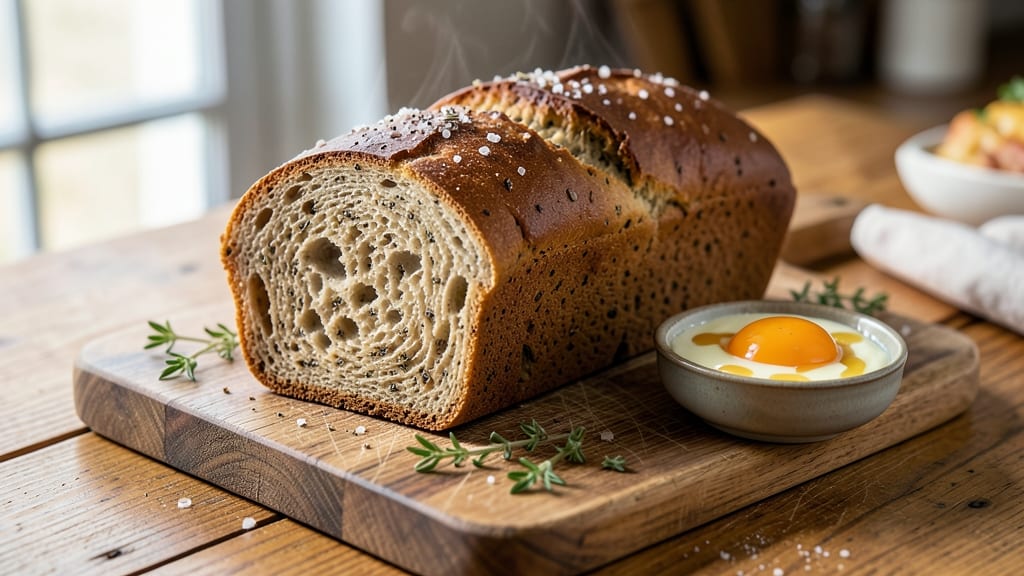
This aniseed bread recipe delivers a loaf with a fragrant, licorice-kissed crust and tender crumb that’s perfect for sandwiches or serving alongside soups. 🌟 The secret lies in balancing aniseed’s bold flavor with warm spices like cinnamon and cardamom, creating a bread that’s both comforting and distinctive.
Traditional techniques—like proper kneading and scoring—ensure a crust that’s crisp yet yielding, with a subtle sweetness that lingers.
What sets this recipe apart is its approachability—no special equipment needed beyond a standard loaf pan and mixer. The dough comes together with simple ingredients like flour, yeast, and honey, while the aniseed infuses depth without overpowering.
Proofing at room temperature allows the yeast to work its magic, and a high oven temperature ensures a golden, crackly crust that’s impossible to resist.
The result is a loaf with a warmly spiced aroma that fills your kitchen, a crisp exterior that gives way to a soft, airy interior, and a flavor profile that’s both familiar and exciting.
The aniseed’s licorice notes shine through subtly, making every slice memorable. Whether you’re baking for a special occasion or just craving something hearty, this bread delivers.
For added versatility, consider a sweet variation with raisins or a savory twist with rosemary and garlic. The recipe scales easily, so you can make two loaves for a crowd. Let’s get started on a loaf that’ll become a staple in your home.
Ingredients for aniseed bread
Simple flour, yeast, and spices transform into a fragrant loaf with licorice-kissed warmth and crisp golden crust.
| Ingredient | Amount | Notes |
|---|---|---|
| All-Purpose Flour 🌾 | 4 cups | Sifted for optimal texture |
| Active Dry Yeast 🍞 | 2 ¼ tsp | Freshly opened for vitality |
| Granulated Sugar 🍚 | ¼ cup | For yeast activation |
| Whole Milk 🥛 | ¾ cup | Warm for yeast activation |
| Large Eggs 🥚 | 1 whole | Room temperature preferred |
| Unsalted Butter 🧈 | ½ cup | Cold, cubed for texture |
| Ground Aniseed 🌿 | 2 tbsp | Freshly ground for potency |
| Ground Cinnamon 🌶️ | 1 tsp | For warm spice depth |
| Ground Cardamom 🌿 | ½ tsp | Lightly toasted for aroma |
| Diamond Crystal Kosher Salt 🧂 | 1 ½ tsp | Adjust to taste |
| Honey 🍯 | ¼ cup | For subtle sweetness |
| Water 💧 | ½ cup | Warm for dough consistency |
The aniseed is the heart of this recipe—Penzeys Spices or high-quality bulk bins deliver the most potent flavor. Look for freshly ground aniseed, as pre-ground loses intensity quickly. Cardamom and cinnamon should be lightly toasted in a dry pan for 30 seconds to enhance their aromatic compounds. For the flour, King Arthur or Gold Medal brands yield the best texture, though any all-purpose will work. The yeast must be fresh; if your packet is past its expiration, test it in a small bowl of warm milk before committing to the full recipe.
No aniseed? Fennel seeds ground to a powder provide a similar licorice note, though with a slightly bitter edge. Substitute honey with maple syrup or agave nectar for vegan adaptations, though the flavor profile shifts slightly. For a deeper spice profile, add 0.25 tsp of ground cloves or nutmeg. The milk can be swapped for unsweetened almond milk, though the dough may require an extra tablespoon of water to achieve the same consistency. If your kitchen runs hot, reduce the water slightly—this dough should be soft but not sticky.
Store the loaf in a paper bag at room temperature for up to 3 days to maintain crispness. For longer storage, wrap tightly in plastic and freeze for up to 3 months. Reheat slices in a 350°F oven for 5-7 minutes to restore freshness. The crust develops best when baked immediately after shaping, but the dough can be refrigerated overnight for a more developed flavor—just allow it to rise at room temperature for an additional 30 minutes before baking. Leftovers make excellent croutons or breadcrumbs for future recipes.
Why You'll Love This Recipe
- No-Knead Magic: I swear by this dough—just mix, let it rise, and boom. No stand mixer, no elbow grease, just a bowl and 20 minutes of hands-off waiting. The yeast does all the work while I sip coffee.
- Licorice-Like Magic: That aniseed? It’s next-level—warm, sweet, with a faint licorice kick that sticks with you. The milk and eggs make it tender, so every bite feels like a hug. (Yes, even on a Tuesday night.)
- Breakfast to Brunch: Toast it for breakfast with jam, slice it for sandwiches, or serve it warm with butter at brunch. It’s my go-to for lazy mornings or when unexpected guests show up. Honestly, it’s the MVP of my pantry.
- Budget-Friendly Staple: Flour, yeast, milk—these are basics you already have. A single batch feeds my family for days, and the leftovers? Still fresh and delicious. I bake two loaves, freeze one, and call it a win.
Step-by-step instructions for aniseed bread with licorice-kissed depth
Master this spiced dough technique for a bread with aromatic complexity and perfect texture.
👨🍳 Step 1: Activate the Yeast and Prepare the Dough Base
In a small bowl, combine the 0.5 cup warm water, 0.25 cup granulated sugar, and 2.25 tsp active dry yeast. Let it sit for 5-10 minutes until foamy—this confirms the yeast is active. If it doesn't foam, your yeast may be dead and you'll need to start over.
In the bowl of a stand mixer fitted with the dough hook, whisk together the 4 cups all-purpose flour, 2 tbsp ground aniseed, 1 tsp ground cinnamon, 0.5 tsp ground cardamom, and 1.5 tsp diamond crystal kosher salt. Sift the flour first to prevent lumps, then mix on low speed for 30 seconds to distribute the spices evenly.
👨🍳 Step 2: Incorporate Wet Ingredients and Develop the Dough
Add the yeast mixture, 0.75 cup warm whole milk, 0.25 cup honey, and 1 whole large egg to the dry ingredients. Mix on low speed for 2 minutes until combined, then increase to medium speed and knead for 5 minutes until the dough begins to pull away from the sides of the bowl.
Add the 0.5 cup cold cubed unsalted butter to the dough and continue kneading for another 3-4 minutes until fully incorporated. The dough should be smooth, slightly tacky, and elastic. If it's too sticky, add 1 tablespoon flour at a time until it comes together properly. This step develops gluten for that perfect chewy texture.
⏰ Step 3: First Rise for Flavor Development
Shape the dough into a ball and place it in a lightly greased bowl. Cover with a damp kitchen towel and let it rise in a warm place for 1-1.5 hours, or until it has roughly doubled in size. The dough should feel spongy and spring back slowly when poked with a finger.
Here's where the aniseed flavor really develops—don't rush this step. The warmth and time allow the yeast to ferment properly and the spices to meld together. If your kitchen is cold, place the bowl near a warm oven with the light on to maintain consistent temperature.
🥘 Step 4: Shape and Second Rise for Structure
Punch down the risen dough to release air, then turn it out onto a lightly floured surface. Divide the dough into 4 equal portions (about 1 pound each) and shape each into a smooth boule or batard. For a boule, gather the dough into a ball with the seam side down; for a batard, roll it into a log shape.
Place the shaped dough on a parchment-lined baking sheet, cover loosely with plastic wrap, and let rise for another 30-45 minutes until puffy. The dough should spring back slowly when pressed gently—this indicates proper fermentation. Preheat your oven to 375°F during this final rise to ensure it's ready when you are.
🔥 Step 5: Bake to Golden Perfection with Spiced Crust
Bake the bread for 25-30 minutes until golden brown and internal temperature reaches 190-200°F. For extra crust color, brush the tops with water after 15 minutes of baking. The bread is done when it sounds hollow when tapped on the bottom and the internal temperature is correct.
Transfer the bread to a wire rack to cool for at least 30 minutes before slicing. The aniseed flavor will intensify as it cools, developing that characteristic licorice-kissed depth. Store in an airtight container for up to 3 days or freeze for longer storage—this bread only gets better with time.
Pro Tips For Making Aniseed Bread
- Bloom the Yeast First: Skip mixing yeast directly into dry flour—it’ll wake up slower and weaker. Instead, dissolve it in warm milk (110°F, not hot) with a pinch of sugar, then let it foam for 5-10 minutes. I learned this the hard way after doughs that took forever to rise.
- Toast the Aniseeds: Whole aniseeds need a quick dry toast (2-3 minutes in a skillet) before mixing into dough. This prevents them from turning bitter and ensures their flavor shines. Sounds weird, but it works—trust the process.
- Don’t Over-Knead the Dough: Aniseed bread is delicate; knead just until the dough pulls away from the bowl (about 8-10 minutes by hand). Overworking it makes the crumb dense and gummy. I used to go overboard, then realized less is more.
- Use Room-Temp Eggs: Cold eggs slow yeast activity and can make the dough sluggish. Let eggs sit out for 30 minutes before mixing—this keeps the dough light and rises evenly. (Yes, even if you’re impatient like me.)
Best sauces and condiments for this recipe
Sweet Honey Butter
This bread’s subtle sweetness pairs beautifully with honey butter—mix ½ cup softened butter with 2 tbsp honey and a pinch of ground aniseed. Spread generously on warm slices for a flavor that complements the bread’s licorice notes perfectly.
For extra richness, add 1 tsp vanilla extract to the butter mixture. 🍯
Spiced Whipped Cream
For a dessert-style pairing, whip 1 cup heavy cream with 2 tbsp powdered sugar and ½ tsp ground cinnamon. The cream’s lightness contrasts the bread’s dense texture while the cinnamon echoes its warm spice profile.
Serve with fresh berries for a breakfast or dessert option that feels indulgent yet balanced.
Olive Oil and Za’atar
Drizzle slices with extra-virgin olive oil and sprinkle with za’atar seasoning (a Middle Eastern blend of sesame seeds, sumac, and oregano). The earthy, nutty notes of za’atar create a savory contrast to the bread’s sweet-spiced interior.
This pairing works especially well with charred vegetables or hummus for a Mediterranean-inspired meal. 🌿
Dark Chocolate Spread
Spread dark chocolate hazelnut spread (like Nutella) on slices for a decadent treat. The bitterness of dark chocolate balances the bread’s licorice sweetness, while hazelnuts add a nutty depth.
For a healthier twist, use 70% dark chocolate chunks melted into Greek yogurt instead. This combo is ideal for dessert or a luxurious afternoon snack.
Fresh Fruit Compote
Top slices with a poached pear or apple compote—simmer 2 cups diced fruit with ¼ cup water, 2 tbsp sugar, and a strip of orange peel for 15 minutes.
The fruit’s natural sweetness harmonizes with the aniseed’s warmth, creating a dessert-like experience. Serve with a dollop of whipped cream for extra indulgence.
Nutrition facts
Frequently asked questions
Why does aniseed bread have that strong licorice flavor?
Aniseed's bold licorice notes come from anethole, a natural compound in the seed. The recipe balances this intensity with complementary spices like cinnamon and cardamom, creating a warm, aromatic profile rather than an overpowering one. The honey also helps mellow the aniseed's sharpness while adding subtle sweetness.
Can I make this bread without a stand mixer?
Use a large mixing bowl and your hands to knead the dough for 8-10 minutes until smooth and elastic. Work it vigorously against the bowl's sides to develop gluten properly. The dough should feel slightly tacky but not sticky—add flour gradually if needed.
What's the best way to store aniseed bread?
For freshness, wrap cooled loaves in a paper bag at room temperature for 2-3 days. For longer storage, freeze slices in an airtight container for up to 3 months. To revive, reheat slices in a 350°F oven for 5-7 minutes until crisp. The crust stays best when not sealed in plastic.
How do I know when the dough has risen enough?
Press the dough gently with one finger—if it springs back slowly (not immediately), it's ready. For the first rise, the dough should double in size (1-1.5 hours). After shaping, look for puffiness and slight expansion (30-45 minutes). Cold kitchens may need extra time, while warm ones can speed up rising.
Can I substitute aniseed with another spice?
For similar licorice notes, try fennel seeds (ground) or star anise powder. For warmth instead, swap with 1 tsp nutmeg or allspice. Remember: aniseed's unique flavor is hard to replicate—substitutes will change the bread's character significantly. Start with half the amount if experimenting.