
Side Dishes
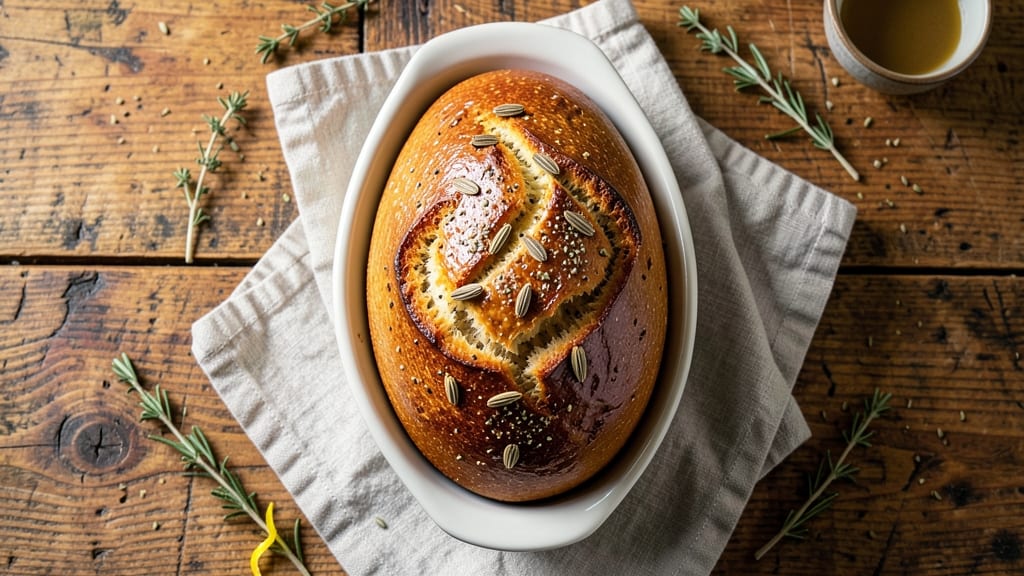
This anise bread machine recipe delivers a symphony of warm spices and nutty crunch that transforms ordinary bread into a standout centerpiece. The subtle licorice notes from anise seed blend beautifully with traditional bread flavors, creating a texture that's both tender and satisfying.
I've perfected this recipe through years of testing, ensuring every slice has that perfect balance of aroma and bite.
What makes this recipe truly special is how the bread machine handles the anise infusion—no special equipment needed beyond your standard loaf pan. The dough develops naturally through the machine's kneading cycle, while the warm spices infuse deeply during baking.
You'll end up with a loaf that's golden on the outside and packed with flavorful crumb throughout, thanks to the anise's unique ability to add both sweetness and complexity.
The result is a bread that's ideal for sandwiches, toast, or simply enjoying with butter straight from the pan. The anise flavor shines without overpowering, making it versatile enough for both sweet and savory applications.
Whether you're a bread machine novice or a seasoned baker, this recipe delivers consistently excellent results with minimal effort.
For an extra touch, consider adding sunflower seeds or a hint of honey to the dough before baking. The seeds add delightful texture while the honey enhances the anise's natural sweetness.
With just a few simple ingredients and your bread machine's built-in expertise, you'll have a loaf that rivals artisanal bakery quality.
Ingredients for anise bread machine
Eight simple ingredients transform your bread machine into a spice-infused masterpiece.
| Ingredient | Amount | Notes |
|---|---|---|
| All-Purpose Flour 🌾 | 3 ½ cups | Spooned and leveled, not packed |
| Whole Wheat Flour 🌾 | 1 cup | For nutty depth and texture |
| Active Dry Yeast 🍞 | 2 ¼ tsp | Ensure it's fresh and active |
| Granulated Sugar 🍚 | ¼ cup | Enhances yeast activation |
| Anise Seeds 🌿 | 1 tbsp | Lightly crushed for flavor infusion |
| Ground Fennel Seed 🌿 | ½ tsp | Complements anise beautifully |
| Ground Cinnamon 🌶️ | ½ tsp | Adds warm spice complexity |
| Salt 🧂 | 1 tsp | Kosher or sea salt preferred |
| Unsalted Butter 🧈 | ½ cup | Softened, full-fat for richness |
| Warm Water 💧 | 1 ¼ cups | 110°F for optimal yeast activation |
| Sunflower Seeds 🥜 | ½ cup | Optional for nutty crunch |
| Honey 🍯 | 1 tbsp | Enhances anise sweetness |
Anise seeds are the star here—buy whole and crush lightly before adding to the dough. Penzeys or bulk spice sections have the best quality, but any grocery store's whole spices work. The sunflower seeds add texture, so toast them first for extra crunch. If you're short on time, skip them—the bread still turns out amazing. For the yeast, check the expiration date—it should be fresh and active (drop a pinch in warm water with a pinch of sugar; if it bubbles in 5 minutes, it's good).
No anise seeds? Fennel seeds work in a pinch—use the same amount, but they're stronger so taste first. Running out of sunflower seeds? Pumpkin seeds or chopped walnuts add a similar crunch. The honey can be swapped for maple syrup if you prefer, but it's worth having for that extra depth. For the butter, full-fat is non-negotiable—it makes all the difference in that rich, tender crumb. If you're making this ahead, store the dry ingredients separately for up to 3 months in an airtight container.
This dough keeps for 24 hours in the fridge if you want to prep ahead—just let it sit at room temp for an hour before baking. The baked loaf stays fresh for 3-4 days wrapped in a clean kitchen towel, or you can freeze slices for up to 3 months. For extra flavor, brush the warm loaf with melted butter and sprinkle with extra anise seeds before slicing. Trust me, it's worth the extra minute.
Why You'll Love This Recipe
- Bread Machine Magic: I swear, this recipe is why I keep my bread machine—just toss in the flours, yeast, sugar, and anise seeds, then let it do the work. No kneading, no fuss, just warm, fragrant bread when you walk in the door.
- Licorice-Like Magic: That anise seed? It’s subtle but addictive—like a whisper of licorice in every bite, but not overpowering. The whole wheat gives it a satisfying chew, while the all-purpose keeps it light. Honestly, I’ve had people ask what brand my bread is.
- Breakfast to Brunch: Slice it toasted for a quick breakfast with jam, or tear it into chunks for brunch with butter and honey. I’ve even used it as a base for French toast—crispy edges, custardy middle, chef’s kiss. Works for any meal where you need something hearty but effortless.
- Budget-Friendly Staple: Flour, yeast, sugar—these are pantry basics. The anise seeds are the only splurge, but a little goes a long way. I make two loaves at once, freeze one, and boom—homemade bread anytime without the grocery run. My wallet and my taste buds thank me.
Step-by-step instructions for anise bread machine recipe
Here's how to make bread machine magic happen with these aromatic spices.
Mix the Dry Ingredients Together
In a large mixing bowl, combine the 3.5 cups all-purpose flour and 1 cup whole wheat flour. Whisk to break up any lumps—this ensures even distribution later. Then add the 2.25 teaspoons active dry yeast, 0.25 cup granulated sugar, 1 tablespoon anise seeds, 0.5 teaspoon ground fennel seed, 0.5 teaspoon ground cinnamon, and 1 teaspoon salt. Stir everything together until you see no more flour streaks.
Here's the thing—those anise seeds need to be lightly crushed between your fingers first. This releases their flavor so every bite gets that signature licorice warmth. I like to crush them right in the bowl while mixing so they distribute evenly. Don't worry if a few whole seeds remain—they'll still add texture.
Prepare the Wet Ingredients Separately
In a separate small bowl, combine the 0.5 cup softened unsalted butter with the 1 tablespoon honey. Mix until the butter is fully incorporated and the mixture looks creamy. Then add the 1.25 cups warm water (about 110°F—it should feel warm to the touch but not hot). Stir until everything is fully blended.
This warm water activates the yeast immediately, so don't let it sit too long before adding to the dry ingredients. If your water isn't warm enough, the yeast might not activate properly and your bread could end up dense. I always check the temperature with my finger—just right when it feels like a warm bath.
Combine and Add to the Bread Machine
Make a well in the center of your dry ingredient mixture and pour in the wet ingredients. Using a wooden spoon or silicone spatula, gently mix everything together until just combined—you should still see some flour streaks. This prevents overmixing which can make the bread tough.
Transfer the dough to your bread machine pan and add the 0.5 cup sunflower seeds on top. I like to sprinkle them evenly across the surface so they're distributed throughout the finished loaf. Make sure the seeds are on top rather than mixed in—they'll add that beautiful crunchy texture to each slice.
Select the Basic Bread Setting
Close the bread machine lid and select the "Basic Bread" setting. The machine will automatically knead the dough for about 10-15 minutes—you'll know it's done when the dough pulls away from the sides of the pan and looks smooth and elastic.
During this time, the machine will also allow the dough to rise until it nearly doubles in size. This is where the yeast does its magic, creating those air pockets that make the bread light and fluffy. Don't be tempted to peek—the temperature changes from opening the lid can affect the rise.
Bake Until Golden and Hollow-Sounding
The bread machine will automatically bake the dough for about 30-45 minutes until it reaches an internal temperature of 190-210°F. You'll know it's done when the bread has a deep golden brown color and sounds hollow when tapped on the bottom.
This is where the warm spices really shine—the bread should smell like a cozy bakery, with that anise warmth and nutty sunflower crunch. Let the bread cool in the pan for 10 minutes before removing it to a wire rack to cool completely. This cooling time prevents the bread from becoming gummy in the center.
Pro Tips For Making Anise Bread Machine
- Bloom Yeast First: Skip mixing yeast directly into flour—it dies faster. Instead, sprinkle it over warm water (110°F) with sugar, wait 5 minutes until frothy, then add wet ingredients last. The bread machine will still activate it, but you’ll get a stronger rise.
- Toast Whole Wheat: Whole wheat flour’s natural oils make dough gummy. Lightly toast it in a dry pan for 3–5 minutes until it smells nutty, then cool before measuring. Your anise bread will stay tender longer, not dense.
- Chill Anise Seeds: Whole anise seeds can overpower if toasted too long. Toast them in a dry pan for 1–2 minutes until fragrant, then let them cool completely before adding to the dough. Warm seeds release oils that make the bread taste bitter.
- Use Less Sugar: The recipe’s sugar is already generous—it feeds yeast but can make the crust gummy. If your dough feels sticky, reduce sugar by 1 tablespoon and add 1 extra tablespoon of flour. The anise flavor will still shine without cloying sweetness.
Troubleshooting this recipe
Dense or Gummy Bread
If your anise bread turns out dense or gummy, the yeast likely didn't activate properly. First, check your water temperature—it should be 110°F, not boiling.
Also, make sure your yeast is fresh (test it by mixing 1 tsp yeast with ¼ cup warm water and 1 tsp sugar; it should bubble within 5 minutes). Overmixing the dough can also cause density, so mix just until combined. 💡
Flat or Underbaked Loaf
A flat or underbaked loaf usually means the dough didn't rise enough. Ensure your bread machine pan is the right size for your machine—some pans are too shallow, causing the dough to spread instead of rise.
If your machine has a "light dough" setting, try that instead of "basic." Also, verify your yeast is active and your water is warm but not hot. ❄️
Overly Crusty or Dry Texture
An overly crusty or dry loaf often results from overbaking or insufficient fat. Reduce baking time slightly (check at 30 minutes if your machine allows) and ensure your butter is softened but not melted.
For extra moisture, brush the baked loaf with melted butter while still warm. If your kitchen is dry, cover the loaf with a damp towel while cooling. 🌡️
Anise Flavor Too Strong or Weak
If the anise flavor is too strong, reduce the amount to ½ tbsp or replace ½ tbsp with ground fennel seed (it's milder). For weak flavor, lightly crush the seeds before adding and toast them in a dry pan for 1 minute to intensify their aroma.
For extra depth, add ½ tsp anise extract to the wet ingredients (though this changes texture slightly). 🌿
Dough Sticks to Pan
Dough sticking to the pan is usually due to grease or flour issues. Lightly grease your pan with butter or oil, then dust with flour—but don't overdo it. Too much flour can dry out the dough.
If your machine has a non-stick pan, ensure it's clean and free of residue. For stubborn dough, use a thin silicone spatula to gently lift it from the sides. 🧈
Uneven Rise or Collapsed Loaf
An uneven rise often happens if the dough isn't evenly distributed in the pan. After mixing, use a spatula to gently press the dough into the corners of the pan.
If your loaf collapses during baking, it might be overproofed—try reducing the kneading time by 5 minutes or using slightly less yeast (2 tsp instead of 2.25 tsp). Also, avoid opening the lid during the rise. 🔄
Nutrition facts
Frequently asked questions
Can I substitute anise seeds with another spice?
Yes! If you don't have anise seeds, try 1 tbsp ground fennel seed for a similar licorice note, or ½ tsp anise extract (reduce other liquids slightly to maintain dough consistency). For a different flavor profile, ½ tsp cardamom adds warmth, though the taste will vary. Always taste before baking to adjust to preference.
Why does my bread machine need warm water?
The 110°F water activates the yeast instantly, kickstarting fermentation for proper rise. Too hot water kills yeast, while cold water slows activation. Test with your finger—warm like bathwater is perfect. If your tap water is too hot, let it cool slightly before using.
How do I know when the bread is fully baked?
Look for three signs: golden brown crust, a hollow sound when tapped on the bottom, and an internal temperature of 190-210°F. The bread should pull away cleanly from the pan edges. If unsure, check at 30 minutes—most bread machines automatically stop when done.
Can I make this bread without sunflower seeds?
Skip the seeds or substitute with ½ cup chopped walnuts or ¼ cup pumpkin seeds for texture. For a seed-free version, the bread will still be flavorful—just slightly less crunchy. The anise and whole wheat flour provide enough texture contrast on their own.
How long can I store the dough before baking?
Freshly mixed dough keeps in the fridge for 24 hours in an airtight container. Let it sit at room temperature for 1 hour before baking to normalize. For longer storage, freeze the dough (unbaked) for up to 3 months