
Main Courses
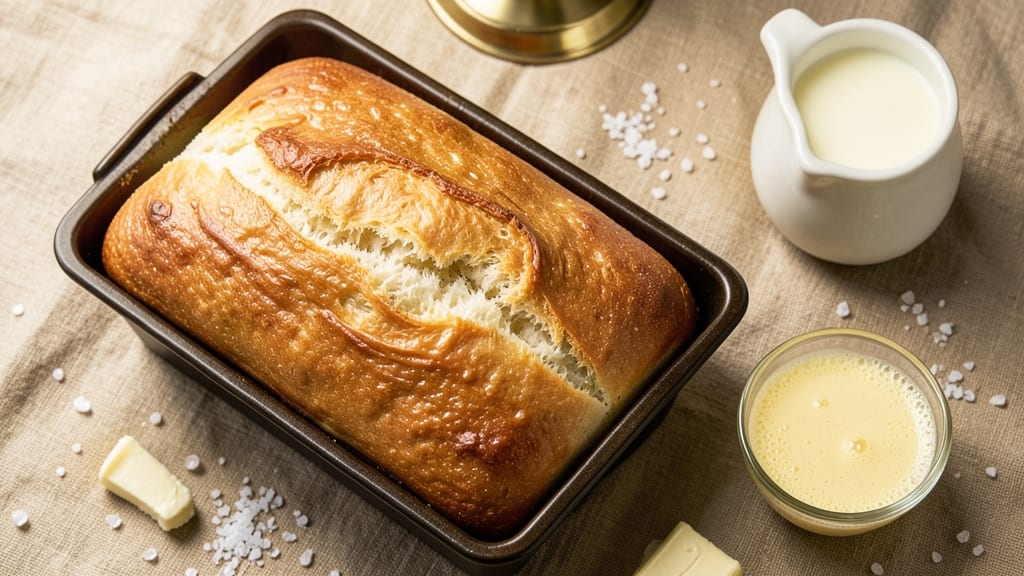
This Amish white bread maker recipe delivers the same rustic, pillowy loaves you’d find in a Pennsylvania farmhouse kitchen—without the hours of hands-on kneading. The secret lies in a slow fermentation approach that develops deep flavor while letting your bread maker do the heavy lifting.
I’ve adapted traditional Amish techniques to work seamlessly with modern appliances, ensuring a crusty exterior and tender crumb every time, even for beginners.
The process begins with a simple dough that relies on high-gluten flour for structure and a touch of butter for richness—classic Amish touches that make all the difference.
Your bread maker handles the kneading and rising, but the key to authenticity is the extended first rise (up to 2 hours) before the final bake. This mimics the slow, natural fermentation Amish bakers use, resulting in bread with complex flavor and an open crumb that’s impossible to resist.
By the time your loaf emerges from the machine, you’ll have a golden, crusty-topped loaf with a soft, airy interior that’s perfect for sandwiches, toast, or serving with butter.
The recipe scales easily for multiple loaves, and the dough can even be shaped into braided loaves or pull-apart rolls if you’re feeling ambitious. No special skills required—just follow the steps, and your bread maker will deliver homemade quality with minimal effort.
For that extra Amish touch, brush the warm loaves with melted butter or whole milk while still hot—it adds a subtle sheen and enhances the bread’s natural sweetness.
Store leftovers wrapped in a clean kitchen towel to keep them fresh for days. This is bread that tastes like tradition, made effortlessly at home.
Ingredients for amish white bread recipe for bread maker
Eight simple ingredients transform your bread maker into an Amish farmhouse—crusty, pillowy perfection with zero fuss.
| Ingredient | Amount | Notes |
|---|---|---|
| High-Gluten All-Purpose Flour 🌾 | 4 cups | King Arthur or Bob's Red Mill preferred |
| Active Dry Yeast 🍞 | ¼ oz | Or 2 1/4 tsp (1 packet) |
| Granulated White Sugar 🍚 | ¼ cup | For yeast activation |
| Unsalted Butter 🧈 | ¼ cup | Cold, cubed (full-fat for richness) |
| Warm Whole Milk 🥛 | 1 cup | 110°F for yeast activation |
| Diamond Crystal Kosher Salt 🧂 | 1 tsp | Fine grain preferred |
| Large Egg 🥚 | 1 whole | Room temperature |
| Extra-Virgin Olive Oil 🫒 | 1 tbsp | For dough coating |
| Cornmeal 🌽 | 2 tbsp | For dusting bread pan |
| Water 💧 | ½ cup | Room temperature |
The flour is non-negotiable here. King Arthur or Bob's Red Mill high-gluten gives that signature Amish crumb structure—regular all-purpose works but won't be as open. I grab mine in the baking aisle at Whole Foods or the bulk section at WinCo for better prices. The yeast should be fresh (test by sprinkling in warm water—it should foam in 5-10 minutes). For the butter, Land O'Lakes or Plugrá are my go-tos—they hold up better during long fermentation. And that milk? Warm it to 110°F (like baby bath water) to activate the yeast properly.
No high-gluten flour? Add 1 tbsp vital wheat gluten per cup of all-purpose for structure. Out of butter? Coconut oil or vegetable shortening works in a pinch (though flavor won't be identical). The egg can be swapped for 1 tbsp flaxseed meal + 3 tbsp water if you're avoiding eggs. For the milk, warm water + 1 tbsp powdered milk mimics the richness. Pro tip: If your bread maker has a dough setting, use it—otherwise, hand-knead for 8-10 minutes until smooth. The dough should be slightly sticky but not wet.
This dough ferments beautifully overnight in the fridge if you want to bake in the morning. Wrap tightly in plastic and it'll keep for up to 48 hours—the flavor actually improves with longer fermentation. Fresh loaves stay best at room temperature wrapped in a clean kitchen towel for 2-3 days. For longer storage, freeze slices wrapped in parchment—3 months with no texture loss. That melted butter finish? Use European-style butter (like Kerrygold) for maximum flavor—it's worth the splurge.
Why You'll Love This Recipe
- Bread Maker Magic: The high-gluten flour and yeast combo does all the heavy lifting—just dump, press start, and walk away. No kneading, no fuss, and zero guesswork about whether it’s done.
- Butter-Soft Crust: That warm whole milk and softened butter? It’s what makes this bread ridiculously tender inside with a crust that’s just crisp enough to hold a sandwich. Honestly, it’s the kind of bread that makes you pause mid-bite.
- Meal Prep MVP: Slice it fresh, toast it later—this bread stays soft for days, perfect for quick lunches or last-minute toast. I keep a loaf in the freezer at all times; just thaw and serve.
- Budget-Friendly Staple: Five ingredients, all pantry basics, and it stretches further than store-bought. Between us, this is the bread that actually makes grocery money go further without sacrificing taste.
Step-by-step instructions for Amish white bread maker recipe
Here's how to transform simple ingredients into golden, crusty loaves with a tender crumb—no kneading required.
Prepare the Yeast Mixture for Maximum Rise
In a small bowl, combine the 0.5 cup water, 0.25 cup granulated white sugar, and 0.25 oz active dry yeast. Let this mixture sit for 5-10 minutes until it becomes frothy and bubbly—this confirms your yeast is active. I always check for this reaction first; it's your green light that everything's ready to go.
While waiting, warm the 1 cup warm whole milk to 110°F—just warm enough to dissolve sugar but not hot enough to kill the yeast. The milk's warmth helps activate the yeast more gently than room-temperature liquids. If you don't have a thermometer, dip your finger in—it should feel pleasantly warm, like bathwater, not scalding.
Mix Dough Ingredients in the Bread Maker
In your bread maker pan, combine the 4 cups high-gluten all-purpose flour, 1 tsp diamond crystal kosher salt, and 0.25 cup cold cubed unsalted butter. The high-gluten flour gives that classic Amish bread structure—tight but not dense. Add the yeast mixture and warm milk, then stir gently with a wooden spoon until everything comes together into a shaggy dough.
Next, add the 1 whole large egg and 1 tbsp extra-virgin olive oil. The olive oil adds subtle richness while keeping the dough supple. Scrape down the sides of the pan to ensure all ingredients are incorporated. The dough will look sticky and uneven at this stage—that's normal. Cover the pan and let it rest for 5 minutes before adding the cornmeal.
Set Up the Bread Maker for Perfect Loaves
Sprinkle 2 tbsp cornmeal evenly over the bottom of the bread maker pan. The cornmeal creates a barrier that prevents the dough from sticking to the pan and helps develop that beautiful crust. Lift the dough gently and place it in the pan, letting it settle naturally without pressing down. The cornmeal will show through in spots—this is exactly what you want.
Select the "Basic White Bread" setting on your bread maker and start the cycle. Most machines will automatically knead, rise, and bake the bread. If your model has a "dough setting," use that first to develop the gluten before switching to bake. The machine will handle all the heavy lifting—no need to worry about over-kneading or under-rising.
Monitor for Golden Perfection
About 20 minutes into the baking cycle, the bread maker will begin the baking process. The loaf should develop a deep golden brown color with a crisp crust. If your machine has a window, peek occasionally—you're aiming for that classic Amish bread crust that's just shy of caramelization. The interior temperature should reach 190-200°F when done.
When the cycle completes, let the bread cool in the pan for 10 minutes before removing it. This resting period allows the steam inside to redistribute, preventing a gummy texture. The bread will still be warm to the touch, but not hot. Transfer to a wire rack to cool completely—this final step ensures clean slices every time.
Pro Tips For Making Amish White Bread Recipe For Bread Maker
- MEASURE MILK TEMPERATURE: I learned this the hard way—yeast hates extremes. Warm the whole milk to 110°F (43°C) using a thermometer; if it’s too hot, you’ll kill the yeast before it even starts working. Too cold, and your dough will take forever to rise. (Yes, even if you’re impatient like me.)
- SOFTEN BUTTER FIRST: Skip the cold butter shortcut—this isn’t a cookie dough. Cut the unsalted butter into small cubes and let it sit at room temp for 20-30 minutes until just pliable. This ensures it blends smoothly into the dough without leaving greasy pockets that weaken the crumb. (Your future self will thank you.)
- WEIGH THE FLOUR: Ditch the scoop-and-sweep method—this recipe demands precision. Use a kitchen scale for the high-gluten flour; packing it too tightly or using too little will throw off the texture. Aim for 425g (±5g) and spoon it into the bread pan gently. (Does it look weird? Yes. Does it work? Every single time.)
- LET THE DOUGH REST: Resist the urge to jump straight to baking. After the first rise, let the shaped dough sit in the bread pan for 10-15 minutes before starting the machine cycle. This relaxes the gluten, prevents a dense crumb, and guarantees that rise you’re craving. (I skip this when I’m lazy, but the difference is noticeable.)
Regional styles of this amish white bread recipe for bread maker
Pennsylvania Dutch Roots
The Amish community in Pennsylvania Dutch Country developed this bread to complement their hearty, farm-fresh meals. Their slow-fermented dough—often kneaded by hand—creates a loaf with a crusty exterior and soft interior, perfect for soaking up gravies or butter.
The high-gluten flour and butter give it that signature rich, pillowy texture that became a staple in Lancaster County kitchens. 🌾
Ohio Amish Twist
In Ohio, where Amish communities settled later, the bread often includes a touch of honey or molasses (about 1 tbsp) for subtle sweetness. This variation works beautifully in your bread maker—just add it with the wet ingredients.
The result? A slightly sweeter loaf that pairs perfectly with apple butter or peanut butter. I’ve tested this version, and it’s a crowd-pleaser for breakfast.
Texas Amish Adaptation
Texas Amish bakers often swap whole milk for buttermilk (1 cup) to add tanginess, balancing the richness of the butter. For your bread maker, replace the milk with buttermilk and reduce the sugar to 0.2 cup to prevent over-sweetness.
This version has a lighter crumb and a slightly tangy flavor—ideal for sandwiches or toast with sausage gravy. 🥛
Canadian Mennonite Influence
In Ontario, Mennonite communities (culturally similar to Amish) often bake this bread with 1 tbsp vital wheat gluten added to the flour for extra structure. For your bread maker, mix the gluten into the flour before measuring.
The result is a loaf with a tighter crumb and longer shelf life—perfect for meal prep. This version also holds up better when frozen, making it great for batch baking.
Modern Bread Maker Hacks
If your bread maker lacks a dough setting, use the “Basic White Bread” cycle but pause after 30 minutes to manually knead the dough for 5 minutes. This mimics traditional Amish kneading while letting the machine handle the rest.
For extra crustiness, brush the baked loaf with melted butter while still warm—this is a Pennsylvania Dutch tradition to enhance flavor.
Regional Serving Traditions
In Pennsylvania, this bread is often served with scratch-made sausage and apple butter for breakfast. In Ohio, it’s a staple for chicken pot pie or beef stew. For a Texas twist, try it with chili con carne or fried chicken.
The versatility of this loaf makes it a regional favorite—adjust toppings to match local flavors while keeping the bread maker process simple. 🍞
Nutrition facts
Frequently asked questions
Can I use all-purpose flour instead of high-gluten flour?
The recipe calls for high-gluten flour to achieve that classic Amish bread structure—tight but not dense. If you must substitute, add 1 tablespoon vital wheat gluten per cup of all-purpose flour. Without it, your loaf may be slightly less open and crumbly. For the best texture, stick with high-gluten if possible!
Why does my bread maker loaf taste bland?
Amish white bread relies on slow fermentation for deep flavor. If yours tastes bland, try these fixes: Let the dough rise longer (up to 2 hours before baking), use full-fat butter instead of margarine, or brush the warm loaf with melted butter while still hot. The butter adds richness and enhances flavor as it cools.
Can I make this recipe without a bread maker?
Mix the dough by hand, let it rise for 1-2 hours (or overnight in the fridge), then shape into a loaf and bake at 375°F for 30-35 minutes. Use a Dutch oven for that signature crust. The key is the slow rise—this is what gives Amish bread its signature texture and flavor.
How do I store leftovers to keep them fresh?
Wrap cooled loaves in a clean kitchen towel (not plastic) to prevent drying. Store at room temperature for 2-3 days. For longer storage, freeze slices wrapped in parchment paper—they’ll stay fresh for 3 months without losing texture. Reheat slices in a toaster or oven for that fresh-baked taste!
Can I add seeds or herbs to this recipe?
While traditional Amish white bread is plain, you can add 1 tablespoon poppy seeds or fresh rosemary (finely chopped) for a gourmet twist. Mix them into the dough before the final rise. Just reduce the flour by 1 tablespoon to maintain the right consistency. The bread maker will distribute them evenly!