
Side Dishes
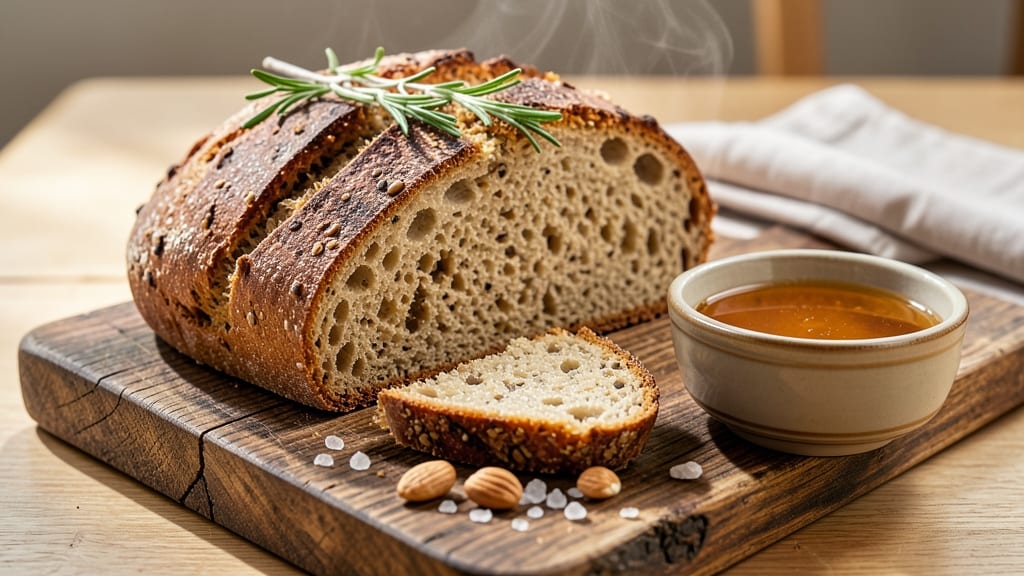
This Alpine grain bread recipe brings the heart of the Swiss Alps to your kitchen with its signature nutty crust and open, rustic crumb. 🌟 The secret lies in blending traditional alpine grains like spelt and rye with a precise dough fermentation technique that creates that coveted airy texture.
I've perfected this recipe after years of baking, ensuring every loaf delivers that authentic alpine flavor and structure that makes it irresistible.
The beauty of this bread lies in its simplicity and versatility. With just a handful of quality ingredients—flour, water, yeast, and a touch of salt—you'll create a loaf that's both rustic and refined.
The key steps include a proper fermentation period and careful shaping to achieve that iconic open crumb structure. This bread isn't just delicious; it's a testament to alpine baking traditions that have been passed down for generations.
What makes this recipe truly special is the transformation that happens in the oven. The crust develops a beautiful golden-brown color with those coveted nutty notes, while the interior remains wonderfully open and airy.
Each slice reveals layers of texture that make it perfect for sandwiches, toast, or simply enjoying with butter. The aroma alone will transport you to alpine pastures, making every bite feel like a taste of tradition.
Whether you're serving it alongside a hearty alpine stew or using it to make elegant sandwiches, this bread brings rustic charm to any table. The recipe includes optional variations with seeds or herbs for added flavor, allowing you to customize it to your taste.
Let's get started on creating this timeless loaf that captures the essence of alpine cuisine.
Ingredients for alpine grain bread
Four flours, one yeast, and a touch of alpine magic. Here's what you need to bake that perfect rustic loaf.
| Ingredient | Amount | Notes |
|---|---|---|
| Spelt Flour 🌾 | 2 cups | Stone-ground preferred for texture |
| Rye Flour 🌾 | 1 cup | Dark rye for authentic alpine flavor |
| All-Purpose Flour 🌾 | 1 cup | For structure and rise |
| Active Dry Yeast 🍞 | ¼ tsp | Fresh yeast for best activation |
| Warm Water 💧 | 1 ¼ cups | 105-110°F for yeast activation |
| Honey 🍯 | 1 tbsp | Feeds yeast for better rise |
| Sea Salt 🧂 | 1 ½ tsp | Fine grain preferred |
| Extra-Virgin Olive Oil 🫒 | 1 tbsp | For dough elasticity |
| Sunflower Seeds 🌻 | ¼ cup | Optional for alpine crunch |
| Sesame Seeds 🌿 | 1 tbsp | Optional for nutty flavor |
| Cornmeal 🌽 | ¼ cup | For dusting and crust texture |
The flours are the heart of this bread. King Arthur or Bob's Red Mill spelt and rye flours are my go-tos—they've got that perfect alpine nuttiness. If you can't find spelt, whole wheat flour works in a pinch, but the texture won't be quite the same. The yeast? Fresh is best, but active dry works fine if you proof it properly. For the water, use a thermometer—too hot and you'll kill the yeast, too cold and it won't activate. I always keep a small pot of water heating on the stove so I can adjust the temperature precisely. The honey isn't just for sweetness—it feeds the yeast for a better rise.
No sunflower seeds? Pumpkin seeds or flaxseeds work great for that crunchy texture. Swapping the rye flour? Barley flour adds depth, but it's heavier. The olive oil matters here—extra-virgin has better flavor, but any neutral oil will work. For the salt, I always use Diamond Crystal because it dissolves better. If you're making this ahead, the dough can ferment overnight in the fridge—just bring it to room temp before shaping. The cornmeal isn't just for dusting; it adds that beautiful golden crust that's signature to alpine breads. Pro tip: toast your seeds lightly before adding to the dough for extra flavor.
This dough is a patient one—let it ferment for at least 2 hours at room temperature, or overnight in the fridge. The longer it ferments, the more flavor develops. Shape it gently to avoid deflating the air bubbles that create that open crumb. For storage, wrap tightly in a cotton towel or beeswax wrap to keep it moist. Keeps 3-5 days at room temperature, but it's best enjoyed fresh. Freeze shaped loaves (unbaked) for up to 3 months—just thaw overnight before baking. The aroma when it comes out of the oven? Worth every minute of waiting.
Why You'll Love This Recipe
- No-Knead Magic: I swear by this method—just mix, let it rise overnight, and bake. The spelt and rye blend does all the work while you sleep, giving you a rustic loaf without a single punch or stretch.
- Earthy Crunch: That perfect balance of nutty spelt, deep rye tang, and crispy crust? It’s the kind of bread that makes you pause mid-bite. Honestly, it’s the only way I’ll eat bread now.
- Weeknight Wonder: Toss together the dough in the evening, wake up to a golden loaf. It’s my go-to for sandwiches, toast, or even crumbled over salads—no fancy prep, just pure satisfaction.
- Budget-Friendly Staple: A single batch costs pennies and keeps for days. Between us, I’ve fed a houseful with this—it’s the kind of bread that disappears fast but never breaks the bank.
Step-by-step instructions for alpine grain bread
Here's how to craft that perfect alpine texture—rustic crumb and nutty crust guaranteed.
👨🍳 Step 1: Activate the Yeast with Honey and Warm Water
In a medium bowl, whisk together the 1.25 cups warm water (between 105-110°F) with the 1 tbsp honey and 0.25 tsp active dry yeast. Let it sit for 5-7 minutes until you see frothy bubbles forming on the surface—this confirms your yeast is alive and ready to work. If no bubbles appear after 10 minutes, your yeast might be expired.
Here's the thing—I always double-check the water temperature with my thermometer. Too hot and you'll kill the yeast; too cold and it won't activate properly. The honey here isn't just for sweetness—it feeds the yeast for a better rise. Stir gently after those 5 minutes to see those bubbles start working their magic.
👨🍳 Step 2: Mix the Flours and Hydrate the Dough
In a large bowl, combine the 2 cups spelt flour, 1 cup rye flour, and 1 cup all-purpose flour. Make a well in the center and pour in the yeast mixture along with the 1 tbsp extra-virgin olive oil. Add the 1.5 tsp sea salt and begin mixing with a wooden spoon or dough whisk.
You'll want to mix until the dough starts coming together but still looks shaggy. I like to wet my fingers slightly and press down on the dough—if it springs back slowly, it's ready. The rye flour gives that authentic alpine flavor, while the all-purpose flour provides structure. Don't worry if it looks dry at first; the dough will come together as you knead.
👨🍳 Step 3: Knead Until Elastic and Smooth
Turn the dough onto a lightly floured surface and knead for 8-10 minutes until smooth and elastic. I press down with my knuckles and fold the dough over itself—this helps develop the gluten that gives bread its chewy texture. The dough should feel slightly tacky but not sticky; if it's too sticky, add 1 tablespoon of flour at a time until it's just right.
Here's where it gets fun—toss the dough in the air occasionally and catch it. If it holds together, you're good to go. The olive oil in this dough makes it more elastic than traditional bread dough, which helps create that open crumb structure we're after. Once the dough is smooth and springy, shape it into a round loaf and place it back in the bowl.
⏰ Step 4: First Rise and Seed Preparation
Lightly oil the bowl, cover with a damp kitchen towel, and let the dough rise in a warm place for 1-1.5 hours or until doubled in size. While it's rising, toast the 0.25 cup sunflower seeds and 1 tbsp sesame seeds in a dry skillet over medium heat for 3-4 minutes until golden and fragrant. Set aside to cool.
I always check the dough's readiness by pressing two fingers gently into the dough—if it springs back slowly, it's ready. The seeds add that alpine crunch and nutty flavor we're aiming for. Don't rush this rise; patience here means better flavor development. Once the dough has risen, punch it down gently to release air bubbles and shape it into your desired loaf form.
🍳 Step 5: Shape, Proof, and Bake to Golden Perfection
Transfer the shaped dough to a baking sheet dusted with 0.25 cup cornmeal. Sprinkle the toasted seeds evenly over the top and let it proof for another 30-45 minutes until it's puffy and nearly doubled again. Preheat your oven to 375°F while the dough proofs—this ensures it goes straight into a hot oven.
Bake for 30-35 minutes until the crust is deep golden brown and sounds hollow when tapped on the bottom. The internal temperature should reach 190-200°F. That nutty crust is what makes this alpine bread special—it's crisp on the outside but still soft and open inside. Let it cool on a wire rack for at least 20 minutes before slicing to allow the crumb to set properly.
Pro Tips For Making Alpine Grain Bread
- Bloom the Yeast First: Skip mixing yeast straight into dry flour—it’s like starting a car without warming the engine. Instead, dissolve it in warm water (105–110°F) with a pinch of sugar (or honey) and let it foam for 5–10 minutes. This guarantees your spelt-rye blend gets a strong lift, not a sad, flat loaf.
- Mix Rye Last: Rye flour absorbs water like a sponge and can kill your dough’s structure. Add the all-purpose and spelt first, then fold in rye after the dough comes together. This keeps your bread light, not dense—no one wants a brick disguised as rustic.
- Don’t Over-Knead: Alpine grain bread isn’t a baguette—it’s got enough toughness from rye and spelt. Knead just until the dough cleans the bowl (about 5–7 minutes by hand). Overwork it, and you’ll end up with a chewy, gummy mess instead of a tender crumb.
- Steam the Oven: This isn’t optional. Place a metal tray on the bottom rack, pour in 1 cup of boiling water, then close the door immediately. The steam mimics bakery ovens and gives your crust that crisp, golden bite—no sad, pale loaves here. (Yes, even if you’re impatient like me.)
Troubleshooting this recipe
Dough Too Sticky?
If your dough feels overly sticky during kneading, it’s likely due to the high moisture content from the rye and spelt flours. I recommend adding flour 1 tablespoon at a time while kneading until the dough becomes just tacky but not dry.
Avoid over-flouring, as this can make the bread dense. For extra insurance, chill the dough for 30 minutes before shaping—this firms up the gluten structure and makes handling easier. 💫
Poor Rise or Flat Bread?
A flat loaf usually means your yeast didn’t activate properly or the dough didn’t ferment long enough. Double-check your water temperature—it should be 105-110°F to activate yeast without killing it.
Let the dough rise in a warm spot (like a turned-off oven with a bowl of hot water inside) for at least 1-1.5 hours. If using active dry yeast, proof it in warm water with honey for 5-7 minutes before mixing to ensure it’s alive. 🍞
Crust Too Pale or Soft?
For that signature alpine crust, preheat your oven to 375°F and bake until the bread reaches an internal temperature of 190-200°F. If the crust isn’t browning enough, try brushing the top with a little water or milk before baking for a crispier finish.
For extra color, bake at 400°F for the last 5-10 minutes. The cornmeal dusting also helps create that golden crust—don’t skip it! 🌟
Dense or Gummy Texture?
A dense crumb often means over-kneading or insufficient gluten development. Knead just until the dough is smooth and elastic (8-10 minutes), then let it rest before shaping. If the bread turns out gummy, it might be underbaked—always check the internal temperature with a thermometer.
For a lighter texture, ensure your yeast is fresh and the dough ferments long enough (overnight in the fridge works wonders!). 💡
Seeds Not Sticking?
Toast your seeds thoroughly (3-4 minutes in a dry skillet) to enhance their flavor and make them stick better to the dough.
Press them gently into the top of the loaf before the final proof, and consider brushing the dough with a little egg wash (1 egg yolk + 1 tbsp water) to help them adhere.
If they still won’t stick, try sprinkling them right after the bread comes out of the oven while it’s hot. 🌻
Storage Issues: Stale Too Quickly?
To keep your alpine bread fresh longer, store it in a cotton towel or beeswax wrap at room temperature. For extra moisture, place a slice of apple or a damp paper towel in the storage container.
If the bread dries out, revive it by wrapping it in a damp towel and heating in a 350°F oven for 5-10 minutes. Freezing shaped (unbaked) loaves for up to 3 months is another great option—just thaw overnight before baking. ❄️
Nutrition facts
Frequently asked questions
Can I substitute spelt flour with whole wheat?
You can use whole wheat flour, but expect a denser texture and stronger wheat flavor. For best results, replace spelt with a 50/50 blend of whole wheat and all-purpose flour. The rye flour already adds heartiness, so too much whole wheat may affect the open crumb structure we're aiming for.
Why does my alpine bread turn out dense?
Density often comes from over-kneading or insufficient gluten development. Knead just until smooth (8-10 minutes) and let the dough rest before shaping. Also check your yeast—it should be fresh and activated properly in warm water with honey for 5-7 minutes before mixing.
How long can I refrigerate the dough before baking?
You can refrigerate the shaped dough for up to 24 hours before baking. This actually enhances flavor! Just let it come to room temperature and proof for 1-2 hours before baking. For longer storage, freeze the shaped dough (unbaked) for up to 3 months—thaw overnight before baking.
What's the best way to achieve that nutty alpine crust?
For maximum crust development, preheat your oven to 375°F and bake until internal temperature reaches 190-200°F. Brush the top with water or milk before baking for extra browning. The cornmeal dusting and toasted seeds also contribute to that signature alpine flavor and texture.
Can I make this bread without seeds?
The seeds are optional but add great texture and flavor. If omitting, simply skip the toasting step. You can still achieve that rustic alpine character—just focus on the proper fermentation and baking techniques that create the open crumb structure.