
Side Dishes
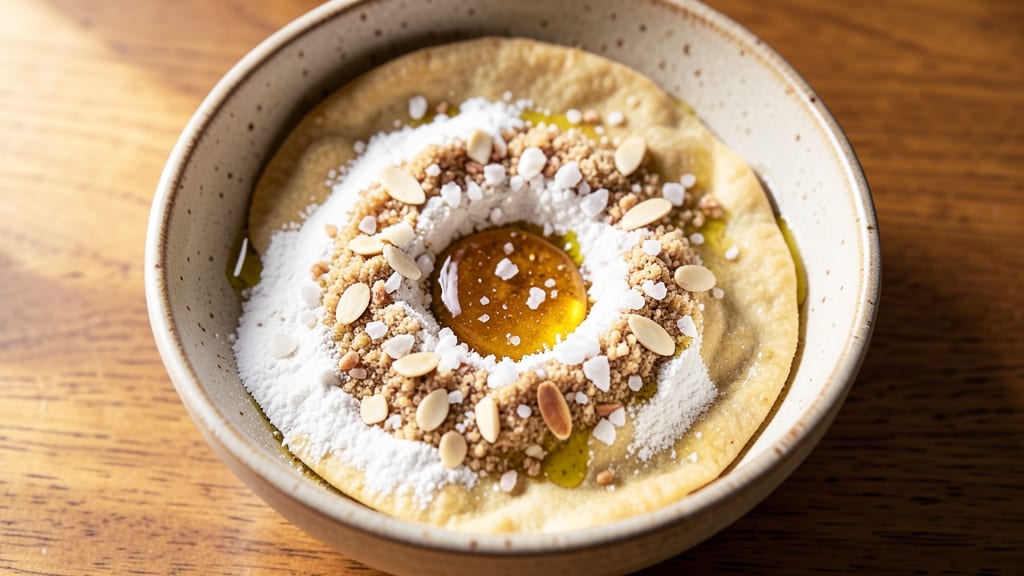
This almond pita bread recipe transforms ordinary pita into a nutty, crisp-edged delight with every pocket. The secret lies in blending ground almonds into the dough, creating a delicate crunch that balances perfectly with the soft interior.
I developed this version after years of experimenting with Middle Eastern breads, and it's become a staple in my kitchen for everything from wraps to dipping.
The dough comes together with simple ingredients—flour, yeast, almonds, and a touch of honey—yet the almonds elevate it to something extraordinary. Unlike traditional pita, this version bakes up with a golden, crisp exterior that gives way to a tender, airy center.
The key is proper shaping and a hot oven to achieve that signature pocket formation without cracking.
What you'll end up with is a batch of pita bread that's perfect for stuffing with falafel, hummus, or grilled meats. The almonds add a subtle nutty flavor that pairs beautifully with Mediterranean spices, while the texture remains light and fluffy.
Each piece stays fresh for days when stored properly, making it ideal for meal prep.
This recipe is beginner-friendly but delivers restaurant-quality results. With just 30 minutes of active time and 15 minutes in the oven, you'll have warm, fragrant pita bread that's worth every effort. Let's get started on creating your own batch of almond-infused perfection.
Ingredients for almond pita bread
Eight simple ingredients transform basic pita into nutty, crisp-edged perfection every time.
| Ingredient | Amount | Notes |
|---|---|---|
| All-Purpose Flour 🌾 | 3 ½ cups | Spooned and leveled for accuracy |
| Ground Almonds 🥜 | 1 cup | Finely ground for even texture |
| Instant Yeast 🍞 | ½ tsp | Ensures quick activation |
| Granulated Sugar 🍚 | 1 tbsp | Feeds yeast for rise |
| Honey 🍯 | 1 tbsp | Adds subtle sweetness |
| Salt 🧂 | 1 tsp | Diamond Crystal preferred |
| Warm Water 💧 | 1 ¼ cups | 110°F for ideal yeast activation |
| Olive Oil 🫒 | 2 tbsp | Extra-virgin for richness |
| Semolina Flour 🌾 | ¼ cup | For dusting and crisp edges |
The almonds make this special. Look for finely ground almonds at health food stores or bulk bins—they should be smooth, not gritty. Trader Joe's and Whole Foods carry good options, but the bulk section at regular grocery stores works too. If you're using whole almonds, pulse them in a food processor until they're powdery. The yeast is key—make sure your water is warm but not hot (110°F is ideal). Too hot and it kills the yeast, too cold and it won't activate. I always test mine by dropping a bit of dough in water—if it floats, it's ready.
No semolina? All-purpose flour works in a pinch, but the texture won't be quite as crisp. Short on almonds? Substitute walnuts or cashews—just grind them extra fine. The honey can be swapped for maple syrup if you prefer, but honey adds that perfect touch of sweetness. If your dough feels too sticky, add a bit more flour. Too dry? A splash of water helps. The olive oil matters here—extra-virgin gives the best flavor, but any good-quality oil will work. And trust me, the semolina on the baking sheet is worth it for that crispy pocket.
Freshly baked pita stays soft for 2 days if wrapped tightly in a clean kitchen towel. For longer storage, freeze the shaped dough balls (before baking) for up to 3 months30 seconds per side to revive that golden crunch. Perfect for meal prep—make a big batch and freeze extras for quick lunches all week.
Why You'll Love This Recipe
- No-Knead Magic: I swear by this dough—just mix, let it rise, and roll. The ground almonds cut the work in half, so no punchy arms or sticky counters. Honestly, I make a double batch while I fold laundry.
- Sweet Crunch Surprise: That honey and sugar combo? It caramelizes just enough to give every bite a subtle, buttery crunch. The almonds add this nutty depth that turns plain hummus into a flavor party.
- Weeknight & Picnic Hero: Freezes like a dream for quick lunches, and the pockets hold everything—gyros, falafel, even a simple cheese spread. Between us, my kids beg for these at school parties because they’re easy to share.
- Budget-Friendly Upgrade: Uses pantry staples but feels fancy—ground almonds stretch the dough further than regular pita. I buy them in bulk, and the yeast does all the heavy lifting. Not the prettiest, but the taste makes up for it every time.
Step-by-step instructions for almond pita bread
Here's how to make pillowy pockets with nutty crunch—no fancy equipment needed.
Mix the Dough with Wet and Dry Ingredients
In a large mixing bowl, combine the 3.5 cups all-purpose flour, 1 cup ground almonds, 0.5 tsp instant yeast, 1 tbsp granulated sugar, 1 tbsp honey, and 1 tsp salt. Whisk everything together until the ground almonds are evenly distributed and no dry spots remain. This ensures the yeast activates properly and the almond flavor spreads throughout.
Next, create a well in the center and pour in the 1.25 cups warm water (about 110°F) and 2 tbsp olive oil. Using a wooden spoon or your hands, gradually mix the wet ingredients into the dry until a shaggy dough forms. The dough will be sticky—this is normal because of the almonds and olive oil. Once combined, let the dough rest for 5 minutes while you prepare your workspace.
Knead the Dough Until Smooth and Elastic
Lightly flour a clean surface and turn out the dough. Knead for 8-10 minutes until the dough becomes smooth, elastic, and slightly tacky. The almonds will make it denser than regular pita dough, so don’t worry if it doesn’t feel as light as bread dough. Press down firmly and fold the dough over itself, rotating as you go, to develop gluten without overworking it.
After kneading, shape the dough into a ball and place it back in the mixing bowl. Cover the bowl with a damp kitchen towel or plastic wrap and let it rise in a warm spot for 1 hour, or until it has nearly doubled in size. You’ll know it’s ready when the dough feels spongy and springs back slowly when pressed gently. If it doesn’t rise much, the yeast might need a warmer environment—try placing the bowl near a turned-off oven with the light on.
Divide and Shape the Dough into Pita Balls
Once the dough has risen, punch it down to release any air bubbles and divide it into 8 equal pieces (about 2 ounces each). Roll each piece into a smooth ball, then flatten it slightly into a disc about ½-inch thick. This shape ensures even cooking and those signature pockets. Place the discs on a parchment-lined baking sheet, cover them with a towel, and let them rest for 15 minutes while you preheat the oven.
Preheat your oven to 450°F with a pizza stone or inverted baking sheet on the middle rack. This high heat is key for creating those crispy, puffed pockets. While the oven heats, lightly dust the tops of the pita discs with 0.25 cup semolina flour—this adds texture and prevents sticking. The semolina will give your pitas that rustic, crispy edge you can’t get with regular flour.
Bake Until Golden and Puffed
Bake the pitas for 8-10 minutes until they’re golden brown on top and puffed in the center. The edges should look slightly crispy, but the middle should still feel soft when pressed gently. Rotate the baking sheet halfway through for even browning. If your oven runs hot, start checking at the 7-minute mark—overcooking can dry them out.
As soon as they’re done, transfer the pitas to a wire rack to cool for 5 minutes. This resting time prevents them from getting soggy as they steam. Once cooled, they’ll have a crisp exterior and a soft, pillowy interior—perfect for stuffing with falafel, hummus, or grilled meats. Store any leftovers in an airtight container for up to 3 days, or freeze for longer storage.
Pro Tips For Making Almond Pita Bread
- Mix Almonds First: Mix the ground almonds with the flour before adding wet ingredients—this prevents clumpy dough and ensures even distribution. I learned this the hard way when my first batch turned into a sticky mess.
- Use Warm Honey: Dissolve the honey in warm water (not hot) before mixing—this helps the yeast activate faster and gives the dough a smoother texture. Cold honey just sits there like a stubborn guest.
- Don’t Overwork the Dough: Once the dough comes together, handle it just enough to form balls—overmixing makes it tough. I used to knead like I was punishing it, and the pitas turned out dense.
- Let Dough Rise Twice: Give the dough a first rise until puffy (about 1 hour), then shape and let it rest another 15–20 minutes before baking. Skipping the second rise means flatter, less flavorful pitas—trust me, it’s worth the wait.
Regional styles of these flavors
Middle Eastern Classic
This recipe draws direct inspiration from traditional shrak—the crispy, pocketed flatbreads of Lebanon and Syria. The almonds replace some of the flour, mirroring how Middle Eastern bakers sometimes incorporate nuts for texture and nutrition.
In Beirut cafés, you’ll often find manakeesh (a similar flatbread) topped with za’atar and olive oil—this version keeps that same crispy-yet-soft balance but with the nutty depth of almonds. 🌿
Turkish Simit Twist
Turkey’s simit (sesame-coated bread rings) inspired the semolina dusting technique here. While simit uses sesame, the semolina creates a similar crispy edge. For a true Turkish adaptation, brush the baked pitas with melted butter and sprinkle 1 tsp sesame seeds before serving.
The almonds add a subtle sweetness that pairs beautifully with Turkish cheese like beyaz peynir or spicy sucuk sausage.
Greek Focaccia Fusion
Greek focaccia brings the olive oil richness to this recipe, while the almonds add a Mediterranean nutty note. For a Greek-inspired version, mix 1 tbsp dried oregano into the dough and top with 1 tbsp chopped kalamata olives before baking.
The high heat of 450°F creates those signature pockets, just like traditional focaccia—but with the nutty crunch that sets this apart. 🍅
Modern American Adaptation
For a contemporary take, swap the semolina for 1 tbsp crushed pistachios before baking. The nutty flavor bridges the almonds and adds visual contrast. Serve with whipped feta dip (mix ½ cup feta, 2 tbsp Greek yogurt, and 1 tsp lemon juice) for a brunch-worthy spread.
This version keeps the traditional technique but updates it for American palates with familiar flavors.
Moroccan Msemen Style
Morocco’s msemen (flaky, round flatbreads) share the high-heat baking principle. For a Moroccan twist, add ½ tsp ground cumin and ½ tsp smoked paprika to the dough. After shaping, brush the discs with 1 tbsp melted ghee before baking.
The almonds complement the warm spices perfectly, while the ghee adds a luxurious richness that’s quintessential in Moroccan cuisine.
Nutrition facts
Frequently asked questions
Can I make this almond pita bread without ground almonds?
Yes, but the texture and flavor will change. For best results, use 1 cup finely ground almonds—either store-bought or homemade (pulse whole almonds in a food processor). If you must substitute, try ½ cup almond flour + ½ cup walnut flour for a similar nutty taste, though the texture may be slightly denser.
Why did my pita bread not puff up properly?
Puffing depends on three key factors: oven heat, dough temperature, and steam. First, ensure your oven reaches 450°F (use an oven thermometer if unsure). Second, let the shaped dough rest 15 minutes before baking—this relaxes the gluten. Finally, place a metal bowl of water on the oven rack to create steam during the first 3 minutes of baking.
How do I store leftover almond pita bread?
For short-term freshness, wrap cooled pitas in a clean kitchen towel and store in an airtight container for 2-3 days. To revive crispiness, toast in a dry skillet over medium heat for 20-30 seconds per side. For longer storage, freeze shaped dough balls (unbaked) for up to 3 months—bake straight from frozen, adding 1-2 extra minutes.
Can I add herbs or spices to the dough?
The dough handles 1 tbsp dried herbs (like thyme or rosemary) or ½ tsp spices (cumin, paprika) beautifully. For a Middle Eastern twist, add 1 tsp za’atar to the dough and sprinkle extra on top before baking. Just remember: herbs reduce the dough's elasticity slightly, so knead 1-2 minutes longer to maintain structure.
Is this recipe gluten-free?
No, this recipe contains 3.5 cups all-purpose flour and isn't gluten-free. For a GF version, replace all flour with a 1:1 gluten-free flour blend (like Bob's Red Mill) and increase the ground almonds to 1.5 cups—this helps with texture. Note that GF pitas may not puff as dramatically and need 5-10°F higher heat for best results.