
Side Dishes
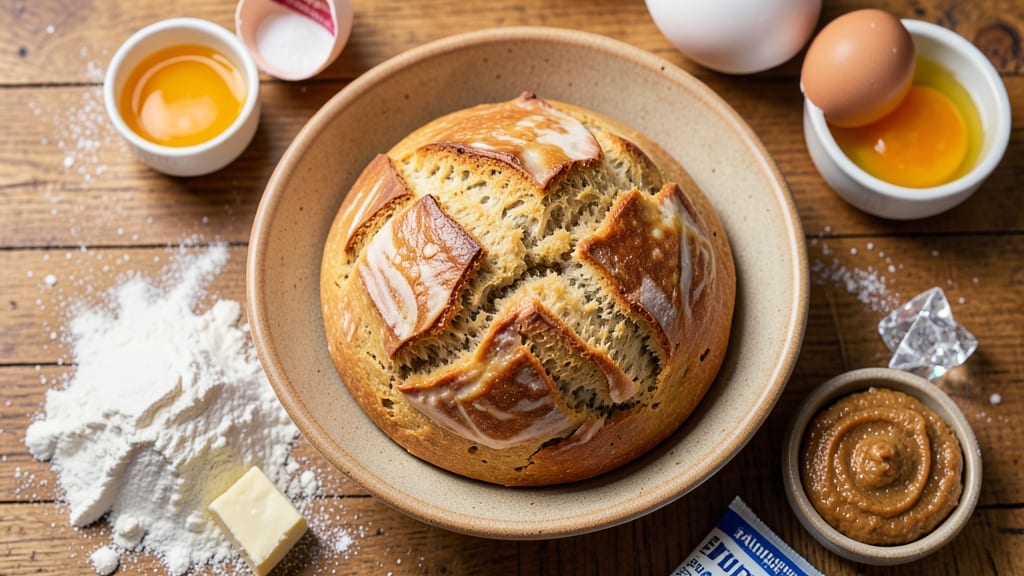
This almond paste bread recipe transforms ordinary loaves into golden, nutty masterpieces with every bite. The secret lies in swirling rich almond paste into buttery dough, creating layers of crunchy crust and tender crumb that disappear faster than you can say "second slice."
I perfected this technique after years of experimenting with European-style breads—where texture meets indulgence in every forkful.
What sets this recipe apart is the balance of simplicity and sophistication. You'll work with just seven core ingredients, but the almond paste adds depth that elevates it beyond basic bread. The dough requires minimal kneading, and the proofing process creates that signature open crumb structure we all crave.
Baking at 350°F for 30-40 minutes yields a loaf with a crackly crust that gives way to moist, almond-kissed interior—proof that great bread doesn't require complicated techniques.
The result is a loaf that's equally stunning sliced for breakfast toast or served as an elegant side. The nutty aroma fills your kitchen as it bakes, while the finished bread delivers that perfect combination of crispy exterior and tender crumb.
Whether you're pairing it with jam for breakfast or serving alongside soups, this bread becomes the star of any meal.
For those with dietary preferences, I'll note that this traditional version includes eggs and butter, but I've included a foolproof vegan adaptation in the variations section. The key to success?
Don't skip the cold butter in the dough—it creates those beautiful flaky layers that make this bread truly special. Let's get started on creating your perfect loaf.
Ingredients for almond paste bread
Seven simple ingredients transform into golden, nutty bread with layers of crunch and tender crumb.
| Ingredient | Amount | Notes |
|---|---|---|
| All-Purpose Flour 🌾 | 4 cups | Spooned and leveled for accuracy |
| Unsalted Butter 🧈 | ½ cup | Cold, cubed for flaky layers |
| Granulated Sugar 🍚 | ¼ cup | For subtle sweetness balance |
| Large Eggs 🥚 | 2 whole | Room temperature for even mixing |
| Almond Paste 🥜 | ½ cup | High-quality, smooth texture |
| Instant Yeast 🍞 | 1 tsp | Freshly opened for activation |
| Salt 🧂 | ½ tsp | Fine sea salt preferred |
| Milk 🥛 | ¼ cup | Warm for yeast activation |
| Vanilla Extract 🌸 | 1 tsp | Pure vanilla for aroma |
The almond paste makes this bread special. Look for high-quality, smooth almond paste—the kind without added oils or fillers. Whole Foods or specialty baking stores carry the best brands like La Tourangelle, which has that perfect balance of sweetness and nuttiness. If you can't find it, homemade almond paste works too (just blend almond flour with a bit of sugar and water). The butter needs to be cold—cut it into small cubes and keep it in the fridge until you're ready to mix. Fresh yeast is non-negotiable here; that packet you've had for months won't activate properly.
No almond paste? Mix 0.25 cup almond flour with 2 tbsp sugar and 1 tbsp water as a substitute—it won't be identical, but it'll add that nutty depth. Using non-fat milk? Warm it up first—room temperature milk won't activate the yeast. The vanilla extract can be swapped for 1 tsp vanilla sugar if you're out, but fresh extract gives that signature aroma. For a richer dough, add 1 tbsp honey to the warm milk mixture. And if you're worried about over-proofing, use a digital thermometer—the dough should reach about 75°F before baking.
This dough is a bit sticky, so wet your hands with water when handling it. Store any unused almond paste in an airtight container in the fridge for up to 3 months. The shaped loaf keeps well in a bread bag at room temperature for 2-3 days, but it reheats beautifully—wrap in foil and warm at 300°F for 10 minutes to restore that fresh-baked aroma. Freeze the shaped loaf for up to 1 month—just thaw overnight on the counter before baking.
Why You'll Love This Recipe
- No-Fuss Dough: Mixing this dough is like playing with butter and flour—no kneading, no fuss. Just fold the almond paste into the butter-softened dough, and you’re done. Honestly, I’ve made it while chatting on the phone, and it still turns out golden and tender.
- Almond Buttercream Magic: That creamy almond paste isn’t just flavor—it’s the star. The bread has this subtle, nutty richness that pairs perfectly with jam or just on its own. My kids think it’s “fancy,” but it’s really just a secret weapon for breakfast or dessert.
- Weekend or Weeknight: Slice it for toast in the morning, pack it for lunch, or serve it warm with butter. I’ve even used it as a base for French toast—because why not? It’s that kind of reliable.
- Budget-Friendly Luxury: You’d pay $10 for a single slice at a café, but this recipe stretches into a whole loaf. The almond paste gives it that gourmet touch without breaking the bank, and leftovers? They disappear faster than I can say “second slice.”
Step-by-step instructions for almond paste bread
Let's create a tender, nutty-sweet loaf with golden crust and flaky layers—every bite will be worth the effort.
Mix the Dough for a Light, Airy Base
In a large mixing bowl, combine the 4 cups all-purpose flour, 1 teaspoon instant yeast, and ½ teaspoon salt. Whisk gently to distribute the yeast evenly through the flour—this prevents clumping and ensures even rising later. Create a well in the center and add the ½ cup cold cubed unsalted butter, ½ cup almond paste, ¼ cup granulated sugar, and 2 whole room-temperature eggs. Pour in the ¼ cup warm milk and 1 teaspoon vanilla extract into the well.
Using a wooden spoon or dough whisk, gradually incorporate the wet ingredients into the dry mixture, starting from the edges and working toward the center. Once combined, switch to your hands and knead the dough for about 5 minutes until smooth and elastic. The dough should feel slightly tacky but not sticky—if it's too wet, add 1 tablespoon more flour at a time until it reaches the right consistency. Cover the bowl with a damp towel and let it rest at room temperature for 30 minutes. This resting period relaxes the gluten, making the dough easier to shape later.
Create the Signature Almond Swirls
After the dough rests, divide it into three equal portions (about 1⅓ cups each). Roll each portion into a 12-inch log, keeping them loose and slightly irregular—this creates beautiful swirls later. Place one log horizontally on a parchment-lined baking sheet, then gently drape the other two logs diagonally across it, overlapping slightly. Cover the baking sheet loosely with plastic wrap and let the dough rise in a warm place for 1 to 1½ hours, or until nearly doubled in size. You'll know it's ready when the dough springs back slowly when gently pressed.
Preheat your oven to 350°F while the dough rises. This gentle temperature ensures the bread bakes evenly without burning the top. Once the dough has risen, remove the plastic wrap and carefully tuck the ends of the logs under the main body to seal them in. This step prevents the swirls from unraveling during baking. Brush the top lightly with a bit of milk (about 1 tablespoon) for a golden finish.
Bake to a Golden, Crusty Perfection
Bake the bread for 45 to 50 minutes, until the top is deep golden brown and the internal temperature reaches 190°F when measured with an instant-read thermometer. The bread is done when it sounds hollow when tapped on the bottom. If the top browns too quickly, tent the bread with aluminum foil for the last 10 minutes of baking to prevent over-browning while the center finishes cooking.
For the best texture, let the bread cool on a wire rack for at least 20 minutes before slicing. This resting period allows the moisture to redistribute, preventing a gummy crumb. Once cooled, slice the bread into ½-inch thick pieces to reveal those beautiful almond swirls. The crust should be crisp and fragrant, while the interior remains soft and tender with a subtle sweetness from the almond paste.
Store for Freshness (Optional)
If you're not serving the bread immediately, store it in an airtight container at room temperature for up to 3 days. For longer storage, wrap individual slices in plastic wrap and freeze them for up to 1 month. To reheat, warm slices in a 350°F oven for 5 to 7 minutes until toasty and fragrant again. This bread is perfect for breakfast toast, French toast, or as a delicious accompaniment to soups and salads.
Pro Tips For Making Almond Paste Bread
- Chill the Dough: I learned this the hard way—skipping the 30-minute fridge rest makes the almond paste fight back. The butter and eggs stay too soft, and the bread collapses when you try to shape it. Let it firm up, even if you’re impatient to bake.
- Sift the Almond Paste: Almond paste is dense, and clumps are the enemy of even texture. Pulse it in a food processor for 10 seconds before mixing—just enough to break up lumps without turning it into almond butter. Your bread will be smoother, not grainy.
- Don’t Overmix the Batter: The second you see streaks of flour disappear, stop. Overworking the dough develops gluten, and this bread needs to stay tender. Fold just until combined—lumpy is better than tough.
- Use Room-Temp Eggs: Cold eggs make the butter seize up, and your batter will look like lumpy mashed potatoes. Let them sit out for 20 minutes first. The bread rises better, and the texture stays light—no one wants a dense almond brick.
Wine and beer pairings for this dish
Sweet White Wine
Almond paste bread’s delicate nutty sweetness pairs beautifully with crisp, aromatic white wines. I love a Sauvignon Blanc from New Zealand—its bright citrus and herbal notes cut through the richness while complementing the almond’s natural sweetness.
Look for a wine with acidity levels around 7.5 to 8.5 to balance the bread’s richness. A Pinot Grigio from Italy also works wonderfully, especially if you prefer a lighter, more approachable sip. 🍷
Dry Rosé
For a refreshing contrast, try a dry rosé with subtle berry undertones. The wine’s crispness and light fruitiness enhance the bread’s nutty aroma without overpowering it. I recommend a Provence-style rosé—its pale hue and delicate flavor profile make it a perfect match for breakfast or brunch.
If you prefer something with a bit more body, a Spanish Garnacha Rosé adds a touch of spice that pairs surprisingly well with the almond paste. 🍹
Light Beer Pairings
Beer lovers, don’t worry—there are great options! A wheat beer like Blue Moon or Hoegaarden adds effervescence that cleanses your palate between bites. The slight sweetness in these beers mirrors the almond paste’s flavor, creating harmony.
For a more robust option, try a Belgian witbier—the coriander and orange peel notes add an unexpected but delightful twist. Avoid heavy lagers or stouts, as their maltiness can clash with the bread’s delicate texture. 🍺
Coffee or Tea
If you prefer non-alcoholic pairings, a strong brewed coffee or earl grey tea works beautifully. The bitterness of coffee enhances the bread’s sweetness, while the floral notes of earl grey complement the almond’s aroma.
For a cozy morning treat, try a latte with a splash of vanilla syrup—the warmth and sweetness make the bread taste even more indulgent. 💫
Fruit-Infused Liqueurs
For a dessert-like experience, serve the bread with a sherry or amaretto. The nutty undertones in these liqueurs mirror the almond paste, creating a cohesive flavor profile. A dry sherry like Fino adds a touch of sophistication, while amaretto (made with almonds!) intensifies the bread’s nutty sweetness.
Drizzle a small amount over toasted slices for an elegant finish. 🍒
Nutrition facts
Frequently asked questions
Can I make this almond paste bread without eggs?
Yes! For a vegan version, replace the 2 eggs with 2 tablespoons ground flaxseed mixed with 6 tablespoons water (let sit for 5 minutes to thicken). You may need to add 1 extra tablespoon flour since flaxseed makes the dough slightly wetter. The texture will be slightly denser but still delicious.
Why does my dough feel too sticky?
Almond paste contains natural oils that make the dough extra sticky. If it's too wet, add 1 tablespoon flour at a time until it becomes pliable but still slightly tacky. Wet your hands before handling it—this prevents sticking. The dough should feel like soft playdough, not glue!
How do I prevent the swirls from unraveling during baking?
Tuck the ends of the dough logs under the main body before baking to seal them in. For extra security, gently press the edges together with your fingers. If you notice gaps, use a bit of water to dampen and stick them back. The swirls will hold beautifully once baked!
Can I use almond butter instead of almond paste?
Not directly—almond butter is too oily and liquidy for bread dough. However, you can make a quick substitute by mixing ½ cup almond flour with 2 tablespoons sugar and 1 tablespoon water until it forms a thick paste. It won't be identical but will add nutty flavor. For best results, stick with high-quality almond paste.
How do I know when the bread is fully baked?
Look for a deep golden brown crust and use an instant-read thermometer to check the internal temperature—it should reach 190°F. Tap the bottom: it should sound hollow. If the top browns too fast, tent with foil for the last 10 minutes to finish cooking the center.