
Main Courses
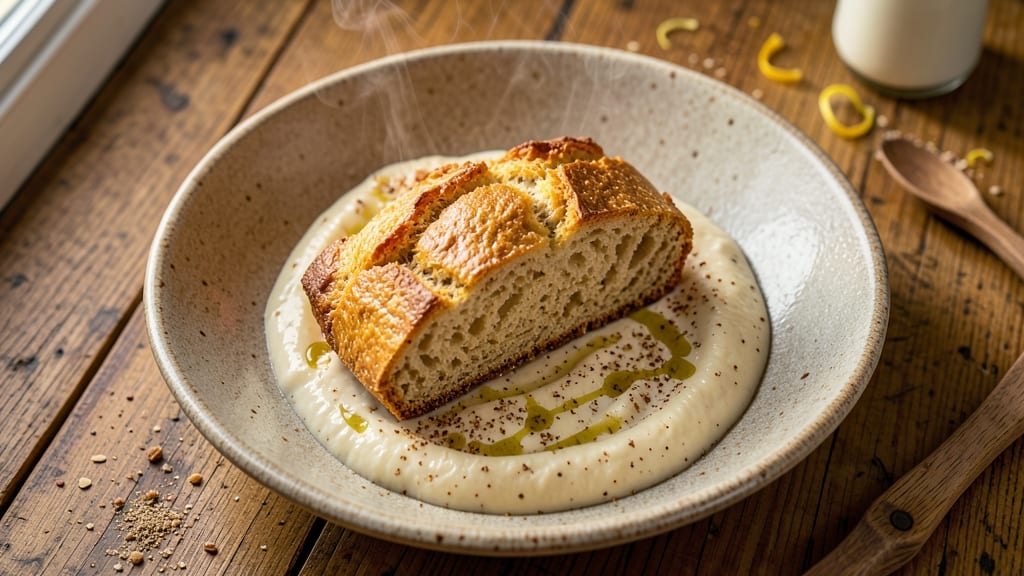
This almond flour bread recipe with psyllium husk delivers a light, airy crumb that rivals traditional wheat bread—without any gluten. The secret lies in psyllium husk, which acts as a natural binder and leavener, creating structure while keeping the texture tender.
After years of perfecting gluten-free baking, I’ve developed a method that yields bread with a golden crust and a crumb so delicate it’ll surprise even skeptics.
The beauty of this recipe is its simplicity: just five core ingredients and 30 minutes of active time, with most of the work happening during baking. Psyllium husk absorbs liquid to form a gel, mimicking gluten’s elasticity, while almond flour adds richness and a subtle nutty flavor.
Unlike dense gluten-free loaves, this bread stays moist for days, making it perfect for toast, sandwiches, or serving alongside soups.
What sets this apart is the foolproof technique—no complicated steps or last-minute fixes. The psyllium husk activates during mixing, creating a dough that’s easy to shape and bakes up with a restaurant-quality rise.
Whether you’re gluten-free, grain-free, or simply curious about almond flour baking, this recipe delivers results that feel indulgent without compromise.
The best part? It’s versatile enough to adapt—add seeds for extra crunch, sweeten the dough for a quick cinnamon loaf, or use it as a base for garlic bread. Let’s get started on a loaf that’ll have everyone asking for seconds.
Ingredients for almond flour bread recipe with psyllium husk
Five core ingredients transform into a gluten-free loaf with restaurant-quality texture and days-long freshness.
| Ingredient | Amount | Notes |
|---|---|---|
| Almond Flour 🌰 | 3 cups | Finely ground, unsweetened preferred |
| Psyllium Husk Powder 🌿 | ¼ cup | Pure, unsweetened variety |
| Warm Water 💧 | 1 ¼ cups | 100°F for optimal activation |
| Apple Cider Vinegar 🍏 | 1 tbsp | For proper psyllium activation |
| Extra-Virgin Olive Oil 🫒 | ¼ cup | Cold-pressed for flavor |
| Salt 🧂 | 1 ½ tsp | Fine sea salt preferred |
| Baking Powder 🍞 | 1 tsp | Aluminum-free for best results |
| Ground Flaxseed 🌾 | 1 tbsp | For omega-3 binding |
| Sesame Seeds 🌻 | 2 tbsp | For decorative topping |
Psyllium husk is the game-changer here—Bob's Red Mill or Anthony's Goods are the gold standards for pure, unsweetened powder. The almond flour should be finely ground (not almond meal) for that signature tender crumb. Warm water activates the psyllium, so 100°F is ideal—microwave it for 30 seconds if needed. Apple cider vinegar isn't just flavor; it helps the psyllium gel properly. For the olive oil, California Extra Virgin brands like Corto elevate the nutty flavor profile without overpowering. Store your almond flour in the fridge to prevent rancidity—it keeps for 6 months that way.
No psyllium husk? Chia seeds soaked in water (1 tbsp chia + 3 tbsp water = 1 tbsp psyllium) work as a substitute, though texture differs slightly. Out of apple cider vinegar? White vinegar at half the amount maintains the reaction. For the flaxseed, ground golden flax has a milder taste than brown. Sesame seeds can be swapped for poppy seeds or sunflower seeds—just toast them first for better flavor. The baking powder must be fresh; if your stash is over 6 months old, test it in a small bowl with water—it should bubble vigorously. For extra richness, consider adding 1 tbsp tahini to the dough.
This dough activates immediately—mix and shape within 10 minutes of combining wet ingredients. Shape into a loaf pan lined with parchment paper for easy removal. For longer storage, wrap the cooled loaf in beeswax wrap or foil—it stays fresh for 5 days at room temperature. Freeze for up to 3 months by slicing and wrapping individual portions. To revive stale bread, warm slices in a 200°F oven for 5 minutes. The psyllium's moisture-retaining properties mean this bread actually improves overnight—perfect for making ahead.
Why You'll Love This Recipe
- No Mixer Needed: I swear by this recipe because it’s actually no-knead, no-fuss—just stir, rest, and bake. The psyllium husk does all the heavy lifting, binding the almond flour into a light, airy loaf without a single hand cramp.
- Taste Like Real Bread: Honestly, the apple cider vinegar and olive oil give it that just-baked depth—warm, slightly tangy, with a crust that’s crisp enough to shatter. My gluten-free friends won’t believe it’s not wheat-based.
- Meal Prep MVP: This bread keeps for days in the fridge, toasts perfectly, and even reheats well. I make a batch on Sundays and use it for sandwiches, croutons, or toast—no sad, stale leftovers here.
- Budget-Friendly Luxury: Almond flour’s pricey, but the psyllium stretch makes this go further than you’d think. A single batch feeds my whole family, and the olive oil adds richness without breaking the bank. (Yes, even on a Tuesday night.)
Step-by-step instructions for almond flour bread with psyllium husk
Here's the method for a gluten-free loaf with perfect rise and texture—every detail matters.
Activate the Psyllium Husk with Warm Water
In a medium bowl, combine the 1.25 cups warm water (about 100°F) with the 1 tbsp apple cider vinegar. The vinegar helps activate the psyllium husk, creating a gel-like consistency that mimics gluten's binding properties. Add the 0.25 cup psyllium husk powder all at once and whisk vigorously for 30 seconds until fully dissolved. You should see a thick, jelly-like mixture form—this is essential for the bread's structure.
Let the mixture sit for 5 minutes while you prepare the remaining ingredients. The psyllium needs time to fully hydrate and develop its binding capacity. If you notice any lumps, whisk again briefly—this ensures even distribution and prevents dense pockets in your final loaf.
Mix Dry Ingredients and Combine Wet Components
In a separate large bowl, whisk together the 3 cups almond flour, 1.5 tsp salt, 1 tsp baking powder, and 1 tbsp ground flaxseed. The almond flour should be finely ground—any gritty texture will affect the bread's smoothness. Sift the mixture if needed to eliminate any clumps, which can lead to uneven baking.
Create a well in the center of the dry ingredients and pour in the psyllium mixture. Drizzle in the 0.25 cup extra-virgin olive oil while stirring with a spatula. Mix gently until just combined—overmixing develops gluten-like proteins in the almond flour, which can make the bread dense. The batter should be thick but workable, similar to a very stiff cookie dough.
Shape and Prepare the Loaf for Baking
Transfer the batter to a lightly greased 8x4-inch loaf pan (or two 4-inch round pans for smaller loaves). Use an offset spatula to spread the batter evenly, pressing down gently to eliminate air pockets. The psyllium mixture will help hold the shape, but firm pressure ensures a uniform rise. Sprinkle the 2 tbsp sesame seeds evenly over the top for texture and visual appeal.
Cover the pan loosely with plastic wrap and let the batter rest at room temperature for 20 minutes. This brief rest allows the psyllium to fully set and the almond flour to hydrate, which prevents cracking during baking. Preheat your oven to 350°F during this time—consistent heat is critical for even baking.
Bake Until Golden and Internal Temp Reaches 210°F
Place the prepared loaf pan in the center rack of the preheated oven. Bake for 40-45 minutes until the top is golden brown and a toothpick inserted into the center comes out clean. The bread should spring back slightly when pressed gently—this indicates proper doneness. Avoid opening the oven door during baking, as the sudden temperature drop can cause the loaf to collapse.
If the top browns too quickly, tent the pan with aluminum foil after 20 minutes to prevent over-browning while ensuring the interior cooks through. The internal temperature should reach 210°F—this is higher than typical bread due to the almond flour's lower moisture content. Let the bread cool in the pan for 10 minutes before transferring to a wire rack to cool completely.
Rest and Slice for Maximum Freshness
Allow the bread to cool completely on the wire rack for at least 1 hour before slicing. The psyllium husk continues to bind as it cools, which helps maintain the loaf's structure. Slice with a serrated knife for clean cuts—almond flour bread can be crumbly if sliced too soon or with a dull blade.
Store any leftovers in an airtight container at room temperature for up to 3 days, or freeze sliced portions for up to 3 months. The bread benefits from a brief toast in the toaster or oven before serving—this enhances its texture and brings out the nutty flavor of the almond flour.
Pro Tips For Making Almond Flour Bread Recipe With Psyllium Husk
- Mix the psyllium first: Mix the psyllium husk powder with warm water and apple cider vinegar before adding anything else—let it sit for 5 minutes until it turns into a thick, gel-like paste. I learned this the hard way: skipping this step means your dough will be sticky, uneven, and harder to shape, no matter how much you knead.
- Weigh your almond flour: Use a kitchen scale for the almond flour—don’t scoop it. Almond flour packs differently, and a "cup" can vary wildly. I used to eyeball it, and my bread would either turn out dense or crumbly. A gram-perfect measurement makes all the difference in texture.
- Don’t overmix the dough: Once you’ve combined everything, fold just until the dough comes together—maybe 10-12 strokes max. Overmixing activates the psyllium too much, and your bread will turn out gummy or rubbery. Think of it like handling a delicate omelet: gentle is the way.
- Bake at 350°F—not higher: This isn’t a "bake fast" recipe. A hot oven burns the outside before the psyllium can properly set the structure inside. I was impatient and cranked it to 375°F once, and the crust was dark and bitter while the center stayed dense. Stick to 350°F and let it bake for the full time—your bread will be light and even.
Regional styles of this recipe
Mediterranean-Inspired Style
Inspired by the sun-drenched kitchens of Greece and Turkey, this variation swaps sesame seeds for 1 tbsp finely chopped Kalamata olives and 1 tsp dried oregano mixed into the dough.
Add 2 tbsp crumbled feta cheese (omit for vegan) and a drizzle of extra-virgin olive oil after baking for a flavor profile that transports you to a seaside taverna. 🌿
Southern California Twist
For a West Coast-inspired loaf, fold in ¼ cup finely chopped walnuts and 1 tsp cinnamon for warmth. Top with a mix of 2 tbsp honey and 1 tbsp almond butter before baking, then sprinkle with toasted coconut flakes.
This sweet version works perfectly as a breakfast loaf or dessert companion.
Italian-Influenced Focaccia
Transform this into a focaccia-style flatbread by pressing the dough into a 9x13-inch baking pan and dimpling the top with your fingers. Drizzle with 2 tbsp olive oil and sprinkle with flaky sea salt and 1 tbsp rosemary before baking at 375°F for 30 minutes.
The psyllium husk keeps it tender despite the absence of gluten.
Mexican-Inspired Cornbread
Replace half the almond flour with 1.5 cups fine cornmeal for a Southwestern-inspired loaf. Add 1 tsp cumin, ½ tsp smoked paprika, and ¼ cup chopped cilantro to the dough.
Top with 2 tbsp crumbled cotija cheese (or omit for vegan) and bake as directed. Serve warm with chili or as a side for tacos.
Scandinavian Cardamom Loaf
Infuse the dough with 1 tsp ground cardamom and 1 tsp vanilla extract for a Nordic-inspired flavor. Top with 1 tbsp crushed pistachios and a light dusting of powdered sugar after baking. This lightly sweet loaf pairs beautifully with herbed butter or jam for breakfast.
Herbed Garlic Bread
For a savory twist, mix 2 minced garlic cloves, 1 tbsp chopped parsley, and 1 tsp dried thyme into the dough. After baking, brush the loaf with a mix of 2 tbsp melted butter and 1 tbsp minced garlic, then sprinkle with extra sea salt.
This version is perfect for dipping in soups or pairing with pasta dishes. 🧄
Nutrition facts
Frequently asked questions about almond flour bread with psyllium husk
Why does this bread need psyllium husk?
Psyllium husk acts as a natural gluten substitute by forming a gel when mixed with liquid, creating structure and elasticity similar to gluten. Without it, almond flour bread would crumble instead of hold together. The husk also improves moisture retention, keeping your loaf tender for days.
Can I make this bread without psyllium husk?
Yes, but the texture will be much denser. Try substituting with 1 tbsp ground chia seeds mixed with 3 tbsp water (let it sit for 5 minutes to thicken). For extra binding, add 1 extra egg (or flax egg for vegan) to the recipe. The rise won't be as light, but it'll still hold together.
How do I know when the bread is fully baked?
Look for three signs: golden brown crust, a toothpick coming out clean (no wet batter), and the internal temperature reaching 210°F. Tap the loaf gently—it should sound hollow. If the top browns too fast, tent with foil after 20 minutes to prevent over-browning while the center cooks.
Why does my almond flour bread turn out crumbly? Crumbly texture usually means the dough wasn't properly hydrated or rested.
Can I use this recipe for sandwiches?
This bread holds up beautifully for sandwiches thanks to its sturdy yet tender crumb. For extra stability, lightly toast slices before assembling. It works particularly well with avocado toast, grilled cheese, or Mediterranean wraps. The nutty flavor pairs perfectly with both savory and slightly sweet fillings.