
Main Courses
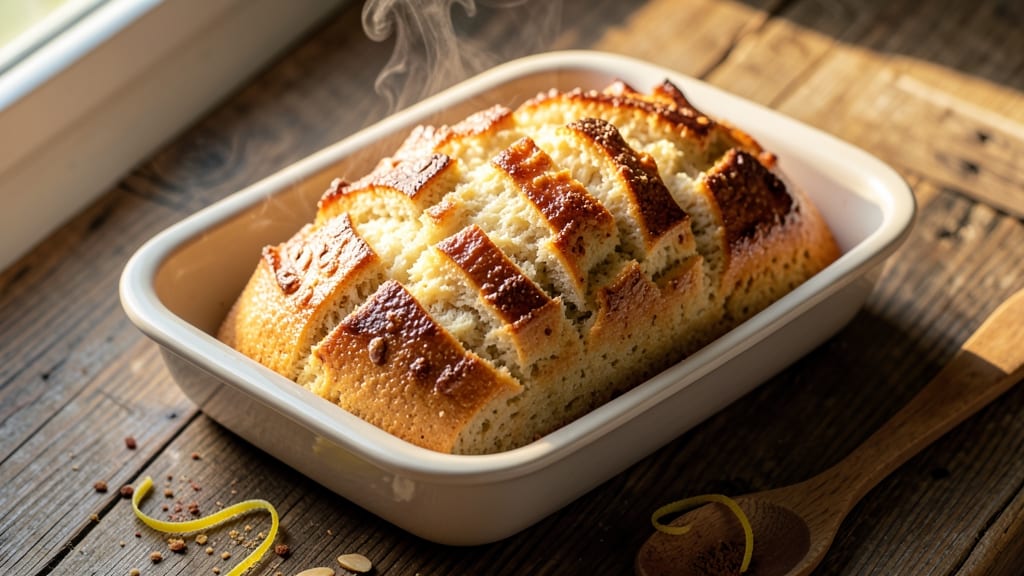
This gluten-free almond flour bread machine recipe delivers a surprisingly tender, nutty loaf that rivals traditional wheat bread—without the wait. The secret lies in balancing hydration and binding agents to create a structure that holds up to slicing, toasting, or even French toast.
I've tested countless variations, and this one consistently produces a moist, flavorful loaf with a satisfying crumb.
Almond flour's natural richness means we need to be strategic with liquids—too much, and the bread collapses; too little, and it turns dense. Using a bread machine's dough cycle (with adjustments) ensures proper mixing and development, while a touch of psyllium husk powder mimics gluten's structure.
The result? A loaf that's gluten-free but still hearty enough for sandwiches or toast.
What makes this recipe truly special is its versatility. The nutty flavor pairs beautifully with sweet or savory fillings, and the dense texture makes it ideal for French toast or bread pudding. Unlike many gluten-free breads that crumble, this one slices cleanly and reheats perfectly—no sad, gummy results here.
Perfect for those avoiding gluten but craving real bread, this recipe transforms your bread machine into a gluten-free powerhouse. Let's get started—your first loaf will be ready in just a few hours, with no special skills required.
Ingredients for almond flour bread machine recipe gluten free
Nine essential ingredients transform your bread machine into gluten-free magic.
| Ingredient | Amount | Notes |
|---|---|---|
| Almond Flour 🌰 | 2 ½ cups | Finely ground, blanched preferred |
| Psyllium Husk Powder 🌾 | ½ tbsp | Key for gluten-free structure |
| Granulated Sugar 🍚 | ¼ cup | Or coconut sugar for depth |
| Active Dry Yeast 🍞 | 1 ½ tsp | Ensure fresh, not expired |
| Warm Water 💧 | 1 ¼ cups | 110°F for optimal yeast activation |
| Unsalted Butter 🧈 | ½ cup | Softened, full-fat for richness |
| Large Eggs 🥚 | 2 whole | Room temperature for even mixing |
| Plain Nonfat Greek Yogurt 🍶 | ½ cup | Adds moisture and tanginess |
| Vanilla Extract 🌸 | 1 tsp | Pure extract for authentic flavor |
| Diamond Crystal Kosher Salt 🧂 | 1 tsp | Fine grain for even distribution |
| Apple Cider Vinegar 🍎 | 1 tbsp | Activates psyllium husk |
| Extra-Virgin Olive Oil 🫒 | ¼ cup | Light flavor, not overpowering |
Almond flour is the star—Bob's Red Mill or Anthony's Goods are my go-tos for consistency. The psyllium husk powder might be hard to find at regular grocery stores, but Trader Joe's carries it, or check the gluten-free baking aisle. For the yeast, Saf-Instant is my secret weapon—it activates without proofing, saving time. If you're using a different brand, make sure it's active dry yeast, not rapid-rise. The butter should be soft but not melted—just press it with your finger to test. And if you're worried about the eggs, room temperature is key for even mixing in the bread machine.
No almond flour? Oat flour or coconut flour can work, but you'll need to adjust liquids—oat flour absorbs more water, while coconut flour needs extra eggs. Running low on psyllium husk? Xanthan gum at half the amount is a decent swap, though the texture won't be identical. The Greek yogurt can be swapped for unsweetened applesauce if you're avoiding dairy, but the loaf will be slightly denser. Olive oil out of stock? Avocado oil or melted coconut oil are perfect substitutes. And if you're making this ahead, the dough can sit in the fridge for up to 24 hours before baking—just let it come to room temp before starting the cycle.
The dough is sensitive, so don't overmix in the bread machine. If it looks too dry, add 1 tbsp more water during the kneading cycle. This loaf keeps beautifully wrapped in a bread bag at room temperature for 3 days, or you can freeze slices for up to 3 months. To reheat, wrap slices in foil and warm in a 350°F oven for 5-7 minutes. The nutty flavor actually intensifies after a day or two, so leftovers are a bonus. And if you're feeling fancy, brush the warm loaf with melted butter and sprinkle with flaky salt—trust me, it's worth it.
Why You'll Love This Recipe
- Bread Machine Magic: I swear, the psyllium husk powder does all the heavy lifting here—no kneading, no fuss. Just dump, set, and forget while your machine handles the gluten-free rise. That’s 20 minutes of my life I get back every time.
- Nutty Sweet Crust: The almond flour gives this bread a rich, buttery flavor with just a hint of toasted crunch. Honestly, the sugar caramelizes enough to make it taste like a cross between a brioche and a cookie—without the guilt.
- Weeknight Workhorse: Between us, this is my go-to for sandwiches, French toast, or even toasted with jam. It’s sturdy enough to hold up to thick fillings but still soft enough to eat plain. (Yes, even on a Tuesday night.)
- Budget-Friendly Luxury: Almond flour’s pricey reputation fades fast when you realize you’re making one loaf that lasts. Freeze half for later, and you’ve got a gourmet gluten-free option without the grocery bill shock. My wallet thanks me.
Step-by-step instructions for almond flour bread machine recipe
This gluten-free loaf comes together in your bread machine with minimal fuss—just follow these steps.
Mix Wet Ingredients for Perfect Texture
In a large mixing bowl, combine the 1.25 cups warm water (about 110°F), 1 tbsp apple cider vinegar, and 2.5 cups almond flour. Stir until the almond flour is fully incorporated and no dry spots remain. This step ensures even distribution of moisture throughout the dough.
Next, add the 0.5 cup softened unsalted butter, 0.5 cup plain nonfat Greek yogurt, 2 whole large eggs, and 0.25 cup extra-virgin olive oil. Mix vigorously for 2-3 minutes until the mixture becomes smooth and homogeneous. The butter should be fully emulsified, creating a rich, velvety base for your bread.
In a separate small bowl, whisk together the 1.5 tsp active dry yeast, 0.25 cup granulated sugar, 1 tsp vanilla extract, and 1 tsp Diamond Crystal kosher salt. Sprinkle this mixture over the wet ingredients and stir gently to combine. The yeast should begin to foam slightly, indicating it's activated and ready to work.
Add Psyllium Husk for Structure
Sprinkle the 0.5 tbsp psyllium husk powder evenly over the wet mixture. Using a silicone spatula, fold it in gently but thoroughly. Psyllium husk is the secret to this gluten-free bread's structure—it mimics gluten's binding properties while keeping the loaf light and airy.
Let the dough rest for 5 minutes at room temperature. This brief pause allows the psyllium to fully hydrate and begin forming its gel-like structure, which is crucial for a well-rised loaf. You'll notice the mixture becoming slightly thicker and more cohesive during this time.
Transfer Dough to Bread Machine Pan
Scrape the dough into your bread machine pan, using the spatula to ensure all edges are coated and no dough sticks to the bowl. The dough will be thicker than traditional wheat-based bread dough, so don't worry if it doesn't fill the pan completely—this is normal for almond flour bread.
Wet your fingers with water and run them around the inside of the pan to ensure the dough releases cleanly. This prevents tearing when the machine kneads it. Place the lid on the bread machine and select the "Basic White Bread" setting, which typically includes a 1-2 hour kneading and rising cycle.
Let the Machine Do the Work
Start the bread machine and let it complete its full cycle. The machine will automatically knead, rise, and bake the bread. For this almond flour loaf, the cycle should take about 3-4 hours, including the kneading phase and baking time.
You'll know it's done when the machine beeps and the bread has a deep golden-brown crust. The interior should be fully baked with a springy texture. If you tap the bottom of the loaf and it sounds hollow, it's ready. Let the bread cool in the pan for 10 minutes before removing it to prevent crumbling.
Slice and Serve for Maximum Moisture
Once cooled, transfer the loaf to a wire rack. Slice it with a serrated knife for clean cuts. The interior should be moist and tender, with a slightly dense but crumbly texture that's characteristic of almond flour bread. Serve warm for the best experience—this bread is at its most flavorful and moist right out of the machine.
Store any leftovers in an airtight container at room temperature for 2-3 days or freeze for up to 1 month. To reheat, wrap a slice in foil and warm in a 350°F oven for 5-7 minutes to restore its softness. This bread is perfect for toast, French toast, or simply enjoyed with butter and jam.
Pro Tips For Making Almond Flour Bread Machine Recipe Gluten Free
- Mix Psyllium First: Mix the psyllium husk powder with all the warm water first—no exceptions. I learned this the hard way when my dough turned into a sticky mess because the psyllium clumped. Let it sit for 5 minutes until it forms a thick, gel-like consistency before adding anything else. That’s when the magic starts.
- Use Yeast That’s Fresh: Check the expiration date on your yeast—even if it’s just a month old, it might be sluggish. Active dry yeast loses potency fast, and gluten-free bread relies on it more than you’d think. If you’re unsure, proof it in warm water with a pinch of sugar first; if it bubbles within 10 minutes, you’re good to go.
- Don’t Overload the Machine: Almond flour is dense, and too much in a bread machine can mean a brick instead of bread. Stick to the recipe’s measurements—no doubling unless your machine is designed for it. If you’re tempted to add extra, skip it. The dough needs room to rise properly, and cramming it in guarantees a dense loaf.
- Add Xanthan Gum (If You Dare): This isn’t in the basic recipe, but trust me: a teaspoon of xanthan gum makes a real difference. It mimics gluten’s stretchiness, so the crumb stays light instead of crumbly. Mix it with the almond flour—just don’t skip the psyllium, or you’ll regret it. (Yes, even if you’re impatient like me.)
Perfect pairings for these flavors
Sweet Spreads
This nutty loaf pairs beautifully with honey butter—mix 2 tbsp melted butter with 1 tbsp local honey and ¼ tsp cinnamon for a warm, aromatic spread. The natural sweetness of the almond flour complements the honey perfectly, creating a balanced flavor in every bite. 🍯
For a more decadent option, try fig jam with a touch of sea salt—the jam's fruity depth contrasts wonderfully with the bread's richness. I love using Bonne Maman fig jam for its thick, luscious texture.
Spread it on warm slices and sprinkle with flaky Maldon salt for a gourmet touch.
Savory Toppings
Don’t underestimate the power of avocado mash—mash ½ ripe avocado with ½ tsp lemon juice, salt, and black pepper, then spread it on toasted slices. The creamy avocado balances the bread’s nuttiness while adding a fresh, vibrant element. 🥑
For a protein-packed option, top slices with whipped goat cheese and sliced pear—the tangy cheese cuts through the bread’s richness while the pear adds a juicy, sweet contrast. This combo is perfect for breakfast or a light lunch.
Breakfast Pairings
Transform your loaf into French toast by dipping slices in a mixture of 2 eggs, ¼ cup milk, 1 tsp vanilla, and 1 tsp cinnamon, then pan-frying in butter until golden. The almond flour’s natural sweetness enhances the French toast, making it a standout breakfast. 🍳
For a savory breakfast, serve warm slices with scrambled eggs, crispy bacon, and a drizzle of maple syrup—the bread’s sturdy texture holds up perfectly to hearty toppings. This combo feels indulgent but is surprisingly balanced.
Drink Pairings
A chilled glass of milk (or almond milk for a dairy-free option) is the classic pairing—its creaminess complements the bread’s nutty flavor without overpowering it. For a festive touch, try sparkling apple cider during the holidays. 🍎
For coffee lovers, a strong brew with a splash of oat milk enhances the bread’s caramel notes. If you prefer tea, Earl Grey or chamomile both pair beautifully, with the tea’s floral or citrusy undertones balancing the almond’s richness.
Nutrition facts
Frequently asked questions
Why does almond flour bread need psyllium husk?
Psyllium husk powder is essential for gluten-free structure—it mimics gluten's elasticity by forming a gel-like network when hydrated. Without it, your loaf will crumble instead of holding together. Just 0.5 tbsp creates the perfect balance for a sturdy yet tender crumb.
Can I make this without a bread machine?
Yes! Mix the dough by hand, then shape it into a loaf pan. Let it rise for 1-2 hours before baking at 350°F for 40-45 minutes. The texture will be slightly denser since you're missing the machine's kneading action, but still delicious.
What if my dough looks too dry?
Almond flour absorbs moisture differently than wheat flour. If your dough feels dry, add 1 tbsp water at a time during mixing until it's just cohesive (not sticky). Too much liquid causes collapse—this recipe's hydration is carefully balanced for perfect texture.
How do I store leftovers to prevent drying?
Wrap slices tightly in plastic wrap or store in an airtight container with a slice of bread or damp paper towel. Reheat at 350°F for 5 minutes to restore moisture. The bread freezes beautifully too—slice before freezing for perfect single-serving portions.
Can I add seeds or sweeteners?
Try chia seeds (1 tbsp) for extra fiber or maple syrup (2 tbsp) for natural sweetness. For savory versions, add 1 tsp garlic powder and reduce sugar. Just account for moisture changes—seeds need slightly more liquid.