
Main Courses
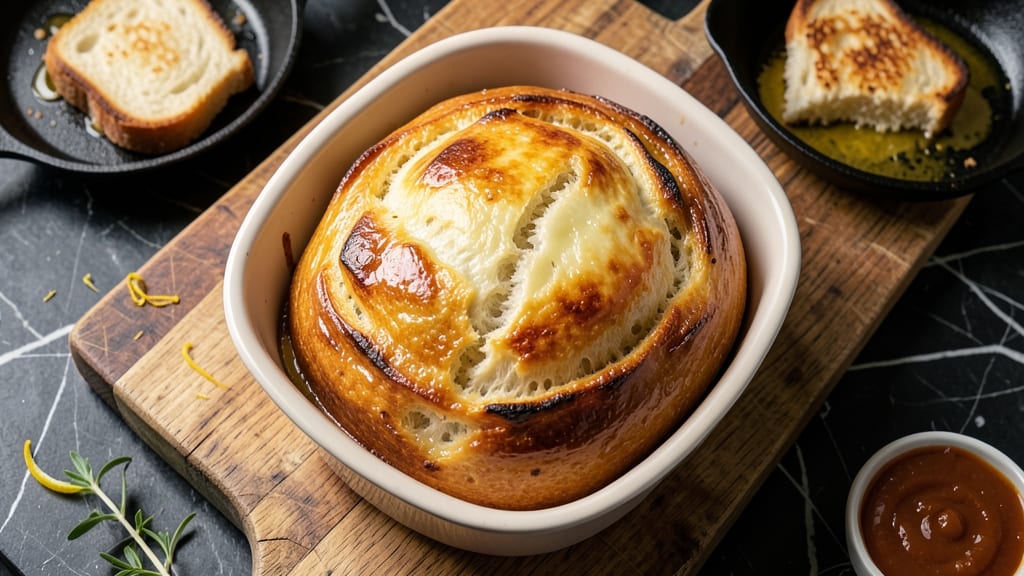
This no-yeast bread recipe made with all-purpose flour delivers restaurant-quality crust in just 30 minutes—no waiting for dough to rise. The secret lies in baking soda and baking powder working together to create a light, airy loaf with a crispy crown, perfect for sandwiches or toast.
I developed this after struggling with yeast-based recipes that either failed or took too long, and this version never disappoints.
The beauty of this recipe is its simplicity: no yeast means no proofing, no waiting, and no risk of overproofing. You'll mix, shape, and bake—all in one streamlined process.
The combination of warm milk, melted butter, and eggs creates a tender crumb, while the baking powder ensures that signature rise without yeast. For extra flavor, consider adding garlic powder, dried herbs, or even a sprinkle of cheese to the dough before baking.
What you'll end up with is a golden-brown loaf with a crisp exterior and soft interior, ready to slice for sandwiches or toast in minutes. The aroma alone will have everyone asking what you're baking, and the texture holds up beautifully for days.
This is the kind of bread that transforms ordinary meals into something special without requiring advanced skills or patience.
Ideal for weeknight dinners, meal prep, or when you need bread in a hurry, this recipe proves you don’t need yeast to make something extraordinary. Let’s get baking!
Ingredients for all purpose flour bread recipe no yeast
Nine simple ingredients transform into golden, crusty bread in just 30 minutes—no yeast needed.
| Ingredient | Amount | Notes |
|---|---|---|
| All-Purpose Flour 🌾 | 3 ½ cups | Sifted for even texture |
| Warm Whole Milk 🥛 | ¾ cup | 110°F for best activation |
| Unsalted Butter 🧈 | ½ cup | Melted, cooled slightly |
| Large Eggs 🥚 | 2 whole | Room temperature preferred |
| Granulated Sugar 🍚 | ½ cup | For subtle sweetness |
| Baking Powder 🍞 | 1 tbsp | Double-acting preferred |
| Baking Soda 🍞 | ½ tsp | Fresh for best rise |
| Salt 🧂 | 1 tsp | Kosher or sea salt |
| Garlic Powder 🧄 | 1 tsp | Optional for extra flavor |
| Dried Parsley Flakes 🌿 | 1 tsp | For herbaceous touch |
| Cornmeal 🌽 | 2 tbsp | For dusting pan |
| Water 💧 | ¼ cup | For egg wash |
The flour is the foundation, so grab King Arthur or Gold Medal for best results—they're consistent and reliable. Warm milk activates the baking soda instantly, so don't skip heating it (microwave 30 seconds, then let sit). The butter? Land O'Lakes or Earth Balance both work well, but salted butter will make your dough taste flat—use unsalted. For the baking powder, check the expiration date—old powder won't rise properly. I always buy mine at Trader Joe's since it's affordable and fresh. The cornmeal? Bob's Red Mill is my go-to—it's fine and toasts beautifully for that perfect crust.
No warm milk? Use room-temperature milk and add 1 tsp of baking soda directly to the flour—it'll still work. Short on butter? Olive oil at 1:1 ratio keeps the bread tender, though it'll be slightly denser. Running out of baking powder? Baking soda plus cream of tartar (½ tsp each) makes a 1:1 substitute. The garlic powder and parsley are optional but worth it—they add depth without overpowering. For extra flavor, swap in onion powder or dried rosemary. The eggs can be separated if you want a lighter texture, but whole eggs give that classic bread structure.
This bread stays fresh for 3-4 days in a bread bag at room temperature, or 1 week in the fridge. For longer storage, wrap tightly in foil and freeze—it'll keep for up to 3 months. I like to slice it fresh from the oven and freeze the slices on a tray before bagging. To reheat, wrap slices in foil and warm in a 350°F oven for 5-7 minutes. The crust gets crispy again, and the interior stays soft. Perfect for quick sandwiches or toast!
Why You'll Love This Recipe
- No Yeast, No Stress: This bread comes together in one bowl—no kneading, no waiting, no yeast-induced drama. Just mix, bake, and enjoy. I’ve made it on days when I forgot to plan ahead, and it still turned out tender and golden.
- Rich Without Effort: That warm milk and butter melt into the flour like a hug—creamy, buttery, and just sweet enough to satisfy. The eggs bind it all together so it’s soft inside with a crust that’s crisp enough to hold your jam.
- Weeknight Wonder: Slice it for toast in the morning, pack it for lunch, or serve it warm with soup. It’s the kind of bread that works everywhere, and honestly? It’s my go-to when I need something reliable that doesn’t require a grocery haul.
- Budget-Friendly Staple: Uses pantry basics you already own—flour, milk, butter, eggs—and stretches to feed a family without breaking the bank. Leftovers? Toast them, freeze them, or turn them into croutons. It’s the kind of bread that pays for itself.
Step-by-step instructions for quick rise no-yeast bread
Here's how to bake a tender, crusty loaf in under an hour—no yeast, no waiting.
Mix Wet Ingredients for Light Texture
In a large mixing bowl, combine the 0.75 cup warm whole milk, 0.5 cup melted unsalted butter (cooled slightly), 2 whole large eggs, and 0.5 cup granulated sugar. Whisk vigorously for 2 minutes until the mixture is pale yellow and fully emulsified. This step creates air pockets that make your bread light and airy.
I like to use a hand mixer here for about 30 seconds after whisking by hand—it really incorporates air. The mixture should be smooth with no visible streaks of fat. If it looks too thick, add 1-2 tablespoons of water to reach a pourable consistency. This ensures the flour will blend in evenly without creating lumps.
Combine Dry Ingredients and Form the Dough
In a separate bowl, sift together the 3.5 cups all-purpose flour, 1 tablespoon baking powder, 0.5 teaspoon baking soda, 1 teaspoon salt, 1 teaspoon garlic powder, and 1 teaspoon dried parsley flakes. This sifting step prevents lumps and ensures even distribution of leavening agents.
Gradually add the dry ingredients to the wet mixture, stirring gently with a wooden spoon until just combined. The dough will be thick and sticky—this is normal. Don't overmix, or you'll develop gluten and end up with a dense loaf. Once fully incorporated, let the dough rest for 5 minutes at room temperature. This brief pause allows the flour to hydrate properly.
Prepare the Pan and Shape the Loaf
Preheat your oven to 375°F. Lightly grease a 9x5-inch loaf pan and sprinkle the bottom with 2 tablespoons cornmeal. This creates a barrier that prevents sticking and gives the bread a nice crumb texture at the bottom. Tap the pan gently on the counter to settle any cornmeal that might have stuck to the sides.
Transfer the dough to the prepared pan and spread it evenly using a rubber spatula. I like to use a wet spatula here—it helps prevent sticking and makes spreading easier. Smooth the top with the back of the spatula, creating a slight dome in the center. This shape helps the bread rise properly and develop that classic loaf appearance.
Bake to Golden Perfection
Place the loaf pan in the preheated oven and bake for 45-50 minutes until the top is golden brown and a toothpick inserted in the center comes out clean. The bread is done when it springs back slightly when pressed gently in the center—this indicates proper doneness.
About 10 minutes before the bread is fully baked, prepare an egg wash by whisking together 1 whole large egg and 0.25 cup water. Brush this mixture over the top of the loaf. This creates a beautiful sheen and enhances browning. Return the bread to the oven for the final 5-10 minutes of baking.
Cool and Serve
Remove the bread from the oven and let it cool in the pan for 10 minutes. Then transfer it to a wire rack to cool completely. This resting period prevents the bread from becoming gummy in the center and allows the crumb to set properly.
Slice the bread while it's still slightly warm for the best texture. The interior should be tender with a fine crumb, while the crust should be crisp and golden. Serve warm with your favorite butter or jam—this bread is perfect for sandwiches or enjoyed on its own. Store any leftovers wrapped in a clean kitchen towel to keep it fresh for up to 3 days.
Pro Tips For Making All Purpose Flour Bread Recipe No Yeast
- MEASURE MILK PRECISELY: The recipe calls for warm whole milk—not scalding, not room temp, but genuinely warm enough to dissolve the sugar fully. Use a thermometer if you’re unsure (around 100°F/38°C). Cold milk makes the butter clump like a sad, lumpy mess, and you’ll end up kneading more than baking.
- CREAM BUTTER FIRST: Melt the butter first, then whisk it into the warm milk-sugar mixture before adding eggs. This keeps the butter emulsified and prevents those dreaded greasy streaks in your dough. I learned this the hard way—skipping it makes the bread taste like a buttery oil slick.
- DON’T OVERMIX THE DOUGH: Once you fold in the flour, mix just until combined. Overworking it develops gluten like you’re making pizza dough, and your bread will turn out dense and chewy. Stop when there are no dry spots, then let it rest—this is where the magic happens without extra effort.
- USE A LIGHT HAND WITH SUGAR: This recipe isn’t for cake—too much sugar makes the bread gummy and slow to rise. Stick to the amount listed, and if you’re craving sweetness, brush the top with a simple egg wash (1 egg + 1 tbsp milk) before baking. It adds color and a subtle caramel note without ruining the texture.
Flavor customization for this recipe
Herb-Infused Variations
Swap the garlic powder and parsley for fresh rosemary and thyme—finely chop 1 tbsp each and mix directly into the dry ingredients. The piney aroma of rosemary pairs beautifully with the buttery richness, while thyme adds a subtle earthiness.
For a Mediterranean twist, add 1 tsp dried oregano and ½ tsp red pepper flakes—this gives the crust a subtle kick. 🌿
Cheesy Delights
Fold in ½ cup shredded cheddar or Parmesan during the final mixing stage for a cheesy loaf that’s perfect for grilled cheese sandwiches. For extra indulgence, mix in ¼ cup grated mozzarella and 1 tbsp cream cheese—this creates pockets of gooey goodness throughout.
I recommend using sharp cheddar from Cabot or Parmigiano-Reggiano for the best flavor. 🧀
Sweet Twists
Transform your bread into a cinnamon swirl loaf by mixing 1 tsp cinnamon and 2 tbsp brown sugar into the dough, then swirling in 2 tbsp softened butter before baking.
For a blueberry burst, fold in ½ cup fresh blueberries (tossed in 1 tbsp flour to prevent sinking) during the final mix. A honey-glazed finish—brush the baked loaf with 2 tbsp honey mixed with 1 tsp lemon juice—adds natural sweetness. 🍯
Seed & Nut Boosts
Add texture and nutrition by stirring in 2 tbsp pumpkin seeds or sunflower seeds with the dry ingredients. For a nutty crunch, fold in ¼ cup chopped walnuts or pecans—toast them first in a dry pan for 2 minutes to enhance their flavor.
I love the contrast of seeds in a savory loaf, but they also work beautifully in sweet variations like honey-oat bread. 🌰
Global Flavors
Give your bread an Italian flair by adding 1 tsp dried basil and ½ tsp fennel seeds to the dry mix. For a Mexican-inspired version, swap the garlic powder for 1 tsp cumin and ½ tsp smoked paprika, then top with sesame seeds before baking.
A Middle Eastern twist includes 1 tsp za’atar and ½ tsp sumac—sprinkle these on top after baking for a fragrant finish. 🌍
Spiced & Smoky
Infuse warmth with ½ tsp ground cumin and ¼ tsp cayenne pepper for a smoky depth. For a banana bread-inspired loaf, mash 1 ripe banana into the wet ingredients and add 1 tsp vanilla extract.
A pumpkin spice variation uses 1 tsp pumpkin pie spice and ½ cup canned pumpkin puree—this creates a moist, aromatic loaf perfect for fall. 🔥
Nutrition facts
Frequently asked questions
Why does this bread not need yeast?
This recipe relies on baking powder and baking soda for rise instead of yeast. When combined with warm milk and eggs, these leaveners create air bubbles that expand during baking, giving you a light texture without the 1-2 hour wait traditional yeast bread requires. The result is a tender crumb with a crispy crust—perfect for quick meals!
Can I make this bread without a loaf pan?
Shape the dough into a round or oval on a parchment-lined baking sheet and bake for 25-30 minutes at 375°F. For extra crispiness, brush with melted butter after baking. This works great for flatbread-style loaves or even individual 2-inch thick rounds for personal servings.
What if my bread turns out dense instead of light?
Dense bread usually means overmixing or old leavening agents. Always sift your baking powder and baking soda fresh, and mix just until combined—stop when flour disappears. For extra lift, add 1 extra tbsp baking powder or fold in 1 tbsp whipped egg whites before baking. The 5-minute rest before shaping is crucial too!
How can I add extra flavor without changing the basic recipe?
Try these easy upgrades: Mix in 1 tsp onion powder or ½ tsp smoked paprika with the dry ingredients. For herb lovers, fold in 1 tbsp chopped fresh rosemary or thyme during final mixing. The warm milk and butter already provide richness, so these additions enhance without overpowering.
Can I freeze this bread for later use?
Yes! Cool completely, wrap tightly in foil, then place in a freezer bag for up to 3 months. To reheat, thaw at room temperature, then warm slices in a 350°F oven for 5 minutes wrapped in foil. For extra crispiness, broil for 1-2 minutes after warming. The texture stays fresh like day-one bread!