
Desserts
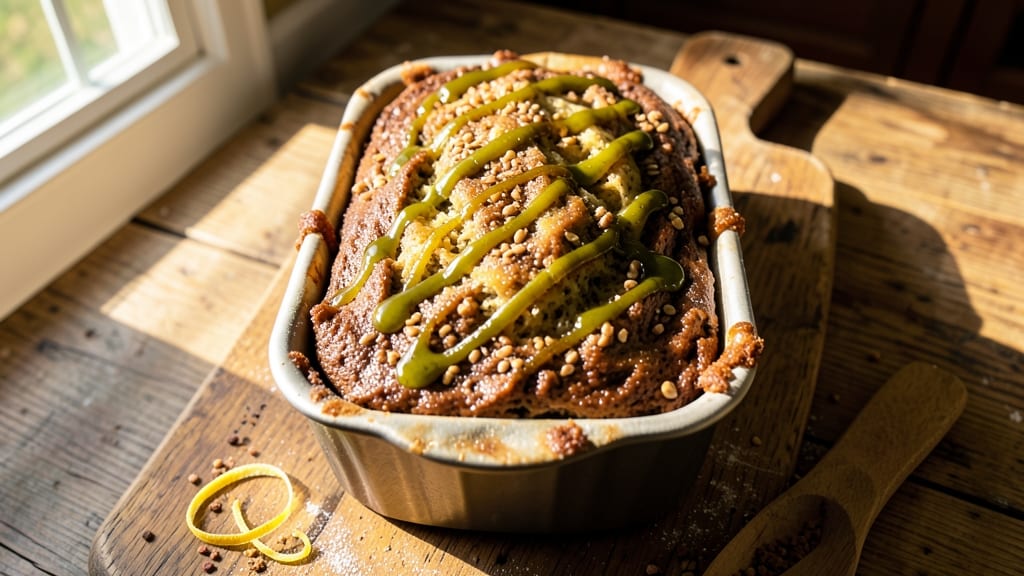
This all-natural banana bread recipe transforms overripe bananas into a moist, spice-infused loaf that tastes like comfort in every bite. The secret lies in using wholesome ingredients—no artificial sweeteners, preservatives, or processed oils—just ripe bananas, whole wheat flour, and warm spices that create that signature cozy aroma.
I've perfected this recipe over years of baking, ensuring the crumb stays tender while the edges develop just the right caramelized crust.
What makes this recipe stand out is the balance of natural sweetness from bananas and subtle warmth from cinnamon and nutmeg, without overpowering the bread's gentle flavor. The moist texture comes from a simple technique: mashing the bananas thoroughly and incorporating them gently into the batter, preserving their natural juices.
This method eliminates the need for excess sugar or oils, keeping the bread wholesome yet indulgent.
By the time it emerges from the oven, you'll have a golden loaf with a fragrant aroma that fills your kitchen—moist crumb that's soft yet sturdy enough to slice cleanly, and a spiced flavor profile that feels like a hug.
The beauty of this recipe is its versatility: it's perfect for breakfast, an afternoon pick-me-up, or a gift-worthy treat that feels homemade yet impressive.
Ready to bake? Here's everything you need to create a loaf that's as good for you as it is delicious—no shortcuts, just pure, wholesome flavor. Let's get started with the ingredients and steps that make this recipe truly special.
Ingredients for all natural banana bread
Wholesome ingredients transform overripe bananas into a moist, spice-infused loaf with natural sweetness and cozy warmth.
| Ingredient | Amount | Notes |
|---|---|---|
| Ripe Bananas 🍌 | 3 medium | Overripe with brown spots |
| Unbleached All-Purpose Flour 🌾 | 2 cups | Sifted for light texture |
| Whole Wheat Flour 🌾 | ½ cup | For added nutrition |
| Pure Maple Syrup 🍯 | ½ cup | Natural sweetener |
| Extra-Virgin Olive Oil 🫒 | ½ cup | For moisture and richness |
| Large Eggs 🥚 | 2 whole | Room temperature preferred |
| Pure Vanilla Extract 🌿 | 1 tbsp | High-quality extract |
| Ground Cinnamon 🌶️ | 2 tsp | Freshly ground preferred |
| Ground Nutmeg 🌶️ | ½ tsp | Freshly grated for warmth |
| Baking Soda 🧂 | ½ tsp | For lightness |
| Salt 🧂 | ½ tsp | Fine sea salt |
| Chopped Walnuts 🌰 | ½ cup | Optional for texture |
| Unsweetened Applesauce 🍎 | ¼ cup | For added moisture |
The bananas are the heart of this recipe—look for ones with brown spots (the riper, the sweeter). Whole Foods or local markets often have perfect overripe ones, but your fruit bowl works too. The flour blend matters: unbleached all-purpose keeps it tender, while whole wheat adds nutrition without heaviness. For the maple syrup, Grade A is ideal—it's sweeter and adds depth. If you can't find pure maple, agave nectar works in a pinch, though the flavor differs slightly. The walnuts? Toast them first for extra richness—just 5 minutes in a dry pan until fragrant.
No maple syrup? Honey or agave at the same amount, though honey adds floral notes. Short on eggs? Flax eggs (1 tbsp ground flaxseed + 3 tbsp water per egg) work, though texture may vary slightly. The vanilla extract should be pure, not imitation—Starbright or McCormick Pure are reliable brands. For the spices, freshly ground nutmeg makes a world of difference, but pre-ground is fine if you don't have a grater. The baking soda is non-negotiable for that classic rise—double-check it's fresh (old baking soda won't work). Applesauce can be swapped for mashed ripe pear if needed, but it'll alter the moisture balance.
This batter keeps well in the fridge for up to 24 hours if you're prepping ahead—just cover tightly. For the best texture, bake within 3 hours of mixing. The loaf stays moist for 3-4 days at room temperature, wrapped in foil, or 5 days in the fridge. Slice and freeze portions for up to 3 months—perfect for quick breakfast treats. Warm slices in the toaster for that bakery-fresh feel.
Why You'll Love This Recipe
- No Mixer Needed: I swear by this recipe when my hands are full—just mash those bananas, stir the wet ingredients, then fold in the flours. That whole wheat blend adds texture without extra work, and the olive oil keeps it moist without greasy mess.
- Maple-Kissed Sweetness: Honestly, maple syrup changes the game. It’s richer than sugar but not cloying, and it pairs perfectly with the ripe bananas’ natural caramel notes. The first bite tastes like autumn in a loaf.
- Breakfast or Snack: Between us, this bread is my go-to for breakfast toast or after-school snacks. The whole wheat gives it staying power, and those banana flecks make it feel like dessert—no guilt required.
- Budget-Friendly Staples: I use whatever bananas are spotted and overripe, plus pantry basics. No fancy ingredients, no wasted leftovers—it keeps for days, and I’ve even frozen slices for quick grab-and-go energy.
Step-by-step instructions for all-natural banana bread
Here's how to create a perfectly moist loaf with tender crumb and aromatic spice notes.
Prep Ingredients and Preheat the Oven
Begin by preheating your oven to 350°F and greasing an 8½x4½-inch loaf pan with extra-virgin olive oil or butter. Line the bottom with parchment paper for easy removal. While the oven heats, peel the 3 medium ripe bananas and mash them thoroughly in a large mixing bowl using a fork or potato masher—you want a smooth, lump-free consistency. The riper the bananas, the sweeter and more flavorful your bread will be.
In a separate bowl, whisk together the 2 cups unbleached all-purpose flour, 0.5 cup whole wheat flour, 2 tsp ground cinnamon, 0.5 tsp ground nutmeg, 0.5 tsp baking soda, and 0.5 tsp salt. Sifting these dry ingredients ensures a light texture and prevents lumps in the batter. Set aside until ready to combine with the wet ingredients.
Combine Wet Ingredients for a Smooth Batter
To the mashed bananas, add the 0.5 cup pure maple syrup, 0.5 cup extra-virgin olive oil, 2 whole large eggs, and 1 tbsp pure vanilla extract. Whisk vigorously for 2-3 minutes until the mixture is fully emulsified and slightly thickened. The olive oil and eggs create a rich, moist crumb, while the maple syrup adds natural sweetness without refined sugar.
Gradually fold in the dry ingredients using a spatula, mixing just until combined—overmixing develops gluten and can make the bread dense. Gently stir in the 0.5 cup chopped walnuts (if using) and 0.25 cup unsweetened applesauce, which adds moisture and a subtle sweetness. The batter should be thick but pourable; if it seems too stiff, add 1-2 tablespoons of water to loosen it slightly.
Bake to Golden Perfection
Pour the batter into the prepared loaf pan and smooth the top with a spatula. Tap the pan gently on the counter to release any air bubbles trapped in the batter. Place the pan on the center rack of your preheated oven and bake for 50-60 minutes, or until a toothpick inserted into the center comes out clean and the top is golden brown. The bread is done when it springs back slightly when pressed gently.
Here's the thing—banana bread continues cooking slightly after removal from the oven, so it's better to err on the side of underbaking by a few minutes. If the top browns too quickly, loosely tent the pan with aluminum foil after 30 minutes to prevent over-browning while allowing the center to cook through.
Cool and Serve for Maximum Moisture
Remove the loaf from the oven and let it cool in the pan for 10 minutes, then transfer it to a wire rack to cool completely. This resting period allows the bread to set and redistribute its moisture evenly, preventing a gummy texture. I know it's tempting to slice into it warm, but patience here ensures the best texture—each slice should have a tender crumb with just the right amount of chew.
Once fully cooled, slice the loaf into 8 equal servings and store any leftovers wrapped in plastic wrap or in an airtight container at room temperature for up to 3 days. For longer storage, freeze the loaf in slices for up to 3 months. The natural sweetness and moist crumb make this banana bread perfect for breakfast, snacks, or dessert—no artificial ingredients required.
Pro Tips For Making All Natural Banana Bread
- Mash Bananas Well: The smoother the mash, the better the texture—no one likes gummy banana bread. Use a fork first, then press through a fine-mesh sieve if you’re impatient (yes, even if you’re in a hurry). Lumps turn into dense pockets, and we’re aiming for tender, even crumb.
- Mix Wet and Dry Separately: Whole wheat flour loves to gunk up mixtures. Combine dry ingredients first, then stir in the olive oil and maple syrup separately before folding in the bananas—this keeps the batter light and prevents a heavy, dense loaf. I learned this the hard way after a batch turned out like a brick.
- Check Doneness at 325°F: This recipe’s olive oil and whole wheat flour mean the bread’s done when the edges pull away and the center hits 195°F—earlier, and it’ll be gummy; later, and it’ll dry out. If you’re unsure, wait 5 minutes after pulling it from the oven, then test. (Your future self will thank you.)
- Add a Splash of Warm Water: The whole wheat flour soaks up moisture like a sponge. If the batter looks too thick after mixing, stir in 1-2 tablespoons of warm water—just enough to loosen it without making it soupy. This guarantees a moist loaf without compromising structure. (I skip this when I’m lazy, but the difference is noticeable.)
Common mistakes when making this recipe
Overripe Bananas
Using underripe bananas is the most common mistake—you need brown-spotted bananas for that deep sweetness. I’ve seen beginners grab firm yellow ones, and the result? A bland, dense loaf. The sugar content in overripe bananas caramelizes during baking, creating that signature moist texture.
If you’re in a pinch, mash 1 extra banana and add 1 tbsp maple syrup to compensate for the lack of sweetness. 🍌
Overmixing the Batter
I’ve ruined more banana breads than I’ll admit by overmixing the batter. Once you fold in the dry ingredients, stop mixing after 10-12 strokes—any more, and you’ll develop gluten, leading to a tough, cake-like texture instead of a tender crumb.
Use a spatula to gently fold, and resist the urge to whip it like pancake batter. The goal is to combine, not aerate.
Skipping the Resting Time
Cutting into banana bread immediately after baking is a cardinal sin. The loaf needs 10-15 minutes in the pan followed by 30-60 minutes on a rack to let the moisture redistribute. Rushing this step results in a gummy, uneven texture—the center stays wet while the edges dry out.
Trust me, the wait makes the difference between a good loaf and a great one. ⏳
Incorrect Oven Temperature
Baking at too high a temperature (like 375°F) causes the outside to brown too quickly while the center stays undercooked. Too low (below 350°F) leads to a dense, uneven bake. Stick to 350°F and use an oven thermometer to confirm accuracy—many home ovens run hot or cold.
If your kitchen runs hot, reduce the temp to 325°F and add 5-10 minutes to the bake time.
Ignoring the Toothpick Test
Some bakers rely on visual cues alone—don’t. Insert a toothpick into the center; if it comes out clean or with a few moist crumbs, the bread is done. A wet toothpick means it needs more time.
Overbaking dries out the loaf, so pull it out when it’s just slightly underdone—it’ll keep cooking as it cools. This is where most beginners go wrong, leading to a sad, dry loaf. 🔥
Using Old Baking Soda
Old or expired baking soda won’t rise, leaving your banana bread flat and dense. Always check the expiration date—baking soda loses potency after 6 months. If you’re unsure, test it: Mix 1 tsp baking soda with 1 cup vinegar in a cup.
It should fizz immediately. If not, toss it and grab a fresh box. This tiny detail makes a huge difference in texture. 🧂
Nutrition facts
Frequently asked questions
Can I substitute whole wheat flour for all-purpose flour?
You can replace up to 50% of the all-purpose flour with whole wheat for added nutrition, but don't use it exclusively—this recipe relies on the lighter texture of all-purpose for that classic tender crumb. For a 1:1 swap, add 1-2 extra tablespoons of water to compensate for the extra moisture in whole wheat flour.
Why does my banana bread turn out dense?
Dense banana bread usually comes from overmixing (developing gluten), using underripe bananas (not enough natural sweetness), or old baking soda (no proper rise). Always mash bananas thoroughly, mix dry ingredients just until combined, and test your baking soda with vinegar—it should fizz vigorously.
How do I make this recipe vegan?
Replace the 2 eggs with 2 flax eggs (2 tbsp ground flaxseed + 6 tbsp water per egg), use vegan vanilla extract, and swap maple syrup for agave nectar. The olive oil is already plant-based, so no other changes are needed—just let the batter rest 10 extra minutes before baking for better texture.
Can I add chocolate chips or nuts?
Fold in ½ cup chocolate chips or ½ cup chopped walnuts (or both) with the dry ingredients. For extra richness, toast the nuts first—just 5 minutes in a dry pan until fragrant. The batter will be slightly thicker, so you may need 1 extra tablespoon of water to achieve proper consistency.
How long can I keep banana bread fresh?
At room temperature, wrap tightly in plastic or foil and store for 3-4 days. For longer storage, slice and freeze portions for up to 3 months. To revive stale slices, warm them in the toaster or microwave for 10-15 seconds—they'll taste almost as good as fresh!