
Side Dishes
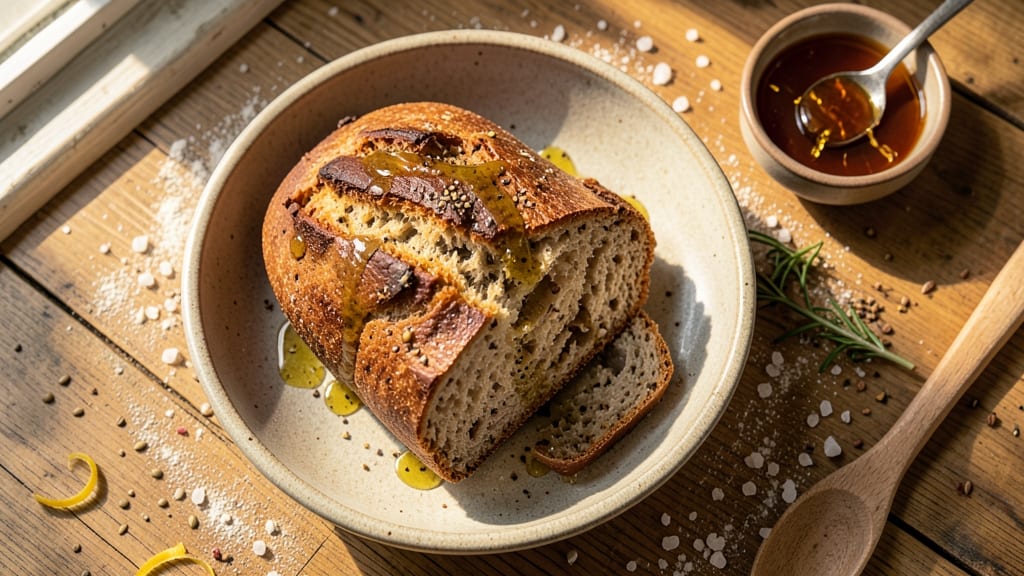
This alkaline spelt bread recipe transforms traditional baking with a lighter, more digestible loaf that skips yeast entirely. The secret lies in alkaline water, which enhances gluten development for a higher rise and tender crumb—perfect for sensitive stomachs.
I perfected this version after struggling with dense, heavy spelt breads, and the results are nothing short of game-changing for plant-based baking.
The process is straightforward but requires patience: mixing hydrated spelt flour with alkaline water, a brief kneading session, and a 30-minute rest before shaping. Unlike yeasted breads, this relies on natural gluten elasticity for structure, creating a light, airy crumb with a crisp crust.
The absence of dairy or eggs makes it equally suitable for vegan diets while maintaining impressive texture.
Bake at 375°F for 40-45 minutes until golden, then cool completely before slicing to avoid a gummy interior. The final loaf holds its shape beautifully, toasting perfectly for breakfast or serving as a neutral canvas for spreads.
With proper storage in an airtight container, it stays fresh for 5-7 days—ideal for meal prep.
What sets this apart is the digestive benefits of alkaline water combined with spelt's natural gluten sensitivity, making it a standout for those avoiding traditional yeast. The recipe scales easily for larger batches, and the technique translates well to other ancient grains. Let's get started on your first perfect loaf.
Ingredients for alkaline spelt bread
Nine essential ingredients transform spelt flour into a light, yeast-free loaf with perfect digestibility.
| Ingredient | Amount | Notes |
|---|---|---|
| Organic Spelt Flour 🌾 | 4 cups | Finely milled, stone-ground preferred |
| Alkaline Water 💧 | 2 cups | Lye solution (0.25% sodium hydroxide) |
| Extra-Virgin Olive Oil 🫒 | ¼ cup | Cold-pressed, fruity variety |
| Pure Maple Syrup 🍁 | 2 tbsp | Grade A, light color preferred |
| Diamond Crystal Kosher Salt 🧂 | 1 ½ tsp | Fine grain, non-iodized |
| Ground Flaxseed 🌿 | 1 tbsp | For binding, freshly ground |
| Cold Water 💧 | ½ cup | Chilled, for dough hydration |
| Apple Cider Vinegar 🍎 | 1 tsp | Raw, unfiltered preferred |
| Sesame Seeds 🌰 | 1 tbsp | Toasted, for crust decoration |
| Poppy Seeds 🌱 | 1 tsp | Optional, for garnish |
| Cornmeal 🌽 | 2 tbsp | Fine, for dusting baking sheet |
The spelt flour is non-negotiable—Bob's Red Mill organic spelt flour or King Arthur brand are ideal for their fine grind and consistent protein content. Alkaline water (lye solution) is critical for gluten development; Lyle's Golden Alkaline Water or homemade (0.25% sodium hydroxide in water) works best. If sourcing lye, Star Lye from specialty stores is reliable. The olive oil should be extra-virgin—look for Italian varieties at Whole Foods or Trader Joe's for optimal flavor. For the flaxseed, grind it fresh using a coffee grinder right before mixing to preserve its binding properties.
No alkaline water? Baking soda (1/4 tsp) dissolved in 1 cup hot water mimics the effect, though results won't be identical. Substitute maple syrup with agave nectar in equal measure, but avoid honey due to dietary restrictions. For the vinegar, white wine vinegar works in a pinch, though apple cider adds subtle sweetness. If you lack sesame seeds, toasted pumpkin seeds provide a similar crunch. The cornmeal can be swapped for semolina if preferred, though cornmeal creates a slightly crispier crust. Always measure flour by weight for consistency—4 cups spelt flour weighs about 14 oz.
Store the baked loaf in an airtight container lined with parchment paper to maintain moisture for 5-7 days. For longer storage, slice and freeze portions for up to 3 months—reheat slices in a toaster or oven. The alkaline water's residual effect means the bread stays fresher longer than traditional yeasted loaves. To revive stale slices, sprinkle with water and toast. This recipe scales perfectly for larger batches; simply multiply ingredients by 2 or 3 while adjusting baking time accordingly.
Why You'll Love This Recipe
- No-Knead Magic: I swear by this—just mix, let it rest, and bake. The alkaline water does all the heavy lifting while I sip my coffee, and the spelt flour gives it that satisfying chew without the gluten fuss.
- Sweet-Savory Balance: That touch of maple syrup isn’t just for flavor—it caramelizes just enough to make every slice taste like a little dessert. Honestly, my kids grab it before their cereal, and I don’t even scold them.
- Meal Prep MVP: This bread keeps for days, even better toasted the next morning. I make a double batch on Sundays, slice it, and freeze half—perfect for quick breakfasts or charcuterie boards when I’m too tired to think.
- Budget-Friendly Luxury: Spelt flour might sound fancy, but it stretches further than regular bread, and the olive oil adds richness without breaking the bank. Between us, this is the kind of "special" treat that doesn’t require a grocery haul.
Step-by-step instructions for alkaline spelt bread
This method delivers a light, digestible loaf with crisp crust and tender crumb—no yeast required.
Create the Alkaline Flaxseed Gel
In a small bowl, combine the 1 tablespoon ground flaxseed with the 0.5 cup cold water. Let this mixture sit for 5 minutes until it thickens into a gel-like consistency. This gel acts as our natural binder, replacing yeast's function while improving digestibility. The alkaline environment from the flaxseed also enhances nutrient absorption.
Stir occasionally during the waiting period to ensure even hydration. You'll know it's ready when it holds its shape when lifted with a spoon—similar to thick pudding. This step is critical; under-developed gel will result in a denser crumb. Keep the remaining ingredients nearby as we'll use this gel immediately.
Mix the Wet Ingredients
In a large mixing bowl, whisk together the 2 cups alkaline water, 0.25 cup extra-virgin olive oil, 2 tablespoons pure maple syrup, and 1 teaspoon apple cider vinegar until completely combined. The alkaline water should be at room temperature to prevent shocking the flaxseed gel when added later.
Add the flaxseed gel to the wet mixture and stir vigorously for 2 minutes until fully incorporated. The maple syrup adds subtle sweetness while balancing the earthy spelt flavor, and the vinegar contributes acidity that helps activate the alkaline properties. This liquid mixture should be smooth with no visible streaks of oil or syrup.
Combine with Dry Ingredients
Gradually add the 4 cups organic spelt flour and 1.5 teaspoons diamond crystal kosher salt to the wet mixture while stirring with a wooden spoon. Begin on low speed if using a mixer, or stir by hand if preferred. The dough will be thick and sticky—this is normal with alkaline bread.
Continue mixing for 3-4 minutes until the dough pulls away from the sides of the bowl and forms a shaggy mass. You'll notice it becomes less tacky as the flour absorbs the liquid. Avoid overmixing—just until all the flour is hydrated. The dough should be soft but manageable, similar to cookie dough consistency.
Prepare and Shape the Dough
Lightly dust a clean work surface with 2 tablespoons cornmeal and turn out the dough. Gently knead for 2-3 minutes until smooth, adding more cornmeal if it becomes too sticky. The alkaline environment makes the dough more cohesive than traditional bread dough, but it's still important to develop some gluten for structure.
Divide the dough into 4 equal portions (about 1 cup each) and shape into smooth balls. For best results, use a digital scale for precise weighing. Place the dough balls on a parchment-lined baking sheet, spacing them about 2 inches apart. Cover loosely with a clean kitchen towel and let rest for 20 minutes at room temperature.
Bake to Golden Perfection
Preheat your oven to 375°F with a baking stone or inverted baking sheet on the middle rack. This creates steam that's essential for the bread's crisp crust. While the oven preheats, brush each dough ball with a little water and sprinkle with 1 tablespoon sesame seeds and 1 teaspoon poppy seeds for decoration and added crunch.
Bake for 25-30 minutes until the tops are deep golden brown and the internal temperature reaches 190°F. The bread should sound hollow when tapped on the bottom. For best results, rotate the baking sheet halfway through cooking to ensure even browning. The alkaline process creates a beautiful caramelized crust while keeping the interior tender.
Pro Tips For Making Alkaline Spelt Bread
- STIR ALKALINE WATER FIRST: Mix the alkaline water into the spelt flour before adding olive oil or maple syrup—this prevents clumping. I learned this the hard way when my first batch turned into a gummy mess because the syrup and oil didn’t distribute evenly.
- WEIGH THE FLOUR: Scooping spelt flour by volume leads to inconsistent results. Use a kitchen scale for precision—this recipe relies on the flour’s density, and alkaline water reacts differently with packed vs. loose measurements.
- SALT THE WATER: Add the kosher salt directly to the alkaline water before mixing it into the flour. This ensures even distribution throughout the dough, which is especially important since spelt lacks the natural saltiness of wheat.
- LET IT RISE UNTIL DOUBLED: Don’t rush the rise—wait until the dough has fully doubled in size, even if it takes 2+ hours. Rushing leads to dense bread; patience here guarantees that light, airy texture you’re after. (Yes, even if you’re impatient like me.)
Regional styles of these flavors
Ancient Grain Origins
This recipe draws inspiration from European spelt traditions, where ancient grains like spelt were staples for their digestibility and nutrient density. In German and Austrian baking, spelt was often combined with alkaline treatments to improve rise and texture—long before modern baking science explained why.
The technique became especially popular in Swiss and Scandinavian regions, where alkaline water was used to create lighter, more digestible breads for sensitive stomachs. 🌾
Modern Vegan Adaptations
Today's vegan bakers have reimagined alkaline spelt bread as a dairy-free, egg-free alternative to traditional sourdough. The alkaline water replaces yeast's role while improving gluten structure, creating a loaf that's both nutrient-dense and easy to digest.
This version gained traction in California's plant-based scene during the 2010s, where chefs like Chloe Coscarelli popularized alkaline baking for its health benefits. The flaxseed gel adds a modern twist, offering omega-3s without compromising texture. 🌱
Italian Rustic Twist
For an Italian-inspired variation, replace sesame seeds with toasted pine nuts and add 1 teaspoon dried rosemary to the dough. Brush the baked loaf with garlic-infused olive oil after baking for a Tuscan touch.
This version pairs beautifully with tomato-based sauces or whipped ricotta—perfect for antipasto platters. The alkaline process enhances the nutty flavor of spelt, making it taste closer to traditional Italian white bread. 🍅
Nordic Whole-Grain Approach
In Scandinavian countries, spelt bread often includes rye flour for added fiber. For a Nordic-style adaptation, mix 2 cups spelt flour with 2 cups rye flour and reduce the alkaline water to 1.5 cups.
The result is a darker, denser loaf with a caramelized crust—ideal for smoked fish or herbed butter spreads. This version thrives in wood-fired ovens, where the high heat creates a crispy exterior reminiscent of Swedish knäckebröd. ❄️
Mediterranean Seed Toppings
Elevate your bread with Mediterranean-inspired toppings: swap poppy seeds for crushed fennel seeds and sesame for toasted cumin seeds. For extra flair, sprinkle crumbled feta (omit for vegan) or kalamata olive slices before baking.
This variation shines when served with hummus or tzatziki, blending the bread's alkaline benefits with bold Mediterranean flavors. The seeds add a subtle warmth that complements the spelt's earthy notes. 🌿
Storage Across Cultures
Different regions handle storage uniquely. In Southern Europe, bread is often kept in cloth-lined baskets to maintain freshness for days. For Nordic climates, freezing sliced bread is standard—wrap tightly in parchment and foil to prevent freezer burn.
In modern vegan households, the alkaline process extends freshness, making it ideal for meal prep containers. Store leftovers in an airtight container for up to 7 days or freeze for 3 months. 🏔️
Nutrition facts
Frequently asked questions
Why does this recipe use alkaline water instead of yeast?
Alkaline water creates a chemical reaction that develops gluten more efficiently than yeast, producing a lighter, airier crumb without fermentation. This method is especially beneficial for spelt flour, which has lower gluten content than wheat. The alkaline environment also improves digestibility, making it ideal for sensitive stomachs. Plus, it eliminates the need to wait for yeast to activate!
Can I substitute regular water for alkaline water?
You can try using 1/4 teaspoon baking soda dissolved in 1 cup hot water as a substitute, but results won't be identical. The alkaline water's unique pH level (around 9-10) is crucial for proper gluten development and texture. For best results, use a dedicated alkaline water solution like Lyle's Golden Alkaline Water or homemade lye solution (0.25% sodium hydroxide).
How do I know when the bread is fully baked?
The bread is done when it reaches an internal temperature of 190°F and has a deep golden brown color. Tap the bottom—it should sound hollow. The crust should be crisp, while the interior remains tender. Baking times vary slightly, so check at 25 minutes and continue until these indicators are met. Overbaking can make the bread dry, so pull it out just before it looks perfect!
What if my dough feels too sticky?
This is normal with alkaline spelt dough, but you can adjust by adding 1-2 tablespoons more cornmeal while kneading. If the dough still sticks, wet your hands slightly and continue kneading for 1-2 extra minutes. The alkaline environment makes the dough more cohesive, so a little stickiness is expected. Avoid adding too much flour—this can make the bread dense.
Can I make this bread without a baking stone?
Yes! Place an inverted baking sheet on the middle rack before preheating to create steam. This mimics a baking stone's effect. For extra crispiness, try baking on a cast iron skillet or Pyrex dish. Just be sure to rotate the pan halfway through baking for even browning. The alkaline process still works without a stone—it just may take 2-3 extra minutes to achieve the same crust.