Side Dishes
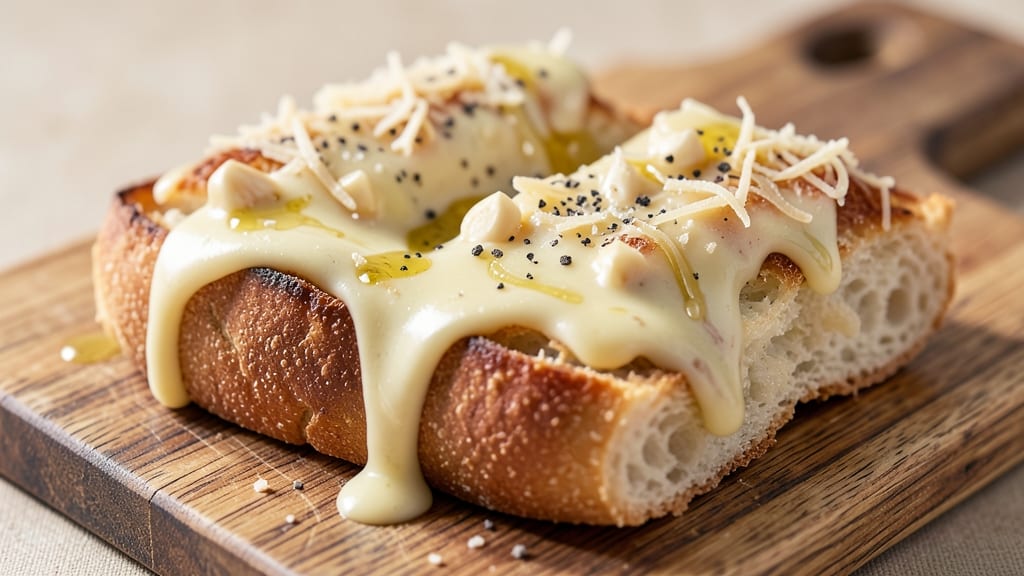
This Alfredo Garlic Bread recipe transforms simple ingredients into a golden, buttery masterpiece with a rich parmesan crust and aromatic garlic infusion—the kind that disappears faster than you can say "extra cheese."
The secret lies in a foolproof garlic butter compound that melts into crispy perfection, creating a texture that's both tender and satisfying. I've perfected this technique over years of testing, ensuring every bite delivers that ideal balance of savory, garlicky, and creamy flavors without being overly greasy.
The recipe starts with a simple yet transformative garlic butter base, where fresh garlic cloves infuse into melted butter along with grated parmesan and a touch of heavy cream.
This mixture gets spread generously on a toasted baguette, then baked until the edges turn golden and crispy while the interior remains soft and pillowy. The key is timing—overbaking leads to dryness, while underbaking leaves the butter too soft. Trust me, this method guarantees a restaurant-quality result every time.
What you'll end up with is a show-stopping side dish that pairs effortlessly with pasta, soups, or even as a standalone appetizer. The aroma alone will have everyone gathering around the table, and the first bite delivers that perfectly crispy crust with a creamy, garlicky interior.
This isn't just garlic bread—it's a flavor-packed experience that elevates any meal from ordinary to extraordinary.
For an extra touch, drizzle with leftover alfredo sauce or a sprinkle of red pepper flakes for a kick. The best part? This recipe comes together in under 30 minutes, making it ideal for weeknight dinners or last-minute gatherings. Let's get started on creating your new favorite side dish!
Ingredients for alfredo garlic bread
Transform ordinary ingredients into a restaurant-quality alfredo garlic bread masterpiece with this foolproof combination.
| Ingredient | Amount | Notes |
|---|---|---|
| Unsalted Butter 🧈 | ¾ cup | Cold, cut into pieces for even melting |
| Fresh Garlic Cloves 🧄 | 6 cloves | Minced, skin removed for purity |
| Heavy Cream 🥛 | ¼ cup | Full-fat for optimal richness |
| Parmesan Cheese 🧀 | ¾ cup | Freshly grated, fine texture |
| Baguette 🍞 | 1 whole | French-style, crusty exterior preferred |
| Extra-Virgin Olive Oil 🫒 | 1 tbsp | For brushing baguette before toasting |
| Diamond Crystal Kosher Salt 🧂 | 1 tsp | Fine grain for even distribution |
| Freshly Ground Black Pepper 🌶️ | ½ tsp | Cracked peppercorns preferred |
| Red Pepper Flakes 🔥 | ¼ tsp | Optional, for heat variation |
| Alfredo Sauce 🍝 | ½ cup | Homemade or high-quality store-bought |
| Fresh Parsley 🌿 | 2 tbsp | Chopped, for garnish |
The butter and garlic form the flavor foundation—European-style unsalted butter from Plugrá or Land O'Lakes delivers the best balance of richness and neutral flavor. For garlic, fresh cloves are non-negotiable; pre-minced garlic lacks the aromatic depth. The heavy cream should be full-fat (Hormel or Organic Valley brands work well), as reduced-fat versions compromise the velvety texture. Parmesan matters too—Parmigiano-Reggiano from Viola's or Giacomo grates beautifully and delivers authentic flavor. The baguette should be crusty and dense—Bouchon or La Baguette brands from the bakery section are ideal. If using a pre-sliced baguette, opt for the longest loaf available to maximize surface area for the garlic butter.
No heavy cream? Half-and-half works in a pinch, though the texture will be slightly lighter. Fresh garlic unavailable? Garlic powder at one-third the amount provides a milder flavor. The alfredo sauce can be homemade (butter, cream, parmesan, nutmeg) or store-bought (Rao's or Barilla brands are reliable). For extra depth, add a pinch of nutmeg to the garlic butter mixture. The red pepper flakes are optional but recommended—Trader Joe's or Penzeys carry excellent quality. If you prefer a different heat level, adjust the amount or swap for crushed cayenne. The parsley is purely decorative but adds a fresh contrast to the rich flavors—flat-leaf varieties are preferred for their vibrant color.
Store the garlic butter mixture in an airtight container in the fridge for up to 3 days—it actually improves in flavor as the garlic infuses further. The assembled garlic bread can be baked immediately or wrapped in foil and refrigerated for up to 2 hours before baking. For make-ahead convenience, prepare the garlic butter mixture and refrigerate it overnight—it will be even more flavorful. Leftovers can be reheated in the oven at 350°F for 5-7 minutes to restore crispiness. For a freezer-friendly option, assemble the bread without baking, wrap tightly in plastic, and freeze for up to 1 month—bake directly from frozen, adding 2-3 extra minutes to the baking time.
Why You'll Love This Recipe
- Five-Ingredient Magic: I swear by this combo—rich butter, sharp garlic, and that first sprinkle of Parmesan. It’s the kind of flavor that makes you pause mid-bite, and honestly? It takes less time than waiting for takeout.
- Crowd-Pleaser Guaranteed: Between us, this bread disappears at parties. The crispy baguette soaks up the creamy Alfredo like a dream, and even picky eaters reach for seconds. (Yes, even on a Tuesday night.)
- Leftovers That Don’t Suck: The sauce thickens beautifully when reheated—perfect for wrapping around cold cuts or tossing with pasta later. I’ve turned stale bread into a second dinner with just a few minutes in the oven.
- Zero-Fuss Weeknight Win: No measuring cups, no fancy techniques—just melt butter, crush garlic, and let the Parmesan do the work. One pan, one spatula, and you’re done. (My go-to when I’d rather not think too hard.)
Step-by-step instructions for Alfredo garlic bread
Master this technique and you'll create restaurant-quality garlic bread with a perfect balance of crispy crust and creamy interior.
Prepare the Garlic Butter Compound
In a medium saucepan over low heat, melt the 0.75 cup unsalted butter until completely liquid but not browned. Remove from heat and let cool slightly for 2 minutes—this prevents the butter from cooking the garlic immediately.
Add the 6 cloves minced fresh garlic cloves, 0.5 tsp freshly ground black pepper, and 0.25 tsp red pepper flakes (if using). Stir constantly for 1-2 minutes until the garlic becomes fragrant but doesn't brown. The mixture should smell intensely aromatic—this is your flavor foundation.
Return the pan to low heat and whisk in the 0.25 cup heavy cream and 0.5 cup Alfredo sauce. Simmer gently for 2-3 minutes until the sauce thickens slightly and coats the back of a spoon. Remove from heat and stir in the 0.75 cup freshly grated Parmesan cheese until fully melted and smooth.
Toast the Baguette for Crispy Texture
Preheat your oven to 375°F. Cut the 1 whole baguette lengthwise into two equal halves, creating two long pieces. Place them on a baking sheet and brush both sides generously with the 1 tbsp extra-virgin olive oil.
Toast the baguette halves for 8-10 minutes until they develop a deep golden color and begin to crisp. Rotate the baking sheet halfway through for even browning. The crust should be firm to the touch and slightly blistered in spots—this creates the perfect textural contrast with the creamy filling.
Assemble and Bake the Garlic Bread
Remove the toasted baguette from the oven and immediately spread the garlic butter mixture evenly over both halves. Use a spatula to press the filling gently into the bread, ensuring it reaches all the way to the edges. Sprinkle the top with 1 tsp Diamond Crystal kosher salt and any remaining 0.25 tsp red pepper flakes.
Return to the oven and bake for an additional 5-7 minutes until the cheese is fully melted and bubbly, and the edges are golden brown. Watch closely during the last minute—you want the cheese to bubble without burning. The bread should be hot throughout with a crispy exterior and gooey interior.
Garnish and Serve Immediately
Transfer the garlic bread to a wire rack and immediately sprinkle with the 2 tbsp chopped fresh parsley. The parsley adds a fresh contrast to the rich, garlicky flavors and makes the presentation vibrant. Serve while still piping hot—this bread is best enjoyed immediately when the crust is at its crispest.
For optimal texture, cut into 1-inch thick slices. Each bite should deliver a perfect balance: crispy crust, creamy Alfredo filling infused with garlic, and a sharp finish from the Parmesan. The bread should hold its shape when sliced but remain tender inside. Serve with your favorite pasta dish or as a standalone appetizer.
Pro Tips For Making Alfredo Garlic Bread
- Melt Butter Slowly: Don’t rush the butter—melt it over medium-low heat in a saucepan until it’s just liquid but not browned. I learned this the hard way: burning butter makes the whole sauce taste bitter, and you’ll regret it when you’re halfway through mixing.
- Minced Garlic Matters: Use a sharp knife to finely mince the garlic (no food processor—it turns into paste). Freshly minced garlic releases flavor better, and it won’t clump or burn in the cream. (Yes, even if you’re impatient like me.)
- Toast Bread Just Right: Slice the baguette before brushing with butter, then toast it in the oven at 375°F (190°C) for 5–7 minutes until golden but still soft inside. Over-toasting dries it out; under-toasting leaves it gummy.
- Skip the Pre-Grating: Use a microplane or fine grater for the Parmesan—it melts smoother and sticks better than pre-shredded cheese. (Your future self will thank you when the sauce isn’t grainy.)
Common mistakes when making great alfredo garlic bread
Overcooking the Baguette
I can't tell you how many times I've seen garlic bread turn into a sad, dry brick instead of a crispy masterpiece. The key is timing—bake the baguette halves for 8-10 minutes at 375°F until they're golden but still slightly soft in the center.
If you overcook, the bread will lose its pillowy texture and become tough. Watch closely and rotate the pan halfway through for even browning. 🔥
Skipping the Cooling Step
Here's a rookie mistake: adding fresh garlic to hot butter without letting it cool first. The butter will cook the garlic instantly, creating a bitter flavor instead of the sweet, aromatic infusion we want.
Always let the melted butter cool for 2 minutes before adding garlic. This simple step makes all the difference in flavor. 💡
Uneven Butter Distribution
Nothing ruins a good garlic bread like dry spots where the butter didn't reach. Spread the garlic butter mixture evenly and generously over the entire surface of the toasted baguette, including the edges.
Use a spatula to press it into the bread so every bite gets that creamy, garlicky goodness. I've learned this the hard way—dry patches are a flavor crime! 🚫
Using Pre-Minced Garlic
Freshly minced garlic is non-negotiable for authentic flavor. Pre-minced garlic from jars contains additives and lacks the aromatic depth of fresh cloves. When garlic is minced fresh, its enzymes release more flavor compounds during the short cooking time.
Take the extra 2 minutes to peel and mince your own—your taste buds will thank you. 🧄
Ignoring the Resting Period
Fresh out of the oven is tempting, but resist the urge to cut immediately. Let the garlic bread rest for 2-3 minutes after baking. This allows the cheese to set slightly and the bread to firm up, making it easier to slice without losing that perfect crispy crust.
Patience here prevents a messy presentation. ✨
Overmixing the Cheese
When adding Parmesan to the garlic butter mixture, stir just until melted and smooth. Overmixing creates lumps and can make the cheese grainy. Use a spatula to gently fold in the cheese until fully incorporated. The goal is a velvety texture—don't turn it into a cheese slurry! 🧀
Nutrition facts
Frequently asked questions
Can I make this recipe without a baguette? If you don't have a baguette, use a French bread loaf or even a ciabatta roll for extra texture. For a heartier option, try a sourdough bread cut into thick slices. Just
How do I prevent the garlic butter from burning?
Always cook the garlic butter over low heat and never let it boil. After adding the garlic, remove the pan from heat for 2 minutes to let the flavors infuse without cooking. Also, keep an eye on the oven during the final baking stage—5-7 minutes at 375°F is ideal. If the cheese starts browning too quickly, reduce the temperature to 350°F.
Can I make this ahead of time?
Yes! Prepare the garlic butter mixture up to 3 days ahead and store it in an airtight container in the fridge. For the bread, assemble it (but don't bake) and refrigerate for up to 2 hours before baking. If freezing, assemble the bread without baking, wrap tightly, and freeze for 1 month. Bake directly from frozen, adding 2-3 extra minutes to the baking time.
What's the best way to reheat leftover garlic bread?
For best results, reheat in a 350°F oven for 5-7 minutes on a baking sheet to restore crispiness. Avoid the microwave—it turns the bread soggy. If you must use the microwave, cover with a damp paper towel and heat for 10-15 seconds, then finish under the broiler for 30 seconds to crisp up the crust.
Can I add other ingredients to the garlic butter?
For extra flavor, try adding 1 tbsp lemon zest or 1 tsp dried Italian herbs to the garlic butter mixture. If you love herbs, fresh chopped parsley or basil can be mixed in at the very end. For a smoky twist, add ½ tsp smoked paprika. Just