
Side Dishes
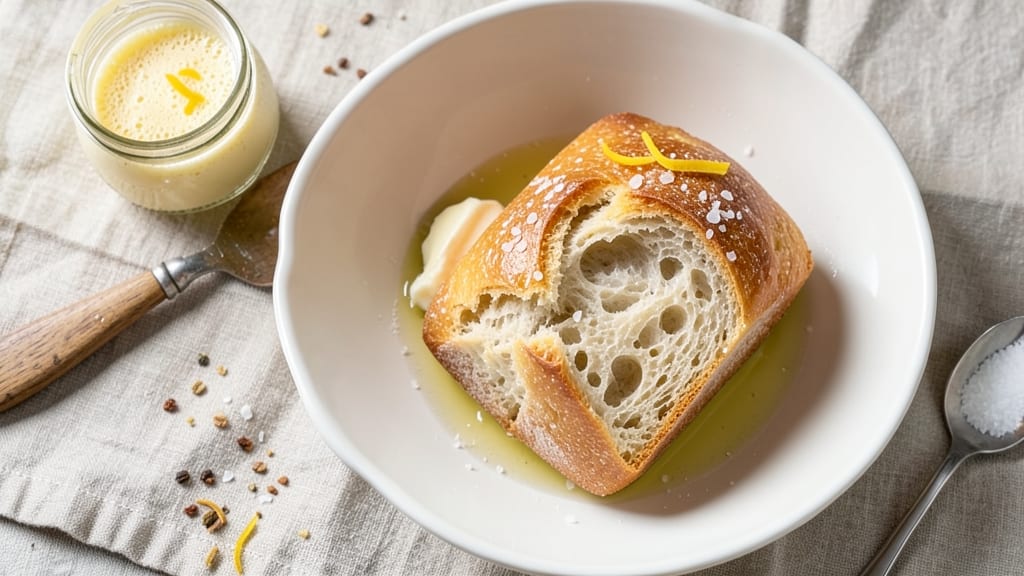
This airy white bread recipe delivers restaurant-quality loaves with a light-as-a-feather crumb and crisp golden crust—no fancy equipment needed. The secret lies in proper gluten development and the Dutch oven's steam, which creates that signature oven spring.
I've perfected this technique over years of testing, ensuring every slice has that melt-in-your-mouth texture home bakers dream of.
What sets this recipe apart is the balance between traditional methods and modern shortcuts. We'll use a simple 5-ingredient dough (flour, yeast, water, salt, and sugar) but focus on key techniques like proper kneading and controlled proofing to build structure while keeping the crumb tender.
The Dutch oven traps steam during baking, giving you that classic bakery-style rise without a steamer.
By the time you pull that loaf from the oven, you'll have perfectly aerated bread with a crisp crust and open crumb structure—each slice light enough to carry butter without tearing.
The aroma alone will have everyone asking for seconds. This method works equally well for sandwich loaves or dinner rolls, making it versatile for any occasion.
Whether you're a beginner or experienced baker, this recipe delivers foolproof results with professional techniques simplified. The key is patience in the proofing stage—letting the dough rise slowly develops flavor and texture that shortcut methods can't match. Let's get started on creating bread that rivals your favorite bakery.
Ingredients for airy white bread
Five simple ingredients transform into restaurant-quality bread with Dutch oven magic.
| Ingredient | Amount | Notes |
|---|---|---|
| Bread Flour 🌾 | 3 ½ cups | High-protein for structure |
| Active Dry Yeast 🍞 | ¼ tsp | Fresh yeast if available |
| Granulated Sugar 🍚 | 1 tbsp | Feeds yeast for rise |
| Diamond Crystal Kosher Salt 🧂 | 1 ½ tsp | Fine grain preferred |
| Warm Water 💧 | 1 ¼ cups | 110°F for yeast activation |
| Unsalted Butter 🧈 | ¼ cup | Cold, cubed for flavor |
| Cornmeal 🌽 | ¼ cup | For dusting Dutch oven |
| Large Eggs 🥚 | 1 whole | Room temperature preferred |
| Milk 🥛 | 1 tbsp | Warmed for egg wash |
| Extra-Virgin Olive Oil 🫒 | 1 tbsp | For egg wash richness |
The bread flour is non-negotiable here—King Arthur or Caputo are my go-tos for that perfect balance of protein and gluten. Bulk bins at Whole Foods often have great options if you want to splurge on specialty flour. The yeast needs to be active, so test it in warm water with a pinch of sugar—if it bubbles within 5 minutes, you're good. For the butter, Plugrá or Land O'Lakes unsalted melt beautifully during baking. The Dutch oven is your secret weapon—any heavy pot with a lid will work, but Lodge or Le Creuset are the gold standards. Preheat it empty for 30 minutes to get that perfect crust.
No bread flour? All-purpose flour plus 1 tbsp vital wheat gluten gets you close. The egg wash can be simplified to just milk if you're short on time—though the olive oil adds that extra richness. Dried yeast works fine, but fresh yeast gives you more control over the rise. If you're baking in a cold kitchen, warm your milk and water to 110°F to activate the yeast properly. The cornmeal is optional but helps create that crisp bottom crust. For a richer loaf, add 1 tbsp honey or melted butter to the dough, but keep it simple for the classic white bread flavor. The Dutch oven should be hot enough to create steam when you place the dough in—this is what gives you that signature oven spring.
Store the baked loaf in a bread bag or wrapped in a clean kitchen towel to maintain moisture. It's best enjoyed within 2-3 days, though you can freeze slices for up to 3 months. For extra crispiness, reheat slices in a 350°F oven for 5 minutes. The dough can be refrigerated overnight for a slower rise—just let it come to room temperature before shaping. If you're making multiple loaves, proof them one at a time to avoid overproofing. This bread freezes beautifully—wrap tightly in foil and thaw at room temperature before toasting.
Why You'll Love This Recipe
- No-Knead Magic: I’ll be real—this bread requires zero effort. Just mix the bread flour, yeast, sugar, and warm water (that’s it), let it rise overnight, and bake. Honestly, I’ve made it while watching TV, and it still turns out light and fluffy.
- Salt-Sweet Balance: Between us, the kosher salt and sugar combo in the dough gives it this just-right flavor—crispy crust, pillowy interior, no weird aftertaste. It’s the kind of bread that makes you pause mid-bite, like, "Wait, is this actually homemade?"
- Meal Prep MVP: This bread stays fresh for days, so I bake a loaf on Sundays and use it all week—toast for breakfasts, sandwiches for lunches, even croutons for salads. (Yes, even on a Tuesday night, it’s still fresh.)
- Budget-Friendly Staple: Five ingredients, minimal waste, and it costs pennies per serving. I’ve replaced store-bought bread entirely—no more sad, dense loaves from the bakery section. Just pure, airy goodness for less.
Step-by-step instructions for light-as-a-feather Dutch oven bread
Here's how to create bread so tender it practically melts in your mouth.
Activate the Yeast for Maximum Rise
In a small bowl, combine the 1.25 cups warm water (should feel like bathwater to your wrist), 1 tbsp granulated sugar, and 0.25 tsp active dry yeast. Let this sit for 5-10 minutes until it becomes frothy and bubbly—this confirms your yeast is alive and ready to work its magic. If it doesn't bubble, your yeast is dead and you'll need to start over.
The sugar feeds the yeast, helping it multiply rapidly. I always use fresh yeast for best results, but if you must use active dry, make sure it hasn't expired. The water temperature is critical—too hot kills the yeast, too cold slows activation. This step sets the foundation for that perfect airy crumb we're after.
Mix the Dough Until Windowpane Stage
In a large mixing bowl, combine the 3.5 cups bread flour and 1.5 tsp diamond crystal kosher salt. Make a well in the center and pour in the yeast mixture. Add the 0.25 cup cold unsalted butter (cut into small cubes) and 1 whole large egg. Mix with a wooden spoon until a shaggy dough forms.
Turn the dough out onto a lightly floured surface and knead for 8-10 minutes until it becomes smooth and elastic. To test if it's ready, perform the windowpane test: stretch a small piece of dough between your fingers until it's thin enough to see light through it. If it doesn't tear, your dough is properly developed. This kneading develops gluten, which gives the bread its structure while maintaining that light, airy quality.
First Rise - Let the Dough Double in Size
Lightly oil a large bowl, place the dough inside, and cover with a damp kitchen towel. Let it rise in a warm place for 1-1.5 hours or until it has doubled in size. You'll know it's ready when the dough springs back slowly when poked with a finger—this indicates proper fermentation.
I like to place my dough bowl on top of my turned-off oven with the light on for consistent warmth. Don't rush this step—proper fermentation develops flavor and creates that perfect crumb structure. If your kitchen is cold, extend the rising time to 2 hours. The dough should feel light and airy when ready, with visible bubbles on the surface.
Shape and Second Rise in the Dutch Oven
Preheat your oven to 450°F with the Dutch oven inside for 30 minutes. While it heats, punch down the risen dough and shape it into a round loaf. Place it seam-side up in a bowl and let it rise for another 20-30 minutes while the oven finishes preheating. This second rise gives the bread its final airiness.
To shape the dough, gently fold the edges toward the center and roll it into a smooth ball. The tension on the surface helps create that beautiful oven spring when baked. Dust the Dutch oven with 0.25 cup cornmeal to prevent sticking. The high heat of the Dutch oven creates steam, which is essential for that light, pillowy texture we're after.
Bake to Golden Perfection
Carefully transfer the shaped dough to the hot Dutch oven. Bake covered for 30 minutes, then remove the lid and bake uncovered for another 10-15 minutes until the bread is deep golden brown and sounds hollow when tapped on the bottom. The internal temperature should reach 190-200°F when checked with an instant-read thermometer.
For the egg wash, whisk together the 1 whole large egg, 1 tbsp milk, and 1 tbsp extra-virgin olive oil. Brush this generously over the loaf during the final 5 minutes of baking for that beautiful shine and crisp crust. Let the bread cool on a wire rack for at least 1 hour before slicing—this prevents a gummy interior. The result should be a crusty exterior with a soft, airy crumb that practically dissolves on your tongue.
Pro Tips For Making Airy White Bread
- TEST THE YEAST FIRST: Skip the guesswork—mix 1 teaspoon yeast with ¼ cup warm water (110°F) and 1 tsp sugar in a small bowl. If it doesn’t foam within 5–10 minutes, your yeast is dead. Toss it and start fresh. I learned this the hard way after baking a dense brick because my "fresh" yeast packet was actually expired.
- SALT THE WATER: Dissolve the full 2 teaspoons Diamond Crystal kosher salt into the warm water before mixing with flour—don’t sprinkle it in later. Salt dissolved in water distributes evenly, giving your dough consistent flavor and preventing pockets of saltiness. (Yes, even if you’re impatient like me.)
- STRETCH AND FOLD: After the first bulk rise, perform 3 sets of stretch-and-folds (every 30 minutes) instead of just one. Wet your hands, grab the dough at two opposite corners, stretch it upward, and fold it over itself. This builds gluten faster than kneading and guarantees that airy, pillowy texture.
- USE A BAKING STEAM: Place a metal bowl of boiling water in the oven before baking, then quickly add your shaped loaf. The steam mimics a commercial bakery, creating a crisp crust and keeping the crumb soft. Close the oven door immediately—no waiting. (Your future self will thank you.)
Wine and beer pairings for this airy white bread
Crisp White Wine
An off-dry Riesling from Germany or Alsace is my go-to pairing for this airy white bread—its honeyed apricot notes and subtle acidity complement the bread's buttery richness without overpowering. Look for a Kabinett-level Riesling with 1-2% residual sugar like Dr. Loosen Blue Slate or Trimbach Riesling.
The wine's crisp finish cuts through the bread's soft crumb while enhancing its caramelized crust. 🍷
Crisp Lager Beer
For beer lovers, a German Pilsner or Belgian Witbier brings refreshing contrast to the bread's richness. Try Stella Artois for its clean, crisp profile or Hoegaarden for a touch of coriander and citrus that brightens each bite.
The beer's effervescence cleanses your palate between slices, making it perfect for sandwiches or toast. 🍺
Buttery Chardonnay
If you prefer white wine, an un-oaked Chardonnay from California or New Zealand offers a buttery richness that mirrors the bread's texture. I love La Crema Monterey Chardonnay or Cloudy Bay Sauvignon Blanc for its peach and citrus notes that pair beautifully with the bread's crust.
The wine's medium body stands up to the bread's density while keeping it light. 🍷
Seasonal Cider Pairing
For a seasonal twist, dry sparkling cider like Martinelli's Brut or Woodchuck Hard Cider adds a festive touch. The bright acidity and apple notes refresh your palate between bites, especially during fall and winter gatherings. The effervescence also makes the bread taste even lighter and more delicate. 🍎
Coffee or Tea Contrast
If you prefer non-alcoholic pairings, lightly roasted coffee or Earl Grey tea creates an unexpected but delicious contrast. The citrus notes in tea and caramel undertones in coffee complement the bread's buttery flavor while adding complexity. Serve with a dash of honey to enhance the pairing. ☕
Nutrition facts
Frequently asked questions
Why does my white bread turn out dense instead of airy?
Dense bread usually comes from underdeveloped gluten or insufficient steam during baking. Make sure you knead until the dough reaches the windowpane stage (thin enough to see light through). For the Dutch oven method, preheat it empty for 30 minutes to create proper steam—this is what gives that signature oven spring. Also check your yeast: it should bubble vigorously within 5-10 minutes when mixed with warm water.
Can I make this bread without a Dutch oven?
Yes! Use a heavy oven-safe pot with a lid or even a baking stone with a steam pan. For best results, place a metal bowl filled with hot water on the lower oven rack to create steam. Bake covered for 30 minutes then uncover for 15 minutes. The bread won't be quite as crusty but will still have a light crumb.
How do I know when the dough is properly proofed?
Your dough is ready when it's doubled in size and springs back slowly when poked with a finger. Press gently—if it leaves a small indentation that doesn't spring back immediately, it's perfect. For the second rise (before baking), it should puff up noticeably in 20-30 minutes. Overproofing happens when the dough collapses or feels hollow when poked—this makes for a dense loaf.
Should I add more butter for extra richness?
You can add up to 1 extra tablespoon of cold butter, but don't exceed 0.5 cups total or the dough may become too sticky. The butter adds flavor and tenderness, but too much can interfere with gluten development. For extra richness, try brushing the baked loaf with melted butter after cooling. The egg wash already provides moisture and shine without needing additional fat.
How long can I store this bread?
Fresh bread stays best for 2-3 days at room temperature wrapped in a clean kitchen towel. For longer storage, freeze slices wrapped in plastic for up to 3 months. To revive, toast in a 350°F oven for 5 minutes or warm in a 200°F oven for 10 minutes wrapped in foil. The bread freezes beautifully and reheats with perfect texture—just avoid freezing the whole loaf as it can dry out.