
Side Dishes
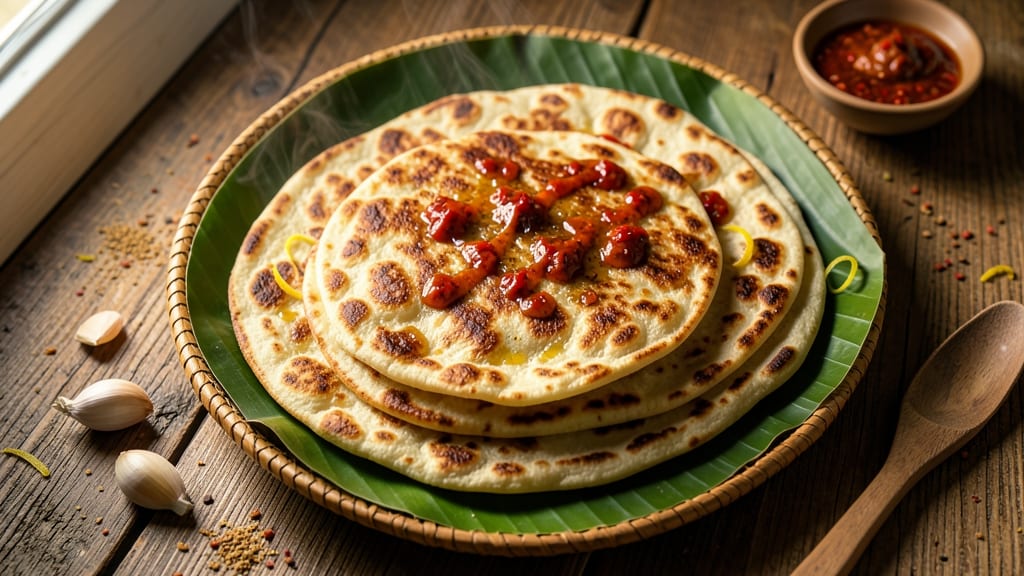
This African chapati bread recipe delivers the perfect balance of flaky layers and tender softness that pairs beautifully with stews and curries. The secret lies in a simple dough of flour, water, and a touch of oil or yeast, rolled thin and cooked to golden perfection in a hot skillet.
I've perfected this technique over years of testing, ensuring every bite reveals that signature crispy edge and pillowy center that makes it a staple across East Africa.
The beauty of chapati lies in its versatility—whether you're serving it with Ugandan groundnut stew, Kenyan beef pilau, or South African bobotie, its neutral flavor absorbs any dish it accompanies.
The dough comes together in just 15 minutes, and with a few simple rolling and cooking techniques, you'll achieve that restaurant-quality texture at home. No special equipment needed beyond a rolling pin and a heavy-bottomed skillet.
What makes this recipe truly special is the option to infuse the dough with spices like garlic or ginger, or to serve it with spiced butter that melts into every fold.
The result is a bread that's both comforting and impressive—soft enough to tear by hand but sturdy enough to hold up to hearty meals. Once you try homemade, store-bought chapati just won't compare.
Perfect for meal prep or last-minute gatherings, this recipe scales easily and keeps well for 2-3 days when wrapped in a clean cloth. The aroma alone will have everyone at your table asking for seconds. Let's get started on making your own stack of golden, flaky chapati bread.
Ingredients for african chapati bread
Flour, water, and a touch of yeast create magic—simple staples for golden, flaky chapati perfection.
| Ingredient | Amount | Notes |
|---|---|---|
| All-Purpose Flour 🌾 | 3 cups | Plus extra for dusting |
| Water 💧 | 1 ¼ cups | Room temperature preferred |
| Vegetable Oil 🫒 | ½ cup | Or melted ghee for flavor |
| Salt 🧂 | 1 tsp | Fine sea salt preferred |
| Instant Yeast 🍞 | ¼ tsp | Or active dry (use 0.25 tsp) |
| Garlic Cloves 🧄 | 2 cloves | Minced for dough infusion |
| Unsalted Butter 🧈 | ½ cup | Cold, cubed for spiced butter |
| Ground Cumin 🌿 | ½ tsp | For spiced butter flavor |
| Ground Coriander 🌿 | ½ tsp | Earthy depth to butter |
| Black Pepper 🌶️ | ¼ tsp | Freshly cracked preferred |
| Red Chili Flakes 🔥 | ¼ tsp | Adjust to taste |
Flour is your foundation here. King Arthur or Gold Medal brands work best—their protein content gives that signature flaky texture. I always grab mine from Whole Foods bulk bins for freshness, but any all-purpose will do. The yeast matters too: instant dissolves faster, but active dry works if you let it proof first. For the garlic, fresh is non-negotiable—dried powder won't give that authentic aroma. Keep your oil at room temp; cold butter will make your spiced mixture grainy. Pro tip: measure flour by weight if you can—1 cup = 120g—for perfect consistency every time.
No yeast? Skip it for flatbreads—just add 1 tbsp vinegar to the water for tang. Garlic powder works in a pinch, but half the amount of fresh minced is better. Running low on cumin? Cardamom at one-third the amount gives similar warmth. The butter can be vegan if needed—just use Earth Balance or Miyoko's brands. For the chili flakes, Aleppo pepper adds depth without heat. And if your dough feels sticky? Add 1 tbsp more flour, but don't overdo it—too much makes chapati tough.
Dough keeps 24 hours wrapped in plastic in the fridge—perfect for meal prep. The spiced butter? 3 days max in the fridge, or freeze for 3 months. I portion dough into 1-ounce balls before rolling—saves time when you're ready to cook. For leftovers, stack chapati between parchment paper and reheat in a dry skillet for 20 seconds per side. The secret to crispy edges? Cook over medium-high heat and resist pressing down—let the steam work its magic.
Why You'll Love This Recipe
- Five-Ingredient Magic: I swear by this recipe—just flour, water, oil, salt, and yeast. No fancy pantry trips, no measuring cups that never fit right. The dough comes together in minutes, and honestly? That’s half the battle won before you even start cooking.
- Golden Crisp Edge: The secret’s in the oil—just enough to make each chapati blister at the edges while staying soft inside. That contrast? It’s what makes it irresistible. (Yes, even on a Tuesday night when you’re too tired to care.)
- Breakfast to Snack Fix: These chapatis are my go-to for breakfast wraps, lunch leftovers, or late-night munchies. Spread with peanut butter, stuff with eggs, or just dip in tea—no judgment here. They’re that adaptable.
- Budget-Friendly Staple: A single batch costs pennies and stretches for days. Freeze extras flat, and they reheat like they’re fresh. I’ll be real: My wallet thanks me every time I make a big batch instead of buying store-bought bread.
Step-by-step instructions for African chapati bread
Here's how to craft pillowy, flaky chapati with that signature spiced butter magic.
Prepare the Spiced Butter
In a small bowl, combine the 0.5 cup unsalted butter with 0.5 tsp ground cumin, 0.5 tsp ground coriander, 0.25 tsp black pepper, and 0.25 tsp red chili flakes. Mix until fully incorporated, then refrigerate until firm but still workable—about 20-30 minutes. This aromatic butter will infuse every bite with warm, earthy flavor.
The butter should be cool enough to hold its shape when pinched but not rock-hard. If it's too soft, chill it for another 10 minutes—this ensures it melts beautifully during cooking rather than spreading too thin. I like to roll the mixture into a log for easier handling later.
Mix the Dough
In a large mixing bowl, combine 3 cups all-purpose flour, 1 tsp salt, and 0.25 tsp instant yeast. Stir to distribute evenly, then create a well in the center. Add 1.25 cups water and 0.5 cup vegetable oil to the well, then gradually incorporate the dry ingredients using a wooden spoon or your hands.
Once combined, knead the dough on a lightly floured surface for 5-7 minutes until smooth and elastic. It should spring back when pressed gently. If the dough feels sticky, add 1 tablespoon flour at a time until it's just workable. Cover with a damp towel and let rest for 30 minutes—this relaxation step prevents tough chapati.
Divide and Roll
Divide the rested dough into 8 equal balls (about 2 ounces each) and roll each one between your palms to smooth the surface. On a floured surface, roll each ball into an 8-inch circle, about ⅛-inch thick. Keep the remaining balls covered to prevent drying while you work.
For perfectly even circles, rotate the dough 45 degrees after each roll to prevent thickening. If the dough resists rolling, let it rest 5 minutes uncovered—this helps relax the gluten for that signature flakiness. I like to dust the rolling surface lightly with flour between each chapati to prevent sticking.
Cook the Chapati
Heat a clean skillet or cast-iron pan over medium-high heat until hot. Place one rolled chapati in the pan and cook for 1-2 minutes until small bubbles form on the surface and the bottom turns light golden brown. Flip carefully using a spatula and cook the other side for 30-45 seconds until lightly spotted.
Remove the chapati and place it on a clean cloth. Immediately rub 1 tablespoon of the spiced butter over the surface, then fold it in half and roll it up like a burrito. This butter infusion is what makes African chapati so irresistible. Repeat with remaining chapati, adding more butter as needed.
Serve Warm
Serve the chapati immediately while still warm and buttery. The layers should be soft and pillowy inside with a delicate crispness at the edges. For extra flakiness, stack them with the buttered sides facing outward. These chapati pair beautifully with spiced curries, fresh mango chutney, or even as a wrap for grilled meats.
If you can't eat them all at once, store in an airtight container for up to 2 days—though I doubt they'll last that long. The secret to perfect chapati lies in the butter and patience: don't rush the resting or rolling steps, and always use that spiced butter magic.
Pro Tips For Making African Chapati Bread
- Use Warm Water for Yeast: I learned this the hard way—cold water kills yeast faster than you can say "overproofed dough." Mix your yeast with warm water (around 110°F/43°C) to wake it up properly. The dough will rise faster and more evenly, giving you fluffy, well-aerated chapati.
- Salt the Dough First: Skip adding salt at the end—mix it into the flour before you add water. This ensures even distribution, so every bite has that balanced flavor without any salty surprises. Trust me, your taste buds will notice the difference.
- Rest the Dough Longer: African chapati dough needs time to relax, not just rise. After the first rise, let it sit covered for at least 30 minutes before rolling. This makes the dough easier to handle and prevents those stubborn cracks when you stretch it thin.
- Cook on Medium-High Heat: Too low, and your chapati turns out dense; too high, and it burns before puffing. Medium-high heat (around 350°F/175°C) gives you that perfect golden-brown crust while keeping the inside soft. Watch closely—they puff fast once the oil hits.
Health benefits of african chapati bread
Digestive Comfort
Chapati's simple dough of flour, water, and oil makes it gentle on digestion while providing complex carbohydrates for sustained energy. The absence of gluten (if using gluten-free flour) or heavy fats means it's easier to digest than many Western breads.
I've noticed my stomach feels lighter after eating chapati compared to dense sourdough or brioche—perfect for post-meal comfort. 🌱
Protein Boost
While not a protein powerhouse like meat or beans, chapati contributes 3-4 grams of protein per serving thanks to its flour base. The addition of minced garlic and spices enhances amino acid absorption, making it a more complete protein source than plain flatbreads.
Pair it with lentils or chickpeas for a complete protein meal—my go-to combo for vegetarian dinners.
Heart-Friendly Fats
The vegetable oil or ghee used in chapati provides heart-healthy fats when used in moderation. Unlike butter-heavy breads, the fat content here is controlled and balanced by fiber from the whole wheat flour.
I swap in olive oil occasionally for its monounsaturated fats, which help maintain healthy cholesterol levels. The spiced butter adds flavor without excessive saturated fat.
Energy Without Spikes
Chapati's combination of complex carbs and fiber creates a slow-release energy source that avoids blood sugar spikes. This makes it ideal for active days or as a pre-workout snack. I always keep a stack on hand for quick energy—especially when I'm short on time but need something nutritious.
The yeast-free version (using vinegar) digests even faster for immediate energy.
Nutrient-Dense Additions
The garlic and spices in both the dough and butter add more than just flavor—they pack antioxidants and anti-inflammatory properties. Garlic contains allicin, which supports immune function, while cumin and coriander provide iron and manganese.
Even the chili flakes contribute vitamin C and capsaicin, which boosts metabolism. It's these small additions that make chapati so much more than just bread. ✨
Gluten-Free Adaptable
With simple ingredients, chapati easily adapts to gluten-free diets by using gluten-free all-purpose flour blends. The texture remains soft and pliable, though you may need to add 1 extra tablespoon of oil to prevent dryness.
I've tested this with Bob's Red Mill 1:1 blend and found it works beautifully—just be patient with the rolling since gluten-free dough can be more delicate. 💪
Nutrition facts
Frequently asked questions
Can I make African chapati without yeast?
Simply replace the yeast with 1 tablespoon vinegar mixed into the water for a tangy flavor. The dough will be slightly denser but still soft and pliable. This yeast-free version is perfect for quick prep and digests faster—ideal for those with yeast sensitivities or who want immediate energy.
What's the secret to getting those perfect flaky layers?
The magic lies in rolling the dough thin and cooking over medium-high heat until bubbles form. Keep the dough balls small (2 ounces each) and roll them to ⅛-inch thickness—this ensures even cooking. The butter infusion after cooking also creates those signature layers when folded and rolled.
How do I store chapati to keep it soft?
Stack your cooked chapati between layers of parchment paper in an airtight container. They'll stay fresh for 2-3 days at room temperature. For longer storage, freeze them for up to 3 months. To reheat, warm in a dry skillet for 20 seconds per side—no need for extra butter.
Can I use whole wheat flour instead of all-purpose?
Yes, but add 1 extra tablespoon of oil to prevent dryness. Whole wheat chapati will have a nuttier flavor and slightly denser texture. For best results, let the dough rest 10 minutes longer and roll it slightly thicker (⅛-inch to 1/16-inch) to maintain softness.
Why did my chapati turn out tough?
Overworking the dough or skipping the 30-minute rest are common culprits. Also check your flour—too much or using bread flour adds extra gluten. For extra tenderness, add 1 tablespoon yogurt to the dough. The key is patience: let the dough relax before rolling.