
Desserts
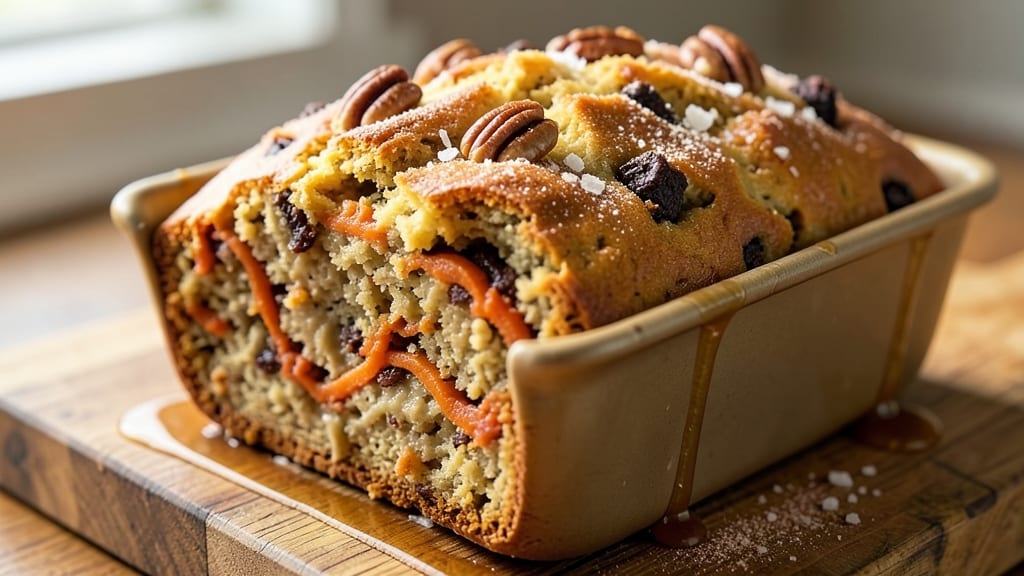
This African banana bread recipe transforms classic banana bread into a tropical, spiced masterpiece using sweet potatoes and plantains—two staples of West African cuisine. The warm flavors of nutmeg, cinnamon, and ginger create a comforting, aromatic loaf that’s moist, tender, and packed with natural sweetness without refined sugar.
I developed this version after craving something heartier than traditional banana bread, and the result is a dessert that feels both nostalgic and innovative.
The secret lies in the combination of ripe plantains and sweet potatoes, which add depth and moisture while keeping the texture light and fluffy. Unlike standard banana bread, this version incorporates whole spices toasted in butter for a fragrant, almost custard-like richness.
It’s perfect for breakfast, brunch, or as a comforting snack—especially when paired with a cup of chai or strong coffee.
What makes this recipe stand out is its adaptability: swap in regular bananas for a milder flavor, or add chocolate chips for extra indulgence. The crust stays golden and slightly crisp, while the interior remains velvety, with pockets of caramelized plantain and sweet potato.
It bakes in just 50 minutes, making it ideal for weeknight treats or holiday gatherings.
Whether you’re introducing African flavors to your kitchen or simply looking for a next-level banana bread, this recipe delivers restaurant-quality results with minimal effort. The spices and tropical ingredients create a loaf that’s as visually stunning as it is delicious—ready to impress anyone who takes a bite.
Ingredients for african banana bread
Eight servings of tropical depth—ripe plantains and sweet potatoes redefine banana bread with West African warmth.
| Ingredient | Amount | Notes |
|---|---|---|
| Ripe Plantains 🍌 | 1 ½ cups | Mashed, skin removed |
| Sweet Potatoes 🍠 | 1 cup | Cooked, mashed, skin removed |
| All-Purpose Flour 🌾 | 2 ½ cups | Unbleached preferred |
| Granulated Sugar 🍚 | 1 cup | Or coconut sugar for depth |
| Brown Sugar 🍚 | ½ cup | Packed firmly |
| Unsalted Butter 🧈 | ¾ cup | Cold, cubed |
| Large Eggs 🥚 | 2 whole | Room temperature |
| Plain Yogurt 🥛 | ½ cup | Greek or regular |
| Pure Vanilla Extract 🌿 | 1 tbsp | Or vanilla bean paste |
| Ground Cinnamon 🍃 | 2 tsp | Freshly ground preferred |
| Ground Nutmeg 🌶️ | ½ tsp | Freshly grated better |
| Ground Ginger 🌿 | 1 ½ tsp | Freshly ground preferred |
| Baking Soda 🧂 | 1 tsp | Diamond Crystal preferred |
| Salt 🧂 | ½ tsp | Fine sea salt |
| Chopped Walnuts 🌰 | ½ cup | Toasted for crunch |
The plantains and sweet potatoes are non-negotiable for that authentic African twist. Ripe plantains (black skin, squishy when pressed) are essential—they add natural sweetness and a subtle caramelized depth. Sweet potatoes should be cooked until tender and mashed smooth, with all skin removed. For the best flavor, grab organic plantains from Whole Foods or Latin markets, where they're often fresher than the average grocery store. If you can't find ripe plantains, green plantains cooked until tender work in a pinch, but the flavor will be less tropical. The spices—cinnamon, nutmeg, and ginger—are toasted in the butter to release their aromatic oils, creating that signature West African warmth.
No plantains? Double the mashed banana and add 1/4 cup coconut milk to mimic the moisture. Swap brown sugar for maple syrup if you prefer, though the texture may be slightly denser. For the walnuts, pecans or cashews work equally well—just toast them first for that same nutty crunch. The yogurt adds moisture and tenderness, so don't skip it; Greek yogurt works best, but regular yogurt is fine. If you're avoiding dairy, unsweetened almond yogurt holds up well. For the spices, pre-ground is fine, but if you've got whole spices, toast them lightly in the butter for an even deeper flavor. The baking soda is crucial—Diamond Crystal reacts differently than aluminum-free brands, so adjust if needed.
This loaf keeps beautifully for 4-5 days at room temperature, wrapped in foil, or up to 1 week in the fridge. For longer storage, slice and freeze individual portions for up to 3 months. The crust stays crisp for about 2 days if stored properly, but the interior remains moist. To reheat, wrap slices in a damp paper towel and microwave for 15-20 seconds. The spices intensify slightly overnight, so leftovers often taste even better the next day. For serving, a dusting of cinnamon or a drizzle of honey elevates the presentation—worth the extra minute.
Why You'll Love This Recipe
- No Peel, No Stress: I swear by this trick—just mash those ripe plantains right in their skins. No peeling, no mess, and the texture stays rich. Honestly, it’s the first time I’ve actually looked forward to prepping fruit for baking.
- Sweet Potato Magic: That earthy-sweet potato blend? It’s what makes this bread ridiculously good. The combo of ripe plantains and sweet potatoes gives it this deep, caramelized flavor that’s not too sweet, not too savory—just right.
- Breakfast to Snack: Between us, this bread is my go-to for breakfast toast and after-dinner dessert. Slice it warm with butter, or save slices for quick toast later—it reheats like a dream. (Yes, even on a Tuesday night.)
- Pantry Staple Power: I always have plantains and sweet potatoes on hand, so this recipe never feels like a special occasion. It’s budget-friendly, keeps well for days, and turns leftovers into something delicious instead of waste. Win-win.
Step-by-step instructions for African banana bread
This spiced twist on classic banana bread delivers rich, moist layers with warm African-inspired flavors.
Prepare the Sweet Potato and Plantain Base
Preheat your oven to 375°F and line an 8x4-inch loaf pan with parchment paper, extending the edges for easy removal. In a medium saucepan, combine the 1 cup cooked, mashed sweet potatoes and 1.5 cups mashed ripe plantains over medium-low heat. Warm through for 3-4 minutes until the mixture reaches 160°F, stirring occasionally to prevent sticking. The texture should be smooth and slightly thickened—this forms the bread's moist, flavorful foundation.
While warming, toast the 0.5 cup chopped walnuts in a dry skillet over medium heat for 2-3 minutes until fragrant and lightly golden. Set aside to cool completely before folding into the batter. This step enhances their crunch while preventing them from releasing excess moisture during baking.
Cream Butter and Sweeteners
In a large mixing bowl, combine the 0.75 cup cold, cubed unsalted butter, 1 cup granulated sugar, and 0.5 cup packed brown sugar. Beat using an electric mixer on medium speed for 3-4 minutes until the mixture is light, fluffy, and nearly tripled in volume. This creaming process incorporates air, which creates the bread's signature tender crumb. Scrape down the sides of the bowl with a spatula to ensure even mixing.
Add the 2 room-temperature large eggs, one at a time, mixing on low speed for 30 seconds after each addition. The mixture should become glossy and slightly thickened. Stir in the 1 tbsp pure vanilla extract and mix for another 10 seconds to fully incorporate. This step ensures the eggs are fully emulsified, preventing dense pockets in the finished loaf.
Combine Wet and Dry Ingredients
In a separate bowl, whisk together the 2.5 cups all-purpose flour, 2 tsp ground cinnamon, 0.5 tsp ground nutmeg, 1.5 tsp ground ginger, 1 tsp baking soda, and 0.5 tsp salt. Sift the mixture directly into the wet ingredients to aerate the flour and prevent gluten development, which keeps the texture tender. Gently fold in the 0.5 cup plain yogurt using a silicone spatula until just combined—overmixing introduces toughness.
Gradually add the warm sweet potato-plantain mixture to the batter, mixing on low speed for 20 seconds until evenly distributed. The batter should be thick but pourable. Fold in the 0.5 cup toasted chopped walnuts by hand, ensuring even distribution. The walnuts add texture contrast and nutty depth to balance the sweetness.
Bake to Golden Perfection
Pour the batter into the prepared loaf pan and smooth the top with a spatula. Tap the pan gently on the counter to release any air bubbles. Bake in the preheated oven for 50-55 minutes until a toothpick inserted into the center comes out clean and the top is deep golden brown. The edges should pull away slightly from the pan, indicating proper doneness.
For even baking, rotate the pan halfway through the baking time. If the top browns too quickly, loosely tent the pan with aluminum foil after 30 minutes to prevent over-browning while allowing the center to cook through. Let the bread cool in the pan for 10 minutes before transferring to a wire rack. This resting period allows the moisture to redistribute, ensuring a moist crumb throughout.
Serve and Store
Slice the bread into 8 even portions using a serrated knife. The interior should be moist with a fine, even crumb, and the sweet potato-plantain swirls should be visible throughout. Serve warm with a pat of butter or a dusting of cinnamon sugar for added warmth. The bread keeps well at room temperature in an airtight container for 3 days or can be frozen for up to 3 months for freshly baked flavor whenever needed.
This African-inspired twist on banana bread delivers a harmonious blend of sweet, spiced, and nutty flavors with a texture that's both moist and tender. The sweet potatoes add natural sweetness and depth, while the plantains contribute a subtle caramelized richness that elevates every bite.
Pro Tips For Making African Banana Bread
- Boil Plantains Twice: I learned this the hard way—plantains need a second boil to soften properly for blending. After the first 10-minute boil, drain, let cool slightly, then boil again for 5 minutes. This breaks down the starches so your batter isn’t grainy or gluey when mixed with sweet potatoes.
- Roast Sweet Potatoes First: Skip the raw potato mash—roast them at 400°F (200°C) for 25 minutes until fork-tender. This deepens their sweetness and makes blending them with plantains way easier, giving your bread that rich, caramelized depth without extra sugar.
- Mix Wet Dry Separately: Combine flour, sugars, and spices first, then add the wet ingredients. I used to toss everything in at once, and the batter always turned out dense. This method ensures even distribution—no dry pockets or gummy texture in the final loaf.
- Check Doneness at 325°F: Bake at 325°F (165°C), not higher—this recipe’s moisture-heavy batter needs slow, even cooking to avoid a cracked crust or underbaked center. Insert a toothpick at 50 minutes; if it comes out clean, you’re golden. If not, tent with foil and bake 10 more minutes.
Essential equipment for great african banana bread
Must-Have Mixing Tools
Start with a stand mixer or hand mixer—I swear by my KitchenAid Artisan Series for creaming butter and sugar to perfection. The paddle attachment ensures smooth incorporation of wet ingredients without overmixing.
For smaller batches, a hand mixer works just as well, but take your time to avoid gluten overdevelopment. A silicone spatula (I use OXO Good Grips) is essential for folding dry ingredients and the sweet potato-plantain mixture gently. 💛
Precision Baking Gear
An 8x4-inch loaf pan with nonstick coating is non-negotiable—I recommend Wilton’s Non-Stick Loaf Pan for easy release. Line it with parchment paper to prevent sticking and ensure clean slices. A digital instant-read thermometer (like Thermoworks Thermapen) helps monitor the sweet potato-plantain mixture’s temperature—160°F is ideal for smooth texture.
For even baking, use an oven thermometer to confirm your oven’s accuracy (mine runs 15°F hotter than set).
Spice Toasting Essentials
Toast your whole spices in a small cast-iron skillet (like Lodge’s 10-inch) for maximum flavor. The deep, even heat distributes evenly, enhancing the nutmeg, cinnamon, and ginger aromas. A fine-mesh sieve (I love OXO’s collapsible one) helps sift dry ingredients directly into the wet mixture, preventing lumps.
For nutty crunch, toast walnuts in the same skillet—just 2-3 minutes over medium heat until fragrant. Let them cool completely before folding into batter to avoid sogginess. 🌶️
Optional Upgrades
A microplane (like Mikasa’s) grates fresh nutmeg and ginger more finely than pre-ground spices, adding depth to every bite. For extra moisture, a small saucepan with a heatproof spatula helps warm the sweet potato-plantain mixture evenly.
If you’re ambitious, a food scale ensures precise measurements—critical for baking consistency. For presentation, a serrated knife (I use Mercer Culinary’s) cuts clean slices with minimal crumbling. 💡
Nutrition facts
Frequently asked questions
Can I substitute plantains with regular bananas?
Yes, but expect a milder flavor and slightly less moisture. Use 3 ripe bananas (about 1.5 cups mashed) and add 1/4 cup coconut milk to maintain texture. The sweet potato component remains essential for that authentic depth.
How do I know when plantains are ripe enough?
Look for plantains with black or deep yellow skin that's slightly soft when pressed. The flesh should be creamy and sweet-smelling. Unripe (green) plantains are starchy and better for savory dishes. For this recipe, ripe plantains are non-negotiable for the signature caramelized sweetness.
Why does my bread taste bland?
Most likely, your spices weren't toasted in the butter. Always toast whole spices (cinnamon, nutmeg, ginger) in the butter for 30 seconds before mixing to release their aromatic oils. Pre-ground spices lack this depth. Also ensure your plantains and sweet potatoes are fully ripe and properly mashed.
Can I make this gluten-free?
Yes! Replace the 2.5 cups all-purpose flour with a 1:1 gluten-free baking blend (like Bob's Red Mill) plus 1 tsp xanthan gum. Add 2 tbsp extra yogurt to maintain moisture. The texture will be slightly denser but still delicious. Always measure carefully—gluten-free flours absorb differently.
How do I store leftovers to keep them fresh?
Wrap cooled slices tightly in plastic wrap or store in an airtight container with a paper towel to absorb moisture. At room temperature, it keeps for 3 days. For longer storage, freeze slices individually for up to 3 months. Reheat frozen slices in the microwave for 15-20 seconds with a damp paper towel.