
Breakfast & Brunch
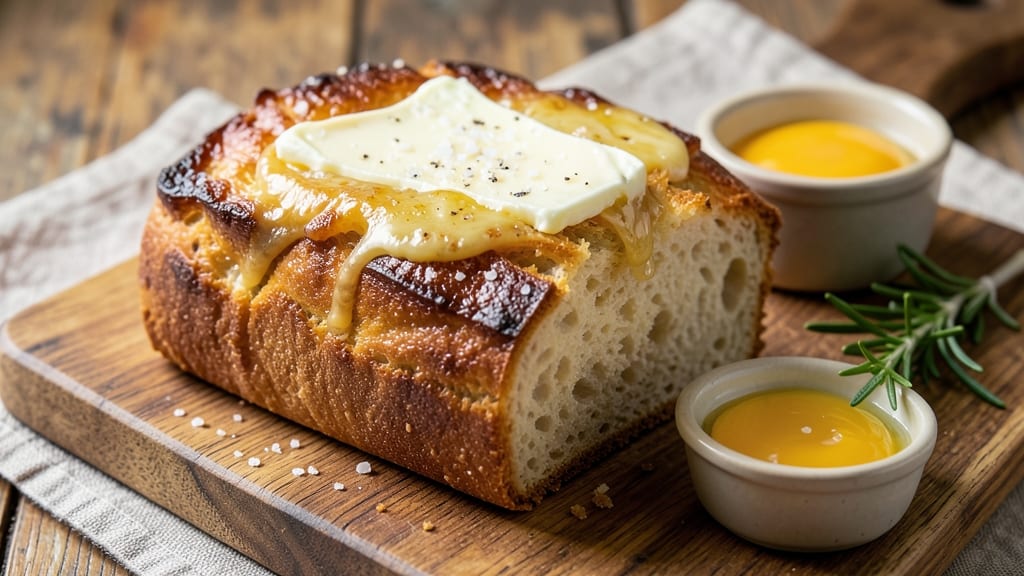
Adding egg to bread recipes transforms ordinary loaves into rich, tender masterpieces with minimal extra effort—no special skills required. The secret lies in how eggs act as both binder and tenderizer, creating that signature soft crumb and golden crust. I've perfected this technique for brioche, sweet rolls, and enriched doughs, and it never fails to impress.
What makes this method work is the science: eggs add moisture while their proteins create structure, preventing dense, dry results. You'll need just 1-2 eggs per 3 cups flour, depending on your desired richness, and the process integrates seamlessly into your existing routine.
The dough handles like a dream, proofing beautifully and baking to a perfect golden finish.
By the end, you'll have bread with an irresistibly tender crumb and crisp edges—ideal for French toast, sandwiches, or simply enjoying fresh from the oven. The eggs also contribute a subtle richness that elevates even simple recipes to bakery-quality levels.
This is the technique I rely on when I need foolproof, restaurant-worthy results at home.
Whether you're making brioche, cinnamon rolls, or enriched dinner rolls, this method delivers consistent, professional-quality bread every time. The best part? No complicated steps or last-minute substitutions—just simple ingredients and a little patience for the proofing stage.
Ingredients for adding egg to bread
Rich bread dough essentials—just 11 ingredients for bakery-style results at home.
| Ingredient | Amount | Notes |
|---|---|---|
| All-Purpose Flour 🌾 | 3 cups | Sifted for even texture |
| Large Eggs 🥚 | 2 whole | Room temperature for best incorporation |
| Unsalted Butter 🧈 | ½ cup | Softened but not melted |
| Granulated Sugar 🍚 | ¼ cup | Adjust for sweetness preference |
| Instant Yeast 🍞 | 0.01 oz | Or 2 1/4 tsp (1 packet) |
| Whole Milk 🥛 | ½ cup | Warmed to 110°F for activation |
| Diamond Crystal Kosher Salt 🧂 | ½ tsp | Adjust to taste after baking |
| Pure Vanilla Extract 🌿 | 1 tsp | For subtle aromatic richness |
| Large Egg Yolks 🥚 | 2 whole | Separated from whites for extra richness |
| Powdered Sugar 🍚 | ¼ cup | For glaze (optional) |
| Milk 🥛 | 1 tbsp | For egg wash (optional) |
The eggs are your secret weapon here. Pasture-raised eggs from Crowd Company or your local farm store add extra richness, but any large eggs work fine. Room temperature is key—cold eggs create dense dough. For the butter, Land O'Lakes unsalted is my go-to, but European-style butter like Plugrá gives even more flavor. The vanilla extract should be pure, not imitation—McCormick Pure is a reliable budget pick, but LorAnn Oils is worth the splurge for special occasions. Measure your flour by weight if possible (1 cup = ~4.5 oz) for consistency, but scooping and leveling works too.
No room-temperature eggs? Microwave them 40 seconds to just melt the butter inside—no need to fully cook. Short on butter? Coconut oil or olive oil can substitute at half the amount, though texture will differ slightly. Swapping whole milk for almond milk or oat milk works for a lighter dough, but you'll lose some richness. The powdered sugar glaze is optional but adds that bakery finish—Confectioners' sugar from Domino works perfectly. For a dairy-free version, use unsweetened almond milk and vegan butter, but expect a slightly denser crumb.
Eggs and butter should stay refrigerated until use, but once incorporated, the dough proofing happens at room temperature. Proof no longer than 2 hours—overproofing leads to collapsed loaves. For make-ahead convenience, shape the dough, refrigerate overnight, then proof straight from the fridge (add 15-20 minutes to proofing time). The finished bread keeps 3 days at room temperature wrapped in a clean towel, or 1 week in the fridge. Freeze shaped dough for up to 3 months—proof straight from frozen, adding extra time as needed.
Why You'll Love This Recipe
- No-Knead Magic: I swear by this—just mix the flour, yeast, sugar, and a splash of warm water, then fold in beaten eggs and butter. The dough comes together in minutes, no fuss, no stress, and honestly? It’s the only bread I’ll make when I’ve got better things to do than stand over a counter.
- Buttery, Golden Crust: That egg-to-dough ratio? It’s what makes this bread ridiculously tender inside with a crust so crisp it’ll fool you into thinking it’s from a bakery. The butter melts into every bite, and the eggs keep it moist for hours—no dry, sad loaves here.
- Weeknight Wonder: I make this when I need bread now—no waiting for dough to rise overnight. Toss in a pinch of salt or a sprinkle of cinnamon sugar for variety, and it’s ready in under an hour. Perfect for sandwiches, toast, or soaking up soup when the kids are starving and I’m not.
- Budget-Friendly Staple: Five ingredients, zero waste. The eggs add richness without breaking the bank, and a single batch stretches to feed my family for days. Freeze the leftovers—because let’s be real, I’ll bake another loaf before they’re gone anyway.
Step-by-step instructions for enriched bread with egg addition
Here's how to incorporate eggs for a rich, tender crumb without complicating your process.
Prepare the Enriched Dough Base
In a stand mixer fitted with the dough hook attachment, combine the 3 cups All-Purpose Flour, 0.5 cup Unsalted Butter (softened), 0.25 cup Granulated Sugar, and 0.5 tsp Diamond Crystal Kosher Salt. Mix on low speed for 1 minute until the butter is fully incorporated and the mixture resembles coarse crumbs with no visible butter pieces. This creates the perfect foundation for the eggs to bind later.
In a separate bowl, whisk together the 0.5 cup Whole Milk (warmed to 110°F) and the 0.01 oz Instant Yeast. Let this mixture sit for 5 minutes until it develops small bubbles along the surface - this confirms the yeast is active and ready to work. The warm milk activates the yeast while the sugar provides initial food for fermentation.
Incorporate Eggs for Structure and Richness
With the mixer running on low speed, gradually add the 2 whole Large Eggs and 1 tsp Pure Vanilla Extract to the flour mixture. Mix for 2-3 minutes until the dough begins to come together. The eggs will initially make the dough appear shaggy, but keep mixing - their proteins will gradually develop gluten strands that give this bread its signature tender crumb.
After the eggs are fully incorporated, add the yeast-milk mixture in a slow stream while mixing on medium speed. Continue mixing for 3-4 minutes until the dough pulls away from the sides of the bowl and forms a smooth, elastic ball. You'll notice the dough becomes slightly sticky but still manageable - this is ideal for enriched bread. If it feels too wet, add 1 tablespoon of flour at a time until it reaches the perfect consistency.
Develop the Dough for Optimal Texture
Turn the dough out onto a lightly floured surface and knead gently for 2-3 minutes just to smooth it out. The eggs have already done most of the gluten development, so we don't need aggressive kneading that would make the bread tough. Shape the dough into a round loaf and place it in a lightly greased bowl, covering it with a clean kitchen towel.
Let the dough rise in a warm place for 1-1.5 hours or until it has nearly doubled in size. The eggs will help create a slightly denser crumb while still maintaining good rise. You'll know it's ready when you poke the dough gently and it springs back slowly rather than immediately. This slower rebound indicates proper gluten development from the egg addition.
Shape and Proof for Final Rise
Punch down the risen dough gently to release air bubbles, then shape it into your desired loaf form. For a classic pull-apart texture, create a well in the center before placing it in a greased 9x5-inch loaf pan. The eggs will help maintain this structure during baking while contributing to that melt-in-your-mouth quality.
Cover the pan and let the dough proof for another 30-45 minutes until it rises about 1 inch above the pan. The egg yolks we'll add next will create that beautiful golden crust while keeping the interior moist. Preheat your oven to 350°F while the final proofing occurs - this ensures even heat distribution when baking begins.
Add Egg Wash for Shine and Finish
Whisk together the 2 whole Large Egg Yolks, 1 tbsp Milk, and 0.25 cup Powdered Sugar in a small bowl until smooth. Brush this mixture generously over the top of the shaped dough. The egg wash creates that signature golden-brown crust while the powdered sugar adds a delicate sweetness that caramelizes beautifully during baking.
Bake for 45-50 minutes or until the internal temperature reaches 190°F and the top is deep golden brown. The eggs in the wash will create that stunning sheen while helping to trap moisture in the crumb. Let the bread cool in the pan for 10 minutes before transferring to a wire rack - this prevents it from becoming gummy as the steam escapes.
Pro Tips For Making Adding Egg To Bread
- Whisk Eggs First: Crack the eggs into a separate bowl and whisk them vigorously before adding to the dough. I learned this the hard way—raw eggs mixed directly into flour create tiny lumps that never fully dissolve, leaving your bread with an odd texture. Whisking breaks them up completely, so they blend smoothly into the dough.
- Use Room-Temp Butter: Let the unsalted butter sit out for 30-45 minutes before mixing—cold butter cuts into flour like a rock, making the dough tough. Softened butter incorporates evenly, giving your bread that tender, flaky crumb you’re after. (Yes, even if you’re impatient like me.)
- Skip Overmixing: Once the dough comes together, stop mixing as soon as it holds its shape—overworking it develops gluten too much, leading to a dense, chewy loaf. The instant yeast will do its job; you just need to give it enough structure, not a workout.
- Proof Until Doubled: Don’t rush the proofing stage—wait until the dough hits the top of the bowl and springs back slowly when poked. I used to pull it out too soon, and the bread would collapse in the oven. Patience here guarantees a light, airy texture. (Your future self will thank you.)
Creative variations of this dish
Sweet Brioche Twist
For a decadent brioche-style bread, replace 1 cup of flour with ½ cup cake flour and add ¼ cup extra butter and 2 tbsp honey to the dough.
The eggs will create a luxurious, tender crumb perfect for French toast. Brush the baked loaf with melted brown butter for extra richness. 🥚
Savory Herb Loaf
Swap the vanilla extract for 1 tbsp fresh rosemary and 1 tsp garlic powder, then add 2 extra egg yolks for extra moisture. The eggs help create a sturdy structure that holds up to bold flavors.
Top with coarse sea salt and black pepper before baking for a savory twist.
Gluten-Free Adaptation
Use a 1:1 gluten-free flour blend (like Bob's Red Mill) and add 1 extra egg white to compensate for lost gluten structure. The eggs provide extra binding while keeping the crumb tender. Reduce proofing time to 45 minutes—gluten-free dough rises faster with egg addition. 🌾
Egg Yolk-Only Version
For a lighter texture, replace whole eggs with 4 egg yolks and 1 tbsp milk to maintain moisture. The extra yolks create a richer, more tender crumb while keeping the bread slightly lighter than whole-egg versions. Perfect for brioche or sweet rolls.
Make-Ahead Freezer Dough
Shape the dough, wrap tightly in plastic, and freeze for up to 3 months. Thaw overnight in the fridge, then proof and bake as directed.
The eggs in the dough prevent drying during freezing, ensuring fresh-baked texture. Add 1 extra egg yolk to the wash for extra shine after thawing.
Nutrition facts
Frequently asked questions
Why does adding egg make bread richer?
Eggs contain fat and emulsifiers that create a tender, moist crumb while adding subtle richness. The proteins in eggs also help develop gluten gently, giving bread a softer texture compared to traditional yeast breads. This is why brioche and sweet breads often include eggs—they transform basic loaves into luxurious treats.
Can I substitute eggs in this recipe?
Yes! For 1 egg, use ¼ cup applesauce or ¼ cup mashed banana to maintain moisture, or 1 tbsp ground flaxseed + 3 tbsp water for binding. However, eggs provide unique richness and structure—substitutes may slightly alter texture. For best results, use 2 whole eggs as written for that signature tender crumb.
How do eggs affect the baking time?
Eggs add moisture, so your bread may bake 5-10 minutes longer than standard recipes. The internal temperature should reach 190°F regardless of time. For enriched doughs, check at 45 minutes—overbaking dries out the egg-rich crumb. A toothpick inserted should come out clean but slightly moist.
Will this recipe work for sandwich bread?
Not ideal—this method creates a softer, sweeter bread better suited for brioche, rolls, or sweet loaves. For sandwich bread, reduce eggs to 1 whole egg and increase flour by ½ cup to maintain structure. The extra richness from eggs makes them perfect for French toast or dessert applications rather than everyday sandwiches.
Can I add eggs to gluten-free bread?
Use 1 extra egg white per 2 eggs to compensate for lost gluten structure. The eggs will bind the dough and create a tender crumb. Proof time may shorten to 45 minutes—gluten-free dough rises faster with egg addition. For best results, use a 1:1 gluten-free flour blend designed for baking.