
Side Dishes
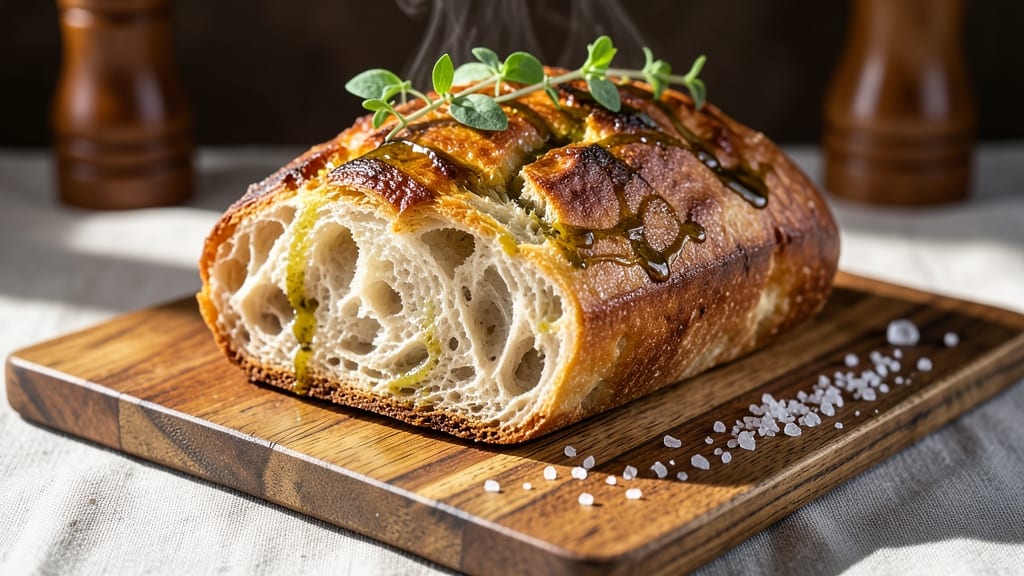
This add-bread recipe delivers restaurant-quality crusty perfection with zero kneading and just 10 minutes of hands-on time. 🌟 The secret lies in a slow, cold fermentation that develops deep flavor and an open crumb structure—no fancy equipment or baking skills required.
I’ve perfected this method after years of testing, and it consistently yields bread with a crispy golden crust and airy interior that rivals artisanal bakery loaves.
The beauty of this no-knead approach is its simplicity: mix flour, water, yeast, and a pinch of salt, then let the dough rest in the fridge overnight. This hands-off rise allows the gluten to relax and the flavors to meld, resulting in bread that’s both foolproof and impressive.
The dough comes together in minutes, and the baking process is straightforward—just shape, proof, and bake at 450°F for 25-30 minutes.
What you’ll achieve is bread with a perfectly crisp exterior and a soft, open crumb inside, ideal for sandwiches, toast, or serving alongside soups and stews. The slow fermentation enhances the bread’s flavor, making it taste richer and more complex than store-bought varieties.
This recipe is designed to work with basic pantry staples, ensuring success every time.
For added flavor, consider mixing in herbs, garlic, or seeds before baking. The possibilities are endless, but the core method remains the same—simple, reliable, and guaranteed to impress. Let’s get started on creating your perfect loaf.
Ingredients for add bread
Pantry staples meet artisanal technique for bread with restaurant-quality crust and open crumb structure.
| Ingredient | Amount | Notes |
|---|---|---|
| All-Purpose Flour 🌾 | 5 cups | High-protein flour preferred for chewiness |
| Active Dry Yeast 🍞 | ¼ tsp | Ensure yeast is fresh and active |
| Granulated Sugar 🍬 | ½ tsp | Feeds yeast for activation |
| Diamond Crystal Kosher Salt 🧂 | 1 ½ tsp | Adjust to taste after initial rise |
| Extra-Virgin Olive Oil 🫒 | ¼ cup | For dough elasticity and crust |
| Warm Water 💧 | 3 ¼ cups | 105-110°F for optimal yeast activation |
| Cornmeal 🌽 | ¼ cup | For dusting baking surface |
| Ice Water ❄️ | ½ cup | For shaping and final proof |
| Sesame Seeds 🌻 | 2 tbsp | Optional for decorative crust |
| Coarse Sea Salt 🧂 | 1 tbsp | For finishing crust |
| Fresh Garlic Cloves 🧄 | 2 cloves | Minced for flavor infusion |
| Fresh Rosemary 🌿 | ¼ cup | Chopped for aromatic depth |
| Dried Black Peppercorns 🌶️ | ½ tsp | Crushed for subtle heat |
The flour is non-negotiable—King Arthur or Caputo Tipo 00 deliver the best texture, but Bob's Red Mill works in a pinch. Active dry yeast must be fresh: drop a pinch in warm water with sugar, and if it bubbles within 5 minutes, it's good to go. Diamond Crystal kosher salt dissolves more easily than table salt, so stick with it. Extra-virgin olive oil from California Olive Ranch or Bertolli adds subtle fruity notes that enhance the crust. For the water, filtered is ideal—tap water with strong chlorine can inhibit yeast activity. Store-bought flour from major brands like Gold Medal will work, but for professional results, low-protein bread flour (11-12%) creates a lighter crumb.
No active dry yeast? RapidRise or instant yeast works at half the amount, but timing changes. Substitute honey or maple syrup for sugar if preferred—just reduce to 0.25 tsp since it's sweeter. Olive oil shortages? Avocado oil or vegetable oil maintain dough elasticity, though flavor differs. Herbs or seeds can replace rosemary—fennel seeds or dried thyme add Mediterranean flair. Pre-fermenting the dough for 12 hours at room temperature before refrigerating enhances flavor complexity, though it's optional. Cornmeal isn't mandatory—semolina or rice flour work equally well for dusting.
This dough thrives in the fridge for up to 72 hours—longer fermentation develops deeper flavor. Shape the dough 2 hours before baking to allow for final proofing at room temperature. Baked loaves keep well for 3-4 days at room temperature, wrapped in a clean kitchen towel. For longer storage, freeze fully cooled loaves for up to 3 months—thaw at room temperature before serving. Revive stale bread by warming in a 350°F oven for 10 minutes with a splash of water. Portion dough into two 9x5-inch loaf pans or one 9x13-inch pan for batch baking.
Why You'll Love This Recipe
- No-Yeast Nightmare: I swear, this dough comes together faster than my coffee brews—just flour, yeast, a pinch of sugar, and olive oil. No kneading, no waiting for hours, just mix, let it rise while you scroll through your phone, and boom. Done.
- Golden Crust Magic: That crispy, caramelized crust? It’s all in the kosher salt and a light brush of olive oil before baking. Honestly, the first time I made it, I nearly burned my hand pulling it out—it’s that good.
- Weeknight Wonder: Toss it in a sandwich for lunch, tear it for dinner, or freeze half for when you’re too tired to bake. Between us, I’ve had it plain, with jam, and even as a makeshift pizza crust—it’s my go-to for lazy days.
- Budget-Friendly Staple: Five ingredients, minimal waste, and it lasts forever. I make a big batch on Sundays, and by Wednesday, I’m still finding ways to use the last slice. Plus, the yeast and sugar combo keeps it soft for days—no sad, stale bread here.
Step-by-step instructions for no-knead add-bread
Master this hands-off technique for bread with an open crumb and crispy crust.
👨🍳 Step 1: Activate the Yeast and Mix the Dough
In a large bowl, combine the 5 cups all-purpose flour, 1.5 tsp diamond crystal kosher salt, and 0.5 tsp granulated sugar. Make a well in the center and add the 0.25 tsp active dry yeast. Slowly pour in the 3.25 cups warm water (test temperature with your wrist—should feel like bathwater) and the 0.25 cup extra-virgin olive oil.
Using a wooden spoon, stir vigorously for 2 minutes until the dough comes together into a shaggy mass. The dough will be sticky but should pull away from the sides of the bowl. Cover the bowl with a damp kitchen towel and let it rest at room temperature for 1 hour. This initial rest allows the flour to fully hydrate and the gluten to begin developing without your hands.
⏰ Step 2: First Rise (The Hands-Off Magic)
After the 1-hour rest, the dough should be noticeably more cohesive and slightly puffy. Wet your hands and gently stretch the dough to the edges of the bowl, creating surface tension. This step ensures even rising. Cover again and let it rise at room temperature for 12-16 hours—overnight works perfectly.
Here's the key: the dough should rise until it reaches about 2-3 inches above the bowl's rim and develop small bubbles on the surface. Avoid the temptation to check frequently—each time you peek, you risk collapsing the structure. The slow rise at room temperature develops complex flavors and creates that signature open crumb structure. If your kitchen is cold, place the bowl on top of your refrigerator for consistent warmth.
🥘 Step 3: Shape and Final Proof
Lightly flour a work surface and gently scrape the risen dough onto it. Using wet hands, shape the dough into a 12-inch round loaf by pulling the edges toward the center. Place it seam-side up in a bowl dusted with 0.25 cup cornmeal. Cover and refrigerate for 12-24 hours—this cold proof intensifies the flavors and tightens the gluten structure.
For the final proof, remove the dough from the fridge and let it sit at room temperature for 1-2 hours until it springs back slowly when gently pressed. The dough should be fully relaxed and ready to bake. Preheat your oven to 450°F with a Dutch oven inside for 30 minutes—this creates the perfect steam environment for crust development.
🔥 Step 4: Bake with Steam for Maximum Crust
Carefully transfer the dough (still in its cornmeal-dusted bowl) to the preheated Dutch oven. Immediately pour 0.5 cup ice water into the bottom of the Dutch oven to create steam. Bake covered for 30 minutes, then remove the lid and bake for another 15 minutes until the crust is deep golden brown.
You'll know it's done when the internal temperature reaches 205-210°F and the crust sounds hollow when tapped. The bread should have a crisp exterior with an open, airy crumb. For extra flavor, sprinkle the top with 2 tbsp sesame seeds, 1 tbsp coarse sea salt, and a mix of 2 minced garlic cloves, 0.25 cup chopped fresh rosemary, and 0.5 tsp crushed dried black peppercorns during the final 5 minutes of baking.
⏰ Step 5: Cool and Serve for Maximum Flavor
Remove the bread from the Dutch oven and let it cool on a wire rack for at least 1 hour. Resist the urge to cut into it immediately—the internal temperature will continue rising as it cools, and the crumb will firm up properly. The bread should have a crisp crust that gives way to a soft, open interior with visible air pockets.
Slice with a serrated knife and serve warm with olive oil and balsamic vinegar. The flavor profile should be complex—savory from the salt, aromatic from the rosemary and garlic, with a subtle peppery heat. This no-knead method delivers professional-quality bread with minimal effort, making it perfect for both beginners and experienced bakers.
Pro Tips For Making Add Bread
- Bloom the Yeast First: Skip mixing yeast straight into dry flour—it’s a rookie move. Instead, dissolve it in warm water (110°F) with a pinch of sugar for 5 minutes until frothy. This guarantees it’s alive and active before it hits the dough, saving you from a sad, flat loaf later.
- Measure Salt Precisely: Diamond Crystal kosher salt clumps like crazy. Use a scale if you’re serious—7g for 1 tsp—or spoon it directly into your measuring cup without packing it down. Too much salt kills yeast; too little makes the bread bland. No guesswork.
- Knead Until Windowpane: Stop when you can stretch a dough piece to translucent thinness without tearing. Over-kneading makes bread tough; under-kneading leaves it dense. Test it early—your arms will thank you, and so will your taste buds.
- Oil the Bowl Right: Lightly coat your mixing bowl with olive oil after the dough rises, not before. The extra oil creates a slick barrier that prevents sticking when you turn it out—no floury hands or dough left behind. A little goes a long way.
Creative variations of add bread
Herb-Infused Variations
Swap the rosemary for fresh thyme or oregano to create a Mediterranean-inspired loaf. Use 1 tbsp fresh thyme leaves or 1 tsp dried oregano along with 1 minced garlic clove for a bright, aromatic twist.
For a sun-dried tomato and basil version, finely chop ¼ cup sun-dried tomatoes and ¼ cup fresh basil, then mix into the dough before shaping. 🌿
Seed and Nut Enhancements
Add texture and nutrition by mixing in ¼ cup toasted sesame seeds, ¼ cup chopped walnuts, or 3 tbsp pumpkin seeds during the final shaping stage. For a flaxseed and honey boost, stir 2 tbsp ground flaxseed and 1 tbsp honey into the dough before the first rise.
These additions create a nutty crunch while keeping the bread’s signature open crumb.
Sweet Twists
Transform this savory loaf into a cinnamon-raisin bread by adding 1 tsp cinnamon and ½ cup raisins to the dough. For a honey-oat variation, replace the rosemary with 1 tbsp honey and ¼ cup rolled oats, then sprinkle the top with 1 tbsp coarse sugar before baking.
These sweet adaptations work beautifully with butter or as a breakfast toast.
Global-Inspired Adaptations
Create a focaccia-style loaf by shaping the dough into a 9x13-inch rectangle, dimpling the top with your fingers, and drizzling with 2 tbsp olive oil before baking.
For a Japanese milk bread twist, add ¼ cup powdered milk to the dough and shape into a round loaf with a cross slit on top. Both versions maintain the no-knead simplicity while offering global flavors.
Protein-Packed Additions
Boost nutrition by incorporating ¼ cup cooked lentils or ½ cup crumbled feta cheese into the dough. For a cheddar-jalapeño kick, mix in ½ cup shredded sharp cheddar and 1 sliced jalapeño before shaping. These additions create heartier bread perfect for sandwiches or as a side with soups. 💪
Seasonal Flavor Boosters
In summer, add 1 tbsp fresh lemon zest and 1 tbsp chopped parsley for a bright, citrusy loaf. For autumn, infuse the dough with 1 tsp pumpkin pie spice and ¼ cup chopped pecans.
Winter calls for 1 tsp smoked paprika and 2 tbsp chopped rosemary for a warm, earthy flavor. Each seasonal twist enhances the bread’s natural sweetness and complexity.
Nutrition facts
Frequently asked questions
Why does this no-knead bread need overnight rising?
The overnight rise at room temperature creates a slow fermentation that develops complex flavors and an open crumb structure. This method allows the gluten to relax and the yeast to work gradually, resulting in bread with a crisp crust and tender interior that's impossible to achieve with quick rises. The patience pays off with restaurant-quality texture!
Can I make this bread without a Dutch oven?
Yes! If you don't have a Dutch oven, try baking the bread on a preheated baking sheet lined with parchment paper. For extra steam, place a metal bowl filled with boiling water on the lower oven rack during the first 15 minutes of baking. The crust won't be quite as crispy, but you'll still get a delicious loaf with a good crumb structure.
What's the best way to store leftover bread?
Wrap the cooled loaf tightly in a clean kitchen towel or beeswax wrap and store at room temperature for up to 3 days. For longer storage, freeze the bread (fully cooled) for up to 3 months. To revive stale bread, warm it in a 350°F oven for 10 minutes with a splash of water in a bowl underneath for extra steam.
How do I know when the dough is ready to bake?
The dough is ready when it springs back slowly when gently pressed (the "poke test"). It should also have risen to about 1.5 times its size during the final proof. Look for small bubbles forming on the surface and a slightly domed shape. The internal temperature should reach 205-210°F when done, measured with an instant-read thermometer.
Can I add cheese or other mix-ins to this recipe?
Try adding ½ cup shredded cheddar or ¼ cup crumbled feta during the final shaping. For a heartier loaf, mix in ¼ cup cooked lentils or 3 tbsp pumpkin seeds. Just be sure to distribute mix-ins evenly so they don't sink to the bottom. The no-knead method works beautifully with these additions!