
Side Dishes
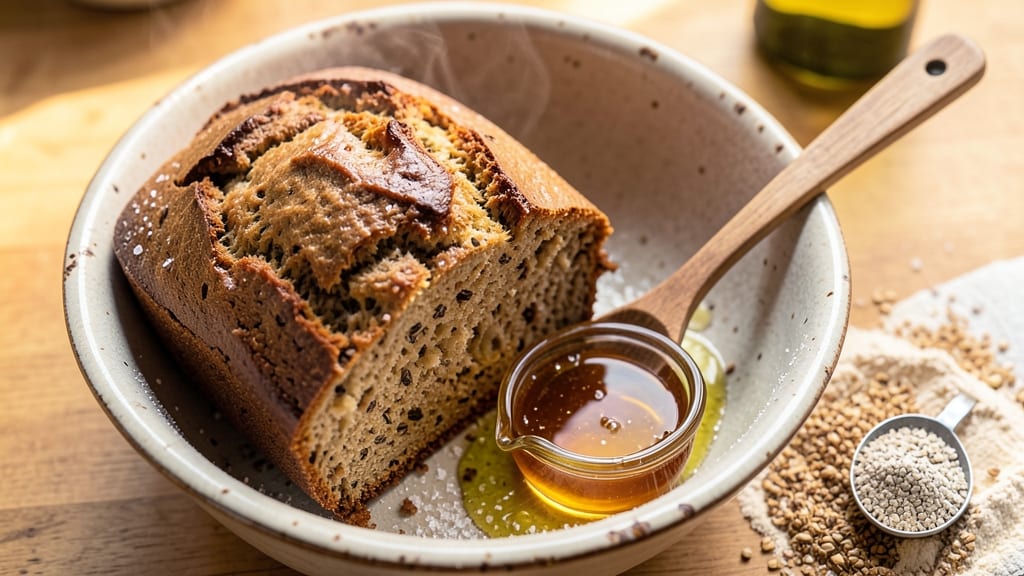
This active dry yeast whole wheat bread recipe delivers the perfect balance of nutty flavor and crispy crust without compromising nutrition. The secret lies in proper yeast activation and a slow fermentation process that develops deep flavor while keeping the texture tender yet sturdy.
I've perfected this method after years of testing—no more dense, crumbly whole wheat loaves that fall apart at the first slice.
The dough comes together with simple ingredients you likely already have: whole wheat flour, active dry yeast, honey for natural sweetness, and a touch of olive oil for richness.
The kneading process is straightforward, and the proofing stages are where the magic happens—patience here transforms basic flour into bread with a satisfying chew and golden-brown crust. This isn't your average whole wheat loaf; it's a bread that rivals artisanal sourdough in texture and flavor.
By the time you pull it from the oven, you'll have a loaf with a crispy crown that snaps satisfyingly and a nutty interior packed with flavor. The crust develops a beautiful golden hue with just the right amount of crunch, while the crumb remains tender yet substantial.
It's the kind of bread that makes toast, sandwiches, and garlic bread irresistible—without requiring advanced baking skills.
Best of all, this recipe yields a loaf that stays fresh for days and freezes beautifully for future use. Whether you're baking for a family dinner or meal prepping for the week, this whole wheat bread delivers restaurant-quality results with minimal effort. Let's get started on creating your perfect loaf.
Ingredients for active dry yeast whole wheat bread
Nine simple ingredients transform into a loaf with a crispy crown and nutty crumb.
| Ingredient | Amount | Notes |
|---|---|---|
| Whole Wheat Flour 🌾 | 4 cups | Unbleached preferred for better texture |
| Active Dry Yeast 🍞 | 2 ¼ tsp | Ensure yeast is fresh and active |
| Granulated Sugar 🍚 | 1 tbsp | Helps activate yeast quickly |
| Warm Water 💧 | 1 ¼ cups | 110°F for optimal yeast activation |
| Honey 🍯 | 2 tbsp | Adds natural sweetness and moisture |
| Extra-Virgin Olive Oil 🫒 | 2 tbsp | For richness and softness |
| Salt 🧂 | 1 ½ tsp | Kosher salt preferred for balance |
| Cornmeal 🌽 | ¼ cup | For dusting bread pan |
| Ice Water ❄️ | ¼ cup | For final dough adjustment |
The whole wheat flour is the star here. King Arthur or Bob's Red Mill brands are my go-tos—they're finely milled for a lighter texture. If you can only grab one, Bob's Red Mill is the most accessible. Look for unbleached flour if you want that classic golden hue. The yeast needs to be fresh—if it's past its expiration, toss it. Fleischmann's is reliable, but check the date. Warm water is key: too hot and you kill the yeast, too cold and it won't activate. I use my microwave for 30 seconds to hit that perfect 110°F spot.
No honey? Maple syrup or agave nectar work just as well for sweetness. Short on olive oil? Melted coconut oil or butter are great substitutes—just know they'll give slightly different flavors. The cornmeal can be swapped for semolina or flour, but cornmeal adds that extra crunch to the crust. If your dough feels too sticky after kneading, add a splash more flour (but don't overdo it—we want that chewy texture). For the ice water, I keep a small bowl in the freezer so it's ready when I need it—no waiting for cubes to melt.
This dough ferments beautifully overnight, so I always make it the night before. Cover with a damp towel and let it rise at room temperature for 1-2 hours, then refrigerate for 8-12 hours. The cold slows fermentation, developing deeper flavor. Pull it out an hour before baking to come to room temp. The loaf stays fresh for 4-5 days wrapped in a cotton towel, or you can freeze it for up to 3 months. I slice and toast frozen bread straight from the freezer—no thawing needed.
Why You'll Love This Recipe
- No-Fuss Dough: I swear by this method—just mix, let it rise, and shape. No stand mixer, no fancy techniques, just a bowl and your hands. The yeast does all the heavy lifting while I sip my coffee.
- Honeyed Depth: That touch of honey in the dough? It’s the secret weapon. It balances the earthy whole wheat, giving every bite a subtle sweetness that makes even the simplest sandwich feel like a treat.
- Meal Prep Hero: Bake a loaf on Sunday, and you’ve got breakfast, lunch, or dinner covered all week. Toast it, slice it for sandwiches, or pack it with lunch—it’s the ultimate pantry staple that won’t go to waste.
- Budget-Friendly Staple: Whole wheat flour and yeast are cheap, but the results feel gourmet. I make two loaves for the price of one store-bought, and honestly? They taste better. Plus, leftovers last forever if you freeze them.
Step-by-step instructions for active dry yeast whole wheat bread
Let's create a wholesome loaf with a nutty crumb and perfect crust—this method guarantees success.
Activate the Yeast for Maximum Rise
In a small bowl, combine the 1.25 cups warm water (about 110°F), 1 tbsp granulated sugar, and 2.25 tsp active dry yeast. Stir gently and let sit for 5-10 minutes until frothy. You'll see tiny bubbles forming—this confirms the yeast is alive and ready to work. If it doesn't bubble, your yeast may be inactive, and you'll need to start over.
Here's the thing—yeast works best when it's happy and active. The sugar helps it wake up faster, and the warm water creates the perfect environment. Don't skip this step; it's the foundation for a light, airy loaf. If the water is too hot, you'll kill the yeast instantly—always check the temperature with a thermometer.
Mix the Dough Until Just Combined
In a large mixing bowl, whisk together the 4 cups whole wheat flour and 1.5 tsp salt. Add the yeast mixture, 2 tbsp honey, and 2 tbsp extra-virgin olive oil. Mix with a wooden spoon until everything comes together—you'll see a shaggy dough form. Don't be tempted to overmix; whole wheat flour develops gluten faster than white flour, and that can make your bread dense.
Once the dough starts pulling away from the sides of the bowl, it's ready for the next step. Whole wheat dough is stickier than white wheat dough, so I like to wet my hands slightly with water to prevent sticking. The honey and olive oil add moisture and richness, balancing the earthy flavor of the whole wheat flour.
Knead by Hand for Perfect Texture
Turn the dough onto a lightly floured surface and knead for 8-10 minutes by hand. Push down, fold over, and turn—this builds gluten without overworking the dough. You'll know it's ready when it's smooth and slightly springy. Whole wheat dough doesn't stretch as much as white wheat dough, so focus on developing the gluten evenly throughout.
If the dough feels too sticky, add 1-2 tablespoons of warm water at a time until it's just manageable. The goal is a dough that's soft but not wet. Kneading by hand gives you better control over the texture, especially with whole wheat flour. Don't rush this step—proper kneading ensures a light, airy crumb.
Let the Dough Rise Until Doubled
Lightly grease a large bowl with olive oil, place the dough inside, and cover with a damp kitchen towel. Let it rise in a warm spot for 1-2 hours until it's doubled in size. You'll see the dough puff up noticeably—this is when the yeast does its magic. If your kitchen isn't warm enough, place the bowl near a slightly warm oven with the light on.
Patience is key here. Whole wheat dough rises more slowly than white wheat dough, so don't be tempted to rush it. The dough should feel light and springy when pressed gently. If it doesn't rise much, your yeast might not have been active enough, or the kitchen might have been too cool. This is where that initial yeast activation step pays off.
Shape, Proof, and Bake for a Crusty Crown
Punch down the risen dough and shape it into a round loaf on a baking sheet dusted with 0.25 cup cornmeal. Cover again and let it proof for 30-45 minutes until it rises slightly. Preheat your oven to 375°F while the dough proofs. The cornmeal helps create a crispy bottom crust and prevents sticking.
Here's where it gets exciting—the final rise. The dough should look puffy and slightly domed. Brush the top with a little water or olive oil for a shiny crust. Bake for 35-40 minutes until the bread is deep golden brown and sounds hollow when tapped on the bottom. The aroma will fill your kitchen—worth every minute of waiting!
Cool and Slice for the Perfect Crumb
Remove the bread from the oven and let it cool on a wire rack for at least 30 minutes. This resting period allows the steam inside to escape, preventing a gummy texture. Whole wheat bread stays warm longer than white bread, so don't be tempted to slice it too soon. The longer it cools, the better the texture.
Once cooled, slice into thick pieces to reveal that beautiful nutty crumb. The crust should be crispy and golden, while the interior should be soft and airy. If you've followed these steps, you'll have a loaf that's perfect for sandwiches, toast, or enjoying on its own. Store leftovers in an airtight container for up to 3 days, or freeze for longer storage.
Pro Tips For Making Active Dry Yeast Whole Wheat Bread
- Bloom the Yeast First: I learned this the hard way—skipping the 5-minute yeast bloom in warm water (110°F) with a pinch of sugar means your dough will rise slower and weaker. The bubbles should be active and frothy before adding flour; if they’re sluggish, your whole wheat dough will fight you later.
- Use Honey After Mixing: Whole wheat flour soaks up moisture fast, so don’t add the honey to the dry ingredients. Stir it into the wet mix last—this keeps the dough from turning into a stiff, unworkable brick. A tablespoon of honey isn’t just sweetener; it’s what makes the crust soften just enough to eat.
- Don’t Over-Knead: Whole wheat dough tears easily, and overworking it turns it gummy. Aim for 8–10 minutes by hand (or 5–6 on low speed) until it’s smooth but still slightly tacky. If it sticks to your hands, you’ve gone too far—and your bread will taste dense.
- Shape Loaves Tight: Whole wheat dough spreads more than white flour dough. Press the seams together firmly when shaping—this traps gas and prevents sad, flat loaves. A well-seamed boule or batard rises higher and holds its shape better in the oven. (Yes, even if it looks messy at first.)
Regional styles of this recipe
Italian Rustic Style
Transform this whole wheat loaf into an Italian-inspired focaccia by shaping it into a flat rectangle on a baking sheet. Before baking, dimple the top with your fingers and drizzle with 1 tbsp olive oil mixed with ½ tsp sea salt.
Top with ¼ cup cherry tomatoes, ¼ cup Kalamata olives, and 2 tbsp fresh rosemary. Bake at 375°F for 25-30 minutes until golden. The result? A crispy, herby flatbread perfect for dipping in olive oil or pairing with soups. 🌿
German Pumpernickel Twist
For a German-inspired dark rye flavor, replace 1 cup of whole wheat flour with 1 cup rye flour (or use all rye for a stronger taste). Add 1 tsp molasses to the dough for depth.
Shape into a round loaf and bake at 350°F for 50-60 minutes for a denser, heartier bread. The longer bake time develops a deep, malty flavor. Serve with butter and smoked salmon for a true German-inspired meal. 🥖
Southern U.S. Cornbread Bread
Give this loaf a Southern flair by adding ½ cup cornmeal to the flour and 1 tsp baking powder to the dough. Shape into a round loaf and bake as directed. For extra richness, brush the crust with melted butter after baking.
This version has a slightly sweet, cornbread-like texture that pairs perfectly with chili or BBQ. The cornmeal adds a lovely crunch to every bite. 🌽
French Fougasse Variation
Create a French-style fougasse by shaping the dough into an oval with scalloped edges. Before baking, score the top with a sharp knife in a diamond pattern. Brush with 1 tbsp olive oil and sprinkle with flaky sea salt.
Bake at 375°F for 30-35 minutes until golden. Serve warm with herbed goat cheese or prosciutto. The open texture makes it ideal for soaking up sauces or dips. 🥖✨
Mexican Pan de Muerto
For a Mexican-inspired sweet loaf, replace the honey with 2 tbsp piloncillo sugar (or brown sugar) and add 1 tsp cinnamon to the dough. Shape into a round loaf and bake as directed.
After baking, brush with a honey-orange glaze (mix 2 tbsp honey + 1 tbsp orange juice). Decorate with orange zest and sesame seeds for a festive touch. Perfect for Día de los Muertos celebrations! 🎉
Nutrition facts
Frequently asked questions
Why does my whole wheat dough feel so sticky?
Whole wheat flour absorbs more moisture than white flour due to its higher protein and fiber content. The dough should be soft but not wet—add 1-2 tablespoons of warm water at a time while kneading if needed. Wet your hands slightly with water to prevent sticking, and avoid over-flouring which can make the bread dense. The stickiness is normal and actually helps create that satisfying chew!
Can I substitute active dry yeast with instant yeast?
Yes! Use 2 tsp instant yeast instead of 2.25 tsp active dry yeast and skip the sugar in the activation step. Sprinkle the instant yeast directly into the dry ingredients when mixing. The dough will rise slightly faster, so monitor the proofing time closely—it may be ready in 45-60 minutes instead of 1-2 hours. Instant yeast doesn't require activation water.
How do I fix a dense whole wheat loaf?
Dense bread usually means over-kneading or under-proofing. For future batches, knead for 8-10 minutes max and let the dough rise until it's doubled in size. If your kitchen is cold, place the dough near a warm oven with the light on. Also, ensure your yeast is fresh—expired yeast won't activate properly. For this loaf, the honey and olive oil help keep it tender, so don't skip those!
Can I make this bread without a stand mixer?
This recipe is designed for hand-kneading. Turn the dough onto a lightly floured surface and knead for 8-10 minutes by pushing, folding, and turning. Whole wheat dough is less elastic than white wheat dough, so focus on even gluten development rather than stretching. The hand-kneading method actually helps create a more rustic texture that many bakers prefer!
How long can I refrigerate the dough before baking?
You can refrigerate the shaped dough (after first rise) for up to 24 hours for enhanced flavor. Cover it tightly with plastic wrap or a damp towel, then place in the fridge. Let it come to room temperature for 1 hour before baking—this final proof will help it rise properly. The cold slows fermentation, developing deeper, more complex flavors. Perfect for overnight baking!