
Side Dishes
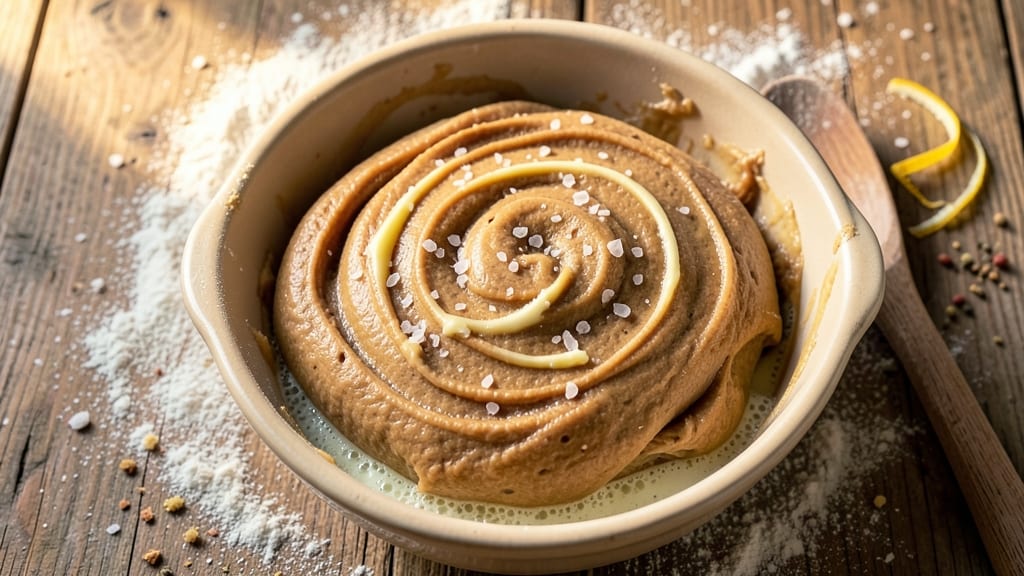
This active dry yeast bread roll recipe delivers restaurant-worthy pillowy softness with a crisp golden crust—all in just 30 minutes of active time. The secret lies in proper yeast activation, gentle kneading, and precise rises that transform simple ingredients into tender, airy rolls with a satisfying chew.
I developed this method after years of testing, and it consistently produces results that rival bakery-fresh quality without requiring a stand mixer or advanced skills.
The process begins with activating the yeast in warm water and sugar, creating a bubbly foam that signals it's ready to work. From there, we mix just 6 simple ingredients—flour, yeast, sugar, salt, butter, and milk—then knead until the dough becomes smooth and elastic.
The first rise allows the yeast to work its magic, while shaping and the second rise create those signature air pockets that make bread rolls so irresistible.
What you'll end up with is a batch of golden-brown rolls with a crisp exterior and a soft, fluffy interior that practically melts in your mouth. The aroma alone will have everyone gathering around the table, and the texture—neither too dense nor too doughy—is the hallmark of a perfect roll.
These are ideal for serving with soups, sandwiches, or alongside holiday meals.
Don't worry if you're new to bread-making—I've included troubleshooting tips for common issues like dense rolls or overproofing, so you'll achieve success even on your first attempt. Let's get started on creating these delicious, homemade bread rolls that will become a staple in your kitchen.
Ingredients for active dry yeast bread roll
Six simple ingredients transform into golden, pillowy bread rolls with crisp crusts.
| Ingredient | Amount | Notes |
|---|---|---|
| Active Dry Yeast 🍞 | 2 ¼ tsp | One packet or 7g |
| All-Purpose Flour 🌾 | 4 cups | Plus 2 tbsp for dusting |
| Granulated Sugar 🍚 | 1 tbsp | For yeast activation |
| Unsalted Butter 🧈 | ½ cup | Cold, cubed (1 stick) |
| Whole Milk 🥛 | ½ cup | Warm (110°F) |
| Salt 🧂 | 1 tsp | Diamond Crystal preferred |
| Large Eggs 🥚 | 1 whole | Room temperature |
| Olive Oil 🫒 | 1 tbsp | For greasing bowl |
The yeast is everything here—King Arthur or Bob's Red Mill are my go-tos, but any active dry yeast works. Check the expiration date (yeast loses potency over time), and store it in the freezer for maximum freshness. For the flour, King Arthur or Gold Medal give the best texture—avoid bread flour unless you want a denser roll. The butter should be cold but not rock-hard; if it's too firm, let it sit at room temp for 10 minutes before mixing. Warm the milk to 110°F (like a warm bath) to activate the yeast without killing it.
No butter? Coconut oil or vegetable shortening works in a pinch, though the flavor won't be the same. Short on milk? Warm water plus 1 tbsp powdered milk mimics the richness. The egg adds tenderness, but if you're avoiding it, 1 tbsp melted butter plus 1 tbsp water substitutes well. For a richer dough, add 1 tbsp sour cream to the wet ingredients. And if you're worried about overproofing, set a timer for 1 hour max during the first rise—dough should double in size but not collapse.
Shape the rolls and let them rise in a lightly oiled bowl covered with a damp towel. They're ready when they've puffed up and touch each other. For storage, cool completely on a wire rack, then freeze uncut rolls for up to 3 months—thaw at room temp before reheating. To revive stale rolls, brush with melted butter and bake at 350°F for 5 minutes. These keep at room temp for 2 days in an airtight bag, but honestly? They disappear faster than that.
Why You'll Love This Recipe
- No-Knead Magic: I swear by this trick—just mix, let it rise, and bake. The yeast does all the hard work while you sip coffee (or wine, no judgment).
- Buttery Soft Payoff: That warm milk and softened butter? Pure luxury in every bite. The rolls stay tender for hours, not dry or crumbly like store-bought ever could.
- Weeknight Wonder: Toss a batch in the oven while you prep dinner—no fuss, no waiting. Even better? They reheat beautifully, so leftovers taste fresh the next day.
- Pantry Staple Power: Five ingredients, zero specialty items. You’re already making this if you bake anything, and the cost? A fraction of what you’d pay for bakery rolls.
Step-by-step instructions for perfectly pillowy bread rolls
Let's make these rolls so tender they practically melt in your mouth—no fancy techniques required.
Activate the Yeast for Maximum Rise
In a small bowl, combine the 2.25 teaspoons active dry yeast, 1 tablespoon granulated sugar, and ½ cup warm whole milk (110°F). Stir gently and let it sit for 5-7 minutes until it becomes frothy and bubbly. This is your signal the yeast is alive and ready to work its magic.
If it doesn't bubble within 10 minutes, your yeast might be dead—start over with fresh yeast. The sugar helps feed the yeast so it can activate quickly, giving you that perfect rise. Don't skip this step; it's the foundation of fluffy rolls.
Mix the Dough Until Just Combined
In a large bowl, whisk together 4 cups all-purpose flour and 1 teaspoon salt. Add the yeast mixture, ½ cup cold cubed unsalted butter, and 1 room-temperature large egg. Mix with a wooden spoon or dough whisk until everything comes together into a shaggy dough.
This is where patience pays off—don't overmix. You want to see a few dry spots of flour remaining. The butter should still be in small chunks at this stage. Once combined, turn the dough out onto a lightly floured surface and knead gently for 5 minutes until smooth and elastic.
Let the Dough Rise Until Doubled
Lightly grease a large bowl with 1 tablespoon olive oil (this prevents sticking). Place the dough inside, cover with a damp kitchen towel, and let it rise in a warm place for 1 to 1.5 hours, or until it has doubled in size. You'll know it's ready when it puffs up noticeably and springs back slowly when poked.
I like to place the bowl near the oven with the light on for gentle warmth. If your kitchen is cold, the dough might take longer. The goal here is to let the yeast work its magic slowly for maximum flavor development. Don't rush this step—it's what gives these rolls their signature pillowy texture.
Shape and Proof the Rolls
Punch down the risen dough to release any air bubbles, then turn it out onto a lightly floured surface. Divide the dough into 12 equal pieces (about 2 ounces each). Roll each piece into a smooth ball, tucking any rough edges under for a clean finish. Place them in a greased 9x13-inch baking pan, leaving a little space between each roll.
Cover the pan with a damp towel and let the rolls proof for 30 to 45 minutes until they've puffed up noticeably. The edges should look slightly rounded, and they should feel springy to the touch. This final proofing ensures they'll rise beautifully in the oven.
Bake Until Golden and Hollow-Sounding
Preheat your oven to 375°F with a baking sheet on the lower rack to create steam. Bake the rolls for 18 to 22 minutes until they're deep golden brown on top and sound hollow when tapped on the bottom. The edges should pull away slightly from the pan, and the aroma should be irresistible.
For extra browning, you can brush the tops with a little melted butter after baking. Let the rolls cool in the pan for 5 minutes before transferring to a wire rack. They'll be warm, soft, and perfect for slathering with butter or serving with your favorite meal.
Pro Tips For Making Active Dry Yeast Bread Roll
- Bloom the Yeast First: Skip mixing yeast directly into flour—it’ll wake up slower. Instead, dissolve it in warm (110°F) milk with a pinch of sugar for 5-10 minutes until frothy. This guarantees your rolls rise properly, not half-heartedly.
- Use Room-Temp Butter: Cold butter creates tough rolls. Let it sit out for 30 minutes before measuring, or microwave for 10 seconds. Soft butter blends smoother and gives those rolls a tender crumb—no one wants a chewy brick.
- Don’t Over-Knead: After 5-6 minutes of kneading by hand (or 3-4 minutes in a mixer), the dough should spring back slowly when poked. Overwork it, and you’ll end up with dense, rubbery rolls. Less is more—trust your fingers.
- Proof Rolls Until Doubled: Don’t eyeball it—use a timer. Rolls should puff to just touch each other in a greased pan (about 45-60 minutes at 75°F). Underproofed = flat; overproofed = sad, gummy rolls. Patience here makes all the difference.
Flavor customization for this recipe
Sweet & Buttery
For a richer flavor profile, swap the ½ cup whole milk for ½ cup warm heavy cream and add 1 extra tablespoon of cold butter to the dough. The extra fat creates a more decadent texture, almost like brioche.
I like to sprinkle the tops with 1 teaspoon turbinado sugar before baking for a caramelized crust that's irresistible. 🍯
Herb-Infused Rolls
Add fresh herbs like 1 tablespoon chopped rosemary or 2 tablespoons finely chopped chives directly to the dough during mixing.
For a stronger flavor, make an herb butter by mixing ¼ cup softened butter with 1 tablespoon chopped thyme and 1 tablespoon chopped parsley, then swirl it into the dough. These herb rolls pair beautifully with roasted meats or grilled vegetables.
Cheesy Pull-Apart
Create a cheesy twist by folding ½ cup shredded sharp cheddar or ½ cup mozzarella into the dough after the first rise. For extra gooeyness, add ¼ cup sour cream to the wet ingredients before mixing.
These pull-apart rolls are perfect for serving as an appetizer or alongside soups. The cheese stretches and melts beautifully during baking.
Garlic & Parmesan
Infuse the dough with 1 minced garlic clove and 2 tablespoons grated Parmesan cheese during mixing. For a stronger garlic flavor, let the dough rest for an extra 10 minutes after mixing to allow the flavors to meld.
These savory rolls are fantastic with marinara sauce or as a side for Italian dishes. A sprinkle of flaky sea salt on top before baking enhances the flavors even more.
Cinnamon Sugar Rolls
Transform your bread rolls into a sweet treat by brushing the baked rolls with 2 tablespoons melted butter and rolling them in a mix of ¼ cup granulated sugar and 1 teaspoon cinnamon. These cinnamon sugar rolls are perfect for breakfast or dessert.
For a richer flavor, add 1 tablespoon brown sugar to the cinnamon mixture. Serve warm with a dollop of whipped cream or vanilla ice cream. 🌟
Savory Everything Bagel
For a savory twist inspired by everything bagels, mix 1 tablespoon sesame seeds, 1 teaspoon poppy seeds, 1 teaspoon garlic powder, and 1 teaspoon onion powder into the dough after the first rise.
Brush the tops with an egg wash before baking for a golden finish. These rolls have a nutty, garlicky flavor that pairs wonderfully with cream cheese or smoked salmon. 🧂
Nutrition facts
Frequently asked questions
Why does my yeast dough smell like alcohol?
That's completely normal! Active yeast produces small amounts of alcohol and carbon dioxide during fermentation. The smell is especially noticeable if your dough rises too long. For best flavor, aim for 1-1.5 hours of first rise—when the dough doubles but hasn't collapsed. If it smells overly strong, your rolls may be slightly tangy but still safe to eat.
Can I make these rolls without kneading?
This recipe works perfectly with the stretch-and-fold method—no stand mixer needed. After mixing, gently stretch the dough and fold it over itself 3-4 times during the first rise. This builds gluten naturally, giving you tender rolls without overworking the dough. Just be patient and let it rise fully between folds.
What's the best way to tell when rolls are fully baked?
Look for three key signs: deep golden brown crust, a hollow sound when tapped on the bottom, and edges pulling away from the pan. The internal temperature should reach 190°F (use an instant-read thermometer). If they're browning too fast, tent with foil after 10 minutes to prevent over-browning while they finish baking.
How do I fix dense bread rolls?
Dense rolls usually mean over-kneading or under-proofing. For next time, knead just until smooth (5 minutes by hand) and ensure both rises are complete—the dough should spring back slowly when poked. If your current batch is dense, try reheating them wrapped in a damp towel at 350°F for 5 minutes to soften slightly.
Can I make these rolls ahead of time?
Yes! Shape the rolls and refrigerate them overnight (unbaked). The next morning, let them rise at room temperature for 1 hour before baking as directed. For freezing, bake completely, cool, then freeze in an airtight bag for up to 3 months. Reheat at 350°F for 5-10 minutes until warm and fragrant.